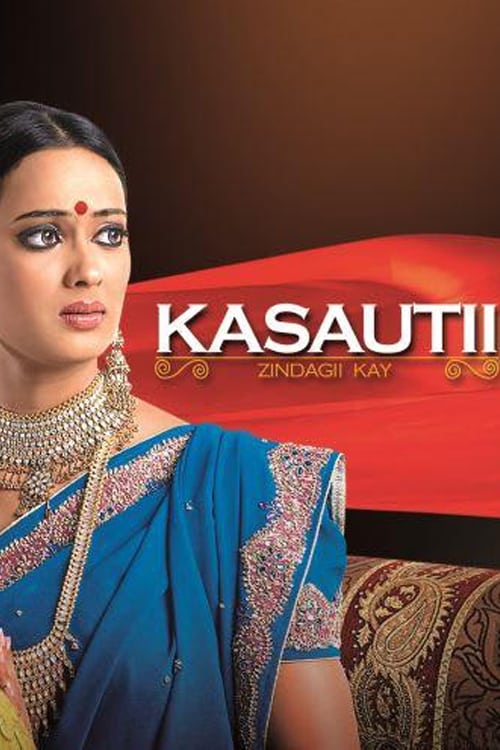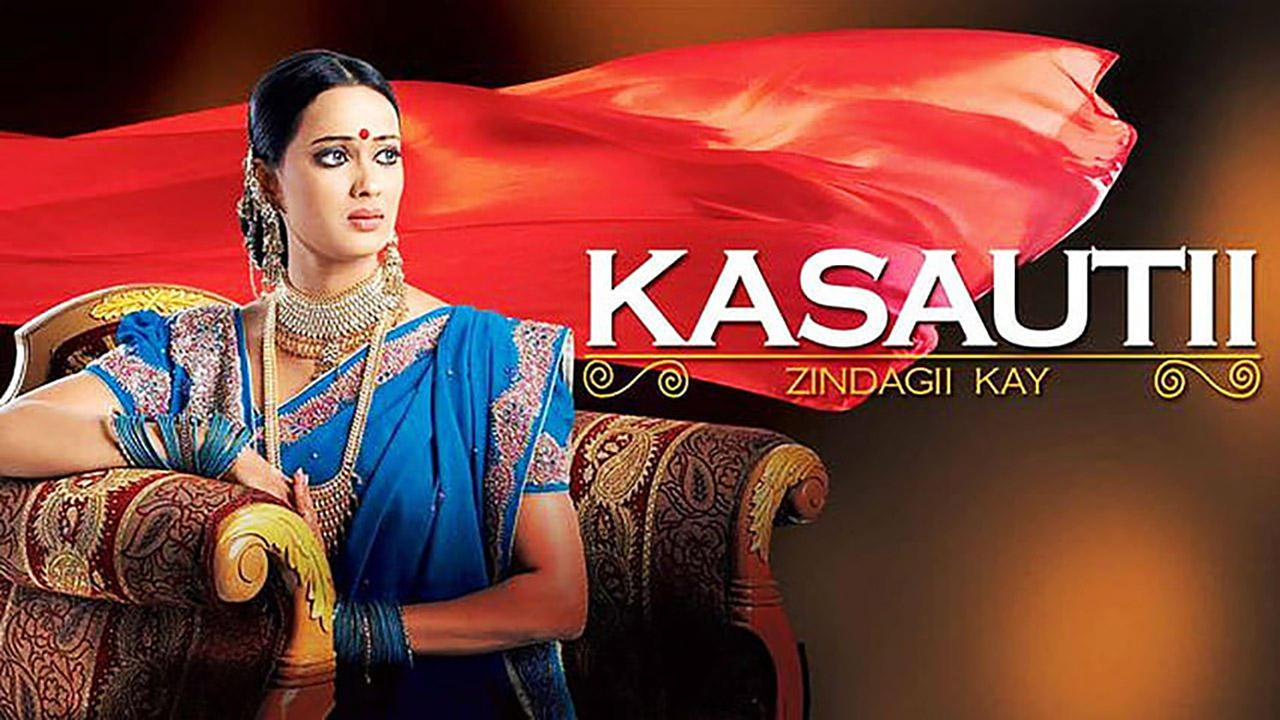
If you’ve spent any time diving into Indian television history, you’ve almost certainly heard about Kasautii Zindagii Kay. This isn’t just another soap opera that aired and faded into obscurity. When it premiered on October 29, 2001, on STAR Plus, it launched something that would become a cultural phenomenon, running for seven years and generating 1,423 episodes that kept audiences glued to their screens night after night. What makes that longevity even more remarkable is that creator Ekta Kapoor managed to sustain momentum across that entire run, turning what could have been a formulaic melodrama into something that genuinely mattered to viewers.
The core story—about Prerna and Anurag, two lovers caught in an elaborate dance of separation orchestrated by the manipulative antagonist Komolika—sounds like it could go nowhere. Star-crossed lovers thwarted by a scheming rival is hardly original territory. But what Kapoor understood was that the appeal wasn’t really about whether they’d end up together. It was about the journey, the constant tension, the small moments of connection that made you believe in their bond even when the plot seemed determined to keep them apart. The tragedy of their arc—lovers separated throughout their lives who only find union in death—gave the show an emotional weight that elevated it beyond typical soap opera mechanics.
What’s fascinating about discussing Kasautii Zindagii Kay now is acknowledging that it currently sits at a 3.1/10 rating from 7 votes on rating platforms. That number might seem modest at first glance, but it actually tells you something important about how time and perspective shape our memories of television. Ratings aggregates capture a specific moment in critical evaluation, yet they don’t necessarily reflect the show’s actual cultural impact. This was the 3rd most popular and 2nd most awarded show of its era—accomplishments that aren’t captured in a numerical score.
The brilliance of Kapoor’s approach lay in understanding the potential of the 24-minute episode format. Each installment could deliver drama, plot advancement, and emotional beats without overstaying its welcome. Within that tight window, she built an entire world—the Sharma and Basu households, their servants, their extended networks of allies and enemies. The episodic structure meant you could always come back tomorrow for the next development. That accessibility, combined with the show’s willingness to escalate drama consistently, created genuine water-cooler moments. People talked about what happened on Kasautii Zindagii Kay. It wasn’t background noise; it was an event.
The cast became iconic for good reason. Shweta Tiwari brought vulnerability and strength to Prerna, making her sympathetic even when the plot pushed her character to extremes. Cezzane Khan as Anurag was the romantic counterweight, and Ronit Roy added gravitas to the proceedings. But it was Urvashi Dholakia as Komolika who arguably stole the show. Playing a villain in a soap opera is a particular challenge—you need to be hated but also compelling enough that audiences stay invested in your schemes. Dholakia walked that line expertly, making Komolika someone you despised yet couldn’t look away from.
> The show understood something fundamental about television drama: conflict without resolution is torture, but conflict with the possibility of resolution is television gold.
What separated Kasautii Zindagii Kay from its competitors was its willingness to go genuinely dark. This wasn’t a lighthearted romp. There were poisonings, betrayals, identity reveals that upended everything you thought you knew. The show embraced melodrama as a legitimate storytelling tool rather than treating it as something to be embarrassed about. That confidence in its own tone gave the narrative permission to swing big, and most of the time those swings connected.
The cultural footprint extended well beyond television ratings. The show created shared vocabulary within Indian popular culture. References to Komolika’s schemes became shorthand for elaborate manipulation. The will-they-won’t-they tension between Prerna and Anurag influenced how subsequent shows handled romantic conflict. Other creators watched what Kapoor accomplished and learned from it—not always in positive ways, as the proliferation of derivative love triangles and villain-driven plots would attest, but the lesson was clear: audiences will invest in character relationships if you give them enough reasons to care.
When Kasautii Zindagii Kay Ended in 2008, it left behind something durable. Shows don’t generate 1,423 episodes by accident. That kind of production volume requires confidence in what you’re making, commitment from networks and sponsors, and most importantly, an audience that keeps coming back. The fact that people still discuss this show, that it influenced the trajectory of Indian television drama, that it created moments fans remember decades later—that’s the actual measure of success.
The low rating it carries now might seem confusing until you remember that nostalgia doesn’t always translate to contemporary critical appreciation. People rating the show today might be viewing it through a different lens than its original audience did. That disconnect between cultural impact and numerical scores is worth paying attention to. It reminds us that television’s value can’t be reduced to a single metric. Kasautii Zindagii Kay did exactly what it set out to do: it made people feel something, week after week, for seven consecutive years.