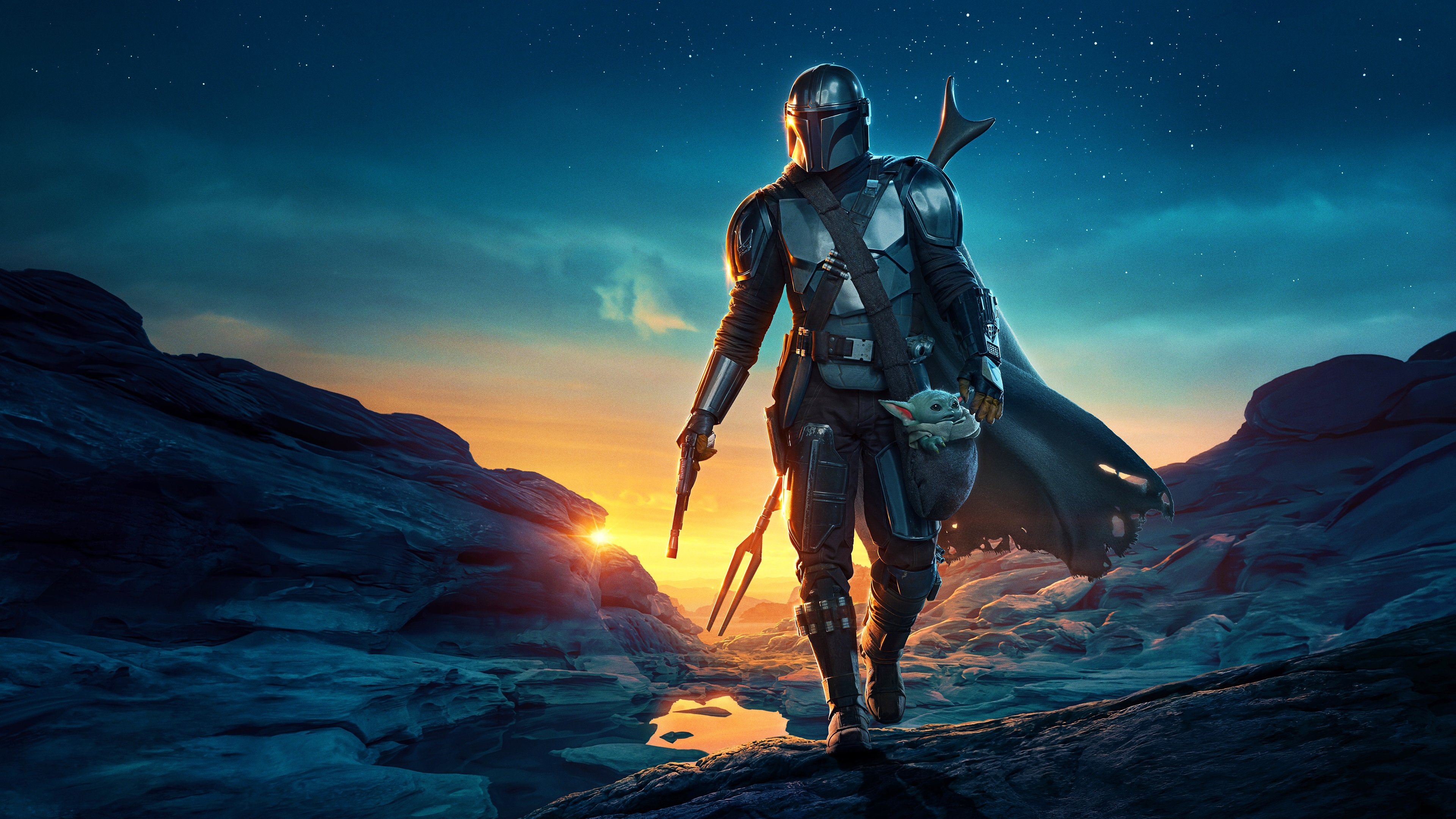
When Jon Favreau launched The Mandalorian on Disney+ back in November 2019, it arrived with modest expectations. This was a new streaming service betting on Star Wars, and streaming shows about established franchises had a spotty track record. What emerged instead was something that fundamentally changed how people think about Star Wars storytelling—and frankly, about what streaming television could accomplish in the sci-fi genre.
The premise is deceptively simple: a lone bounty hunter works the outer edges of a lawless galaxy following the Empire’s collapse. But that simplicity is precisely what makes the show work. Favreau understood something crucial—that the best Star Wars stories don’t need to be about Jedi prophecies or galactic politics. They can be intimate, character-driven narratives set within that universe. A gunslinger protecting a village from raiders. A stoic figure learning to trust again. Small moments that carry weight because they matter to the people living them.
What’s remarkable is how the show built an audience across 3 seasons and 24 episodes without compromising its vision. The 8.4/10 rating from 10,698 votes reflects genuine consistency—this isn’t a show that people tolerate; it’s one they actively championed. That’s especially telling given how fractious Star Wars discourse had become by 2019. The Mandalorian managed something the franchise had struggled with: it made people feel good about Star Wars again.
Pedro Pascal’s performance as Din Djarin became iconic precisely because he does so much while mostly hidden behind a helmet. There’s remarkable skill in playing a character whose face we rarely see, relying entirely on body language and voice modulation. The supporting cast elevated every storyline—Werner Herzog’s icy villainy, Carl Weathers’ warmth, and later seasons’ additions all understood the show’s tonal balance between action-heavy episodes and quieter character moments.
> The show’s ability to shift between intense action sequences and intimate character work made each episode feel fresh, whether it was a firefight against Imperial remnants or a scene of Din learning to be a guardian to Grogu.
The cultural phenomenon around Grogu can’t be overstated. Before the character had a name, before merchandise flooded stores, people were simply obsessed. A small alien creature with big ears became a vessel for genuine emotional investment. That’s not accident—it’s the result of thoughtful design and storytelling that respects the audience’s intelligence. The show trusts you to read emotion into silence, to understand relationships through small gestures.
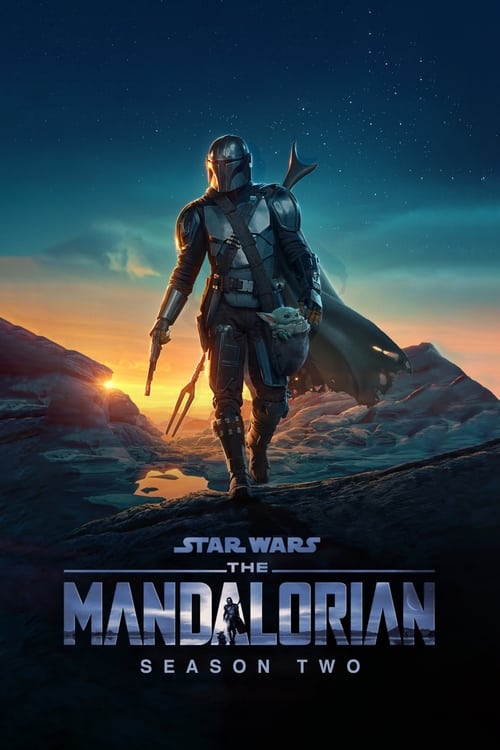
Season 2 particularly hit its stride, with a 9.0/10 average that showed the show could sustain momentum while expanding its scope. Episodes like “Chapter 16: The Rescue” balanced complex plotting with the intimate character work that defined the series. By bringing in Giancarlo Esposito as Moff Gideon, the show elevated its antagonist work without abandoning the grounded storytelling fans loved. These weren’t faceless threats—they were characters with motivations, however dark.
What distinguishes The Mandalorian from other Star Wars projects is its restraint. Most Star Wars stories feel obligated to answer every question, explain every mystery. This show lets things breathe. It’s comfortable with ambiguity, with the idea that not every plot thread needs resolution. That’s genuinely rare in franchise storytelling, where there’s usually pressure to hint at sequels, spin-offs, and expanded universe material.
The technical craft deserves mention too. The use of LED volume technology changed how these episodes were filmed, creating stunning practical effects that feel lived-in rather than digital. When Din stands in an alien landscape, you believe he’s actually there. That immersion matters. It’s the difference between watching a story and being pulled into one.
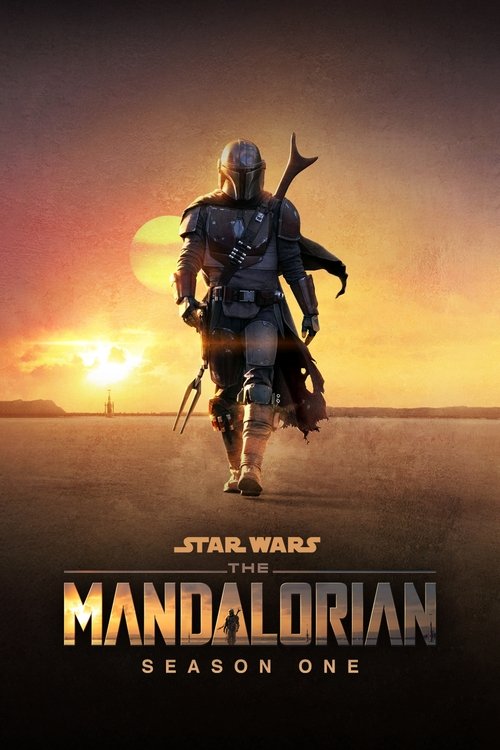
- Season 1 (8.6/10) established the tone and characters that would carry the entire series
- Season 2 (9.0/10) expanded the scope while maintaining intimate storytelling
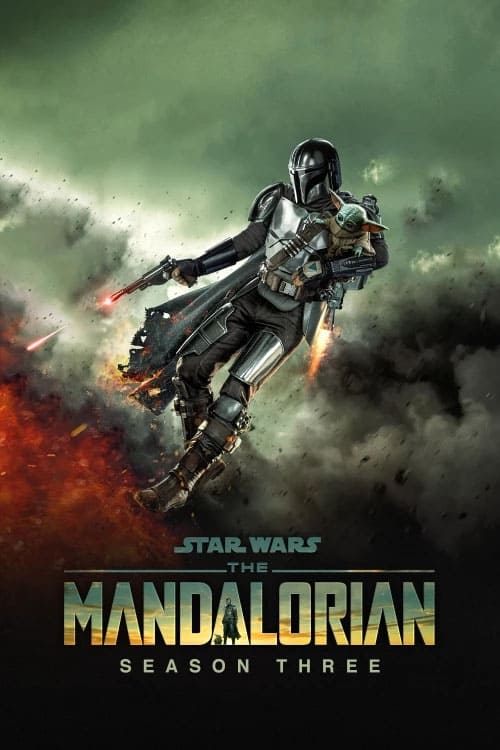
- Season 3 (8.1/10) continued the saga, though with some tonal shifts that divided audiences
The show’s journey from 2019 through its Ended conclusion shows what happens when a creator respects both the source material and the audience. Favreau didn’t get everything right—Season 3 felt more scattered than its predecessors, with some viewers wishing for tighter narrative focus. But even when the show stumbled slightly, it remained committed to character and atmosphere over spectacle for spectacle’s sake.
The Mandalorian proved that Star Wars could work on streaming, that action and adventure in sci-fi settings didn’t require heavy exposition dumps, and that audiences would connect deeply with characters who rarely remove their masks. It’s influenced how television approaches this kind of storytelling—that mix of episodic adventure with larger narrative arcs, of humor and violence and genuine tenderness existing in the same story. It’s not perfect, but it’s undeniably important. And that’s worth paying attention to.