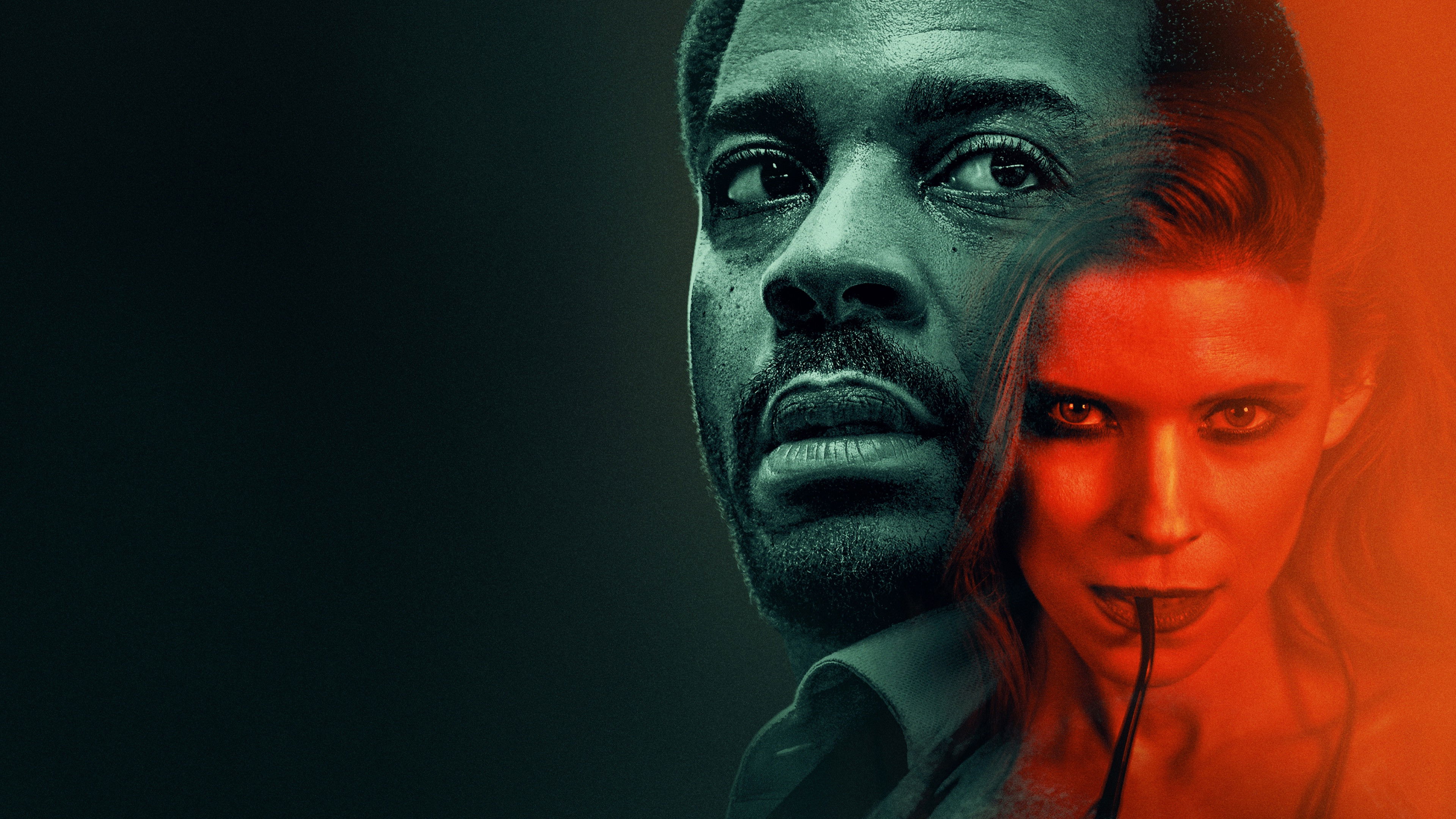
When The Dutchman premiered at South by Southwest in March 2025 before its wide release on January 2, 2026, it arrived with considerable promise. Director Andre Gaines brought together a compelling cast—André Holland, Kate Mara, and Zazie Beetz—around a premise that sounded like psychological thriller gold: a successful Black businessman unraveling on a New York subway encounter with a mysterious white woman. The setup promised exploration of identity, power dynamics, and the fractured psyche of a man caught between professional success and personal collapse. Yet what emerged was a film that critics and audiences found difficult to pin down, earning a 4.4/10 rating from 16 votes that reflects genuine confusion about what Gaines was attempting to accomplish.
The core conflict of The Dutchman—compressed into a lean 95 minutes runtime—is intimate and claustrophobic by design. The subway setting becomes a pressure cooker where a man already drowning in a crumbling marriage gets pulled into a game with consequences he doesn’t fully understand. That tight constraint should work in the film’s favor. There’s real potential in trapping characters in confined spaces and forcing them to confront truths they’ve been avoiding. But potential and execution aren’t the same thing, and here’s where the film stumbled.
What the film attempted:
- A exploration of racial dynamics wrapped in a thriller framework
- A character study of masculine crisis disguised as a cat-and-mouse narrative
- A commentary on how we perform different versions of ourselves depending on audience
- A meditation on what happens when power dynamics shift in unexpected ways
The problem critics identified wasn’t a lack of ambition—it was a lack of narrative clarity. The film never settles on what it wants to be or what it’s trying to say. Is this a thriller about two strangers locked in psychological combat? A drama about a man’s identity fracturing under pressure? A social commentary with genre trappings? The confusion isn’t the kind that lingers productively; it’s the kind that leaves viewers feeling like they missed something fundamental about the director’s intent.
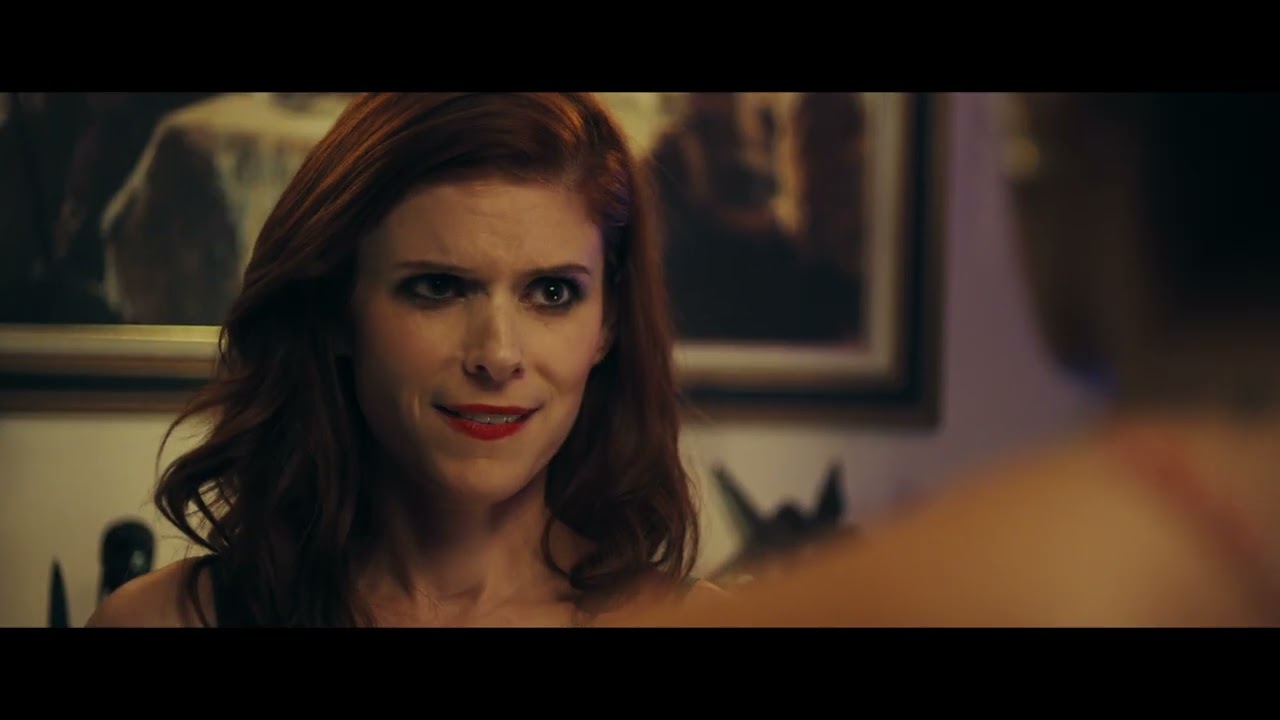
André Holland delivers a performance that suggests he understood the character’s internal turmoil, but the material around him doesn’t give him enough solid ground to stand on. Kate Mara’s enigmatic stranger has moments of unsettling presence, yet the script never clarifies whether she’s meant to be a catalyst, a mirror, or something else entirely. Zazie Beetz rounds out the cast, though her role remains somewhat undefined in the larger structure. It’s a talented ensemble that deserved better scaffolding.
> The fundamental issue with The Dutchman is that it mistakes ambiguity for depth and confusion for complexity.
What’s frustrating about the film’s reception is that it had legitimate things to explore. A Black businessman navigating professional identity while his personal life collapses, intersecting with a white woman whose motivations remain opaque—there’s material there. The subway setting itself has historical weight in American cinema and culture. Gaines had the pieces, but they never fit together into a coherent whole. Some viewers found the ending provocative; others found it unearned. That split response isn’t evidence of the film’s power to divide—it’s evidence that different audience members were essentially watching different films because the text didn’t guide them clearly enough.
For a film with budget support from multiple studios including Rogue Pictures and Washington Square Films, the execution came up short of what the production values and casting suggested was possible. The studios involved clearly believed in the project enough to finance and distribute it, but something went wrong between conception and completion. Whether that’s a script issue, a directorial choice, or something that happened in post-production remains unclear from the finished product alone.
The larger context:
The Dutchman came out in early 2026 without the cultural impact or critical reassessment that sometimes comes for challenging films over time. Unlike divisive films that occasionally find new appreciation through repeated viewing and distance, this one seems to have settled into a space where people acknowledge it exists but struggle to articulate why it matters. That’s not quite failure, but it’s not success either—it’s a kind of creative limbo.
The film’s place in contemporary Black cinema is complicated. It arrived during a period when the industry was hungry for stories centering Black experiences and perspectives, yet The Dutchman didn’t become a touchstone the way other films did. Part of that may be timing, part may be execution. Audiences and critics wanted it to work, but the film had to earn that goodwill through clarity of vision or emotional resonance, and it managed neither consistently enough.
Looking back at The Dutchman, the real takeaway isn’t about what it accomplished but what it attempted and couldn’t quite deliver. It’s a film that remains interesting primarily because of what it failed to become—a reminder that ambition and execution require each other, and that talented people can create something that feels incomplete even when it technically has a beginning, middle, and end. For film scholars and critics interested in how contemporary thrillers navigate questions of race, identity, and power, it’s worth examining. For general audiences, it remains the film that left them deeply confused about what they’d just watched—and not in a way that rewards revisiting.