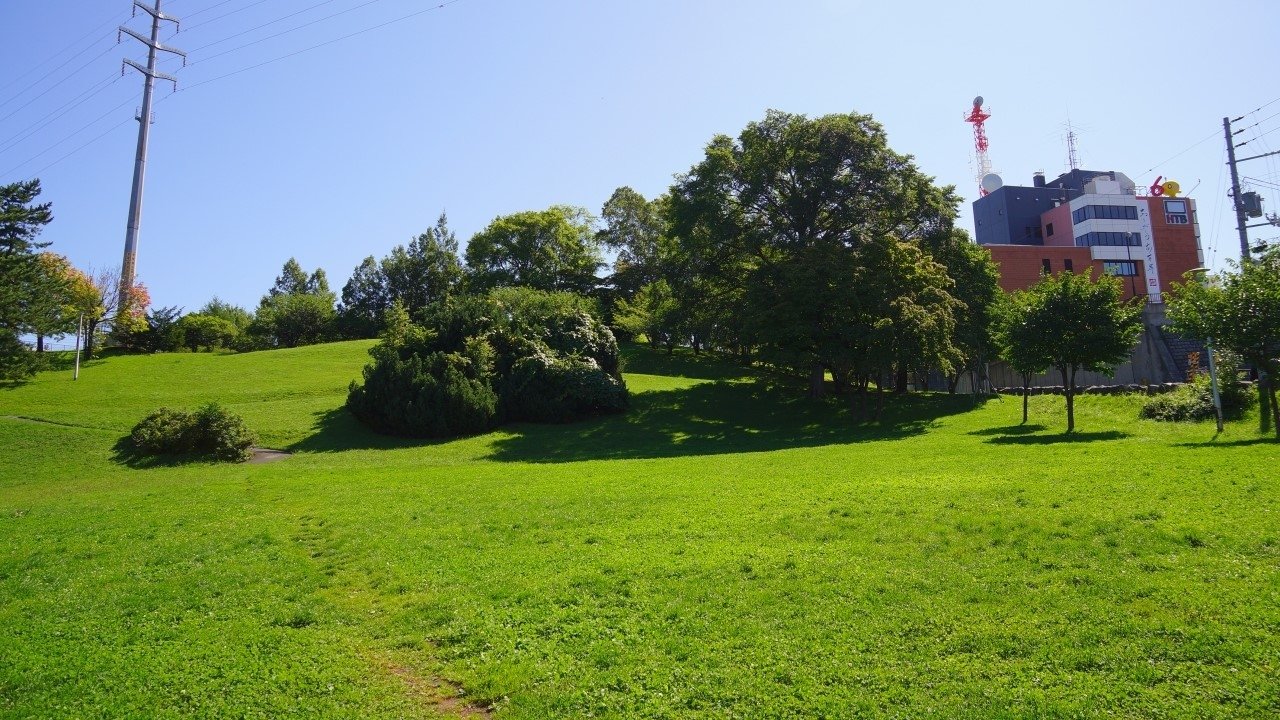
If you want to understand what made Japanese regional television matter in the 1990s, you need to talk about How do you like Wednesday? This HTB variety series debuted on October 9, 1996, in Hokkaido and became something genuinely groundbreaking—not because it reinvented comedy or storytelling, but because it proved that local television could generate genuine cultural impact. That’s a harder thing to pull off than most people realize.
Here’s the thing about variety television: it lives or dies by immediacy. You can’t hide behind a clever narrative structure or elaborate set pieces. A 30-minute episode demands that you entertain viewers right now, with whatever’s in front of the camera. How do you like Wednesday? understood this completely. The format allowed for rapid-fire segments, guest appearances, and comedy sketches that felt spontaneous even when they weren’t. That runtime became an asset—tight enough to maintain energy, long enough to actually develop recurring characters and running jokes that audiences could invest in.
The numbers tell part of the story. Over four seasons and 918 episodes, the show earned a 7.7/10 rating, which reflects a show that found and maintained an audience. But the real indicator of its success? That 7.7/10 came from people who actually cared enough to rate it. And then there’s that December 8, 1999 viewing share of 18.6%—a staggering number for a late-night program on a regional station. That’s the kind of moment that changes how networks think about what’s possible in their own markets.
What makes How do you like Wednesday? significant goes beyond its own success, though. This show arrived at a specific moment when Japanese regional television was essentially non-existent. Hokkaido had no homegrown variety programs. None. Networks aired content from Tokyo or Osaka, but nothing came from local talent or local sensibilities. The creators of How do you like Wednesday? saw that gap and filled it, and more importantly, they proved the concept worked. That success triggered a genuine movement.
The ripple effect was immediate and measurable:
- Kwangaku! emerged in Kansai, directly inspired by this show’s regional model
- Nobunaga launched in Tokai with the same philosophy in mind
- Other regions began investing in local variety programming
- Television networks reconsidered what “local content” could mean
This wasn’t just about copying a format. These shows that followed understood they were operating with the template that How do you like Wednesday? had validated. Could you make something entertaining with local comedians and performers? Yes. Could audiences connect with comedy that reflected their specific region? Absolutely. Could a late-night variety show become appointment television? The ratings said yes.
The creative decision to anchor this as a regional show, specific to Hokkaido, turned out to be its strength rather than a limitation. The humor had specificity. The guests meant something to local viewers. The running jokes built on shared cultural references that Hokkaido residents actually understood. That kind of specificity is what television often lacks—the sense that something is made for you, not just broadcast at you.
What kept audiences returning for four seasons wasn’t novelty. It was consistency. The show knew what it was. Every week, people could tune in and find comedy that worked within its own logic. The 30-minute format meant no bloat, no segments that overstayed their welcome. The variety structure meant that if a particular sketch didn’t land, something else was coming in 90 seconds. That’s smart design, not just luck.
> The show’s influence extended beyond its initial run. Though the weekly regular series ended production in September 2002, the network continued producing limited-run series, indicating that audiences and producers both believed there was still something worth exploring in this format.
The decision to continue with special editions after the regular series wrapped tells you something important: How do you like Wednesday? had become a property that mattered. It wasn’t cancelled because audiences stopped watching. It evolved because the creators and network recognized they had something durable enough to return to periodically rather than something that needed to run continuously to survive.
That’s rare in television. Most shows either run until they burn out or they end while they’re still strong. This one found a middle path—becoming a reliable cultural event rather than a continuous series. Returning Series, the show remains relevant enough to warrant attention from archives and streaming platforms decades after its debut. People still watch it. People still care about what happened in Hokkaido’s television history.
If you’re interested in how television actually changes, How do you like Wednesday? is essential viewing. It’s not a masterpiece of dramatic storytelling. It’s not going to blow anyone away with production values. What it is: proof that specific, local, focused programming can matter more than expensive, broad-appeal content. That’s a lesson the television industry needed to learn in 1996, and honestly, it still needs to remember today.