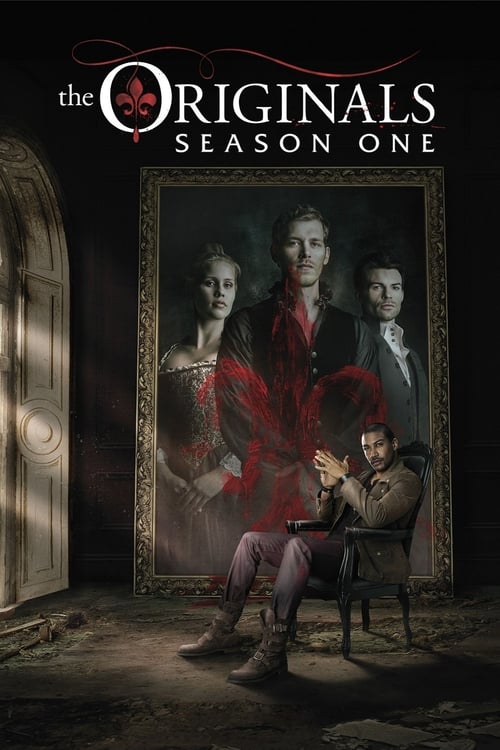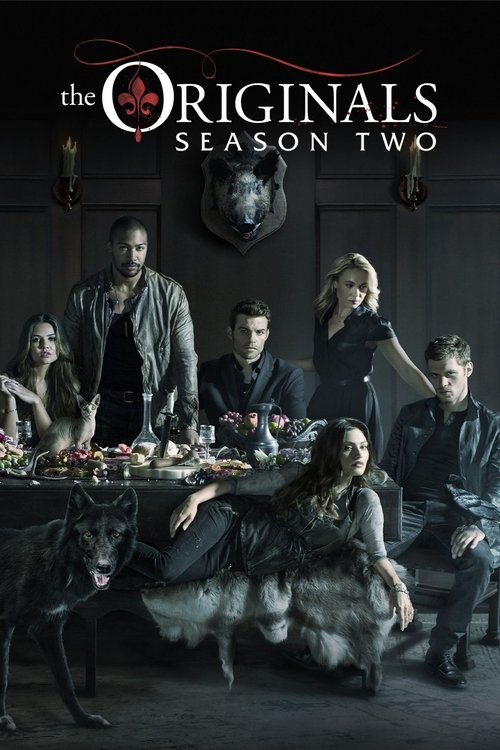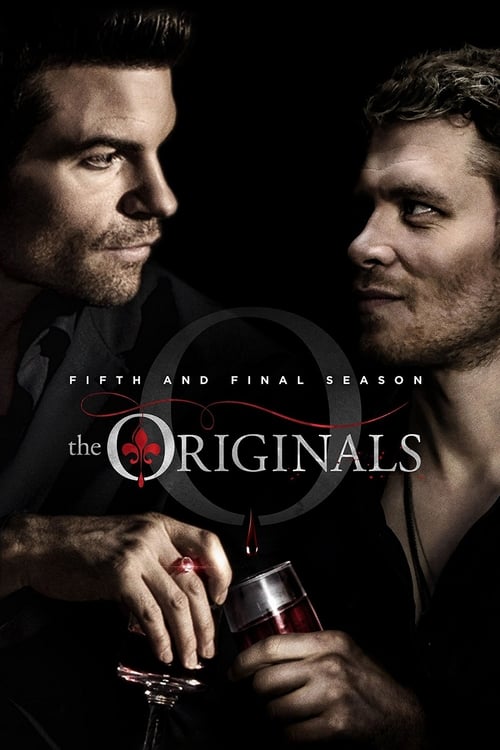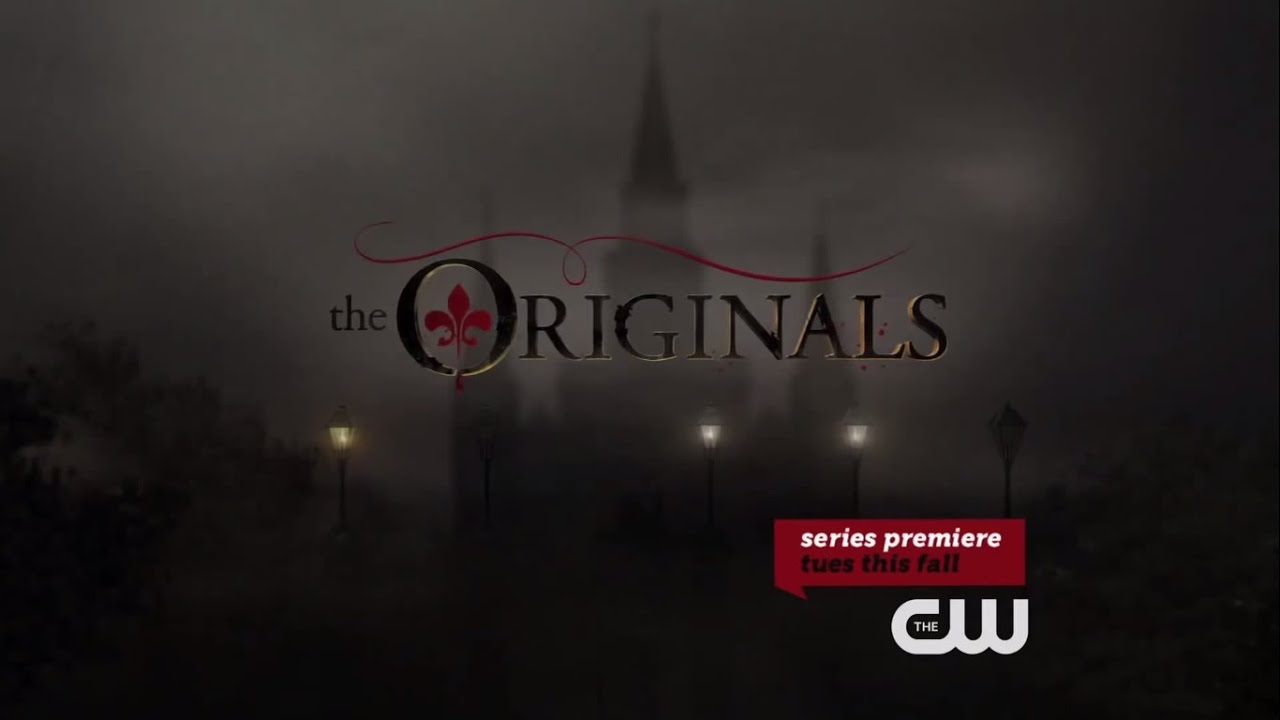
When The Originals debuted on October 3, 2013, it arrived with clear intentions: take the most compelling characters from The Vampire Diaries and drop them into New Orleans to tell a darker, more ambitious story. What Julie Plec created wasn’t just a spin-off—it was a calculated reimagining that proved the Mikaelson family was worth their own mythology. Over five seasons and 92 episodes, the show built something that stood apart from its parent series, earning a 8.6/10 rating from audiences who stuck with Klaus, Elijah, and Rebekah through complex power struggles, family betrayal, and the weight of immortality.
The premise itself is deceptively simple: the world’s original vampires return to the city they built and want it back. But Plec’s execution goes much deeper. What makes The Originals compelling isn’t just the supernatural elements—it’s the way it treats these immortal beings as a family torn by genuine, devastating conflict. These aren’t heroes trying to save the world. They’re morally compromised individuals chasing power, redemption, and belonging. That moral ambiguity is what separates this show from countless other paranormal dramas. You’re rooting for characters who have committed atrocities, watching them justify terrible decisions while occasionally surprising you with moments of unexpected vulnerability.
The 45-minute runtime worked perfectly for what Plec wanted to accomplish. Each episode had breathing room for character development without padding, allowing the drama to build steadily across a season. The show never felt rushed, even when juggling multiple plot threads involving witches, werewolves, humans caught in supernatural conflicts, and the Mikaelsons’ own destructive impulses. That pacing allowed storylines like Klaus’s redemption arc or Elijah’s increasing moral crises to develop naturally rather than feel forced for dramatic effect.
What really stands out about The Originals is how it handled its Sci-Fi & Fantasy, Drama, Mystery blend. Too many shows in this space pick one genre and milk it. The Originals committed to all three equally:
- Fantasy elements were consistently explained and had real consequences—magic cost something, curses had weight, the supernatural wasn’t just background noise
- Drama came from family dynamics that felt earned and painful—these characters had centuries of history to mine
- Mystery kept you guessing about allegiances, hidden motivations, and what characters would actually do when cornered
The show built genuine tension because you never quite trusted where anyone’s loyalties lay, and that uncertainty persisted across entire seasons.
New Orleans itself became a character. Unlike The Vampire Diaries, which was anchored in a small town with suburban sensibilities, The Originals is urban, atmospheric, and dripping with history. The French Quarter’s gothic architecture, the voodoo culture, the existing supernatural hierarchy with witches and werewolves—these elements weren’t just set dressing. They complicated the Mikaelsons’ return, introducing obstacles they couldn’t simply overpower. They had to navigate, negotiate, and manipulate their way through a city that already had its own rules and power structures.
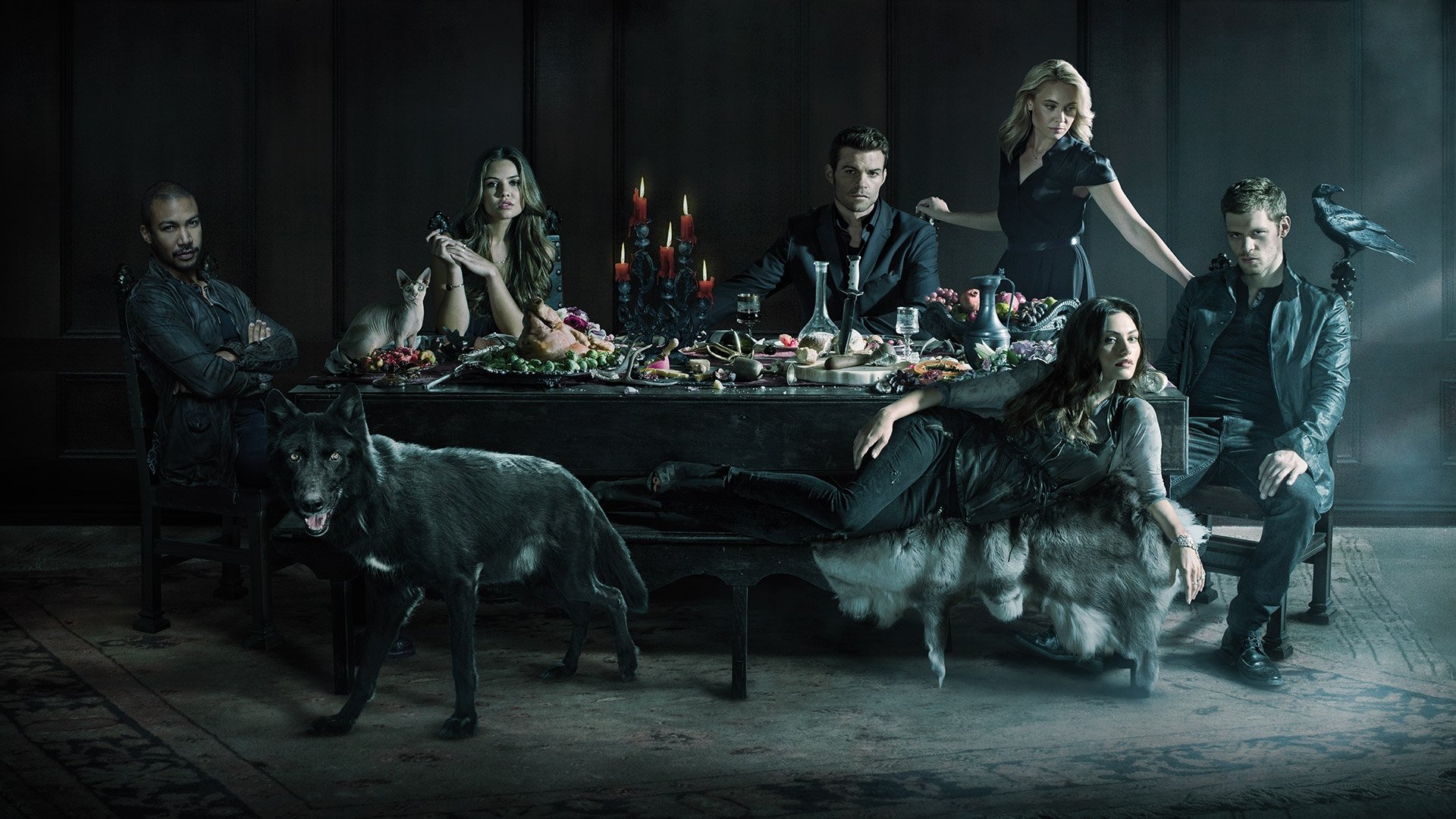
The cast deserves significant credit here. Joseph Morgan’s Klaus is an absolute powerhouse—arrogant, volatile, capable of genuine warmth, and fundamentally broken. Daniel Gillies brought quiet intensity to Elijah, making his internal conflicts between family loyalty and moral principle feel tragic. Claire Holt’s Rebekah avoided becoming one-dimensional despite the character’s initial setup. Phoebe Tonkin, Daniel Sharman, and Leah Pipes as Hayley, Kaleb, and Cami respectively rounded out a ensemble that made you believe in these relationships, even when the supernatural spectacle ramped up.
> The show’s willingness to put its characters through devastating loss and moral compromise, rather than resetting everything at season’s end, is what made it endure through five seasons.
Seasons 2 through 4 hit remarkable consistency. The show earned perfect scores on Rotten Tomatoes for those years because it figured out the balance between epic mythology and intimate character drama. Major plot twists landed because they were built on genuine character development rather than convenient coincidence. When characters made terrible decisions, those consequences rippled forward. The show remembered its own history and forced characters to reckon with it.
The Originals also sparked real conversations about morality in television. How do you engage with a protagonist who does genuinely awful things? When does a redemption arc feel earned versus cheap? These weren’t questions the show shied away from—it leaned into them. Klaus’s journey wasn’t a clean redemption story. He remained capable of horrific violence while also becoming someone capable of love and self-sacrifice. That complexity is rare in television, and audiences responded to it.
By the time the show ended in 2018, it had completed its five-season arc without overstaying its welcome. The final season’s shift in approach divided fans—the Rotten Tomatoes score dipped to 67%—but the show had already accomplished what it set out to do. It took a spin-off concept and created something with its own identity. It told complete character arcs. It left room for the Legacies spin-off while maintaining its own narrative closure.
What The Originals ultimately proves is that a show doesn’t need to reinvent television to matter. It needs compelling characters, smart writing, and the confidence to let those characters exist in morally complex spaces. It needed Julie Plec’s willingness to not sanitize her villains or oversimplify her conflicts. Across 92 episodes, it created a world where consequences meant something and family bonds—for all their toxicity—remained the central emotional core. That’s why it still holds up, why audiences keep discovering it, and why it deserves to be part of the conversation about quality supernatural drama.