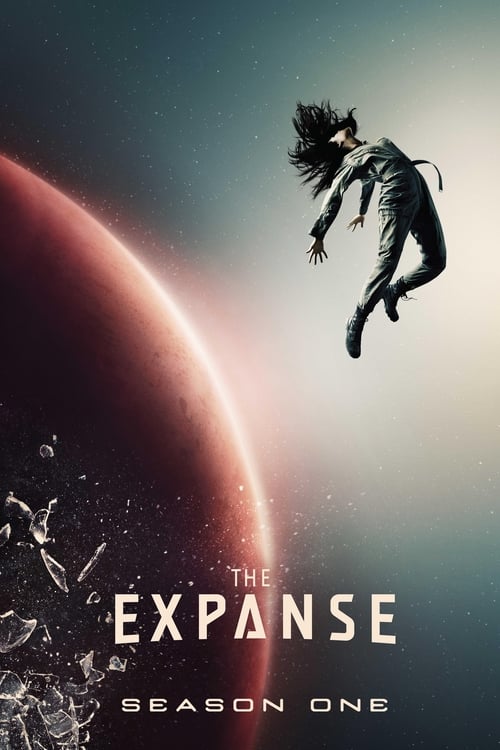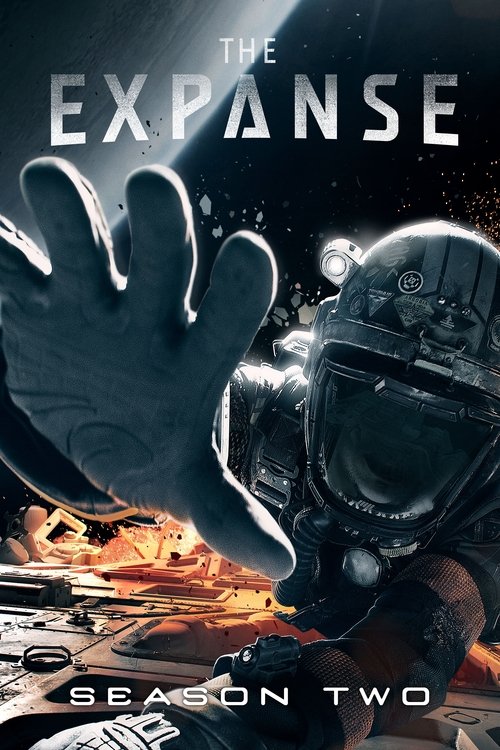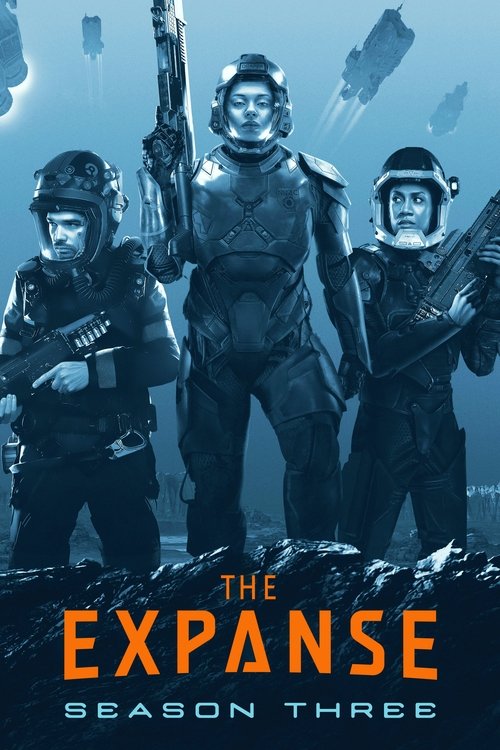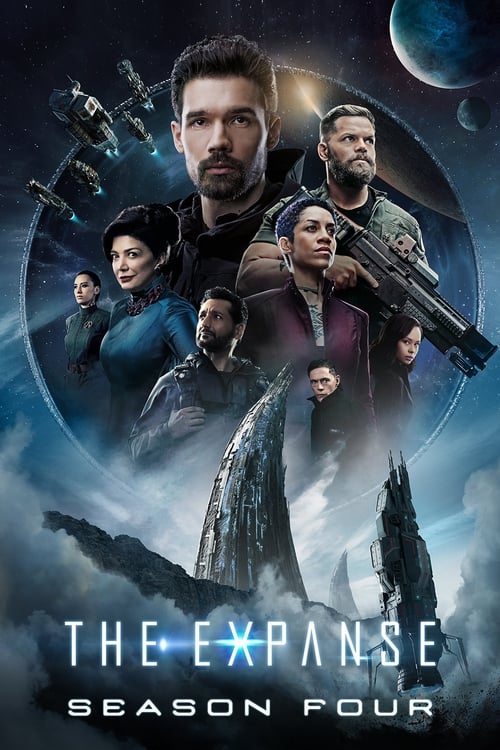
If you’ve been sleeping on The Expanse, you’re missing one of the most thoughtfully constructed science fiction shows ever made for television. When it premiered on Syfy in December 2015, it arrived with modest expectations—another streaming-adjacent sci-fi drama that would probably vanish after a season. Instead, what unfolded over 6 seasons and 62 episodes was something far more ambitious: a show that treated its audience like adults, built complex mythology with genuine consequences, and created a fanbase so devoted they essentially saved it from cancellation.
The premise itself is deceptively simple. A missing young woman draws together Detective James Holden and rogue ship captain Jim Miller in a race across the solar system. But creators Mark Fergus and Hawk Ostby understood something fundamental that many science fiction shows miss: the setting matters less than the why. The solar system isn’t just window dressing here—it’s a character. The political tensions between Earth, Mars, and the Belt become the true engine of the narrative, and by the time the show reached its conclusion, it had mapped out a conspiracy that felt genuinely epic without becoming ridiculous.
What separated The Expanse from other space operas was its commitment to consequence and realism. The show didn’t have flashy lightsabers or convenient plot devices. Characters died meaningfully. Political decisions had lasting impacts. Ships moved with real physics. This grounded approach, combined with the ensemble’s chemistry and the writing’s willingness to explore moral ambiguity, created something that resonated deeply with its audience. The 8.1/10 rating from 2,712 votes reflects a show that found its people and held onto them fiercely.
The show’s trajectory reveals interesting lessons about modern television:
- Season 1 established tone and world while the audience was still figuring out the politics
- Seasons 2-4 where critical consensus reached near-perfect scores on Rotten Tomatoes (95%, 100%, 100%), represented the show firing on all cylinders
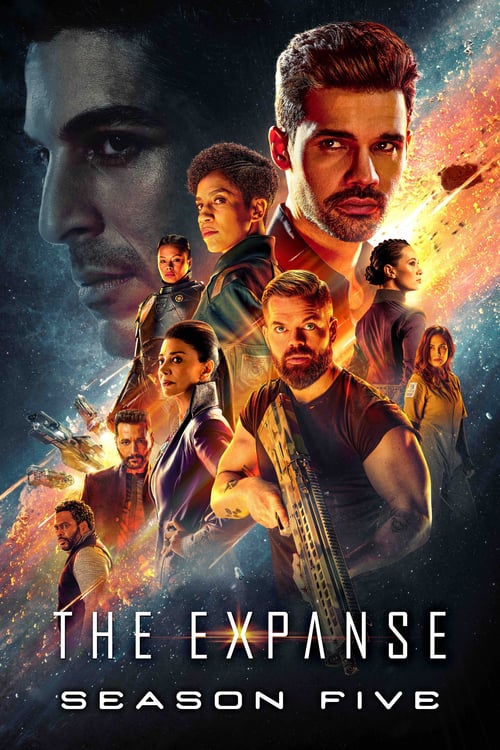
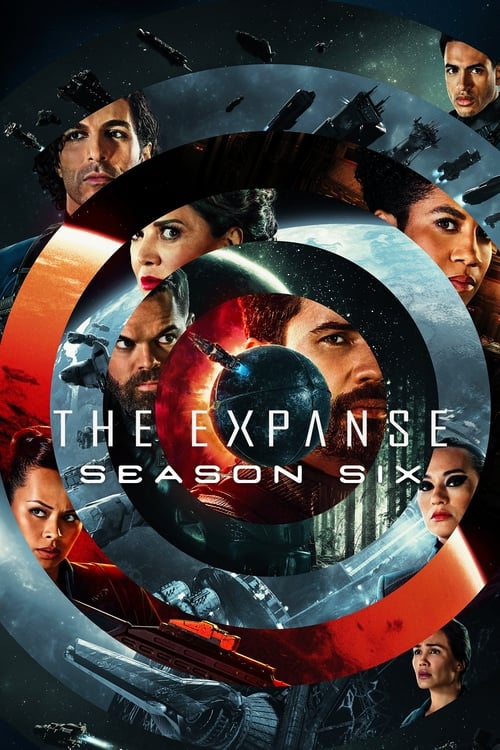
- Seasons 5-6 maintained quality even as external pressures mounted, concluding the narrative arc the creators had always planned
What made The Expanse culturally significant wasn’t just critical acclaim or streaming numbers. It was how the show navigated a broken television ecosystem. After Syfy cancelled it following season two, Amazon Prime Video picked it up—and the fanbase’s organized campaign, marked by the #SaveTheExpanse movement, became a case study in how passionate audiences could influence network decisions. Three additional seasons followed, giving the creators the runway to tell their complete story rather than being cut short mid-narrative.
The writing evolved considerably across its run. Early episodes relied on noir detective conventions and conspiracy thriller beats. By season three and beyond, the scope expanded without losing intimacy. Character arcs that started in season one paid off in unexpected ways five seasons later. The show proved that serialized television could maintain momentum across multiple seasons without resorting to soap opera nonsense or endlessly spinning its wheels. When it ended, it felt intentional—a complete statement rather than an abrupt stop.
> The Expanse didn’t chase the zeitgeist. It built something slowly, carefully, and without compromise.
The cast deserves specific mention. Steven Strait’s Holden evolved from hothead to reluctant hero with genuine depth. Thomas Jane’s Miller became something unexpected—a character who transcended his own narrative arc. The supporting ensemble, particularly Dominique Tipper and Cara Gee, grew into their roles as the show deepened. These weren’t actors waiting for the next job; they understood they were part of something worth fighting for, and that commitment showed onscreen.
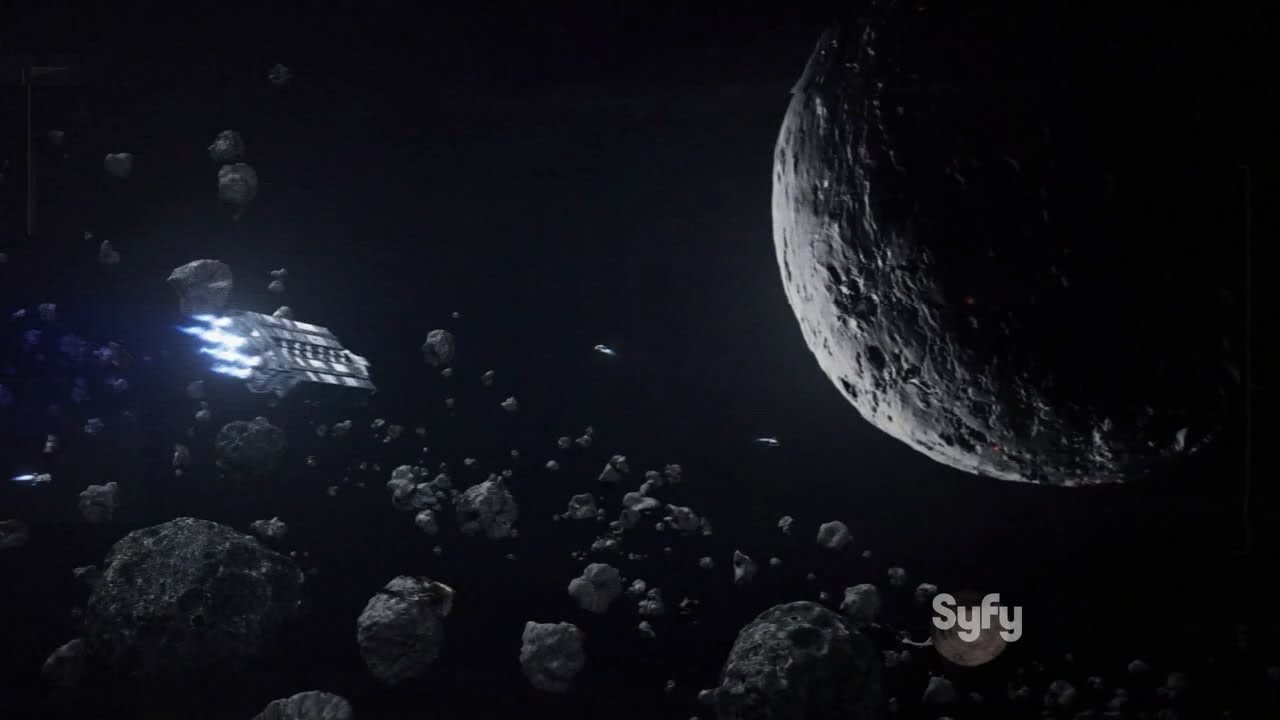
Visually and narratively, the show committed to its vision in ways that felt rare for television. Whether it was the design of spacecraft, the accuracy of orbital mechanics, or the texture of life in different parts of the solar system, nothing felt phoned in. The mystery-driven plotting of season one gave way to larger philosophical questions about humanity’s future, alien contact, and collective survival. The shift worked because the groundwork had been laid carefully.
The show’s ending, which aired to Ended status after concluding its story, feels particularly relevant now. In an era of endless reboots and revivals, The Expanse said what it needed to say and stopped. The final season wrapped narrative threads that had been simmering since episode one. It didn’t try to leave room for a movie or spin-off resurrection. It just ended—confidently and completely.
What lingers most is how The Expanse proved that thoughtful, complex science fiction could find an audience on television. Not every show needs to be a phenomenon watched by millions. Sometimes the best television is built by creators who know exactly what they want to make and find the people who want to watch it. That’s where The Expanse lives—in the space between mainstream success and cult appreciation, where it earned genuine admiration from everyone who gave it a chance.