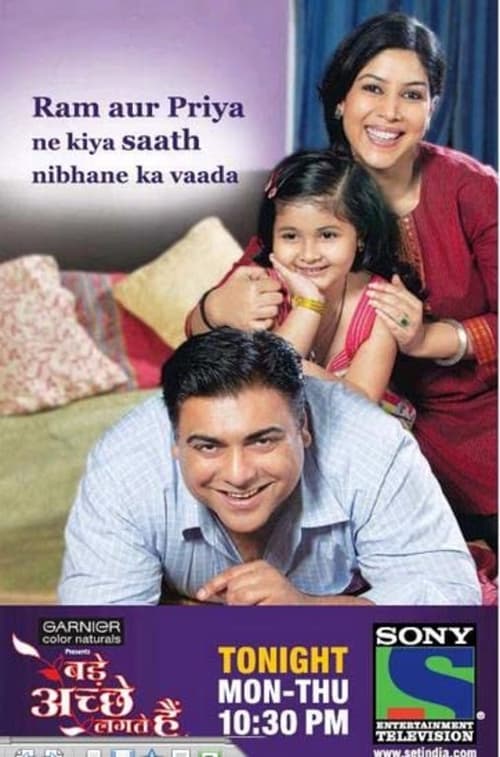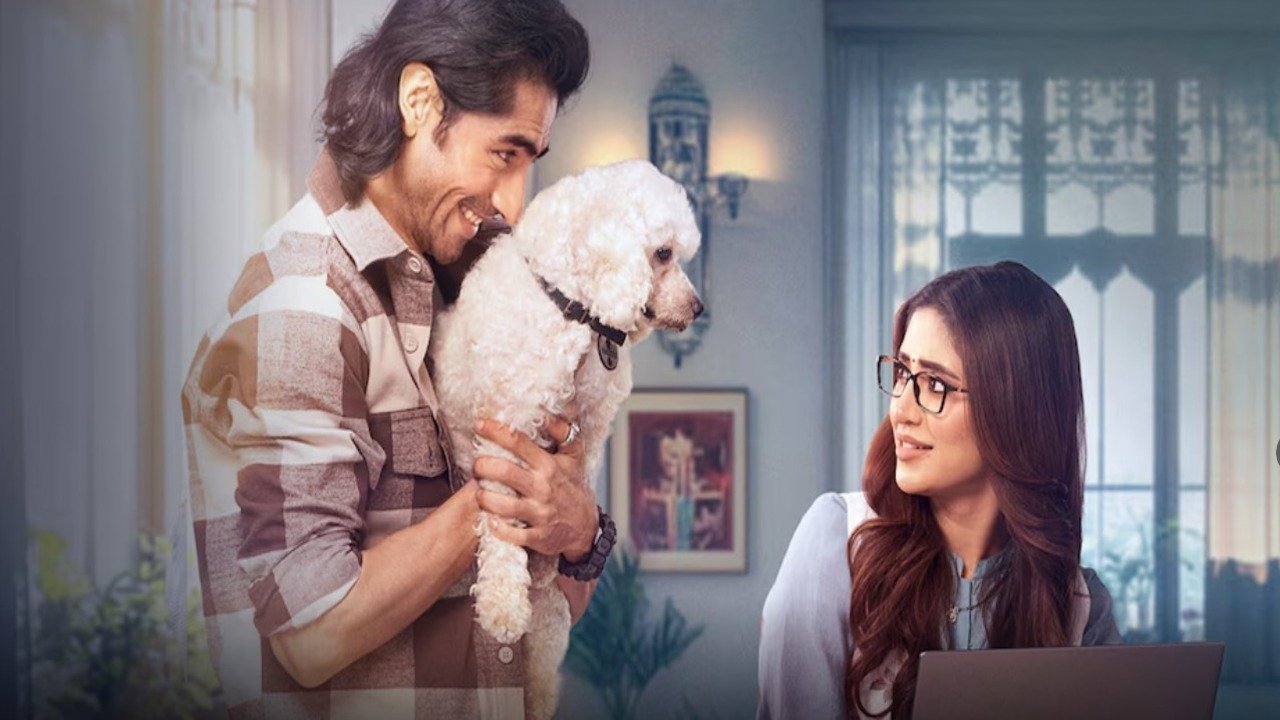
When Bade Achhe Lagte Hai premiered on Sony Entertainment Television on May 30, 2011, it arrived as something genuinely different in the Indian television landscape. Here was a show built on a premise that felt radical for daily soaps: what if two completely incompatible people were forced into marriage, and instead of manufactured drama, they actually learned to love each other? Ekta Kapoor’s vision was deceptively simple, but it tapped into something audiences were hungry for—a love story that felt earned rather than predetermined.
The show’s trajectory is worth examining. It started with a television viewer rating of 1.3 in its debut week, which might sound modest, but within ten weeks, that number had climbed to 3.7. By August 2011, it was the fifth most-watched Hindi television show in the country. That’s not just audience growth; that’s word-of-mouth momentum. People were talking about this show, recommending it to friends, and tuning in because they genuinely cared about what happened next. The network recognized the potential, and what was initially intended as a 150-episode run eventually expanded to 1,224 episodes across 4 seasons.
What made this expansion feel justified, rather than exploitative, was how the show understood its core strength: the central relationship. The marriage of compromise between Ram Kapoor and Priya Sood wasn’t just a plot device to be resolved in the pilot. It was the emotional spine that everything else hung from. The 24-minute runtime per episode might seem limiting for a soap opera, but it actually forced discipline. There wasn’t room for endless filler or repetitive conflict. Every scene had to move the needle on character development or relationship dynamics.
> The show proved that a soap opera didn’t have to rely on melodrama and manufactured tragedy to keep audiences invested. Sometimes, the most compelling drama is two people figuring out how to actually be partners.
The cultural impact of Bade Achhe Lagte Hai extended beyond television ratings. Consider the conversations it started:
-
Marriage and compatibility: The show asked whether opposites could genuinely complement each other, or if fundamental differences would always create friction. It presented marriage not as a fairytale ending, but as the beginning of actual work.
-
Female agency: Priya wasn’t a passive character waiting for Ram to save her. She had her own career, her own convictions, and her own reasons for the marriage. The show respected her autonomy.
-
Class and privilege: The relationship between these two characters bridged economic and social divides, forcing conversations about what really matters in a partnership.
-
Romance in middle age: The show normalized the idea that romance and passion weren’t exclusively for twenty-somethings. These were adults with histories, with baggage, finding connection anyway.
This wasn’t groundbreaking in terms of experimenting with television form or narrative structure, but it was groundbreaking for Indian daily soaps. The genre had been defined by twin swaps, supernatural elements, and family drama that often eclipsed individual character arcs. Bade Achhe Lagte Hai said: what if we just focus on whether two people can make each other happy? What if that’s enough?
The show’s 7.0/10 rating from 2 votes reflects something important—it’s respected rather than universally beloved. Some viewers found the extended run padding and longed for the show to have ended earlier. Others felt certain storylines diluted the original central premise. Those critiques have merit. Maintaining emotional intensity across 1,224 episodes is genuinely difficult. But that rating also tells you that a significant number of people who watched Bade Achhe Lagte Hai found something valuable in it.
The creative achievement here is understated but real. Ekta Kapoor created an ecosystem for character-driven storytelling within a format that typically resisted it. She cast performers who could convey emotional nuance within the constraints of daily television shooting schedules. She built a writers’ room that understood the difference between plot complications and character development.
What Bade Achhe Lagte Hai influenced wasn’t immediately obvious, but if you look at Indian television in subsequent years, you see shows that learned from its success. The lesson wasn’t “make a soap opera about a marriage”—it was “audiences will invest in a show if they believe in the emotional core and the character relationships.” That’s a more durable lesson than any specific plot device.
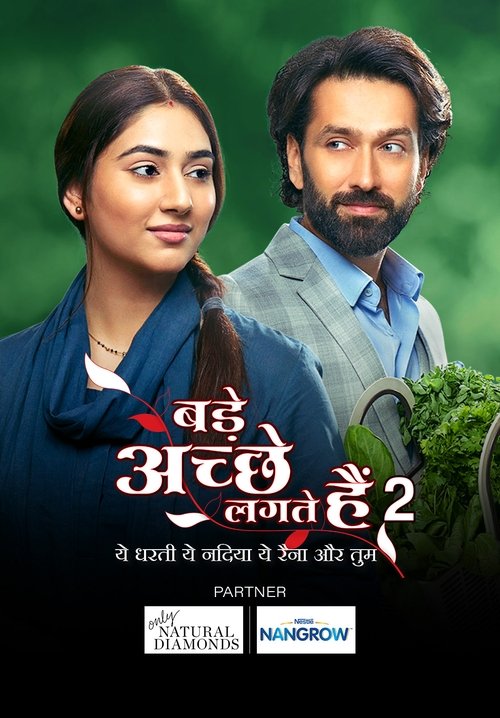
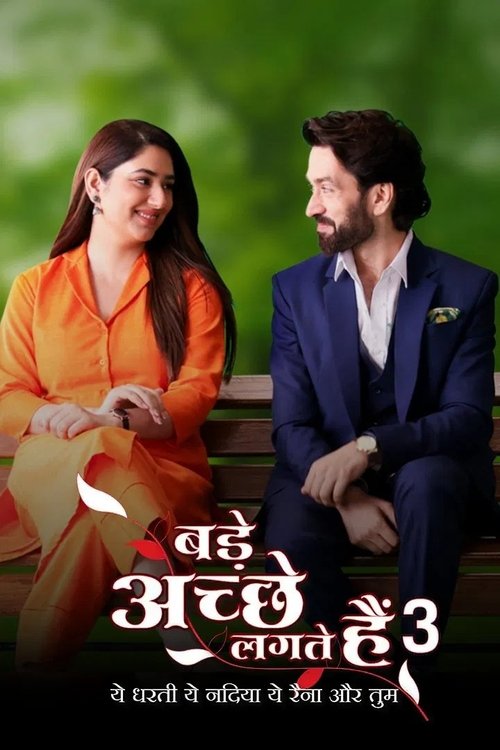
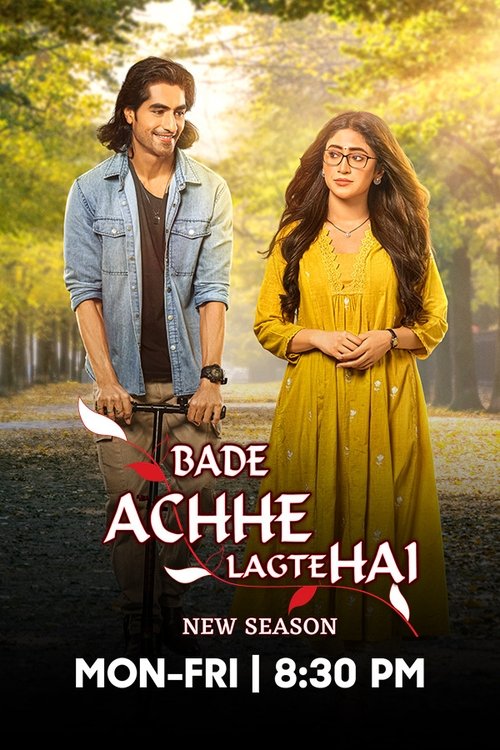
The show ended in 2014, which is worth noting. It didn’t overstay its welcome indefinitely. That decision to end while people still cared preserved the show’s legacy. Yes, there was a sequel, Bade Achhe Lagte Hai 2, which introduced new characters with their own story, but the original run concluded on its own terms.
Looking back now, Bade Achhe Lagte Hai deserves attention because it proved something worth proving: that a soap opera could be emotionally intelligent without being pretentious, that a love story could be complex without being angst-ridden, and that audiences craved the kind of storytelling where two people actually figured out how to build something real together. In a genre often defined by escalating melodrama, that’s a genuinely radical act.