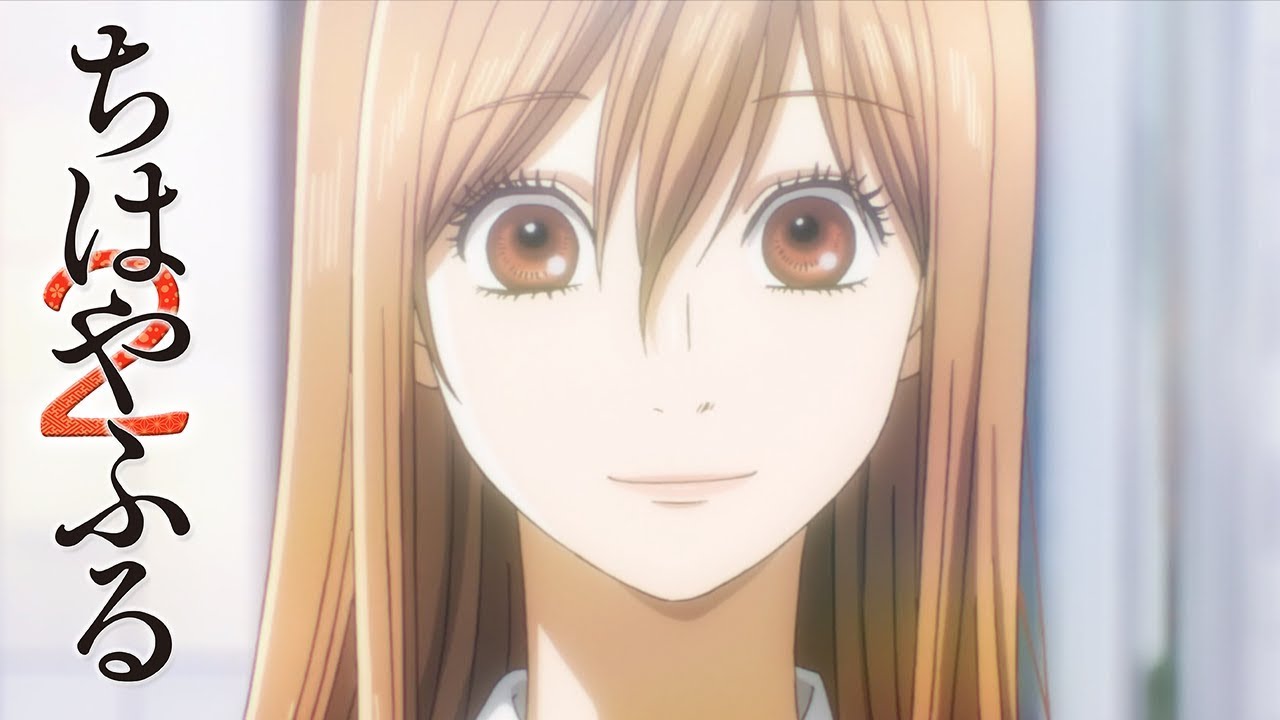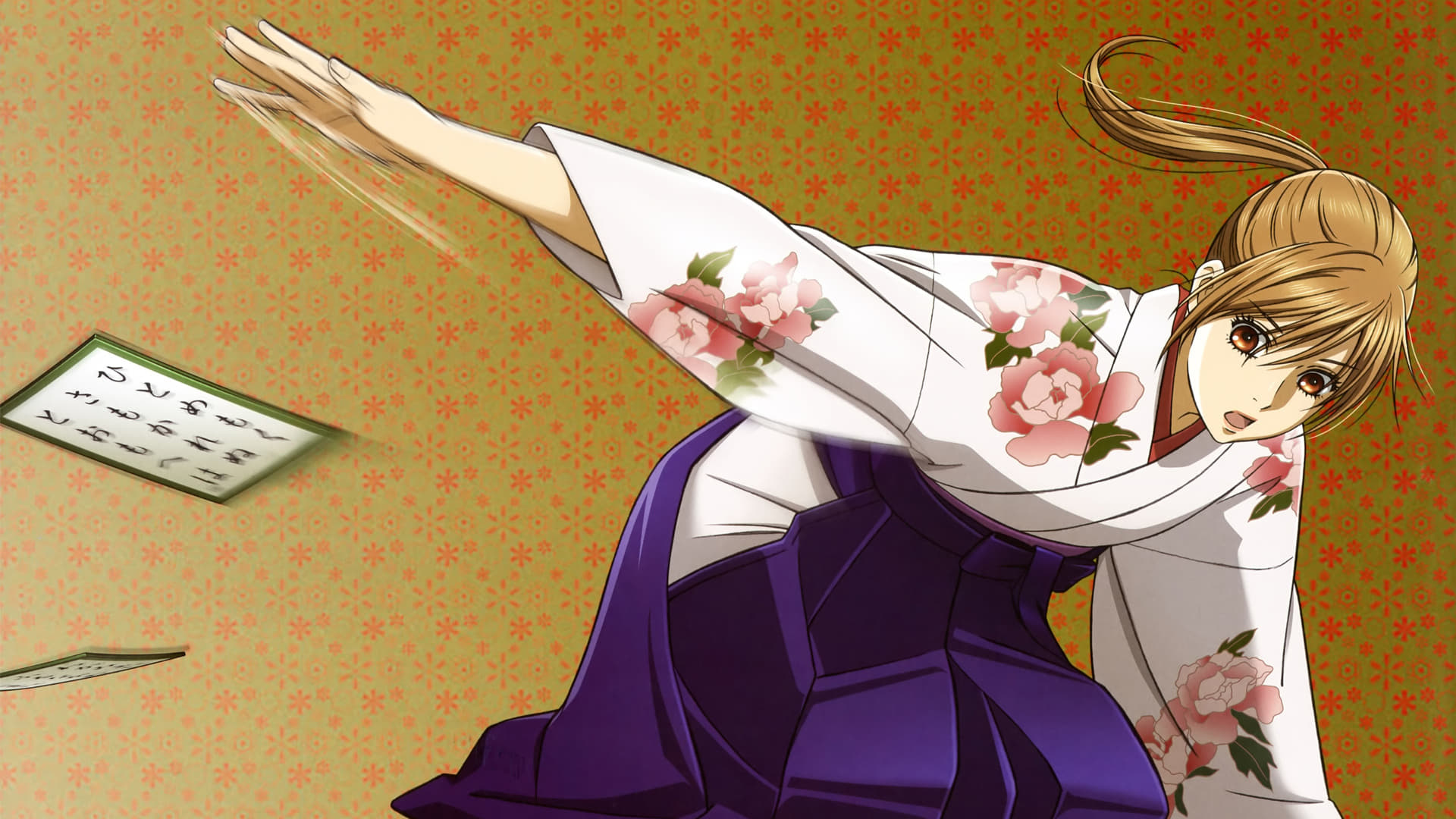
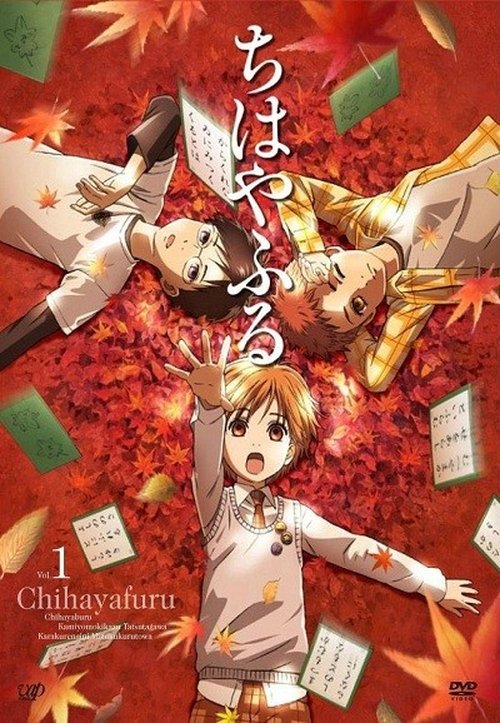
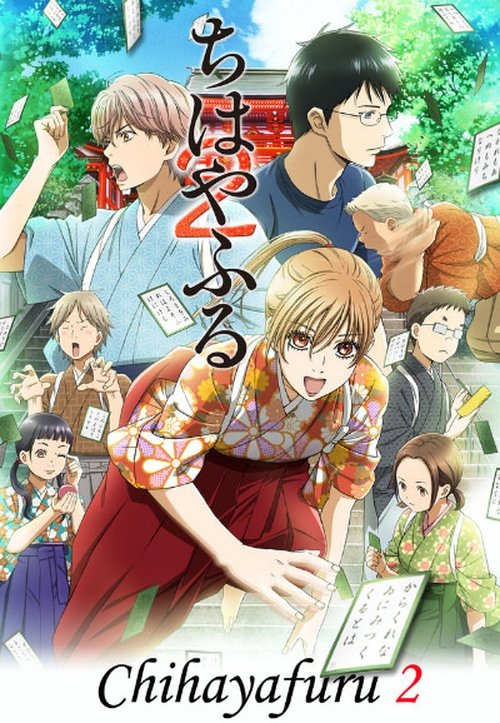
If you’ve never heard of Chihayafuru, you’re missing one of anime’s most underrated gems. This show premiered back in October 2011 on Nippon TV and built something genuinely special over its three seasons and 74 episodes—a run that managed to capture lightning in a bottle by making a centuries-old Japanese card game feel absolutely vital to television storytelling.
The premise sounds deceptively niche. Chihayafuru centers on Chihaya Ayase, a high school girl who discovers competitive karuta, a traditional game based on classical poetry. It would be easy to dismiss this as too specific, too cultural, too obscure for mainstream appeal. But that assumption misses what makes the show work: it’s not really about karuta at all. It’s about passion, friendship, and the weight of pursuing dreams when life constantly pulls you in different directions.
What makes Chihayafuru stand out is how it treats its subject matter with complete sincerity. The creators understood that the best way to make an audience care about karuta was to show why their characters care about it so deeply. The 23-minute runtime became a genuine strength here—each episode moves with purpose, balancing tournament sequences with genuine character moments that hit differently than in longer formats. There’s no filler, no time wasted explaining rules without purpose.
> The show earned a 7.6/10 rating from 59 votes, a respectable score that reflects its specific appeal rather than mainstream dominance.
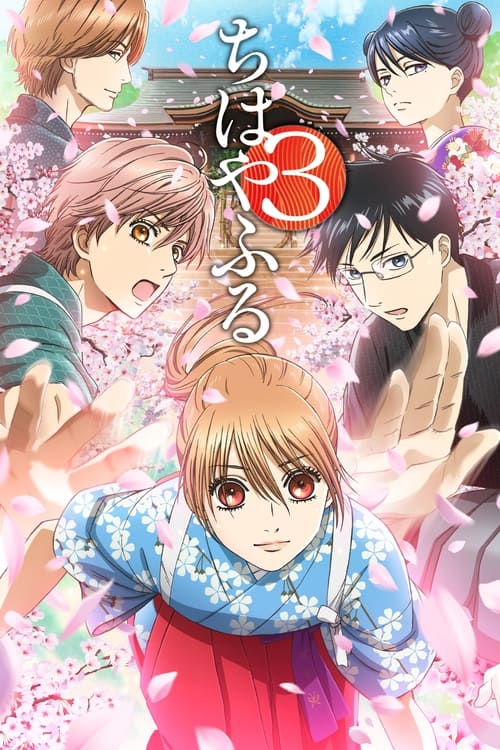
Across its 3 seasons, Chihayafuru manages something rare: it stays focused on what matters. The narrative architecture centers on Chihaya’s relationships with Arata Wataya, the boy who first showed her karuta’s beauty, and Taichi Mashima, a rival who becomes something more complicated. Rather than drag out romance beats or manufacture artificial drama, the show lets these relationships develop organically through their shared pursuit of excellence. That restraint is what separates good storytelling from great storytelling.
The cultural footprint this show left is worth examining. While it never reached mainstream anime phenomenon status in the West, Chihayafuru became the gateway that introduced countless viewers to karuta itself. Streaming platforms like Crunchyroll picked it up early, giving it global reach at a time when anime accessibility was still limited. That decision mattered—it meant people who’d never think twice about traditional Japanese culture suddenly found themselves invested in poetry cards and competitive tournaments.
What’s particularly notable is how the show influenced discussions about sports anime. Before Chihayafuru, the genre had boxing, basketball, volleyball. This show added something different: an intellectual, tradition-based pursuit where victory depended on hearing, memory, and reflexes rather than physical dominance. It proved that anime could make any competitive endeavor compelling if the character work was strong enough.
The animation approach deserves attention too. Rather than rely on flashy sequences, the show uses visual storytelling to communicate tension and emotion. Tournament matches become intense psychological duels, with subtle facial expressions and camera work conveying more than any explosion ever could. When Chihaya’s hands shake before a crucial card, you feel it. When she realizes she’s made a mistake, the silence means something.
- Season One establishes everything beautifully—Chihaya’s journey from karuta novice to competitor, the formation of her school’s team, and the emotional core that keeps viewers returning
- Season Two deepens competitive stakes while exploring what it costs to pursue excellence
- Season Three shifts focus toward more complex interpersonal dynamics as the characters mature
The show’s Ended status represents a conscious creative choice rather than cancellation. The manga source material continued, but the anime concluded at a point that felt intentional, leaving room for character growth and real change rather than spinning wheels. That’s increasingly rare in anime adaptations, which often get tangled in production issues or loss of interest.
If you’re hesitant about Chihayafuru because competitive card games sound boring, consider this: the show sold you on karuta without requiring expertise. It created a world where you genuinely cared whether Chihaya would win her matches, not because you understood all the rules, but because you understood her. That’s the difference between a competent show and one that transcends its premise. Chihayafuru does exactly that, which is why it remains worth your time more than a decade after it first aired.



![How An Anime OP Gets Made [Subtitled]](https://img.youtube.com/vi/xWaxB05X64w/maxresdefault.jpg)