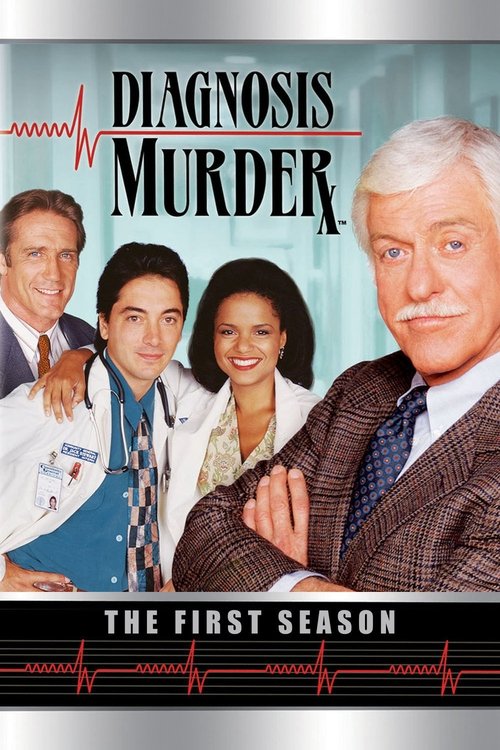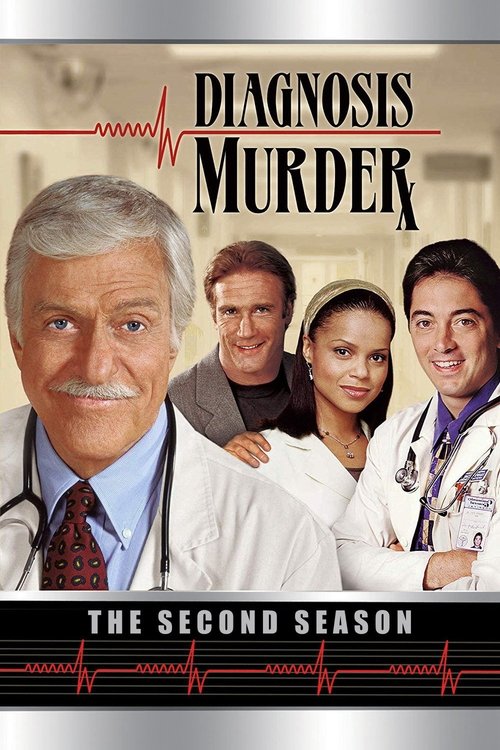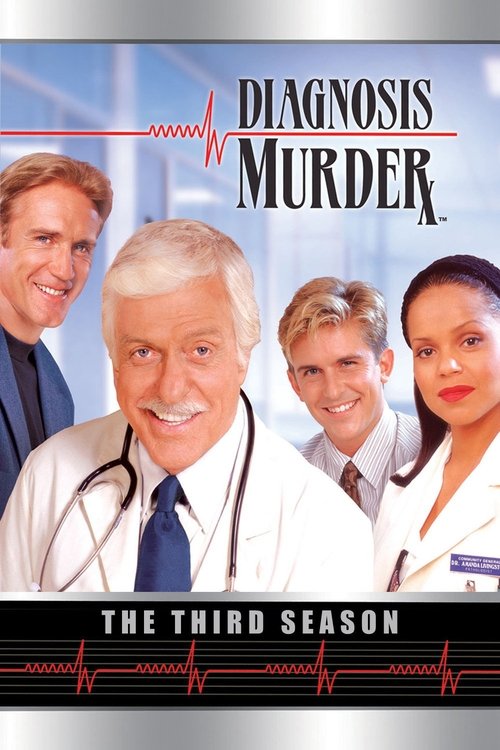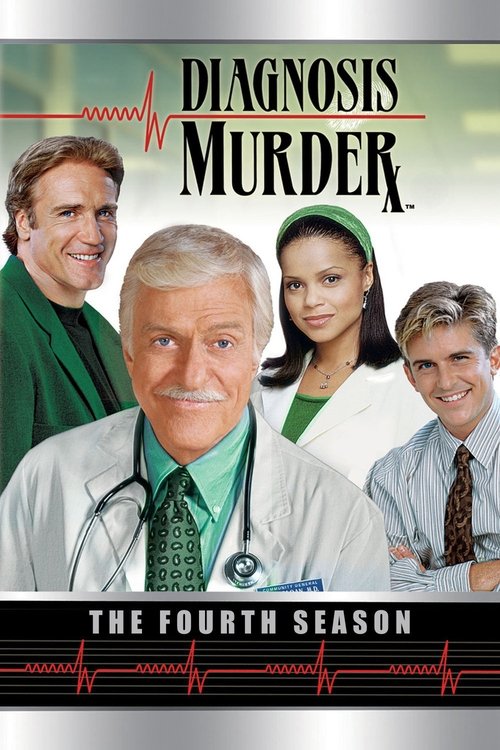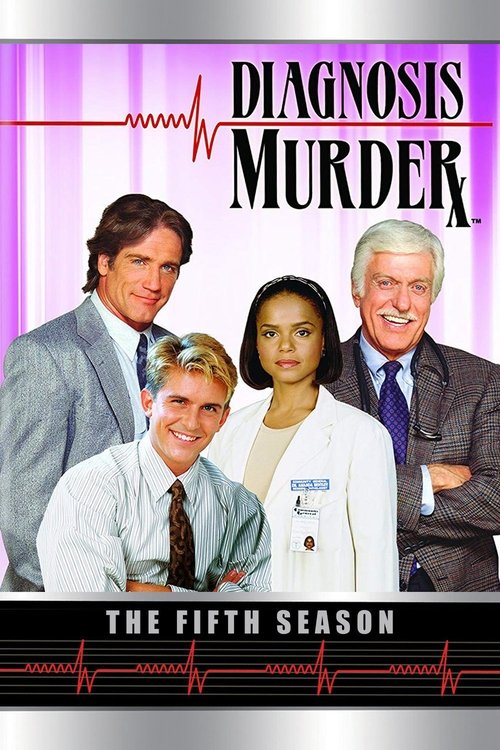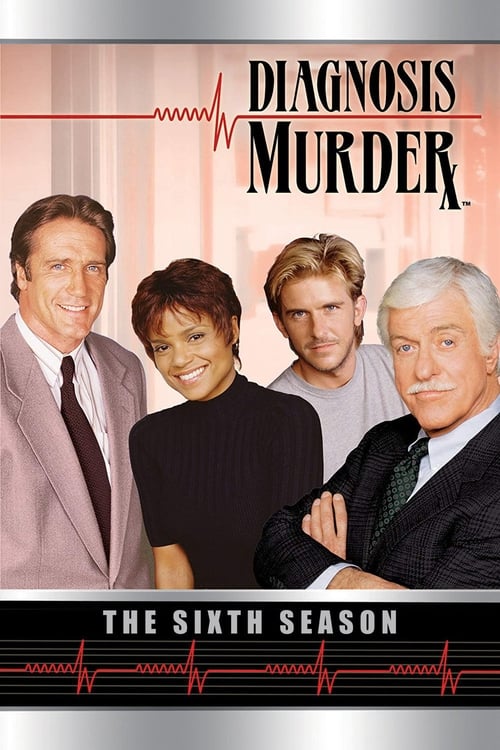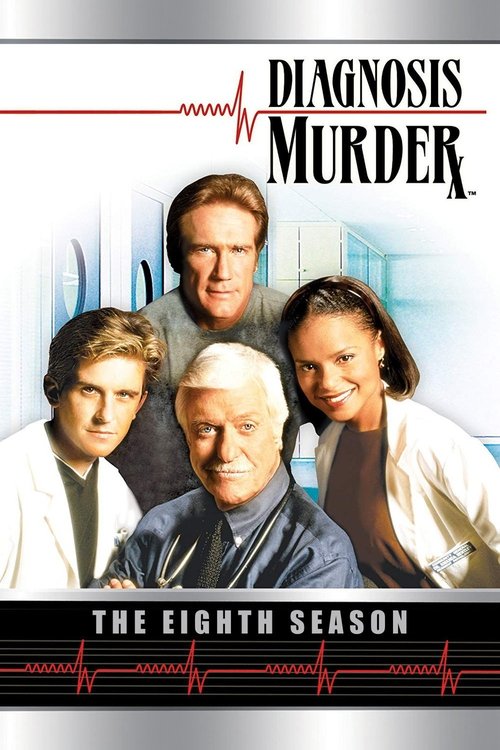
When Diagnosis: Murder premiered on October 29, 1993, it arrived as something refreshingly different—a show that understood you could mix medicine, mystery, and genuine humor without needing a gimmick to hold it together. Joyce Burditt created something that felt lived-in from episode one, and that comfort became its greatest strength. Over eight seasons and 178 episodes, the series proved that a straightforward premise, when executed well, doesn’t need constant reinvention to keep audiences watching.
The show’s central appeal is almost deceptively simple: Dr. Mark Sloan is a small-town physician with an uncanny ability to stumble onto crimes and solve them. What made this work wasn’t the mystery-of-the-week formula itself—plenty of shows had tried that—but rather how the show grounded these mysteries in genuine character dynamics. Dr. Sloan wasn’t a detective playing doctor; he was a doctor who noticed things others missed. That distinction mattered enormously. When his son Steve, a homicide detective, entered the picture, the show gained natural tension and emotional stakes that elevated it beyond pure procedural mechanics.
> The partnership between a good-natured physician and a hardworking detective created something television needed more of: warmth alongside crime-solving.
What strikes you watching Diagnosis: Murder now is how efficiently the 45-minute runtime worked for the show’s storytelling. There’s no bloat here. Each episode moves with purpose, introducing a case, developing suspects, and reaching resolution without ever feeling rushed. The structure gave writer and producer Burditt room to develop character relationships alongside plot mechanics. You cared about these people—not just whether they’d solve the crime, but how solving it would affect their relationships with each other.
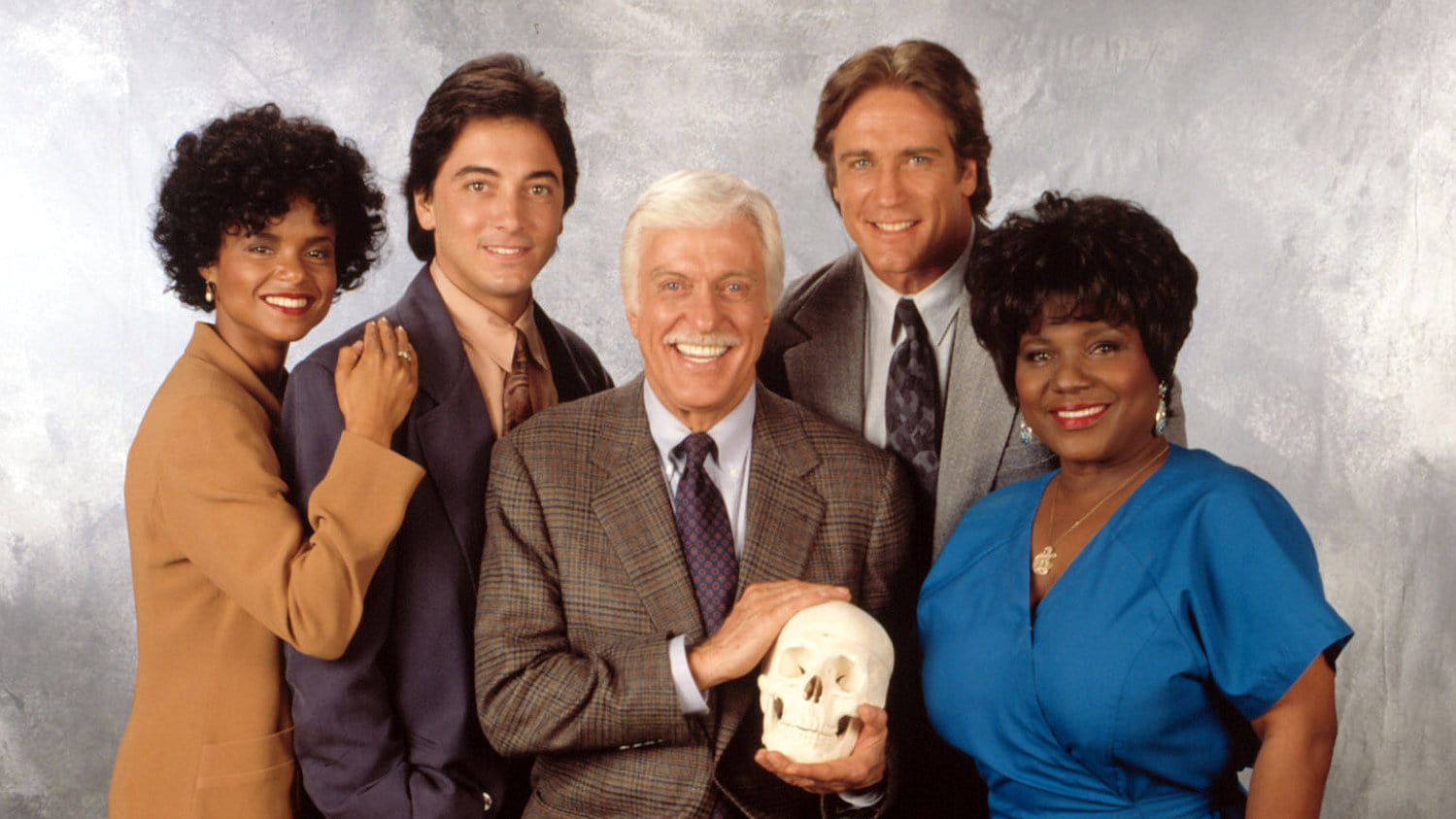
The casting deserves real credit for the show’s staying power. Dick Van Dyke brought genuine warmth and vulnerability to Dr. Sloan, avoiding the trap of making the character too clever or smug. His real-life son Barry Van Dyke, playing detective Steve Sloan, created natural chemistry that didn’t feel forced or performative. The ensemble cast around them—including Victoria Rowell as Dr. Amanda Brooks—understood the show’s tone: serious enough about the crimes to maintain tension, light enough about everything else to let audiences breathe.
Why the show endured for eight seasons speaks to something about audience taste that often gets overlooked. Not every show needs to be dark and gritty to feel substantial. Diagnosis: Murder offered mysteries that engaged your brain, characters you enjoyed spending time with, and a world that felt safe enough to return to week after week. That’s not nothing. In fact, it’s exactly what made the show sustainable for 178 episodes without jumping the shark or losing its identity.
The show earned a 7.1/10 rating from 118 votes, which might seem modest until you remember what that means: thousands of people, across decades, still rating this show. That’s not a cult following or nostalgic revisionism—that’s a show that maintained genuine appreciation from audiences who knew exactly what they were getting.
The cultural footprint of Diagnosis: Murder might be quieter than some of its contemporaries, but it’s real. This was television that understood family viewing could mean something without being condescending. You could watch it with your parents without anyone feeling talked down to. The mysteries were engaging enough for adults, the humor was clean enough for younger viewers, and the character drama gave everyone something to invest in. That’s a harder balance to strike than it sounds.
What made the show’s approach to the Drama, Mystery, Crime, and Family genres work is that these elements didn’t feel segregated. The family dynamics were part of the drama. The crimes pushed the characters to grow. The mystery-solving allowed for character moments rather than existing separate from them. This integration is something many procedurals struggle with—keeping the formula while maintaining emotional resonance. Diagnosis: Murder rarely stumbled on this front.
The show’s journey from 1993 to its end in 2001 happened during a fascinating period of television evolution. By the late 1990s, the industry was shifting toward edgier, darker programming. That Diagnosis: Murder not only survived but thrived during this transition says something about its fundamental appeal. It didn’t try to be something it wasn’t. It stayed true to Burditt’s vision of a warm, intelligent show about a doctor who solves crimes, and audiences rewarded that consistency.
Looking at Diagnosis: Murder now, available on Philo for anyone wanting to revisit it, the show holds up remarkably well. The mysteries are still engaging. The character dynamics still feel genuine. The chemistry between the leads still crackles. What might have seemed like a modest concept—a doctor solving crimes alongside his detective son—reveals itself to be something more considered and carefully crafted than that elevator pitch suggests.
For anyone who appreciates television that knows what it is and commits fully to that vision, Diagnosis: Murder deserves your attention. It’s not a show that demands you overthink it or hunt for hidden meanings. It’s simply good, solid storytelling executed by people who understood their characters and trusted their audience. In an era when television often feels obligated to be either prestige-drama serious or disposable-entertainment light, that kind of confidence in straightforward quality becomes genuinely worth celebrating.