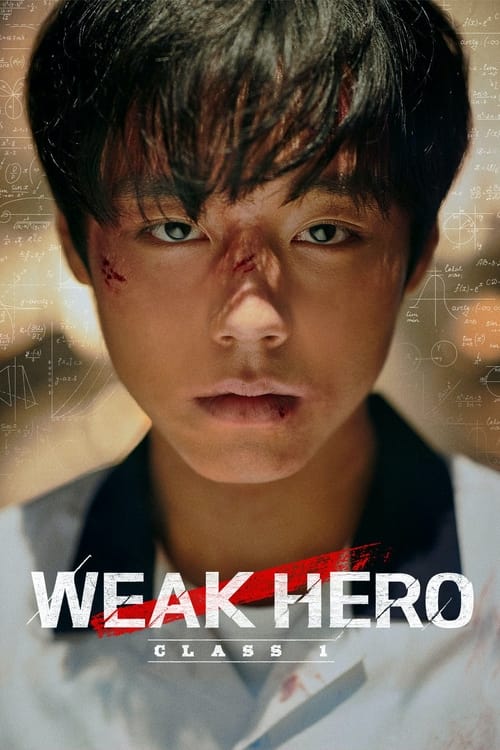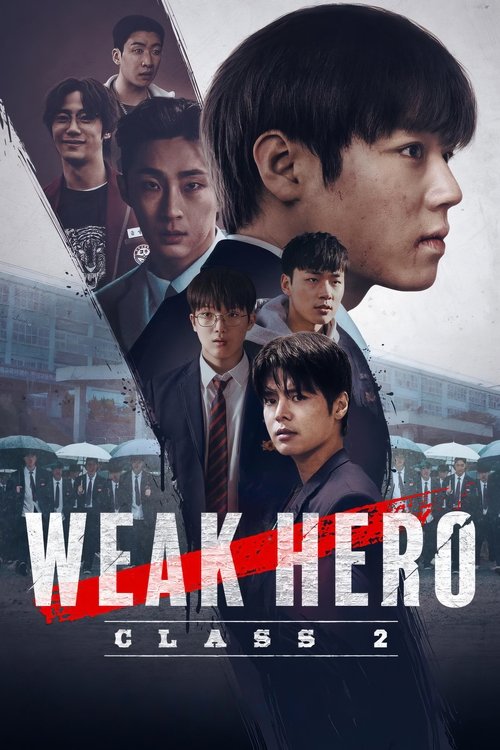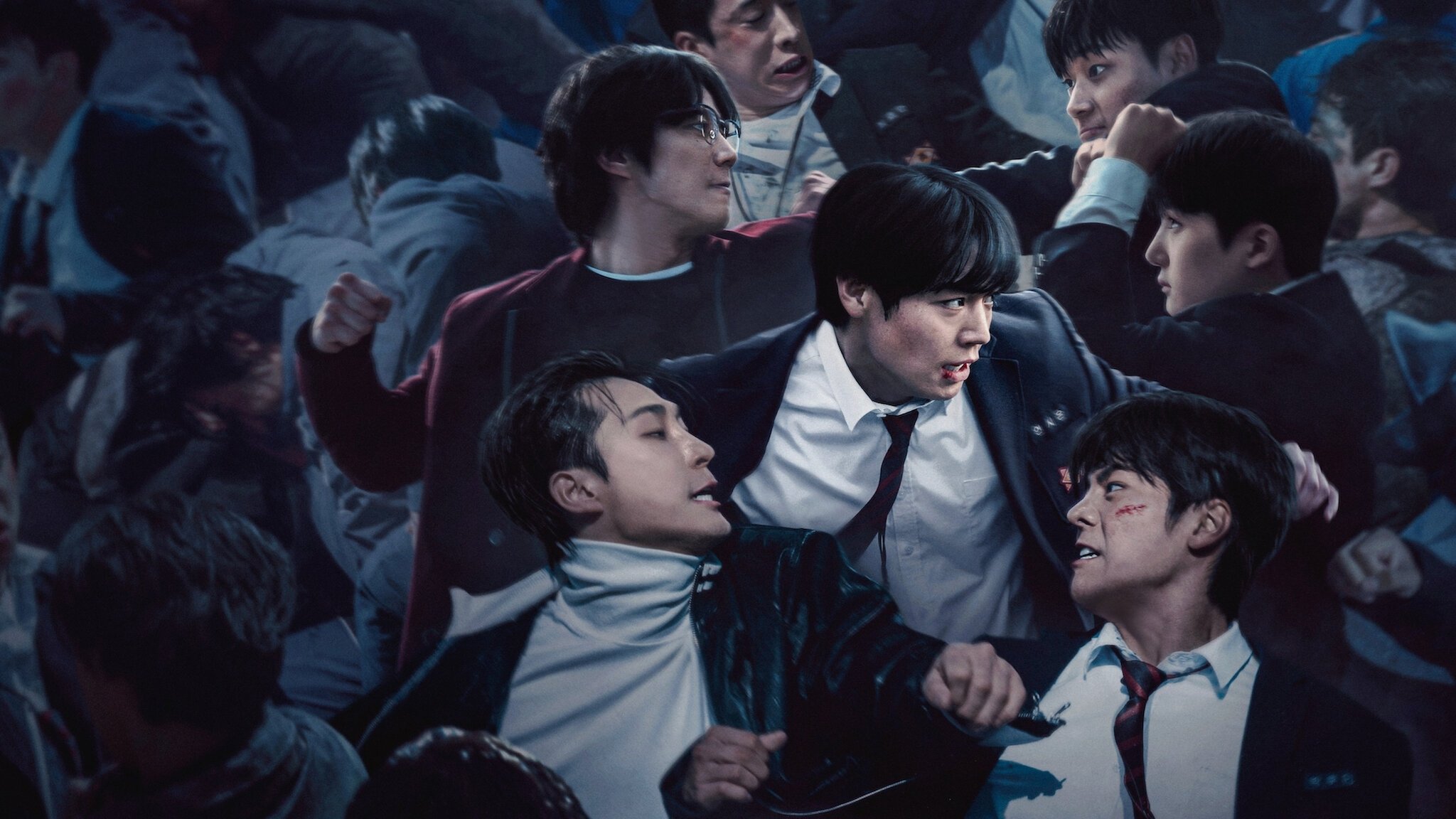
If you haven’t watched Weak Hero yet, you’re missing one of the most refreshingly honest takes on the school action genre to emerge in recent years. The show, which debuted in November 2022, didn’t arrive with massive fanfare, but it’s built something genuinely rare: a two-season run spanning 16 episodes that maintains both intelligence and intensity without ever feeling like it’s trying too hard to impress you.
What makes Weak Hero stand out is its willingness to interrogate the very premise of the “strong protagonist” archetype. Directors You Su-min and Han Jun-hee created something that looks like a standard high school action drama on the surface—a gifted but introverted student confronting bullies and violent foes—but operates on a completely different level underneath. The show is genuinely interested in why violence exists in these spaces, what desperation looks like in a school setting, and how a protagonist survives not through sudden revelations of hidden power, but through relationships, strategy, and sometimes just dumb luck.
The 41-minute runtime proved crucial to this approach. That’s a sweet spot for television storytelling—long enough to develop genuine character moments, short enough to maintain narrative momentum. You Su-min and Han Jun-hee used that space brilliantly, weaving action sequences with quiet scenes of characters processing trauma or forming fragile alliances. The show never feels bloated or self-indulgent because it respects that runtime constraint.
> The core appeal is simple: watching someone genuinely vulnerable navigate a violent world and actually feel the consequences of that violence.
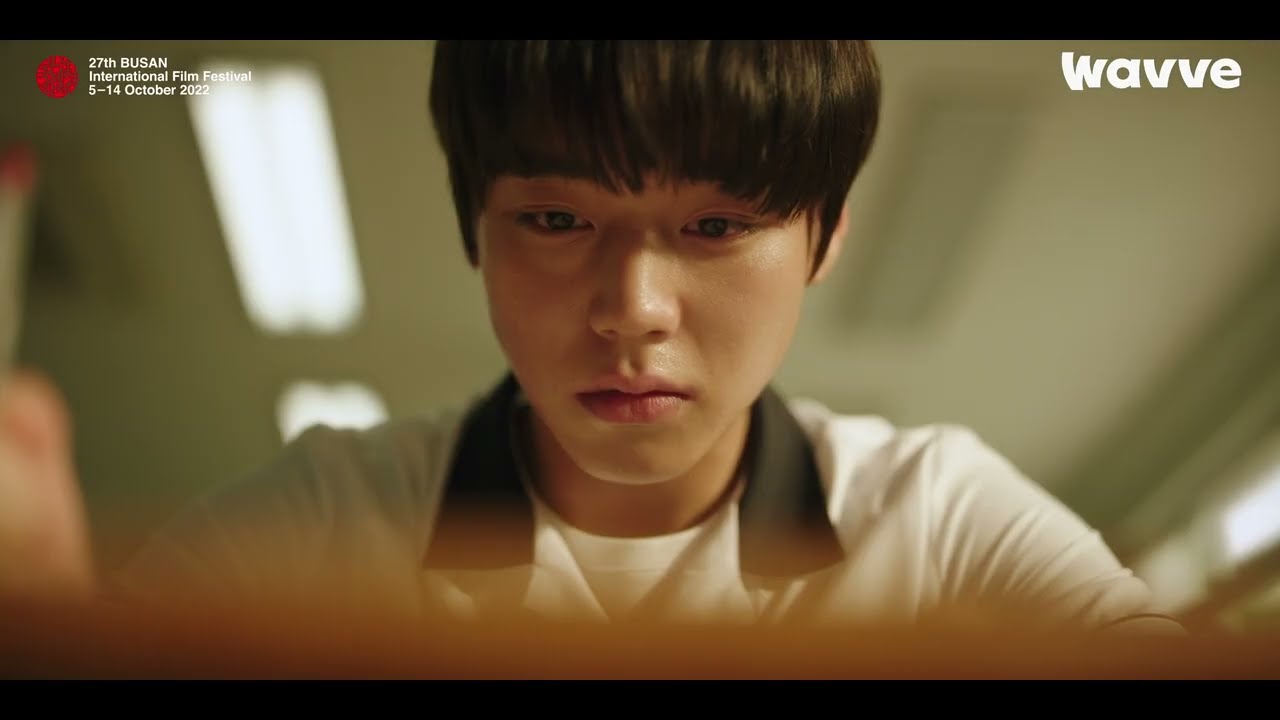
The cast, anchored by Park Ji-hoon’s portrayal of Gray Yeon, understood this assignment completely. Rather than playing a hero with hidden depths waiting to be unlocked, Yeon is someone who gets hurt, bleeds, struggles with PTSD, and builds his resistance through unconventional friendships—particularly with Choi Hyun-wook’s Ahn Soo-ho. These relationships form the actual spine of the narrative, not subplots. When you watch them develop trust or laugh together between confrontations, it matters because the show has earned that emotional weight.
The action itself deserves specific mention because it’s staged with genuine spatial awareness. These aren’t fantasy fights—they’re brutal, sometimes awkward, and frequently end with people recovering in hospitals rather than walking them off. The fight choreography reflects the show’s central thesis: violence is consequential, messy, and doesn’t make you special.
What audiences responded to was that honesty. The show earned a 8.6/10 rating from viewers who appreciated it wasn’t talking down to them or pretending that trauma doesn’t matter. The Korean television landscape had plenty of high school action dramas, but few that treated the emotional cost of violence with such seriousness. Weak Hero became a conversation piece because it asked questions people actually wanted to explore: What does it mean to be vulnerable? How do you survive when you’re not the strongest? What obligations do you have to people around you?
The cultural footprint expanded beyond just streaming numbers. The show sparked real discussions about masculinity and strength in ways that action dramas often avoid. Social media filled with people debating character decisions, rewatching fight scenes, and discussing how the show’s portrayal of trauma compared to other Korean dramas. It wasn’t universal love—some viewers wanted broader scope or faster plotting—but it was genuine engagement.
Key elements that shaped the show’s identity:
- The decision to make the protagonist’s “weakness” permanent rather than a temporary obstacle
- Treating school violence as a manifestation of systemic problems rather than individual moral failures
- Balancing dark content with genuine moments of humor and warmth
- Using the ensemble cast to explore how different people process the same violent environment
The series continues as a returning series, which speaks to something: audiences want more of this. They want television that trusts them to handle complexity, that doesn’t rush toward redemption arcs or easy answers, and that remembers that character development matters as much as plot momentum. In a landscape crowded with increasingly elaborate action spectacles, Weak Hero chose restraint and specificity instead.
If you’re looking for something that respects both the action genre and dramatic storytelling, something that doesn’t require you to check your brain at the door but also delivers genuine thrills, this is where you should be looking. The show understands that the most powerful stories aren’t always about the strongest people—they’re about people who refuse to be broken by circumstances designed to break them.