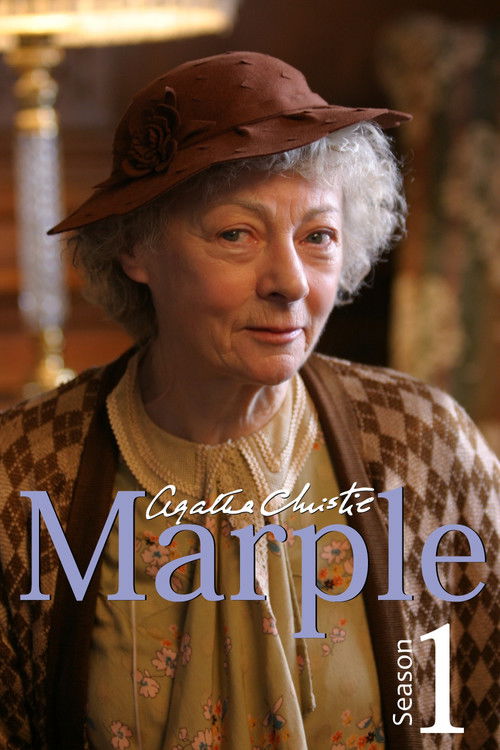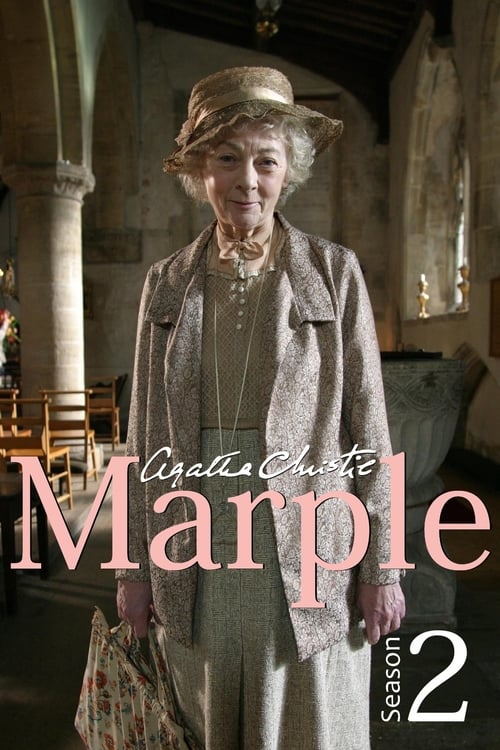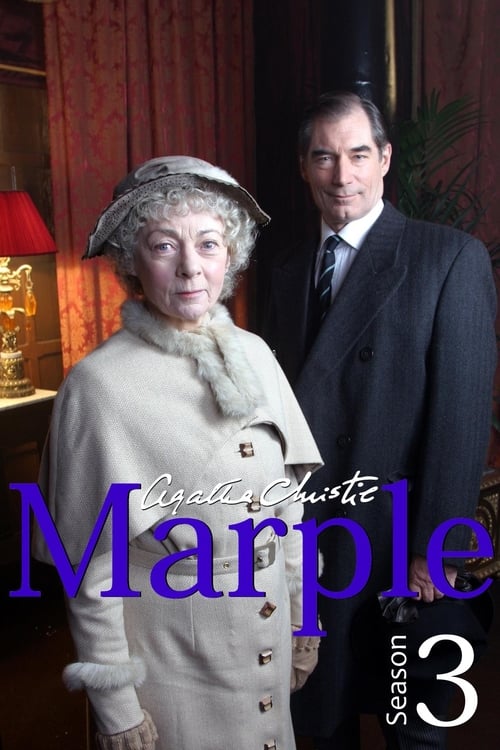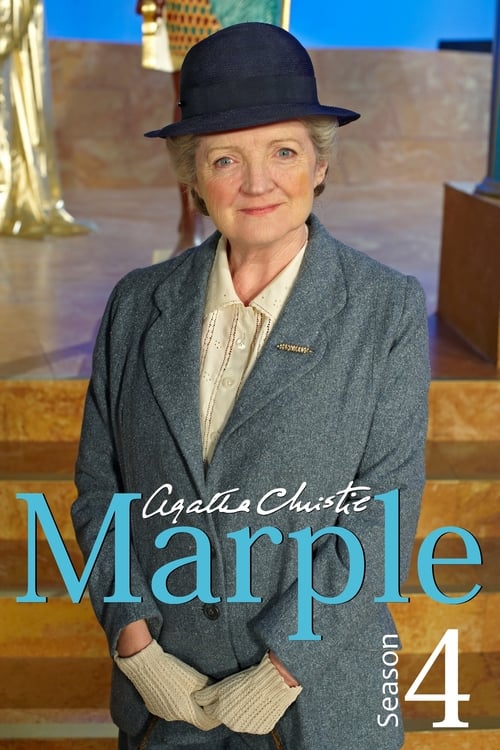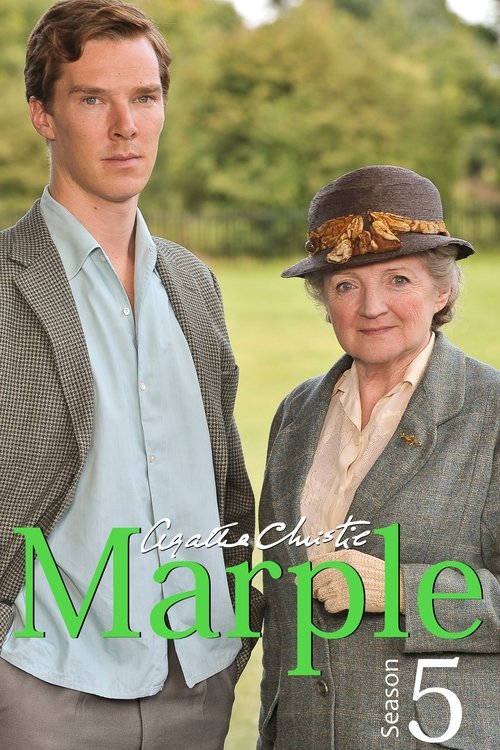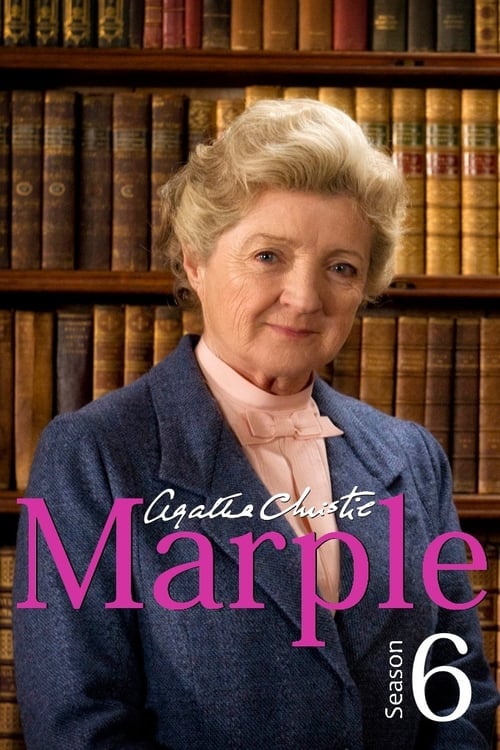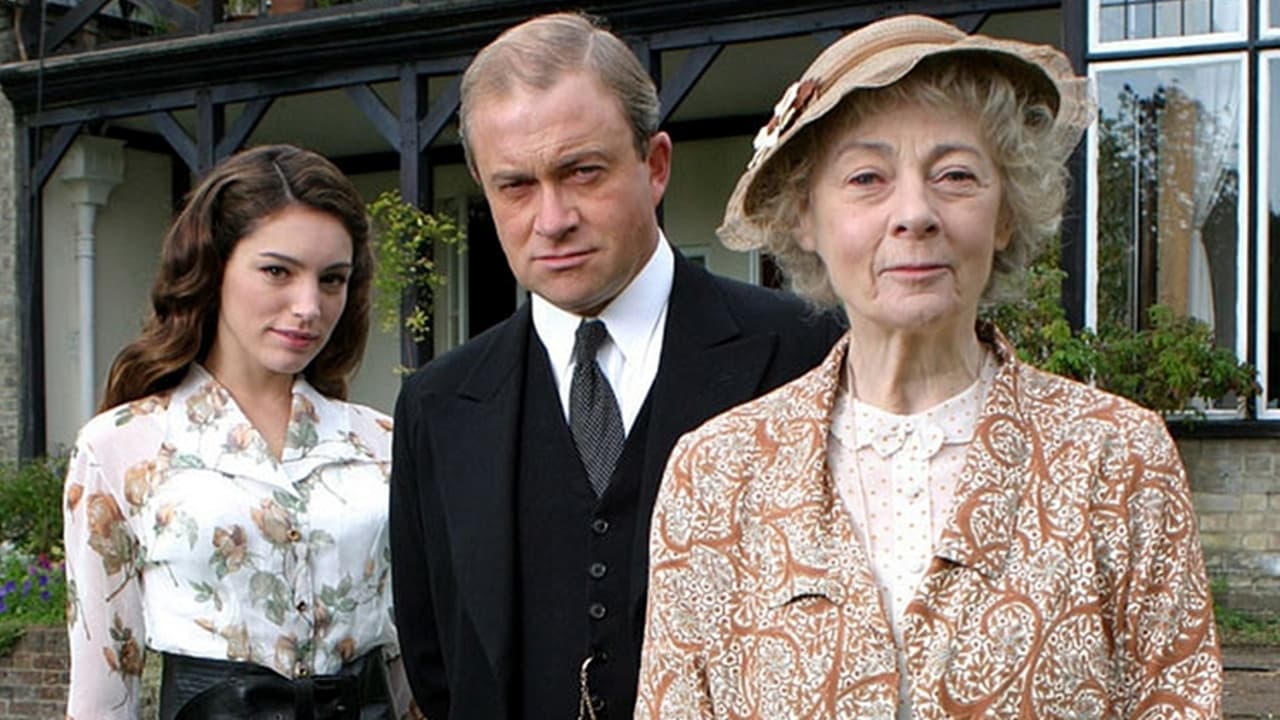
When Agatha Christie’s Marple premiered in December 2004, it arrived at a moment when television was hungry for intelligent crime drama. British television had already proven it could do sophisticated mystery storytelling, but this adaptation found something special in Dame Agatha Christie’s elderly detective—a character who could be underestimated, overlooked, and therefore absolutely lethal to criminals who crossed her path. The show ran for six seasons across 23 episodes before concluding, earning a solid 7.8/10 rating from 136 viewers, proving that audiences hadn’t tired of Miss Marple’s particular brand of village wisdom applied to brutal murders.
What made this series stand out wasn’t just fidelity to Christie’s source material, though that mattered. The real achievement was understanding that Miss Marple’s power comes from her perceived harmlessness. She’s an elderly woman who knits, visits friends, and observes human nature with the precision of a naturalist studying insects. That’s precisely why police officers found her exasperating—and why she was so often right. Each 88-minute episode had room to breathe, to develop the puzzle and the psychology behind it. This wasn’t compressed crime procedural; it was patient storytelling that trusted viewers to stay engaged.
The casting choices elevated everything. The lead performance brought intelligence and warmth to Miss Marple without ever winking at the audience about how clever she was being. She simply was clever, the way some people are tall or musical. This grounded quality meant the murders themselves could be genuinely dark. The show didn’t soften Christie’s material just because it was adapted for television. When violence happened, it mattered. When Miss Marple pieced together a crime, you understood the intellectual journey she’d taken to get there.
> The show’s real strength was its willingness to treat its protagonist seriously while acknowledging that nobody else would.
Over its run, the series adapted material from Christie’s Miss Marple novels, short stories, and even novels that didn’t originally feature the character at all. This flexibility meant the show could explore different settings, social classes, and types of crime without falling into repetition. One episode might be a locked-room mystery; another would be a sprawling drama about inheritance and resentment across generations.
What this show understood about television mystery:
- The power of an unreliable protagonist. Miss Marple’s observations seemed quaint until they unmask real evil
- The importance of setting. St Mary Mead and the villages beyond it weren’t just backdrops—they were characters themselves, with their own hierarchies and secrets
- The difference between plot and character. The mystery mattered, but understanding why someone committed murder mattered more
- That audiences could handle complexity. You didn’t need to explain every connection; smart viewers would follow
The cultural impact was quieter than splashier crime dramas, but no less real. The show reminded television that you could do serious mystery work without procedural formulas or graphic violence. You could trust your audience and your source material. When streaming services began acquiring the series—finding homes on BritBox, Acorn TV, PBS Masterpiece, and Apple TV—it suggested the stories had enduring appeal. People kept discovering Miss Marple, kept being drawn into her world.
By the time the series concluded its run, it had proven something important: there was an audience for intelligent, character-driven mystery that didn’t rush. In an era of increasingly compressed television, Agatha Christie’s Marple took its time. It let scenes breathe. It let you understand the village gossip and social tensions that drove someone to murder. And it let an elderly woman who liked gardening and knitting be the smartest person in every room.
That’s not just good television. That’s television that understands its own medium—using time and character development and the small screen’s intimacy to do something that couldn’t work quite the same way anywhere else. Miss Marple looking directly at you, seeing through you, understanding what you’ve done wrong—that’s a power that only works in this form, in this time, with this character. The show knew that, and it exploited it brilliantly.