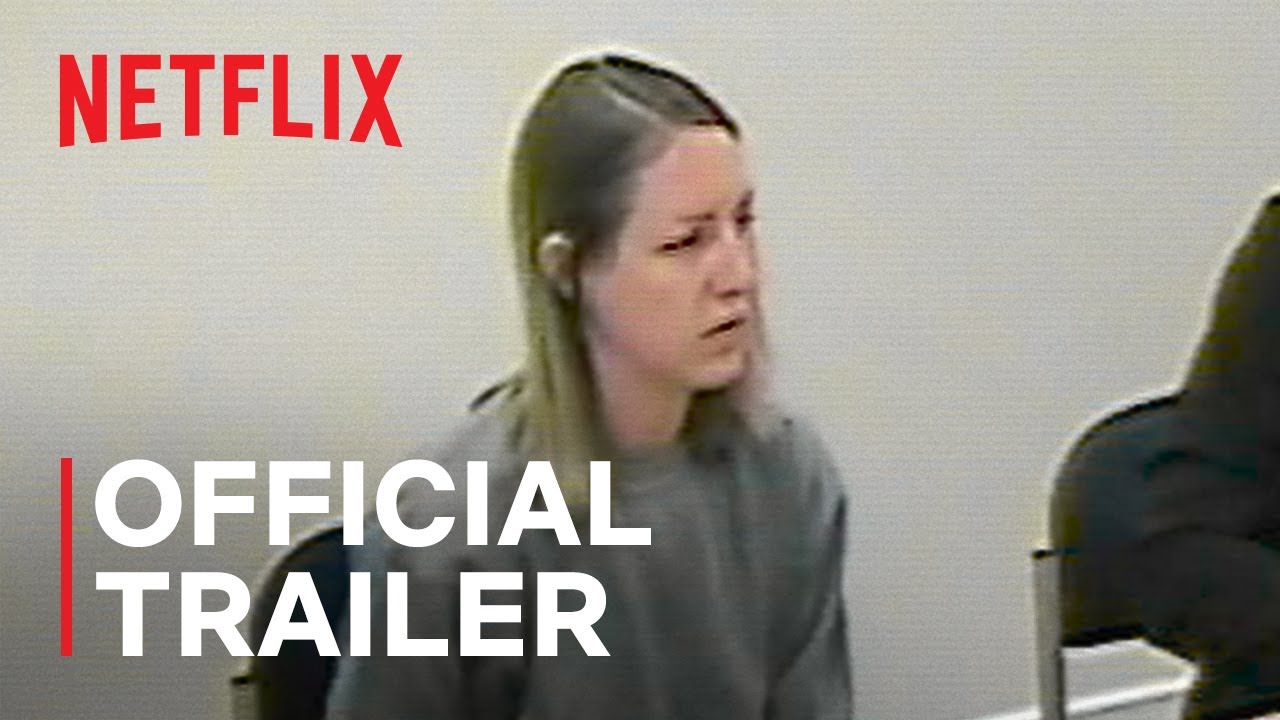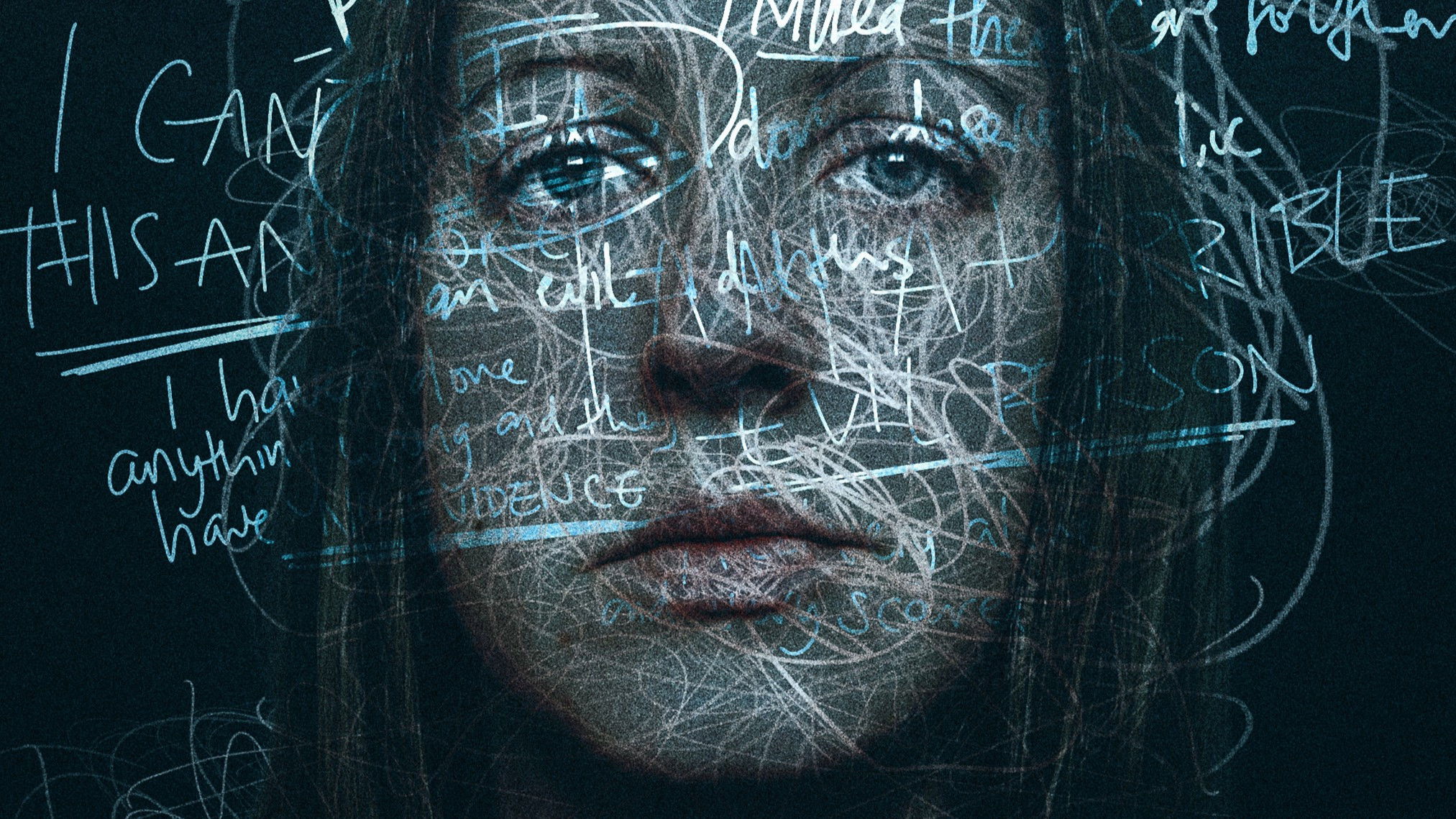
When The Investigation of Lucy Letby premiered in early February 2026, it arrived into a crowded documentary landscape. This wasn’t the first film to examine the case of the neonatal nurse convicted of murdering seven infants and attempting to murder seven others at the Countess of Chester Hospital. But Dominic Sivyer’s film was released with enough fresh material and insider accounts to demand attention, even from viewers fatigued by the case’s saturation in media.
The documentary runs just 95 minutes minutes, which might seem brief for a story this complex. That constraint actually works in its favor. Sivyer doesn’t get lost in endless recreations or speculative tangents—he moves with purpose through the evidence, the investigations, and the deeply troubling questions that persist even after conviction. The film sits at 8.0/10 based on 3 votes, which reflects the kind of mixed response you’d expect from a project tackling such a divisive case.
What makes this film significant is how it positions itself differently from the sensationalism that often defines true crime documentaries. Rather than treating the case as entertainment, Sivyer examines the investigative process itself—the assumptions made, the evidence interpreted, and crucially, the moments of doubt that emerged even from those who built the prosecution’s case. This approach matters because it acknowledges something uncomfortable: certainty in these cases isn’t always as clean as convictions suggest.
The inclusion of previously unseen footage and unheard accounts from insiders gives the film weight. These aren’t rehashed interview clips from news broadcasts. This is new material that adds dimensions to a story people thought they already understood. Viewers got a glimpse of something the public hadn’t seen before—expert voices admitting their own research might have been misinterpreted or misapplied during the investigation.
Sivyer’s creative vision here is restrained rather than flashy:
- He lets uncomfortable silences breathe instead of filling them with dramatic music
- He presents competing narratives without editorializing which deserves belief
- He privileges clarity over emotional manipulation
- He trusts the audience to wrestle with moral complexity rather than spelling it out
Lucy Letby’s participation in the documentary was always going to be the elephant in the room. A convicted murderer telling her own story invites skepticism—rightfully so. But Sivyer handles this tension rather than ignoring it. The film doesn’t become a platform for her defense, nor does it exploit her presence for ratings. Instead, it uses her testimony as one voice among many, one perspective that must be weighed against evidence, expert opinions, and other accounts.
The broader cultural impact of this film extends beyond box office numbers (which remain undisclosed). What matters is how it’s being discussed in medical circles, in journalism schools, and among people thinking seriously about how we investigate crimes, convict people, and live with the outcomes. The Guardian and other publications didn’t dismiss the film—they examined its claims and its methodology with genuine scrutiny.
There’s a difference between a documentary that’s famous and one that matters. The Investigation of Lucy Letby is positioned as the latter. It came out at a moment when the case could have calcified into simple narrative—guilty nurse, dead babies, case closed. Instead, Sivyer reopened certain questions, not to exonerate or condemn, but to understand how systems work (and sometimes fail) when investigating the unthinkable.
> The film asks audiences to sit with discomfort. There are no easy answers here, and that’s exactly the point.
The documentary won’t be the last word on this case. Given how much the story has already been told, it couldn’t be. But it’s the one that takes a step back from the sensationalism and examines the machinery underneath—the science, the assumptions, the human beings making decisions with incomplete information. That intellectual honesty is what will keep people returning to this film long after the media cycle moves on.
In the landscape of true crime documentaries, especially those released in 2026, this one stands apart not because it answers all questions but because it asks better ones. Sivyer crafted something that respects both the gravity of the crimes and the complexity of investigation. That balance is rare, and it’s why this film will be remembered as more than just another documentary about a famous case.