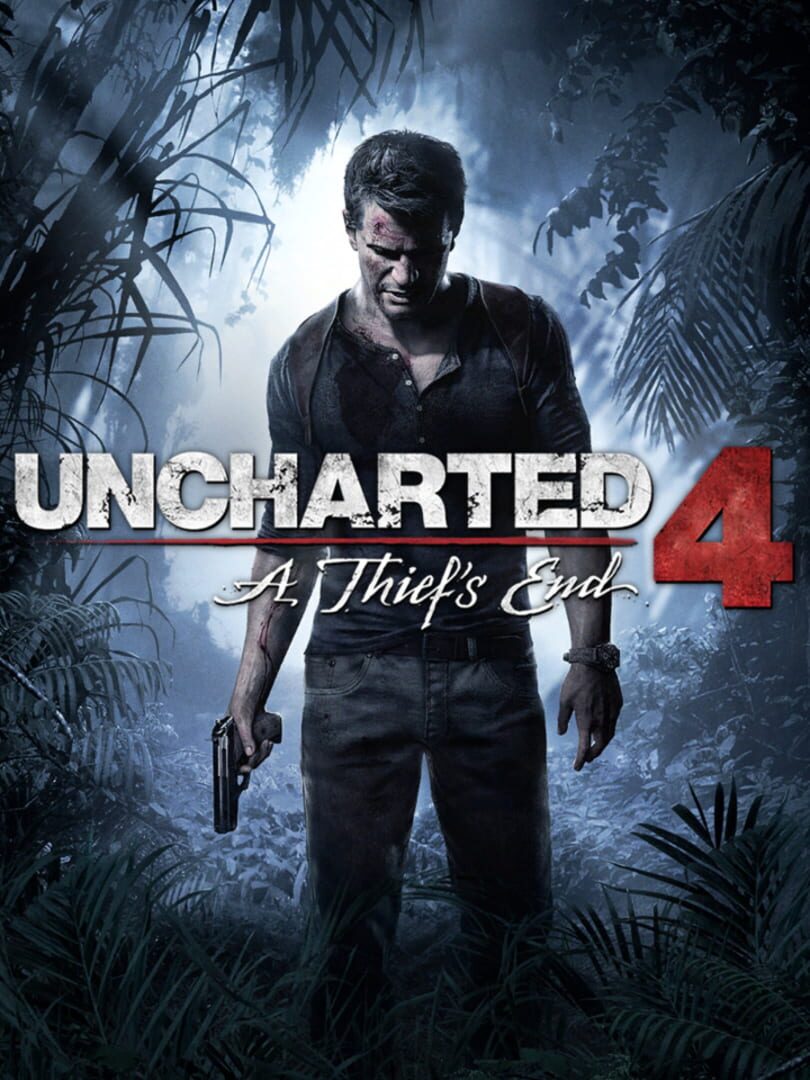
When Uncharted 4: A Thief’s End launched on May 10, 2016, it arrived as something of a final statement. Nathan Drake’s swan song came packaged with the kind of expectation that only comes when a franchise has already defined itself across three previous entries. What Naughty Dog delivered wasn’t just a good game—it was a recalibration of what players should expect from adventure games on PlayStation 4, one that proved the studio could evolve its formula without losing what made the series special in the first place.
The context matters here. The Uncharted games had always lived in an interesting space between cinema and interactive entertainment. They were action-adventure games that didn’t shy away from spectacle, but they also wanted to tell a story with actual weight. By 2016, that balance was harder to strike. Video game narratives had become more sophisticated, and audiences had seen enough setpiece-heavy blockbusters to know when they were being manipulated versus genuinely moved. Uncharted 4 took a risk by leaning deeper into the personal stakes of Drake’s retirement, the wear of a life spent chasing fortune, and what it costs to be pulled back into that world for one final job.
The game earned a /10 rating that reflected something audiences already understood: this was a polished, intentional piece of work. That score matters because it came during a period when critical consensus could still shift wildly. Uncharted 4 didn’t just receive praise—it received sustained, substantial praise. By the end of 2016, the game had sold 8.7 million copies, making it clear that players weren’t just reviewing it positively on the internet. They were buying it, playing it, and talking about it.
What made the actual gameplay significant was how Naughty Dog approached the Shooter and Adventure genres:
-
Combat felt weighty and deliberate. Gunplay was responsive but had consequences—you couldn’t just spray bullets. Cover mattered, positioning mattered, and encounters required real tactical thinking.
-
Exploration mixed environmental puzzle-solving with discovery. Rather than feeding you objectives constantly, the game allowed quiet moments where you were genuinely exploring a space, finding clues, and piecing together the conspiracy at the heart of the story.
-
Climbing and movement evolved the series’ traversal. The rope mechanics and new climbing tools made navigation feel fresh while maintaining that signature Uncharted flow.
-
Setpieces served the story, not the reverse. This is the distinction that separated Uncharted 4 from generic blockbuster fatigue. The massive action sequences weren’t there to distract—they illustrated character moments and relationships.
The narrative focus was controversial in some circles. Some players felt the game leaned too heavily into cutscenes at the expense of gameplay, and that’s not entirely unfair criticism. But what those sequences did was establish stakes that actually landed. Nathan Drake isn’t a faceless action hero—he’s a man wrestling with regret, responsibility, and the pull of an addiction disguised as adventure. His brother Sam, presumed dead, returns with a problem that forces Drake back into his old life. The emotional core of the game is whether Drake can choose the people he loves over the siren call of a mystery.
> The game’s greatest achievement might be that it trusted its audience to care about character development in a shooter. Not everyone was convinced, but enough people were moved by it to make the game resonate.
This is where the creative achievement becomes clear. Sony Interactive Entertainment and Naughty Dog took an established franchise at the height of its power and doubled down on something risky: they made the story more important than the action. That’s the opposite direction from where many franchises were heading. The studio had proven they could do this with The Last of Us, which became one of gaming’s most discussed narratives. Now they did it again, with different themes and a different approach.
The game’s influence rippled through the industry in ways that are still visible today. It demonstrated that blockbuster games could be introspective, that action games could slow down and breathe, that player agency could exist within a tightly scripted narrative if the writing and character work were strong enough. It wasn’t a revolution—the Uncharted series had always leaned this way—but it was a full commitment to that direction at a moment when many developers were uncertain about where player patience lay.
The legacy extends beyond the main game itself. The success of Uncharted 4 meant that Naughty Dog could greenlight Uncharted: The Lost Legacy, a standalone expansion released the following August that shifted focus to Chloe Frazer and Nadine Ross. It wasn’t just a side project—it was a full continuation that respected the universe and its characters. The studio’s confidence in the franchise’s storytelling capabilities meant they could experiment with new protagonists and still deliver something that felt essential.
Was Uncharted 4 perfect? No. The pacing issues some players mentioned are real—there are stretches where the game asks you to watch more than play. Some of the later-game encounters feel less inventive than the mid-game setpieces. But these are quibbles with a game that understood what it was trying to do and executed on that vision with remarkable clarity.
What endures about Uncharted 4 is the sense that it was made by a studio at the top of its craft, confident in its voice, and willing to stake its reputation on emotional resonance. It took the Shooter and Adventure genres and asked what they could hold if you trusted the narrative completely. The answer, for millions of players, was: quite a lot.


