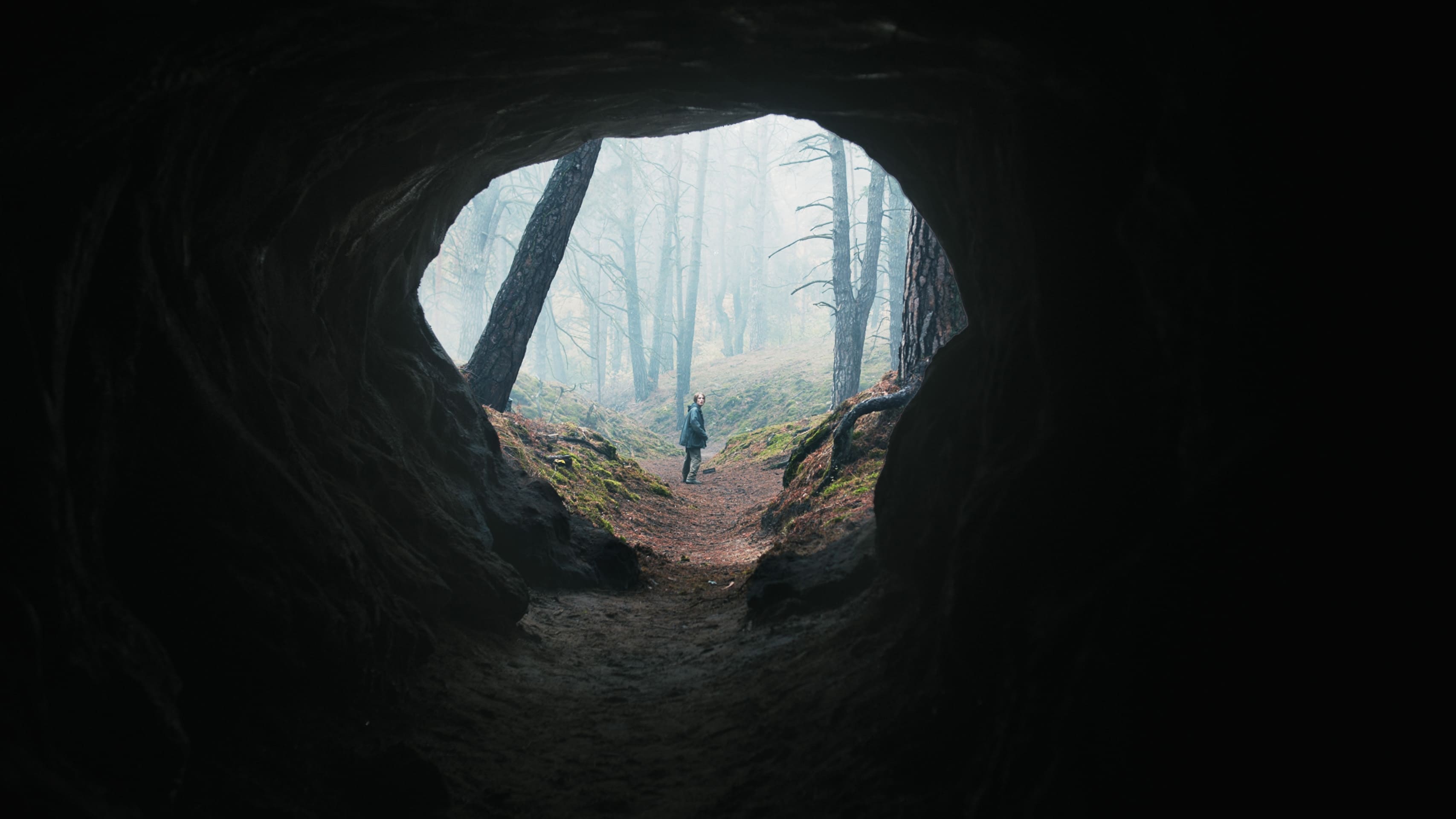
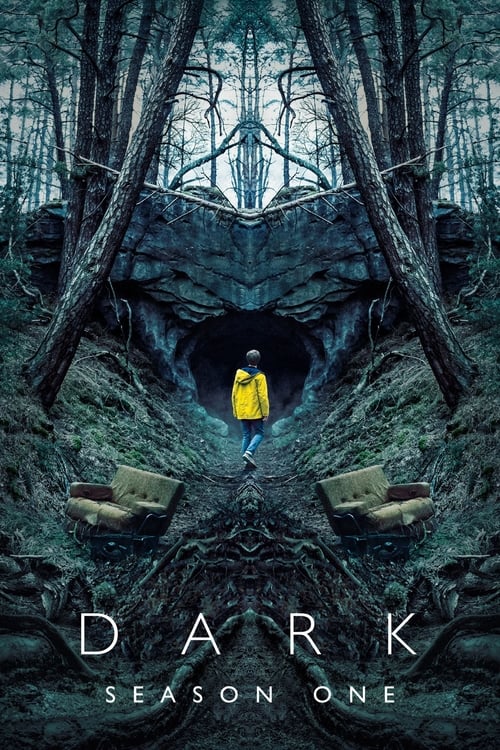
When Dark premiered on Netflix in December 2017, it arrived quietly—no massive marketing blitz, no A-list names attached. Just a German crime drama about a missing boy in a small town. Within weeks, viewers discovered something rare: a show that treated its audience’s intelligence as a given and rewarded obsessive attention with genuinely astonishing payoffs. Over three seasons and 26 episodes, creators Baran bo Odar and Jantje Friese built something that transcended typical prestige television, earning a 8.4/10 rating that reflects not just critical appreciation but genuine audience investment in their vision.
What made Dark different was its refusal to play it safe. This wasn’t a show interested in easy answers or contained storytelling. The premise—a child’s disappearance unraveling mysteries across three generations—sounds like standard prestige crime drama territory. But Odar and Friese immediately signaled they were operating on a different level. By the end of the first season, they’d introduced time travel, parallel realities, and a mythology so intricate it demanded spreadsheets and rewatches just to track the connections. It’s easy to dismiss this as overwrought, but the show earned its complexity through meticulous planning.
The creative achievement here deserves real examination. Rather than stumble toward its mythology like many mystery shows do (remember how frustrating Lost became when it seemed the writers were making things up as they went?), Dark felt designed from the ground up as a complete puzzle. Every character name meant something. Every location served multiple purposes. The show’s willingness to withhold runtime information and let episodes breathe at their natural length—whether that was 45 minutes or 65—gave scenes room to develop without the artificial padding that plagues network television. Watching characters slowly realize the horrifying scope of time loops and interconnected fates never felt rushed.
> The real power of Dark was how it made its small German town feel like the center of the universe.
The series made something genuinely difficult to pull off: it made a small town’s secrets feel genuinely important. Winden isn’t a backdrop for a larger story—it’s the entire story. Every family tree matters. Every relationship carries weight. The show refused to center any single protagonist, instead weaving between dozens of characters across decades, letting audiences piece together how everyone connects. This approach could have been confusing or alienating, but it created investment. You cared about whether Martha and Ulrich’s forbidden relationship could ever work across the timelines because you understood the crushing inevitability of their situation.
The cultural impact extended beyond typical water cooler conversations. Dark sparked something closer to collective puzzle-solving. Fan communities created intricate timeline charts, tracked the show’s repeated use of specific songs and symbols, and debated theories with the intensity usually reserved for ARGs or interactive fiction. Moments became iconic not because they were shocking twists but because they deepened existing mysteries—the revelation of how characters connected across time, the heartbreaking realization that certain relationships were doomed by paradox, the finale’s acceptance that some loops can never be broken.
What’s remarkable is how the show maintained quality across its entire run:
- Season 1 introduced the mythology while keeping audiences grounded in genuine mystery and character
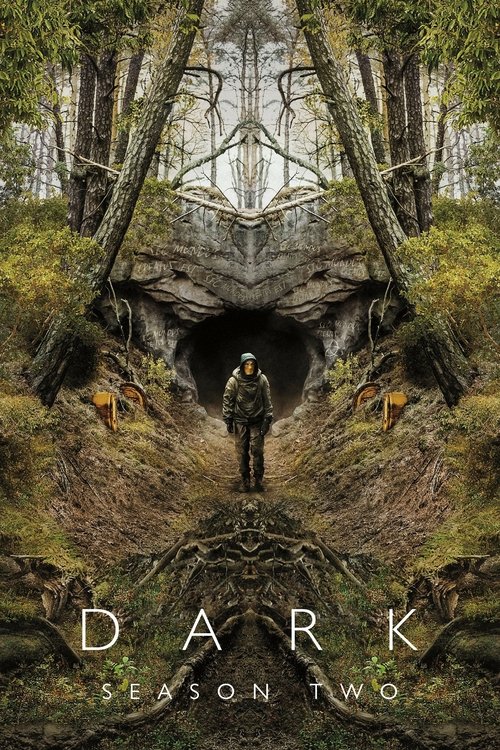
- Season 2 expanded into full time travel territory without losing emotional stakes
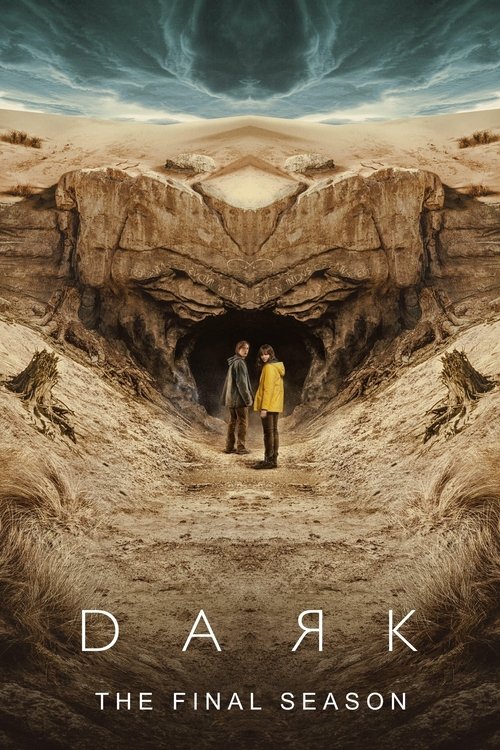
- Season 3 navigated the nearly impossible task of actually resolving its mythology while introducing parallel realities and making the final answer feel earned
Each season holds up on Rotten Tomatoes (90%, 100%, and 97% respectively), suggesting not just critical approval but consistent quality—rare for shows this narratively complex.
The finale’s choice to end Dark while it still had storytelling to tell was significant. The show concluded in 2020 after three seasons, giving itself a defined endpoint rather than overstaying its welcome or getting cancelled mid-arc. In our current era of extended universes and endless seasons, Dark‘s commitment to telling a complete story and stopping feels almost radical.
Baran bo Odar and Jantje Friese understood something fundamental: mystery only works if the audience believes there’s an actual answer waiting for them. They couldn’t have maintained engagement across 26 episodes if viewers sensed the creators were lost. The show’s success came from its clarity of vision, even when depicting timelines that should be confusing. They trusted the audience to work alongside them, to pay attention, to care enough to think about what they’d watched.
Dark didn’t revolutionize television so much as it proved a particular kind of ambition still had an audience. In a streaming landscape that often rewards quick gratification and passive consumption, this show demanded active participation. It rewarded viewers who paid attention and punished those who skimmed. That commitment to complexity, combined with genuine emotional stakes and a creator team that knew where it was going, made Dark endure. It’s worth revisiting not as comfort viewing but as a reminder of what television can be when creators believe their audience is smart enough to keep up.


![Teaser [Subtitled]](https://img.youtube.com/vi/ESEUoa-mz2c/maxresdefault.jpg)