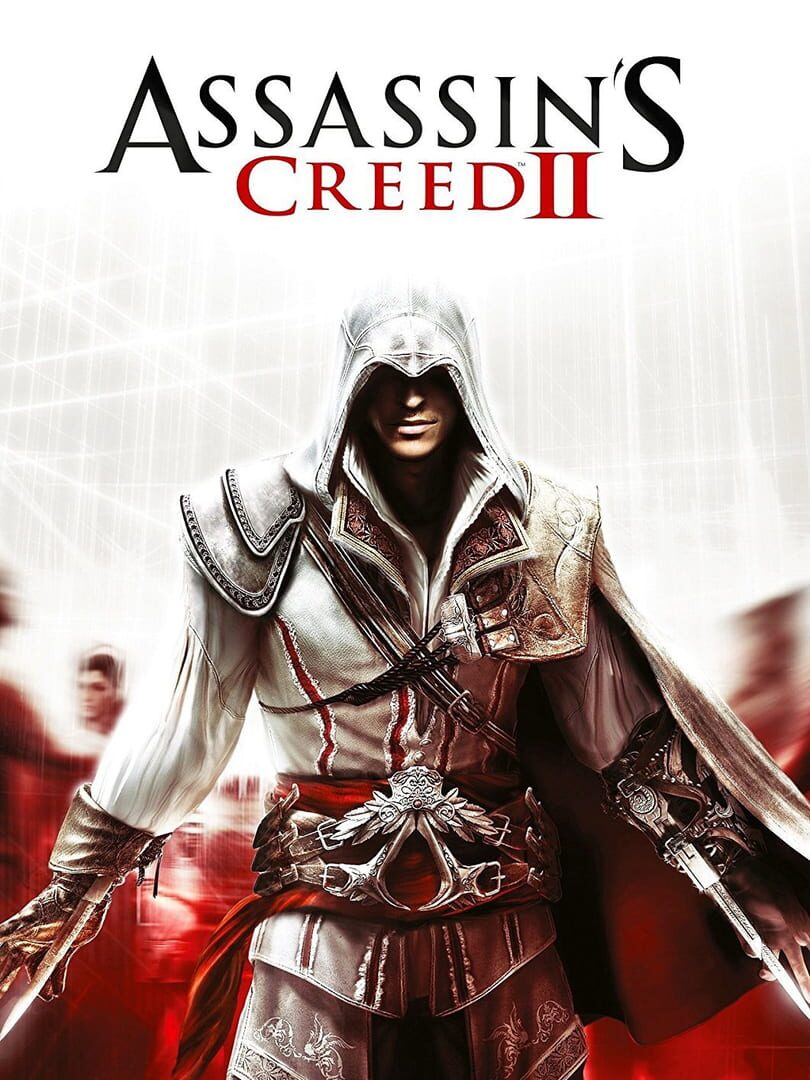
When Assassin’s Creed II launched in December 2009, it arrived at a pivotal moment for the franchise. The original game had established a compelling concept—blending historical settings with sci-fi framing and parkour-based stealth gameplay—but it suffered from repetitive mission design and a protagonist players barely connected with. Ubisoft Entertainment needed to prove the series could evolve beyond a one-hit wonder. What they delivered was something far more substantial: a game that would define not just the franchise, but entire genres for the next decade.
The shift from Altaïr to Ezio fundamentally changed why people cared about the Assassin’s Creed universe. Ezio’s story—a young man forced into the assassin’s creed after his family’s murder, seeking vengeance across Renaissance Italy—is genuinely compelling in ways the first game never managed. You’re not just performing objectives; you’re watching a character grow from an impulsive teenager into a seasoned killer with moral complexity. That narrative arc made the gameplay feel purposeful rather than mechanical.
What really set this game apart was how it tackled game design fundamentals:
- Mission variety – Gone were the fetch quests and repetitive reconnaissance tasks. Each mission felt distinct, with multiple approaches and real consequences for how you played.
- Character progression – Ezio actually improved over time, learning new techniques and unlocking better weapons, making the 20-hour campaign feel like genuine growth.
- Environmental storytelling – Renaissance cities weren’t just backdrops; they were playgrounds filled with secrets, side quests, and reasons to explore beyond the main path.
- Combat depth – The counter-attack system evolved into something satisfying, rewarding patience and timing rather than button mashing.
Landing a /10 on release, the game resonated across every platform it touched—PlayStation 3, Xbox 360, PC, and later iOS and Mac. That kind of critical consistency across such varied hardware is rare. Players weren’t just enjoying a good game; they were playing something that felt like it understood pacing, narrative, and what made historical fiction engaging for interactive media.
> The real achievement here wasn’t technical wizardry or graphical prowess. It was Ubisoft Entertainment figuring out how to make a sequel that didn’t just fix the original’s problems—it fundamentally reimagined what the series could be.
The collaboration with historical figures added another layer. Having Leonardo da Vinci design your weapons wasn’t just fan service; it created this wonderful fusion of real history and video game logic. The idea that a Renaissance genius would craft specialized assassin gear? It worked because the game committed to the bit. Pairing that with Niccolò Machiavelli as an actual narrative presence grounded the fiction in something tangible while letting players feel like they were part of actual history.
The game’s influence on the industry is undeniable, though it’s worth being honest about what followed. Once Assassin’s Creed II proved the franchise could be profitable year-over-year, Ubisoft’s strategy shifted. The DLC approach—particularly episodes like The Battle of Forli—felt tacked on rather than integral to the experience. By 2019, these were pre-installed in most versions, and communities noted they felt like placeholder content rather than meaningful expansions. The game itself remains excellent, but those post-launch decisions reveal how quickly corporate pressure can compromise creative momentum.
Still, the core experience endures. The parkour mechanics were refined to feel responsive without being overly forgiving. The stealth worked because guards actually had patrol patterns and awareness rather than being scripted automatons. The story missions balanced railroading with player agency in ways that modern games still struggle with. Years later, when you revisit Assassin’s Creed II, it doesn’t feel dated because the fundamentals were sound.
What made this game special wasn’t any single innovation—it was the execution across the board. Ubisoft Entertainment took the rough diamond of the first game and polished it into something that felt complete. The writing was sharp, the pacing was deliberate, and the world felt alive in ways that justified the historical setting rather than just using it as window dressing. You can feel the game respecting your time and intelligence throughout.
The legacy Assassin’s Creed II left behind is complicated. It saved a franchise, launched an annual release cycle that arguably diluted the brand, and proved that historical fiction could work in games if developers took both halves seriously. But more than that, it reminded the industry that sequels didn’t need to be bigger—they needed to be better. It prioritized refinement over innovation, and that decision resonated with millions of players across multiple platforms.
Even now, if you’re hunting for a game that understands how to blend parkour, stealth, combat, and narrative into something cohesive, Assassin’s Creed II is still worth your time. It’s the rare sequel that justifies its existence by being genuinely superior to what came before—and then some.


