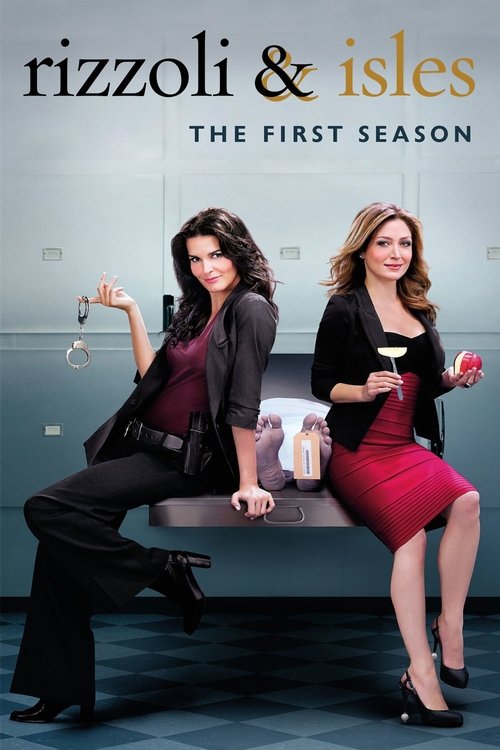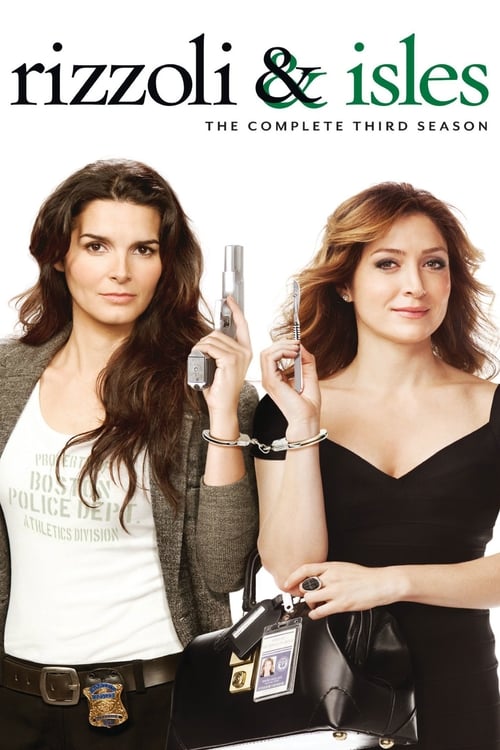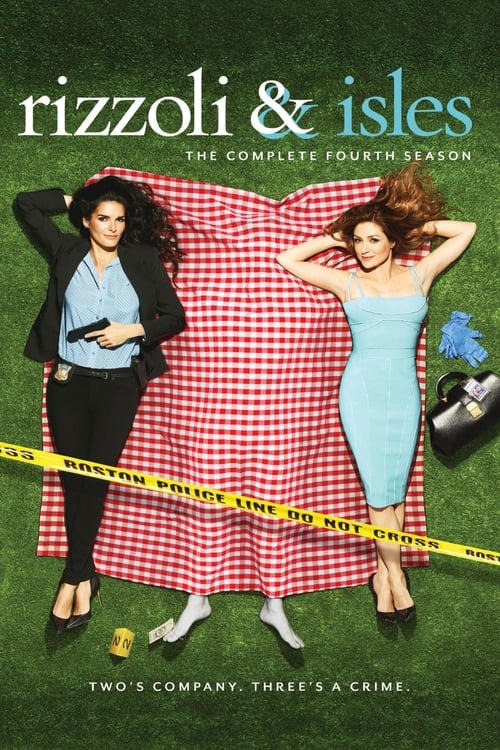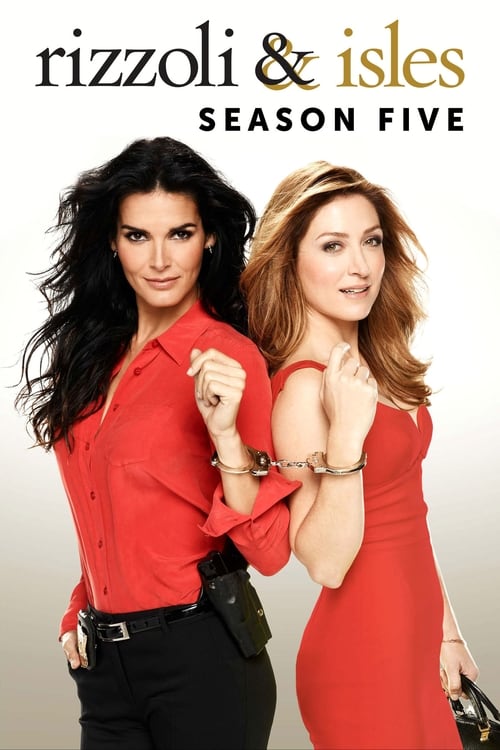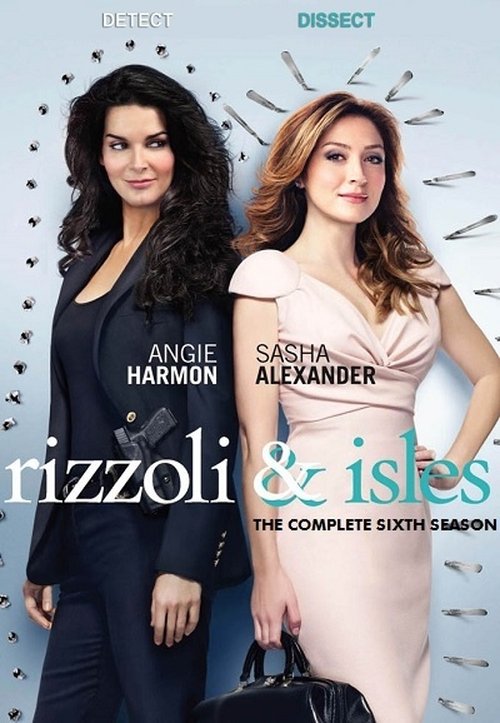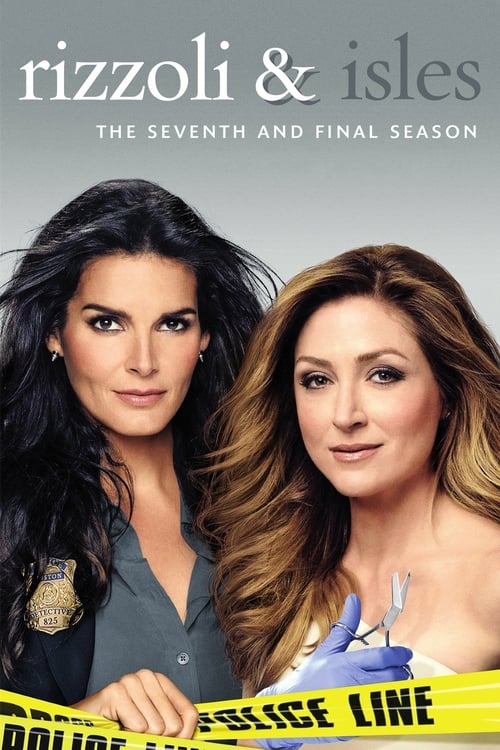
When Rizzoli & Isles premiered on TNT in July 2010, it arrived at a moment when procedural crime dramas were everywhere. Networks had saturated the schedule with shows about detectives and forensic experts solving murders. What made Janet Tamaro’s adaptation of Tess Gerritsen’s novels different wasn’t just the central premise—it was the relationship at its heart. A Boston detective and a medical examiner solving crimes together isn’t revolutionary on paper. But the specific dynamic between Jane Rizzoli and Maura Isles became something audiences genuinely connected with, and that connection sustained the show across seven seasons and 105 episodes.
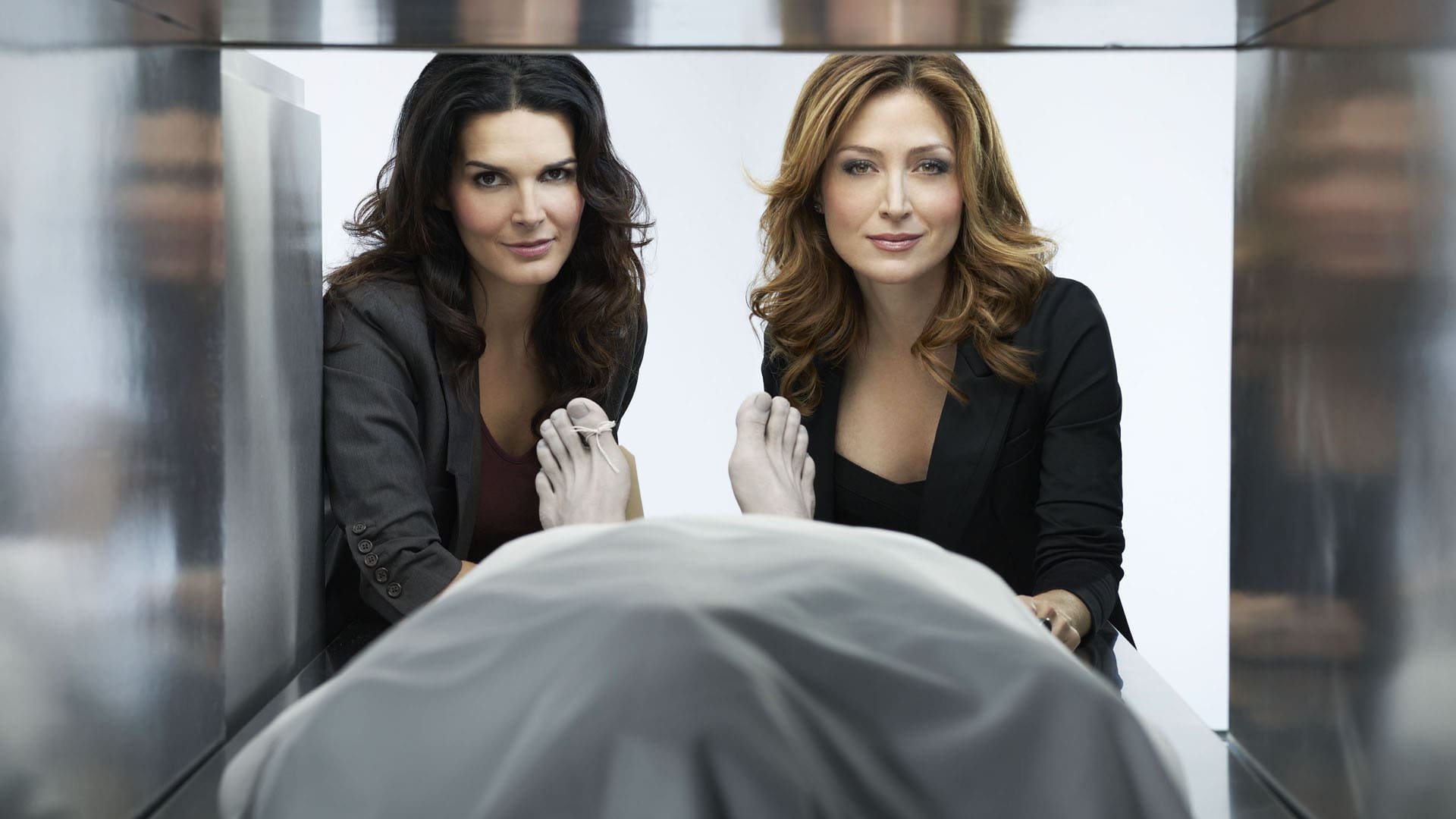
The chemistry between Angie Harmon’s Jane and Sasha Alexander’s Maura was the show’s foundation. Jane is a homicide cop shaped by a working-class Boston upbringing—tough, direct, emotionally guarded in public. Maura is a medical examiner who grew up wealthy, speaks multiple languages, and initially seems more comfortable with cadavers than people. That contrast could’ve been played for cheap laughs. Instead, Tamaro recognized something deeper: these women represented two sides of the same coin. Both were outsiders in their respective fields. Both had complicated family dynamics. Both were learning to let their walls down. The show earned its 7.9/10 rating from 467 viewers because audiences saw genuine friendship beneath the crime-solving mechanics.
The 43-minute runtime became crucial to the show’s approach. Network television’s constraints forced efficiency, but they also created focus. Each episode needed to balance a murder case, character development, humor, and emotional beats. That’s a tight squeeze, and when done well, it creates momentum. Rizzoli & Isles rarely wasted time on empty procedural busywork. A scene showing Jane and Maura in the morgue wasn’t just about forensics—it revealed their personalities, their relationship, their humor in the face of death.
What makes the show stand out within the crime drama genre is how seriously it took the comedy angle without undermining the drama. This wasn’t CSI with occasional one-liners. The show understood that two people who work together every day and genuinely like each other would joke around. They’d have inside references. They’d be irreverent about crime scenes because dark humor is how people in those professions actually cope. The blend of Crime, Drama, Mystery, and Comedy in the genre description isn’t window dressing—it’s structural to how the show told its stories.
The cultural impact came from a place many procedurals had overlooked. The show centered female friendship not as a subplot but as the narrative spine. In 2010, that wasn’t common. Shows had female leads, sure, but the primary relationships often centered on romance or mentor figures. Rizzoli & Isles said the most important relationship in these women’s lives was with each other. That wasn’t presented as tragic or lonely. It was presented as complete. The show acknowledged that Jane and Maura had romantic interests throughout its run, but those relationships never superseded their bond with each other. That’s a fundamentally different message than what most television was sending.
> The show understood that two people who work together every day and genuinely like each other would joke around. They’d have inside references. They’d be irreverent about crime scenes because dark humor is how people in those professions actually cope.
The show’s seven-season run gave it time to build mythology and character depth that quick cancellations never allow. Supporting characters like Detective Frost, homicide boss Lieutenant Cavanaugh, and Maura’s eccentric mother weren’t one-dimensional. They evolved. The show could take risks—darker episodes, genre departures, serialized storylines—because it had established enough goodwill and character equity to experiment. By the time the show reached its conclusion, it had earned the right to go places early episodes couldn’t.
The availability on Netflix and Peacock has given the show a second life with new audiences who discovered it outside its original TNT run. There’s something about a completed seven-season show that appeals to modern viewers. No cliff-hangers. No waiting. You can start and finish the entire story on your own timeline. The show’s structure—episodic cases with ongoing character arcs—works well for binge viewing while still rewarding traditional week-to-week watching.
What Rizzoli & Isles accomplished was proving that procedurals don’t have to be formulaic. You can have a mystery solved each week and still develop character and relationship arcs that carry real weight. You can balance tone without feeling scattered. You can center female characters in roles of authority and intelligence without making their gender the entire point. These things sound obvious now, but in 2010, this show was doing something television needed.
The show ended on its own terms in 2018, which itself is worth noting. Too many series overstay their welcome or get abruptly cancelled mid-story. Rizzoli & Isles got seven seasons and concluded deliberately. Jane and Maura’s story wrapped up. The cast and crew got to say goodbye properly. That kind of ending has become rarer in television, and it’s part of why the show has aged well.
Looking back, Rizzoli & Isles succeeded because it understood that great television isn’t about gimmicks or high concepts. It’s about characters people care about, stories told well within their constraints, and the willingness to let a genuine friendship be the main event. The show didn’t need to prove anything. It just needed to be smart, funny, and honest. For seven seasons, it was all three.