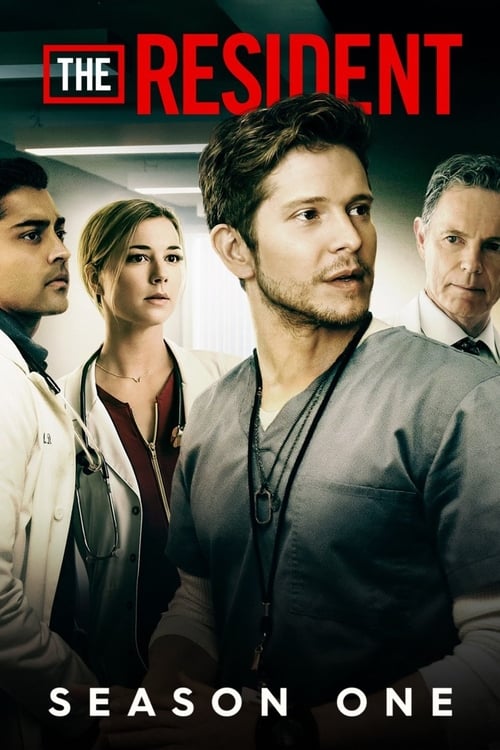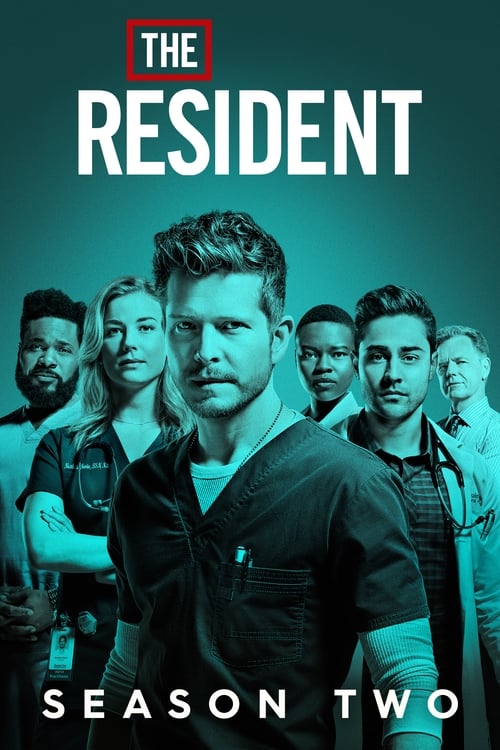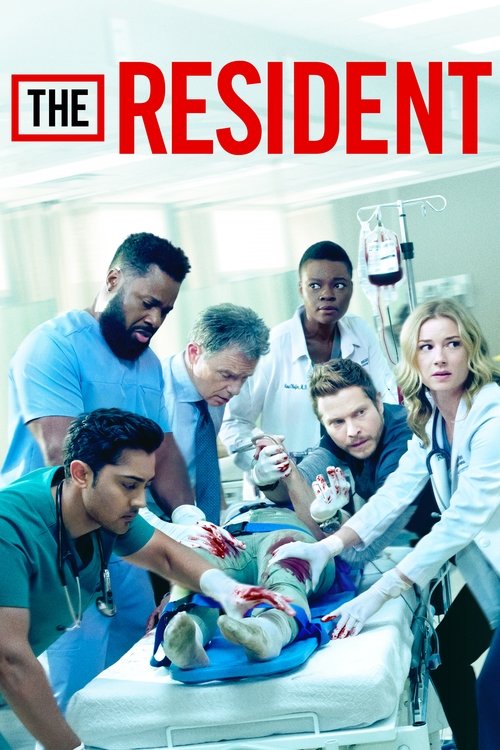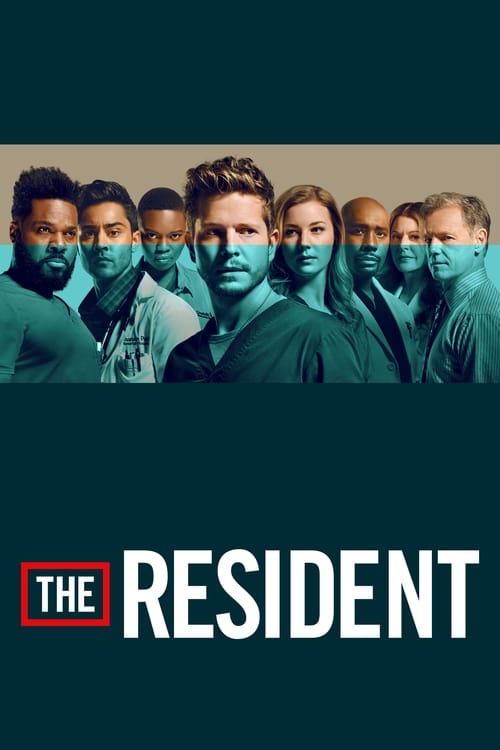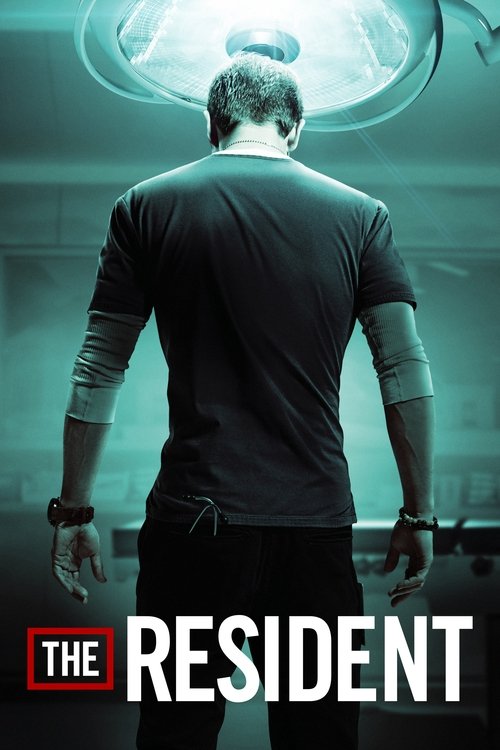
When The Resident premiered on FOX in January 2018, it arrived with a clear mission: strip away the romanticized view of hospital drama and show what medicine actually looks like in the modern age. Created by Roshan Sethi, Amy Holden Jones, and Hayley Schore, the show didn’t just follow another idealistic doctor-in-training story. Instead, it positioned that narrative as the entry point to something darker, more complex, and infinitely more interesting—a genuine examination of systemic problems, ethical compromises, and the human cost of a broken healthcare system.
What made the show remarkable was how it used its central relationship as a lens for this critique. A brilliant, world-weary senior resident becomes the guide for a naive first-year, and that dynamic allowed the creators to constantly interrogate what it means to practice medicine with integrity when the system itself works against you. The 42-minute episode format kept things lean and propulsive, forcing the writers to cut through melodrama and focus on substantive storytelling. There’s no wasted time here—each episode moves with purpose, alternating between personal crises and institutional failures that feel equally consequential.
Over its 6-season run spanning 107 episodes, the show maintained a 8.4/10 rating that speaks to its consistency and the audience connection it built. That kind of sustained approval across a full series isn’t accidental. The writers understood that medical drama works best when you care about the characters and the cases they’re wrestling with. You’re not just watching people navigate romantic entanglements in hospital corridors—you’re watching them confront decisions that have real moral weight.
> The show’s greatest strength was its willingness to let problems stay unresolved. Not every case ends in victory. Not every system gets fixed. Sometimes the good people lose to bureaucracy and profit motives, and the show had the courage to sit with that discomfort.
The cultural impact of The Resident manifested in its willingness to tackle topics that felt urgent and relevant. The show didn’t shy away from conversations about insurance denials, pharmaceutical conflicts of interest, workplace harassment, and the burnout epidemic that’s consuming healthcare workers. These weren’t background details—they were central to who these characters were and what they had to fight against daily. For viewers working in healthcare, the show felt validating in a way that most medical dramas don’t achieve. It wasn’t aspirational fantasy; it was recognition.
The show particularly excelled at creating standalone cases that carried thematic weight:
- Cases that exposed how insurance companies deny necessary care for profit
- Episodes exploring medical racism and how unconscious bias affects treatment decisions
- Stories examining the predatory relationship between pharmaceutical companies and hospitals
- Narratives about physician burnout and moral injury that felt drawn from reality
- Plotlines addressing sexual harassment and institutional cover-ups in medical settings
What kept audiences returning across six seasons was the balance between hope and cynicism. The show never became nihilistic, even when circumstances were bleak. Characters continued fighting for their patients and for systemic change, fully aware they might fail. That’s a difficult tonal line to walk—too much hope and you lose credibility, too much despair and people stop caring—but the writers consistently found that middle ground.
The show also benefited from its streaming presence on Netflix and Hulu, which allowed it to reach audiences who might never have caught it during its original FOX run. The ability to binge the series meant new viewers could experience the character development arc across full seasons, deepening their investment in the show’s perspective on medicine and ethics. By the time the series concluded, it had built a genuinely devoted fanbase who understood what the creators were attempting.
Even though the show’s cancellation marked the end of new episodes, The Resident achieved something important: it proved that television audiences wanted medical drama that took healthcare seriously. Not as backdrop for personal drama, but as a system that actively shapes human lives and sometimes corrupts good people. The show treated its audience like adults capable of sitting with moral ambiguity and systemic frustration.
Looking back at the Cancelled status of the show, there’s a sense that it ended in a place where the characters’ stories felt complete, even if the broader fight continued. That’s fitting for a show fundamentally about people who never stop working toward an impossible standard—not perfection, but doing right by their patients within systems designed to make that difficult. Six seasons and 107 episodes gave the creators space to tell the story they wanted to tell, and that’s a gift many series don’t receive.
The Resident remains worth watching because it understood something essential: the most compelling drama isn’t about whether the doctor will find love or get promoted. It’s about whether they can hold onto their principles while the world pushes them to compromise. That question doesn’t have an easy answer, which is why people kept coming back to find out what these characters would do next.