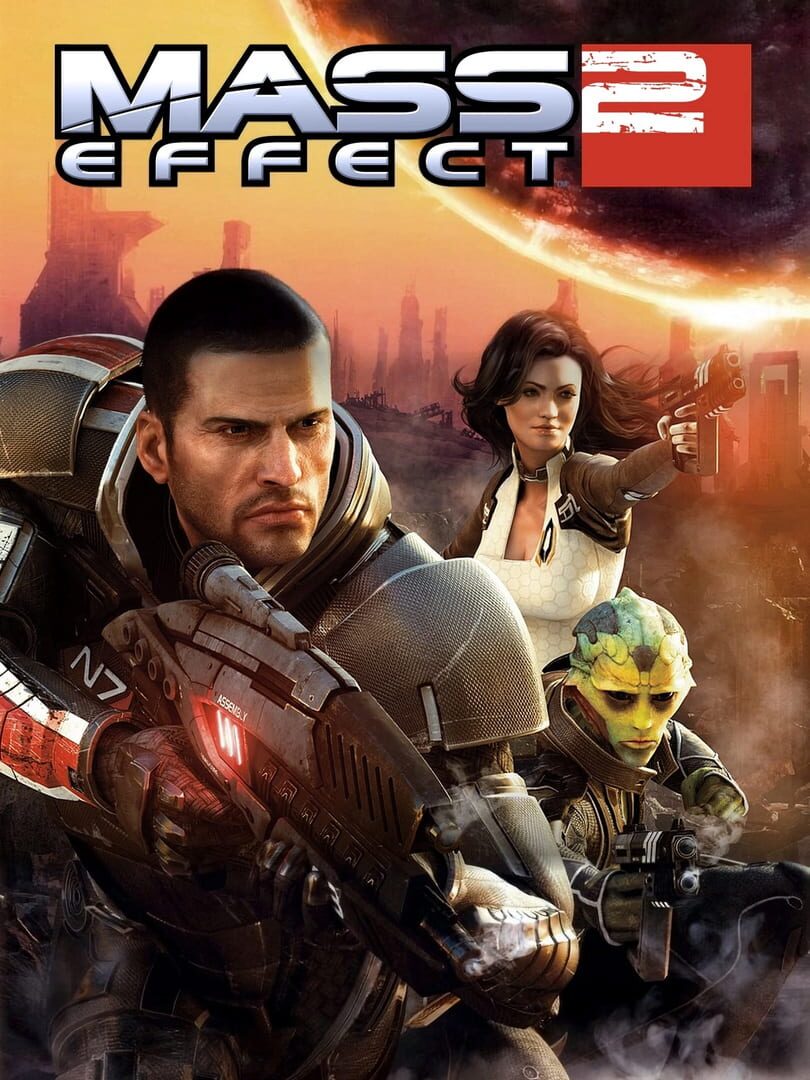
When Mass Effect 2 launched in January 2010, it arrived as a sequel that nobody quite expected to work. The original game had established this sprawling sci-fi universe, sure, but it was messy—ambitious in scope but rough around the edges in execution. Somehow, BioWare took those foundations and built something that didn’t just improve on the formula; it redefined what a big-budget action RPG could be. The game earned a /10 rating that reflected what players already knew: this was special.
What made Mass Effect 2 such a watershed moment comes down to how it balanced competing demands that most games struggle to reconcile. It’s a shooter with real weight and feedback to its combat. It’s an RPG where your choices genuinely matter—or at least feel like they do in ways that keep you thinking about them long after the credits roll. It’s an adventure that respects your investment in characters and relationships across a sprawling galaxy. On PlayStation 3, PC, and Xbox 360, the game delivered this same experience consistently, which is no small feat for a multiplatform release.
The core premise is almost absurdly high-stakes: humanity is being silently abducted, entire colonies vanishing without a trace. You’re Commander Shepard, tasked with assembling a suicide mission team to stop an unstoppable threat. There’s an elegant simplicity to that setup, and it works because BioWare uses it as an excuse to introduce you to one of the most memorable casts of characters gaming has produced.
> What separated Mass Effect 2 from its contemporaries wasn’t just technical polish—though it had that. It was the understanding that players want to care about the people alongside them, not just the story they’re advancing.
Here’s what actually makes the game work on a mechanical level:
- Squad-based tactical combat that rewards positioning and ability synergy rather than just running and gunning
- Loyalty missions that force you to engage with each crew member’s personal stakes, making their survival in the final mission genuinely matter
- Consequence weight where dialogue choices and mission decisions ripple through your playthrough without feeling cheap or arbitrary
- Class-based gameplay that remains distinct and interesting across multiple playthroughs, encouraging experimentation
- Resource management through crew recruitment and equipment upgrades that adds strategic depth without becoming tedious
The suicide mission structure itself is genius game design. Unlike most RPGs that finish with a final boss fight, Mass Effect 2 makes the endgame a series of escalating scenarios where your preparation and choices determine outcomes. Bring the wrong people for the wrong objective? They might die. Neglect a crew member’s loyalty? Expect betrayal at critical moments. This isn’t arbitrary punishment—it’s logical consequence that flows from the narrative.
The game’s cultural impact extended well beyond sales numbers. It proved that action-heavy RPGs could maintain the depth that genre fans demanded while broadening appeal to players who cared more about moment-to-moment gameplay than inventory management. Subsequent action RPGs learned from Mass Effect 2‘s blueprint: The Witcher 3, Dragon’s Age: Inquisition, even Cyberpunk 2077 carry echoes of what BioWare established here.
That influence mattered particularly because Mass Effect 2 helped establish that character-driven narratives and tight gameplay mechanics aren’t opposing forces—they’re complementary. Your ability to roleplay as Shepard, to define their personality through dialogue choices and make decisions that align with that character, adds stakes to every mission. You’re not just playing through a story; you’re inhabiting someone in that story.
The post-launch support BioWare provided also set standards at the time. DLC packs like Lair of the Shadow Broker expanded the experience with meaningful content that fans wanted rather than cosmetic extras. Not every DLC landed perfectly—the Arrival DLC mixed reception, with some critics noting it felt like it prioritized setup for the next game over offering a complete experience—but the overall approach showed commitment to the game’s world beyond the initial release window.
Looking at it now, Mass Effect 2 remains a masterclass in sequel design. It took what worked from the first game and stripped away what didn’t. It committed to the universe’s tone and stakes while making moment-to-moment gameplay substantially more satisfying. It took genuine risks with its narrative structure in ways most big-budget games still won’t attempt.
The reason players connected so deeply with Mass Effect 2 comes down to something deceptively simple: the game respects them. It respects your time by making every mission feel purposeful. It respects your investment by letting your choices shape outcomes. It respects your attachment to characters by making their fates genuinely uncertain. In an industry often chasing trends and broad appeal, that kind of respect stands out. A /10 rating doesn’t capture everything that made this game matter, but it’s a start.


