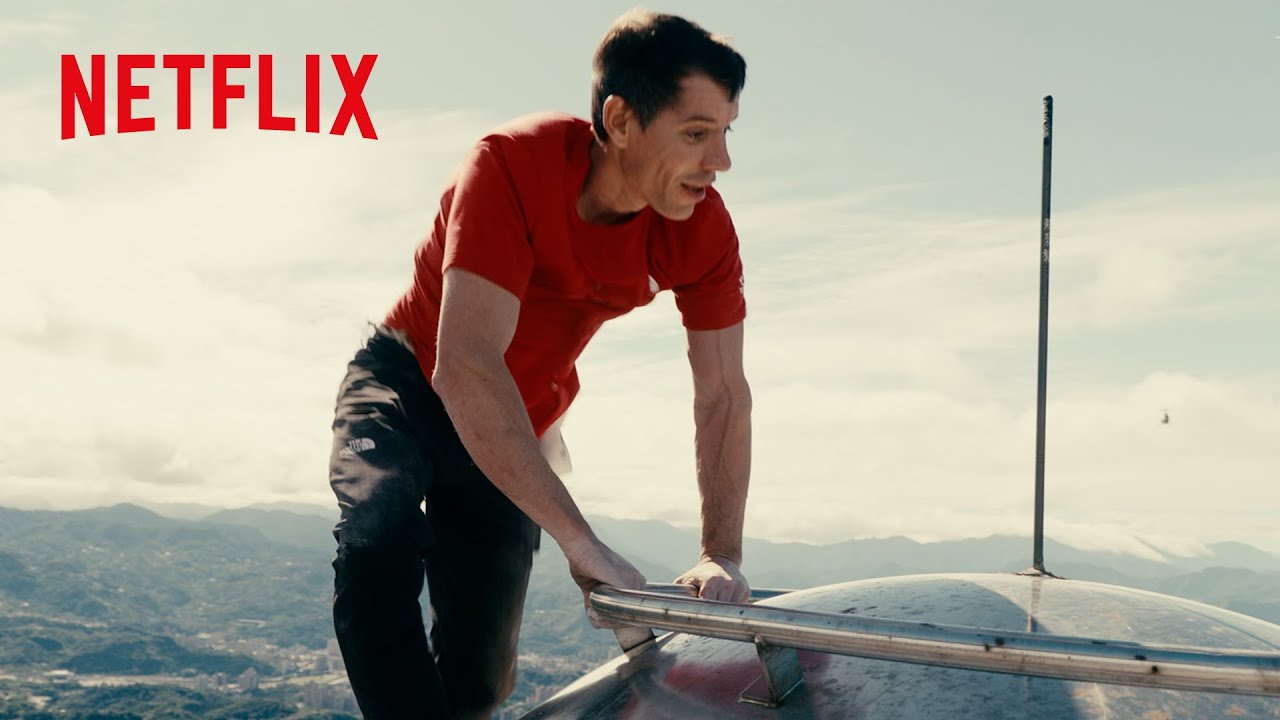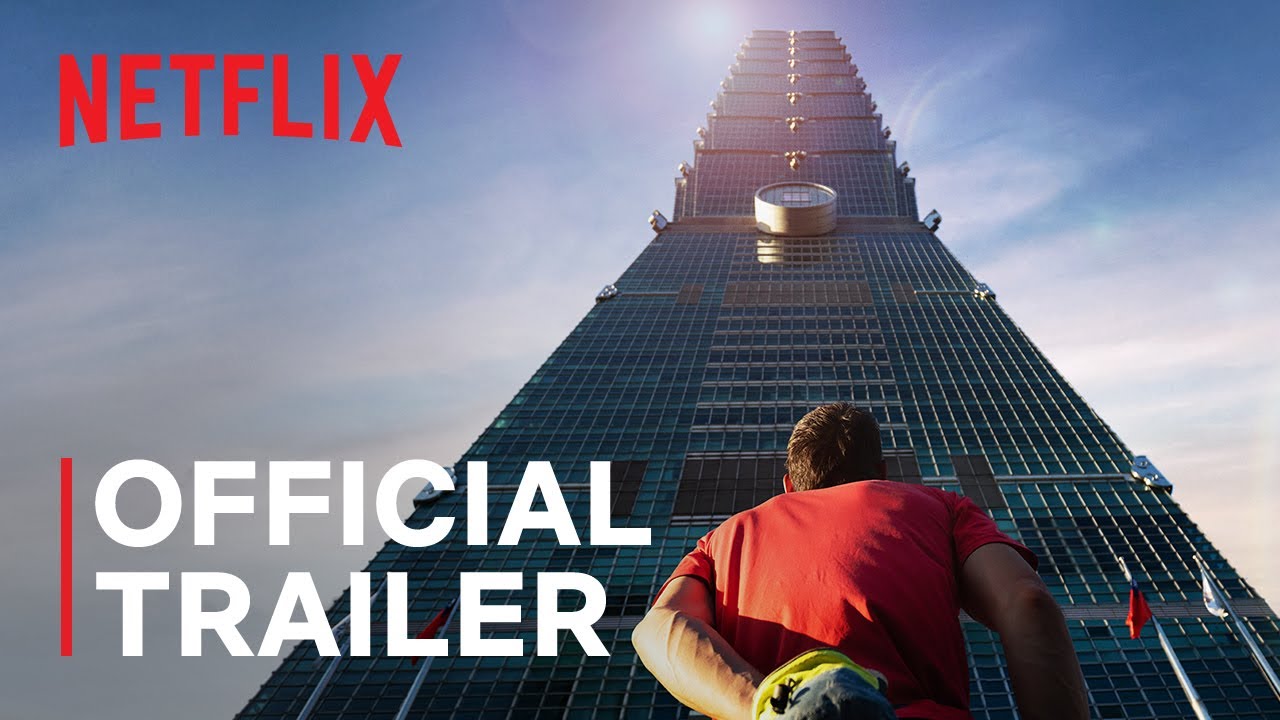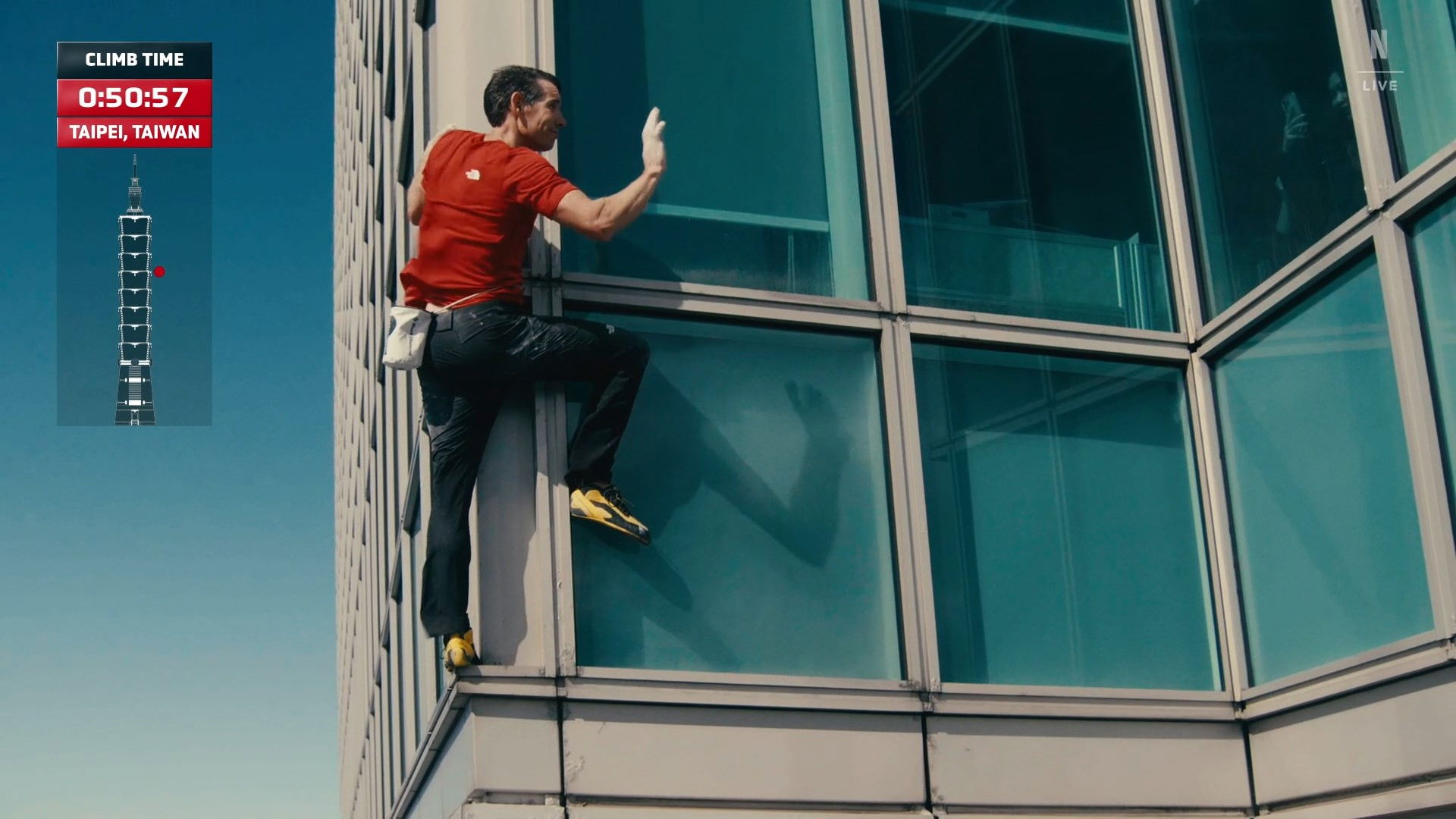
When Skyscraper Live premiered on January 24, 2026, it arrived as something of a paradox—a documentary that asks audiences to be thrilled by something that shouldn’t technically be thrilling at all. Director Joe DeMaio and his team at Plimsoll Productions convinced the world to watch Alex Honnold free solo climb Taipei 101 without ropes, and somehow made it work as cinema rather than just a stunt broadcast. The film currently holds a 7.8/10 rating from 16 votes, which tells you something important: people are still figuring out what to make of it.
Let’s be direct about the setup. Honnold is a legend in climbing circles—the man who scaled El Capitan without protection and turned it into Free Solo, a documentary that won an Academy Award. So when he agreed to climb a 1,667-foot skyscraper on live television, the natural instinct was skepticism. Hasn’t he already done the impossible? What’s left to prove? According to critics and industry observers, that question actually becomes the film’s most interesting tension. This isn’t about breaking new ground in free solo climbing; it’s about watching a master climber operate in an entirely controlled environment and finding drama there anyway.
The inclusion of Elle Duncan as host and Emily Harrington as part of the creative team shifted the energy from pure spectacle to something more reflective. Duncan brings her background as a sports broadcaster into the frame, treating the climb not as a death-defying stunt but as an athletic achievement worth examining. Harrington, herself an elite climber, provides context and credibility. Together, they transform what could have been a two-hour marketing stunt into a genuine documentary about pressure, performance, and the strange psychology of choosing difficulty.
Here’s what makes Skyscraper Live significant to the adventure documentary genre:
- It proved live cinema still matters. In an era of on-demand streaming, DeMaio chose the broadcast live format deliberately. The film is 117 minutes minutes long, but the tension of liveness—the knowledge that something could go wrong in real time—becomes inseparable from the experience.
- It challenged the “bigger is always better” mentality. Honnold climbing a skyscraper isn’t objectively more impressive than his El Capitan ascent. The film acknowledges this and leans into the discomfort rather than pretending otherwise.
- It expanded what counts as documentary drama. Without manufactured conflict or narrative manipulation, the film finds human interest in the gap between expectation and reality.
The cultural moment around Skyscraper Live also matters. When it was delayed by weather conditions, per Deadline, it became a story about nature asserting itself over controlled human planning. You can’t edit around bad weather in a live broadcast. That vulnerability—that admission that even the most carefully orchestrated event remains subject to forces outside your control—is refreshing in an age of seamlessly produced content.
> There’s an honesty to Skyscraper Live that resists the usual documentary tropes. It doesn’t try to convince you that climbing a skyscraper is as dangerous as climbing a natural rock formation. It knows you already know that. Instead, it asks: why does this still matter?
Reception has been measured but thoughtful. The film made Rotten Tomatoes’ list of best new movies from 2026, which speaks to its cultural presence even if critical consensus remains somewhat fractured. Some viewers found it revelatory—a meditation on sport and risk that transcended the stunt. Others saw it as exactly what the skeptics predicted: Honnold getting paid, Netflix getting headlines, and everyone pretending the geometry of a building is somehow equivalent to the organic complexity of a real rock face.
Joe DeMaio’s direction handles this tension gracefully. Rather than hide the technical reality—that engineered surfaces and predictable geometry make this objectively safer than Honnold’s past climbs—the film leans into it. The camera work captures both the physical feat and the mental calculation. We see Honnold not as a daredevil but as a technician, someone executing a plan with precision. It’s less thrilling in the traditional sense, but more interesting psychologically.
What Skyscraper Live did for the genre is establish that adventure documentaries don’t need to escalate toward genuine danger. They can examine expertise itself. They can ask what it means to perform at the highest level, even when the stakes are lower than everyone assumed. The live broadcast format, the stellar cast, the confident direction—these elements combine to create something that works as film, not just as event coverage.
The legacy of Skyscraper Live will likely influence how documentarians approach live events and athletic achievement going forward. You don’t need constant escalation. You don’t need false peril. What you need is honesty about what’s actually happening and trust that excellence is interesting on its own terms. Whether future filmmakers learn that lesson remains to be seen, but DeMaio and his team showed it’s possible to make a compelling film about a controlled climb by a world-class athlete without pretending it’s something it isn’t.