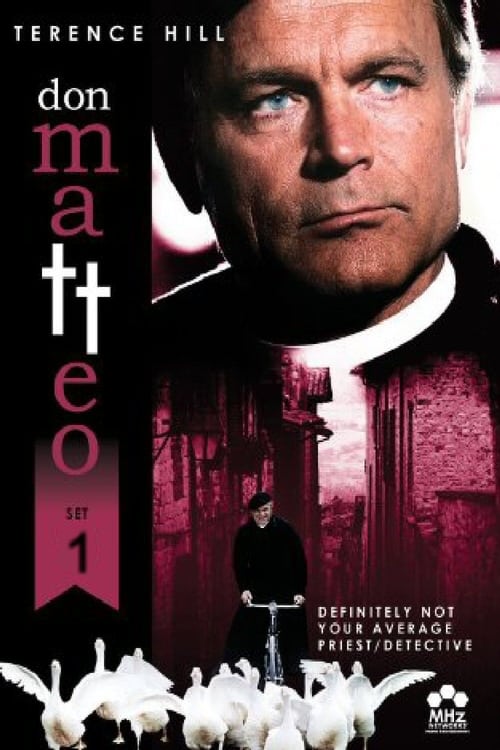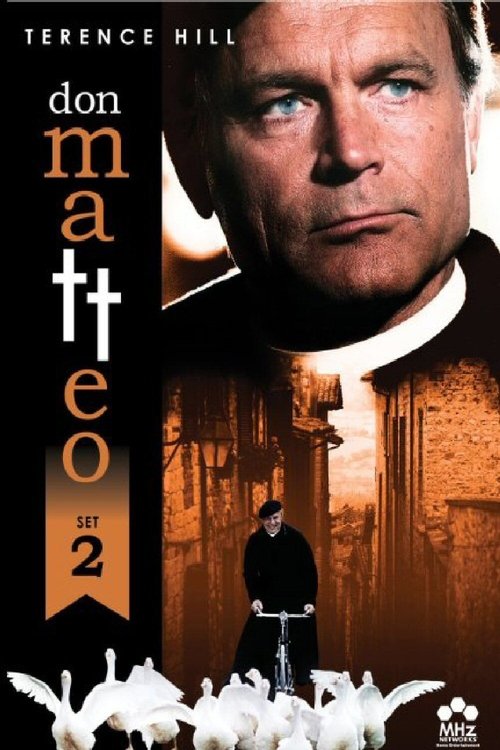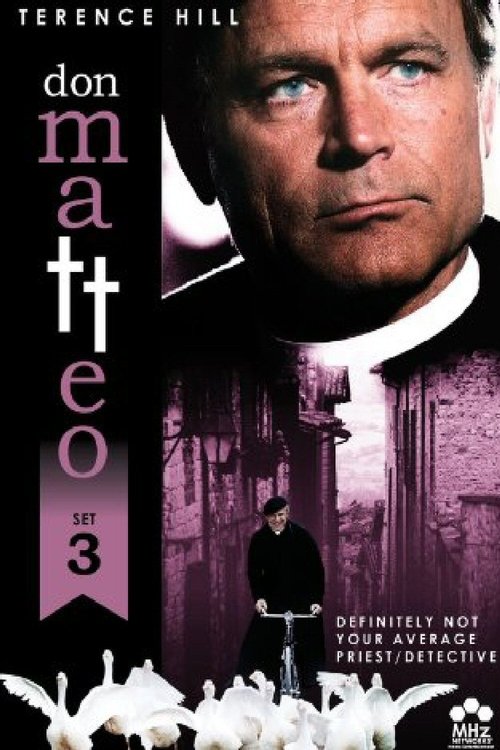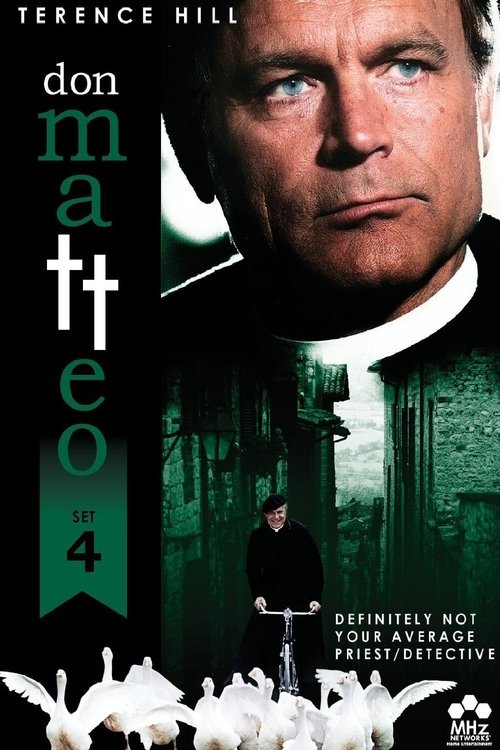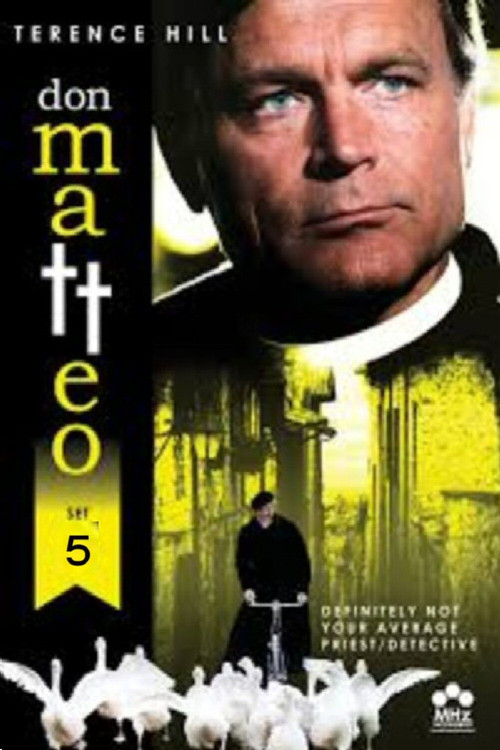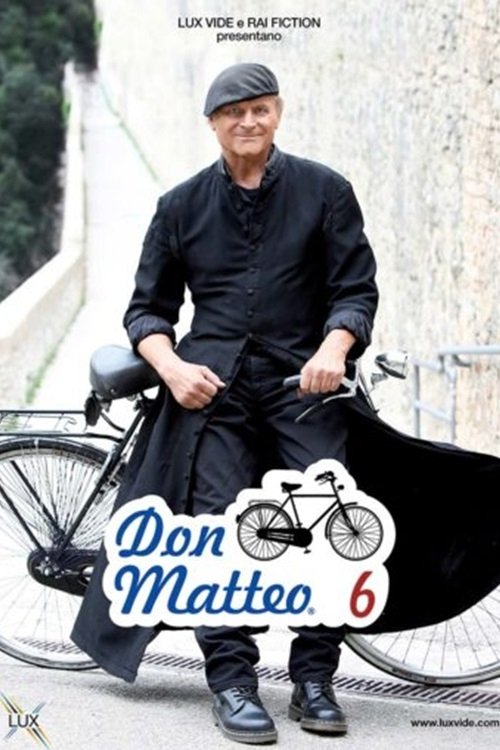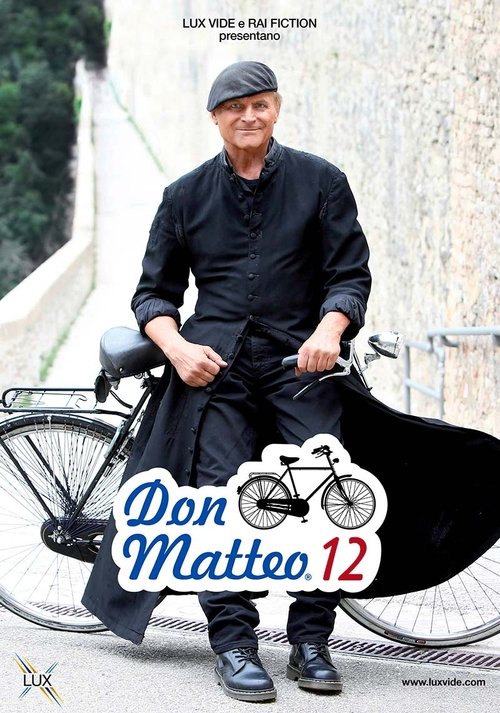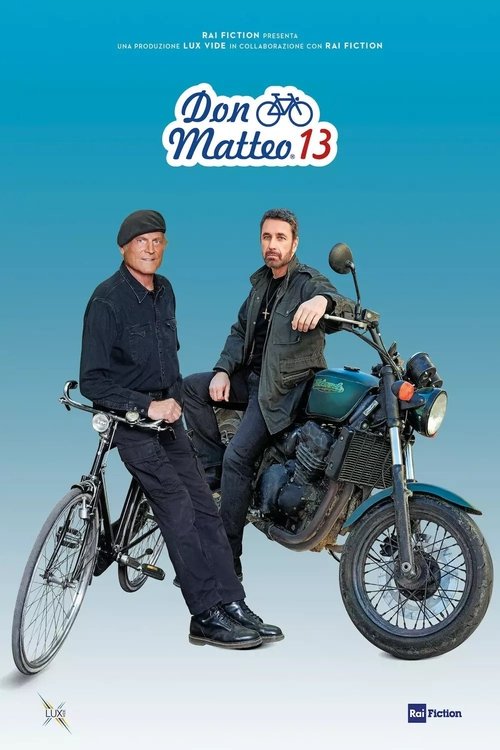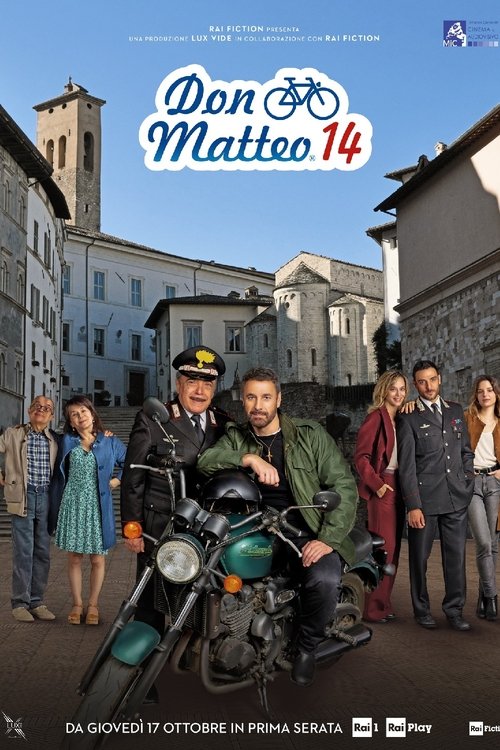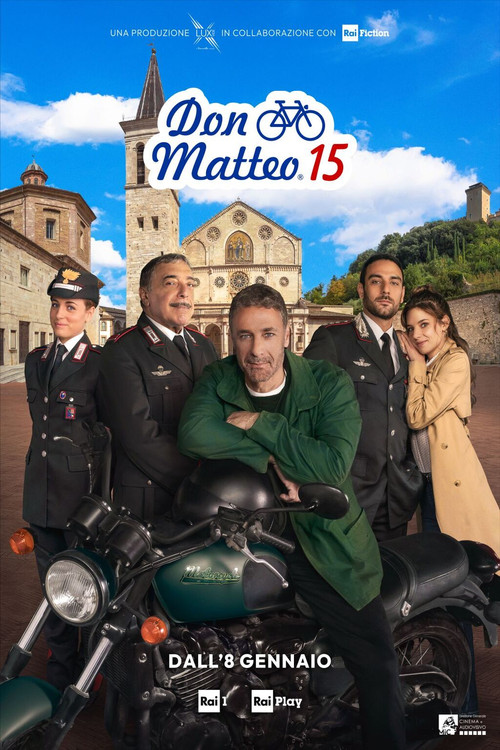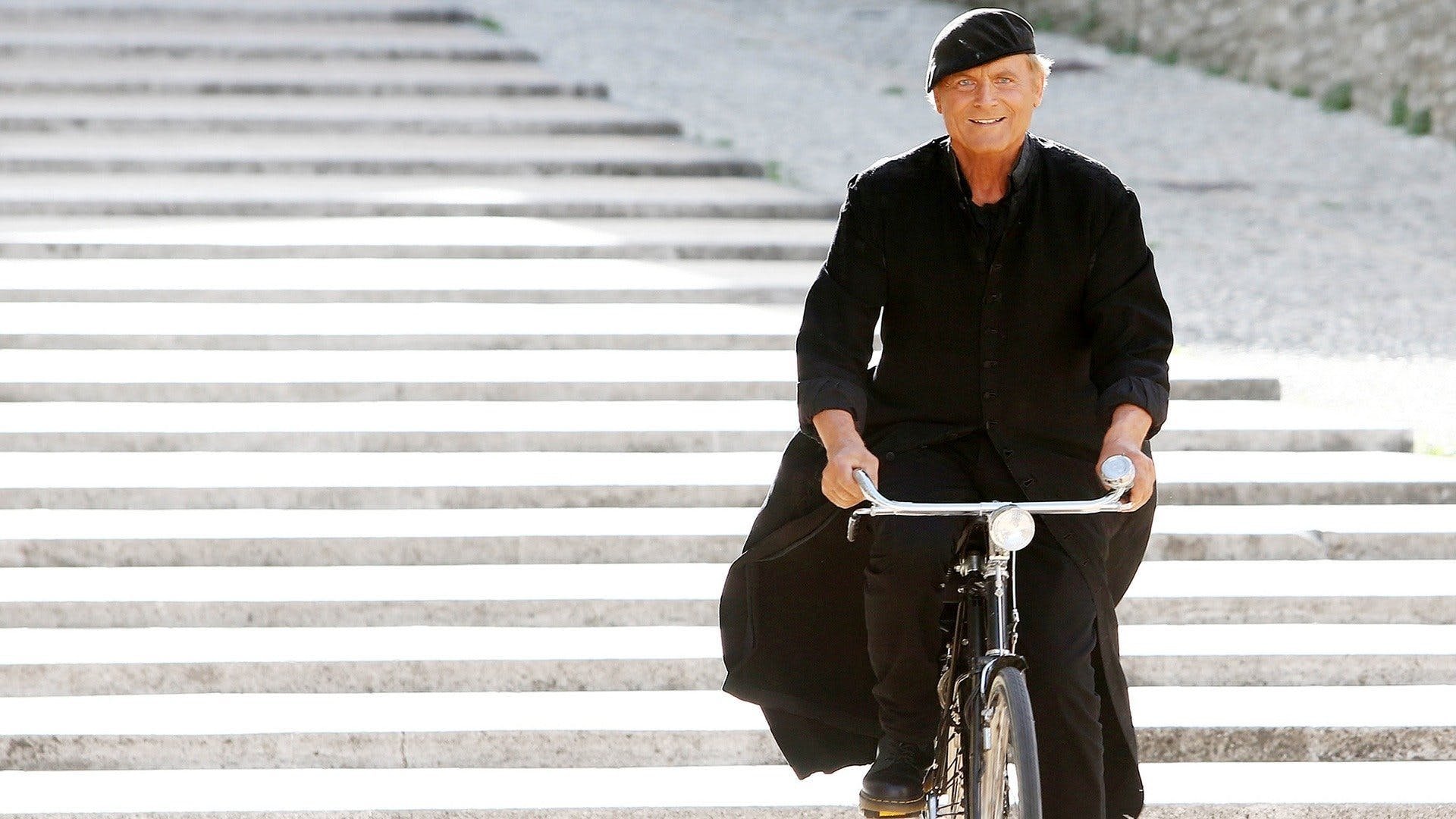
When Father Matteo premiered on January 7th, 2000, Italian television welcomed something genuinely special—a show that would go on to defy the typical lifespan of most dramas. Here we are, over two decades later, and Enrico Oldoini’s creation is still returning with new episodes, still finding audiences willing to follow a Catholic priest who solves crimes with the kind of insight that feels almost supernatural. That kind of longevity doesn’t happen by accident. It happens when you strike something true about human nature and storytelling itself.
What makes Father Matteo so enduring is its fundamental premise: a priest who reads people. Not through divine intervention, but through genuine understanding and empathy. This is a protagonist who operates in the space between the confessional and the crime scene, where spiritual wisdom meets detective work. That collision of worlds created something the Italian television landscape hadn’t quite seen before, and audiences responded by making it a cornerstone of their viewing habits for fifteen seasons running.
The show’s structure—those 45-minute episodes that have carried 286 stories across fifteen seasons—reveals smart storytelling choices. That runtime isn’t coincidental. It’s long enough to develop genuine character work and explore the emotional stakes of each mystery, yet tight enough to maintain momentum. Oldoini understood that you could blend drama, comedy, mystery, and crime elements within that framework without feeling overstuffed. The family elements ground everything in humanity rather than procedural sterility.
> The show’s real genius lies in how it treats faith not as dogma but as a lens for understanding human behavior—a perspective that naturally positions a priest as the ideal investigator.
What’s particularly striking about Father Matteo is how it navigated the tonal balance. This isn’t a gritty crime procedural that occasionally cracks jokes. It’s a show that genuinely commits to all four of its primary genres—drama that breathes, comedy that doesn’t undercut tension, mysteries that actually engage you, and crime elements that matter. That balance is hard to achieve, and the fact that the show maintained it across 286 episodes speaks to both Oldoini’s vision and his creative team’s discipline.
The cultural footprint this show left on Italian television is substantial, even if international audiences sometimes overlook it. Father Matteo became appointment television in a way that required genuine storytelling consistency. The show didn’t coast on a gimmick; it deepened its characters with each season, developed supporting players into ensemble fixtures, and trusted its audience to care about emotional continuity alongside plot mechanics.
Consider what the show accomplished thematically:
- Positioned faith as a tool for understanding human nature rather than judgment
- Created a protagonist who solves crimes through psychology and observation rather than authority
- Built a sustainable formula that allowed for both episodic satisfaction and seasonal arcs
- Demonstrated that mystery-drama hybrids could work in a family-friendly context
- Proved that 45-minute runtimes could accommodate complex storytelling
The 6.3/10 rating—while respectable rather than stratospheric—actually tells an interesting story about the show’s positioning. It’s not a prestige drama trying to be “Peak Television.” It’s accessible, warm, genuinely entertaining television that doesn’t apologize for being accessible. That distinction matters. The show found and kept its audience because it understood its own identity rather than chasing critical consensus.
What’s remarkable is watching how Father Matteo evolved across its fifteen-season run. The show didn’t simply repeat the same formula endlessly. Each season built on what came before, deepened relationships, introduced new challenges, and allowed characters to genuinely change. This is the kind of long-form storytelling that requires a creator who understands not just individual stories, but the architecture of a series itself.
The streaming availability across RaiPlay, Rai 1, MZ Choice Amazon Channel, and MHZ Choice demonstrates the show’s modern persistence. It’s not locked in the past as a historical artifact of Italian television; it’s actively watched, discovered by new audiences, and maintained as a living series. The fact that Season 15 just premiered in 2026 means Father Matteo continues its tradition of returning to tell more stories.
For anyone who hasn’t experienced the show, the appeal is straightforward: You’re getting a drama that respects your intelligence, a mystery that actually engages you, comedy that feels earned rather than forced, and a central character whose moral framework creates genuine dramatic tension. That’s a remarkable achievement to sustain across nearly three hundred episodes. Father Matteo deserves recognition not as a curiosity of Italian television, but as evidence that great storytelling—grounded, character-driven, and genuinely empathetic—never goes out of style. This is a show that understood its audience and spent two decades proving why they were right to tune in.