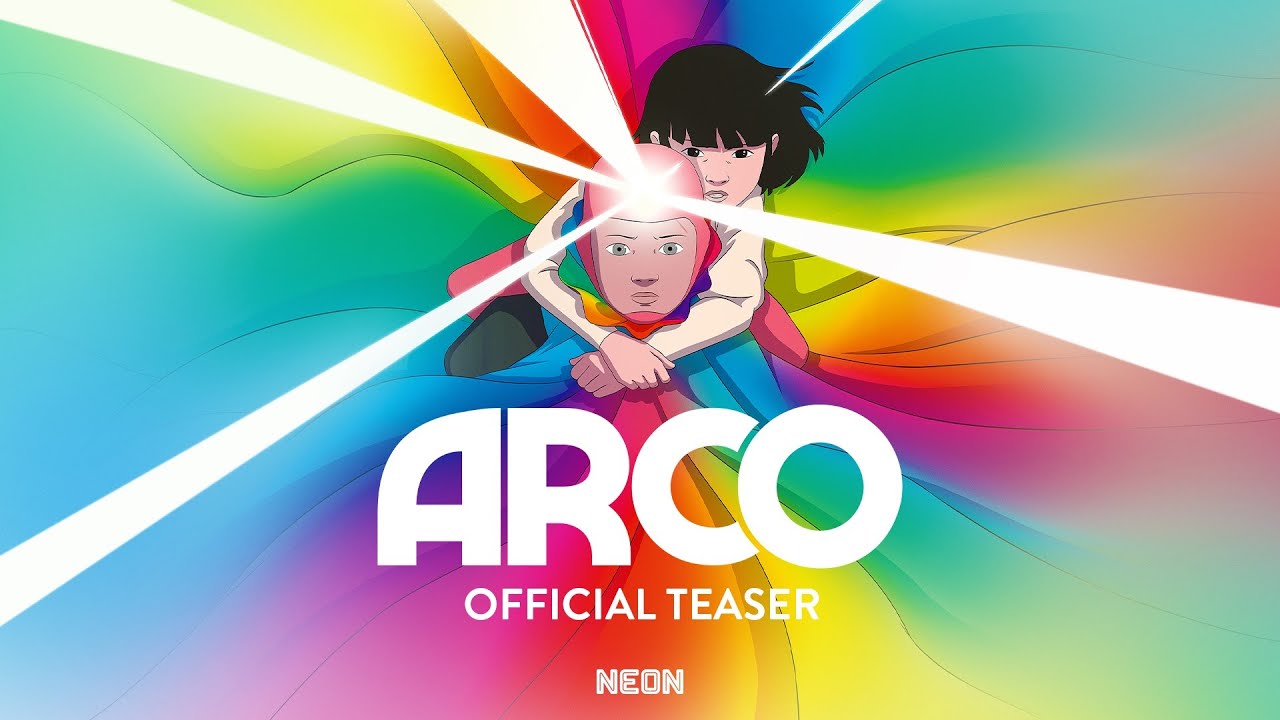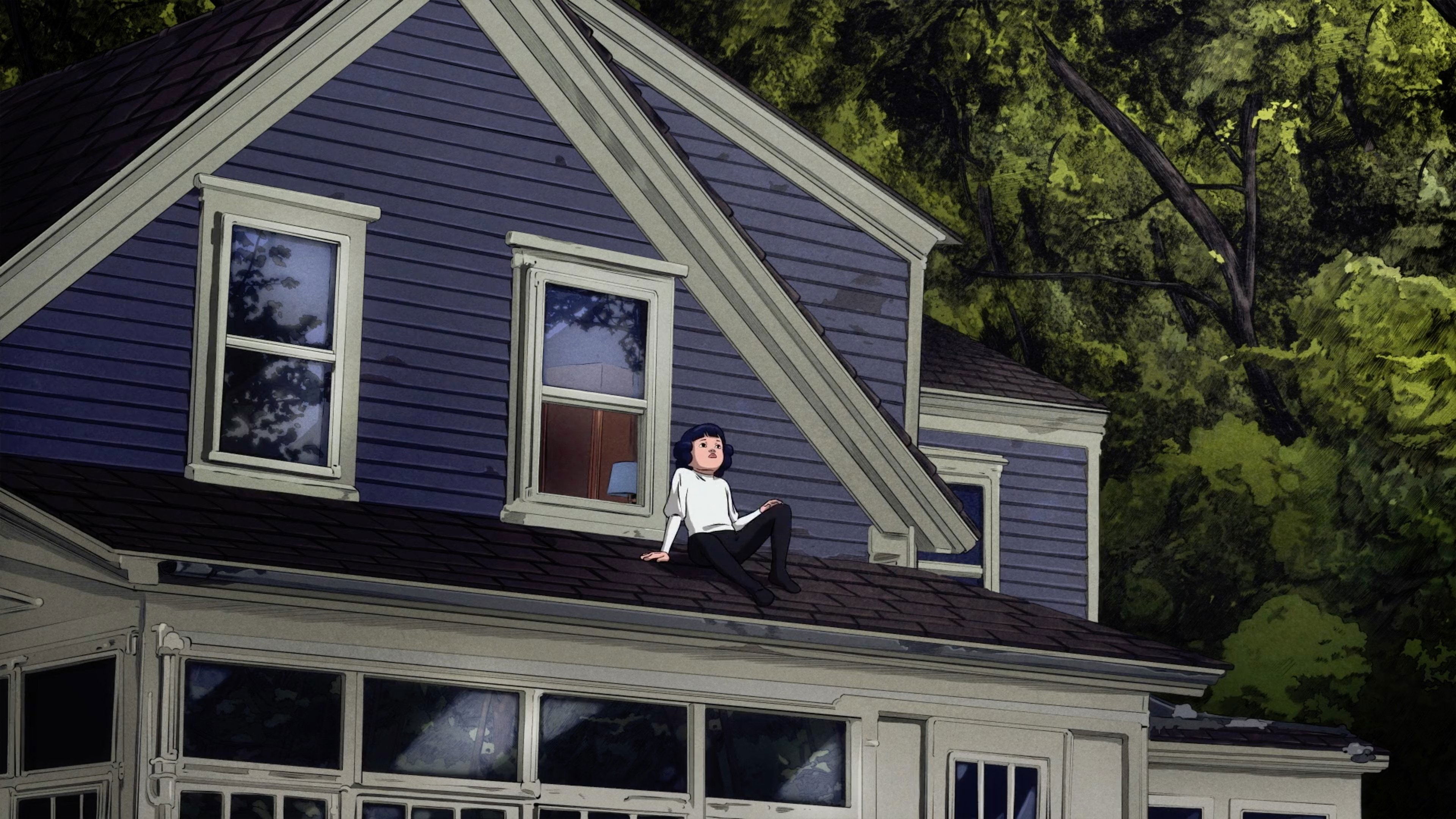
When Ugo Bienvenu’s Arco premiered at Cannes in May 2025, it arrived with a premise that sounds almost whimsical—what if rainbows were actually people from the future traveling through time? But the film that unfolded was far more than a clever science fiction concept. It was a meditation on displacement, connection, and the ways we find family in unexpected moments. In its lean 89 minutes-minute runtime, the film managed to ask genuinely profound questions while remaining accessible to the family audience it was created for.
The journey from screen to box office tells its own story. Made with a $10.00 million budget by French studios Remembers, MountainA, and France 3 Cinéma, Arco earned $3.69 million globally. Those numbers might seem modest in an era of billion-dollar franchises, but they miss the real achievement. The film wasn’t trying to dominate multiplexes—it was trying to resonate, and it did. The 7.8/10 rating from 68 votes reflects genuine audience connection rather than consensus enthusiasm, which actually means something when you’re dealing with experimental animated storytelling aimed at children and families.
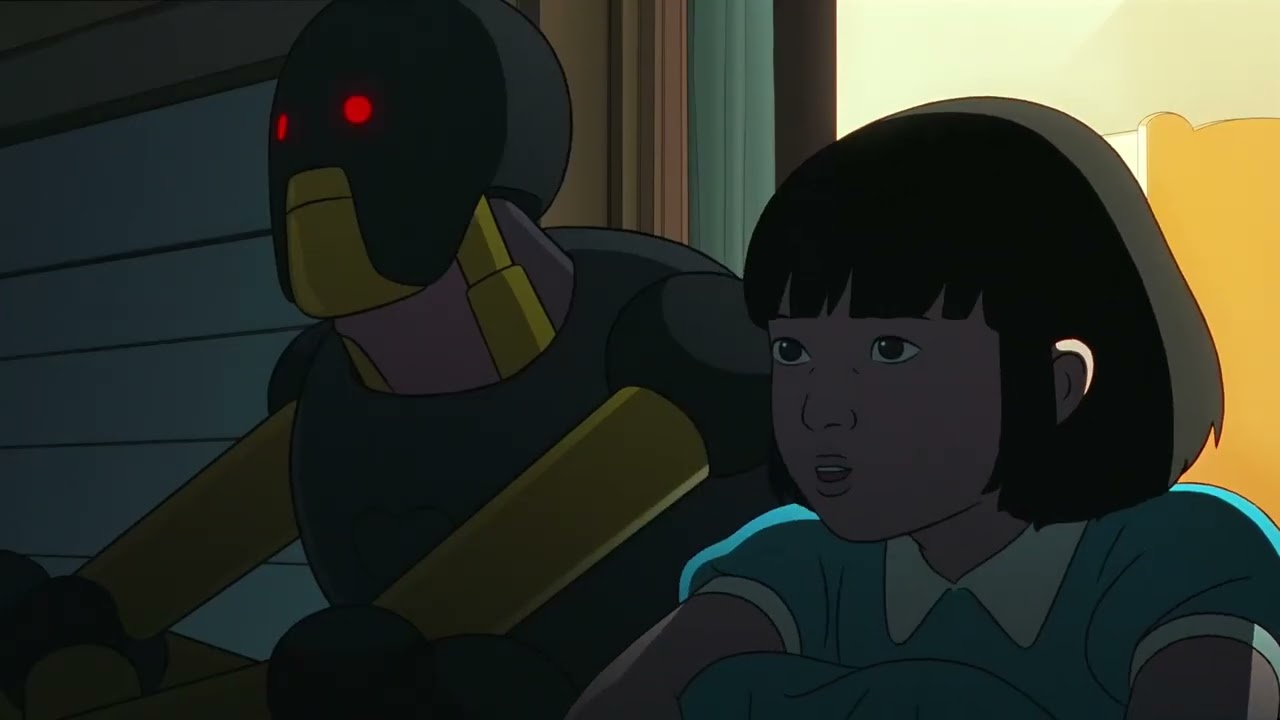
What makes Arco significant is how it trusts its young audience with real ideas. The story follows a ten-year-old protagonist who crashes through time itself and finds himself stranded in 2075, where another child named Iris becomes his unlikely rescuer. This isn’t a rescue narrative that plays it safe. Instead, Bienvenu explores what happens when two kids from completely different temporal worlds try to solve an impossible problem together. There’s genuine stakes, real uncertainty about whether Arco will ever make it home, and emotional weight that doesn’t feel manipulated.
The voice performances from Margot Ringard Oldra and Oscar Tresanini ground the film’s more fantastical elements in authentic emotion. They don’t overact or rely on cute inflections—they play these characters as real kids processing extraordinary circumstances. Nathanaël Perrot rounds out the core cast, and the ensemble work creates a sense of genuine companionship that the narrative demands.
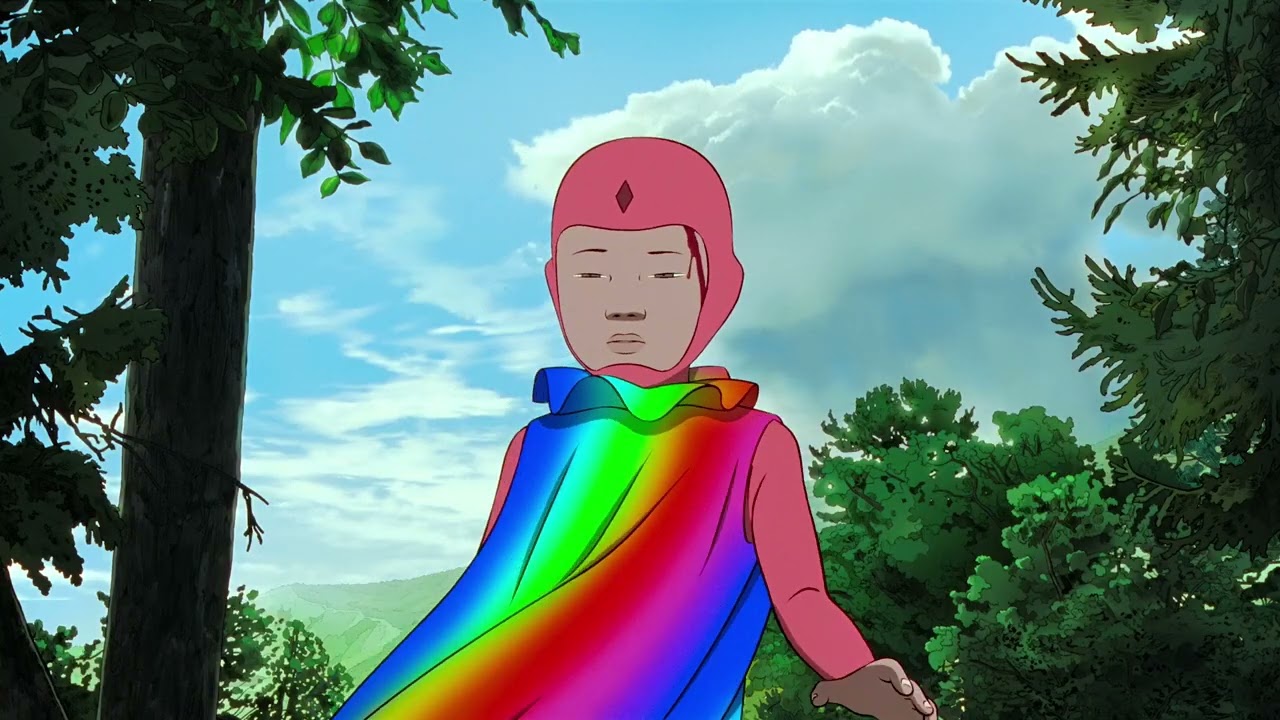
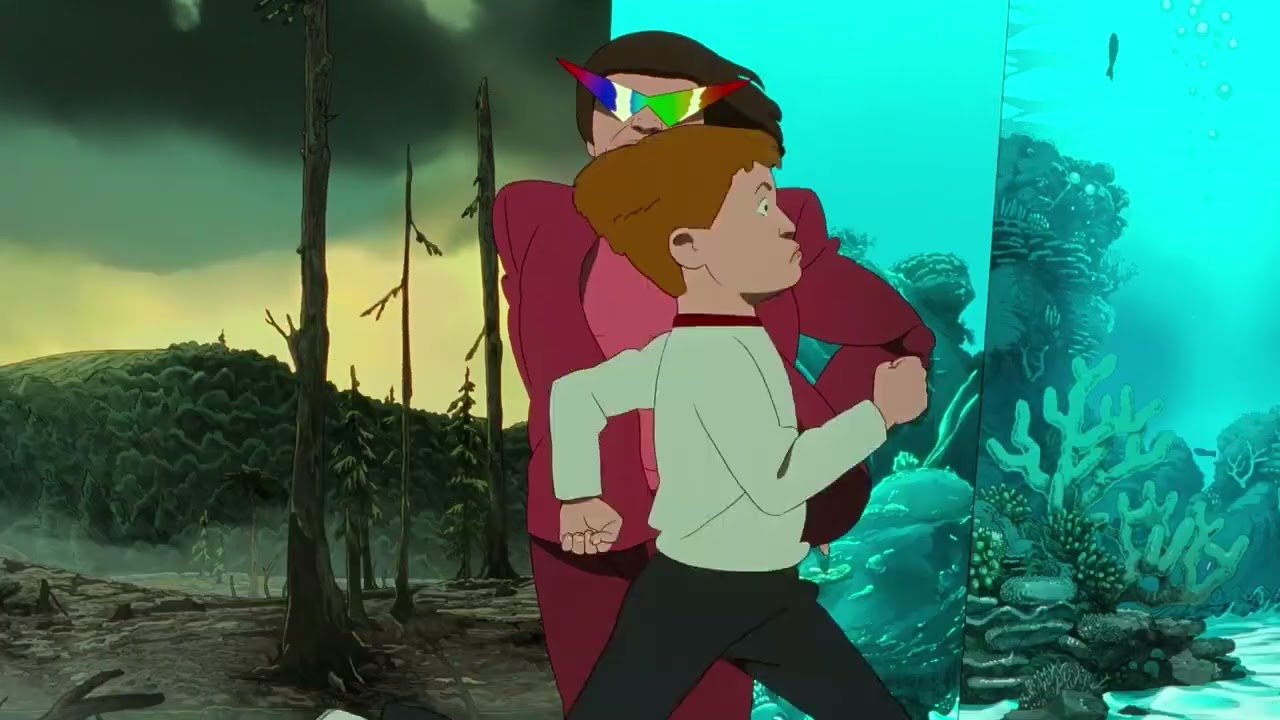
Bienvenu’s direction shows remarkable restraint for a story with time-travel mechanics and rainbow-suit technology. He keeps the camera focused on character interaction and emotional beats rather than overwhelming the frame with visual spectacle. The animation itself reflects this philosophy—detailed enough to be engaging, but never so cluttered that the human drama gets lost.
> The film’s themes of family, friendship, and coming-of-age aren’t new territory, but Bienvenu finds fresh angles by grounding them in the sci-fi premise rather than letting the premise overshadow them.
What emerged after the film’s theatrical run was something perhaps unexpected: recognition from the industry’s most prestigious institutions. Arco earned nominations for Best Animated Feature at both the Golden Globe Awards and the Academy Awards. That level of recognition for a modestly-budgeted French animated feature says something about where animation criticism has shifted—toward films that take risks and value character over spectacle.
The film’s influence on animated storytelling has been subtle but real. In an industry often obsessed with franchise potential and merchandising opportunities, Arco reminded audiences and creators that original animated films about complex emotions still matter. It proved that you don’t need a recognizable IP or a star-studded voice cast to tell a story worth telling.
Looking at Arco now, what stands out is its refusal to be precious about its own cleverness. The time-travel mechanic could have been treated as the main event—a puzzle box for audiences to unravel. Instead, it’s simply the circumstance that forces Arco and Iris to depend on each other. The film understands that interesting plots are just scaffolding for interesting relationships.
The film also exists at an interesting moment in animation history. Studios worldwide continue experimenting with hand-drawn techniques, CG animation, and hybrid approaches. Arco doesn’t participate in those larger industrial questions directly, but it does suggest that animation’s real power isn’t in technical advancement—it’s in the ability to literalize emotion and imagination in ways live-action simply can’t match. A child falling through a rainbow in a suit isn’t just metaphor; it’s a visual language that animation speaks natively.
For audiences discovering Arco now, it’s worth approaching without cynicism. This is a film made by people who trusted that children could handle complexity, that animation could explore real emotion, and that a modest budget doesn’t have to mean modest ambitions. It’s not perfect—no film is—but it’s genuine, and in contemporary cinema, that’s increasingly rare. That matters more than box office numbers or critical consensus ever could.


![Official Trailer [Dubbed]](https://img.youtube.com/vi/e4RrOe8IbI8/maxresdefault.jpg)