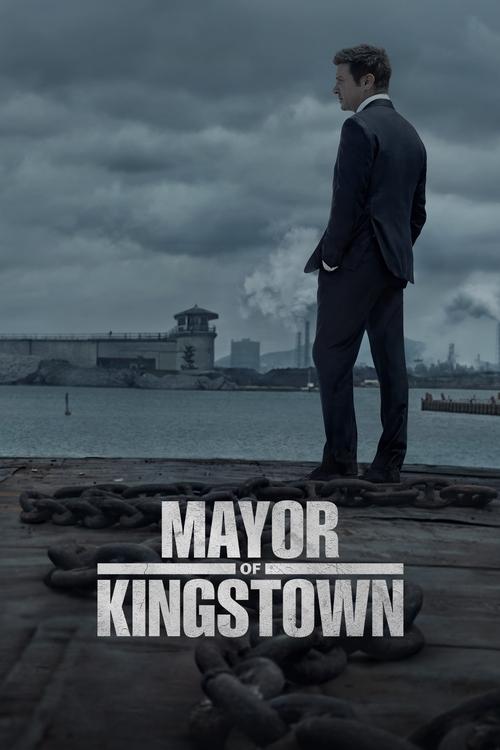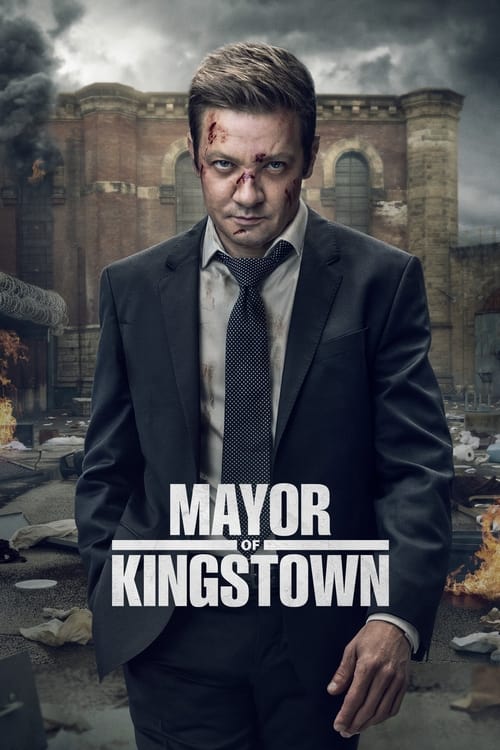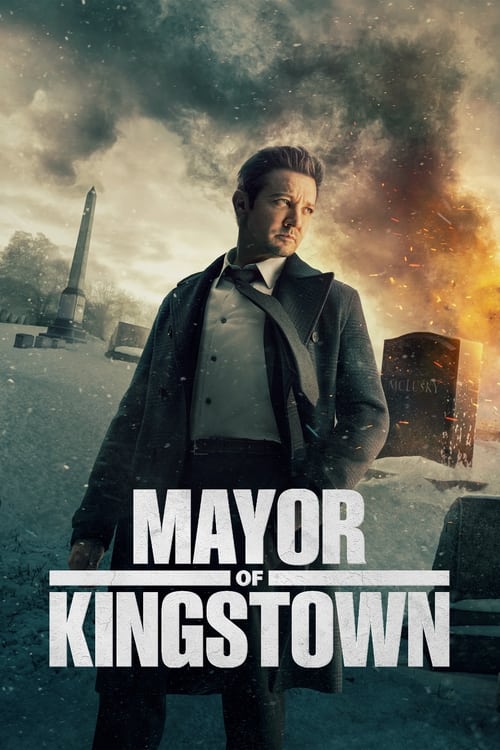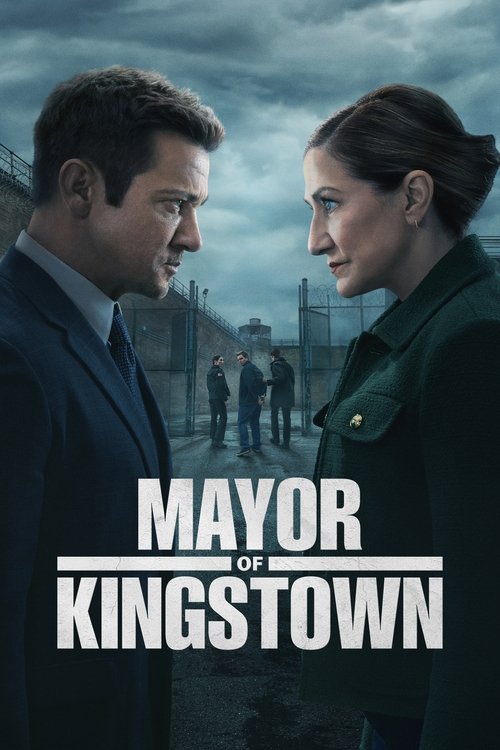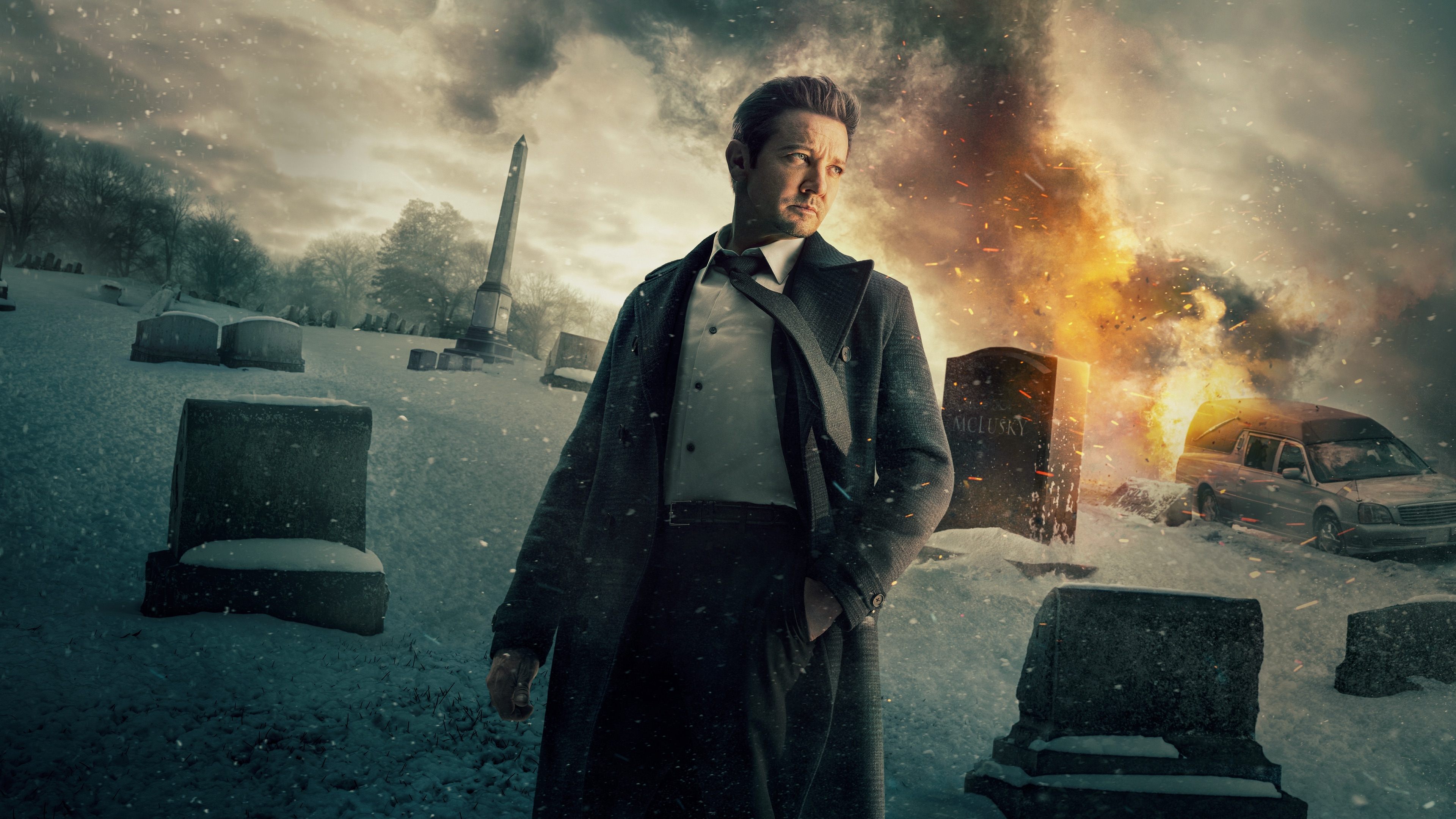
When Mayor of Kingstown premiered on Paramount+ in November 2021, it arrived with a premise that felt immediately relevant and provocative. Created by Hugh Dillon and Taylor Sheridan—the latter already known for his work on Yellowstone and Sicario—the show tackled a corner of American capitalism that rarely gets the spotlight: the prison industrial complex. But rather than approaching it as a documentary or heavy-handed morality play, Sheridan and Dillon crafted something more devious. They built a crime drama centered on a family that doesn’t run drugs or steal cars, but instead brokers power between every institution that profits from incarceration.
That’s the genius at the heart of this series. The McLusky family operates in Kingstown, Michigan—a fictional town completely dependent on prisons—where they move between worlds that usually never intersect. They talk to cops and criminals, guards and inmates, politicians and gang leaders. Nobody’s entirely clean here, and nobody’s entirely villain either. It’s a morally complicated space that refuses easy answers, which is exactly what made audiences pay attention. Over four seasons and 40 episodes, the show built something substantial enough to maintain a 7.9/10 rating from viewers who connected with its unflinching look at how money and power work in America.
The critical reception was rocky at first, which is worth acknowledging. When it debuted, professional critics were split—the show earned around 33% on Rotten Tomatoes early on. But here’s the thing: that didn’t stop people from watching. Viewers found something in Mayor of Kingstown that critics weren’t catching initially. The episodes didn’t follow traditional television rhythms. Without a fixed runtime hanging over each story, the show could breathe and move at its own pace, which meant scenes didn’t always wrap up neatly or deliver expected emotional beats. Some found that frustrating. Others found it refreshing.
What makes the McLusky family different from typical crime drama protagonists:
- They’re not kingpins or thieves—they’re middlemen and power brokers
- Their business is entirely legal, which creates unique moral ambiguity
- The family dynamic itself becomes the real conflict, not external enemies
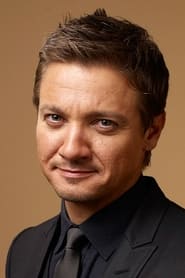
- Jeremy Renner’s Mike McLusky is the anchor, but he’s not a typical action hero
- The world they navigate is systemic and institutional, not individual
Watching Mike navigate these worlds became the core appeal. He’s caught between his family loyalty, his survival instincts, and the reality that everyone around him is compromised. Dianne Wiest joined as his mother, bringing weight and history to the family dynamic in ways that grounded the show’s more outlandish moments. The supporting cast developed depth across the seasons—characters who initially seemed like plot devices revealed themselves as fully realized people with their own stakes in Kingstown’s economy.
By season two, which aired in early 2023, the show had found its footing. Viewers had adjusted to its rhythms, and the writing had sharpened. The 50% critical score reflected some improvement in how professional critics engaged with what the show was actually trying to do. But the important metric was that 572 viewers had rated it, showing this wasn’t a tiny niche audience. People were investing in these characters and this world in significant numbers.
What the show does better than most crime dramas is resist the urge to make its villain the protagonist. There’s no glorification here. The prison system is presented as a machine that grinds people up, and the McLuskys profit from that grinding. That’s uncomfortable, and the show never lets you forget it. When Mike tries to do the right thing, the system punishes him. When he plays along, he becomes complicit in something larger and darker. It’s a trap with no exit, which is more honest than most television wants to be.
The creative choice to not lock down runtime was also significant. Modern television is obsessed with standardization—episodes should be roughly 42 minutes or 60 minutes, fitting neatly into broadcast windows or streaming schedules. Mayor of Kingstown treated each episode as its own story with its own shape. Sometimes that meant lingering on a conversation. Sometimes it meant cutting away before you expected. It gave the show a different energy than the typical prestige drama, less manicured and more alive.
Why the show resonates in 2024 and beyond:
- It exists in a genuine gray zone morally—no characters deserve your full support or condemnation
- The prison industrial complex remains an active, unresolved American problem
- The family drama is genuinely complicated, not melodramatic
- It treats its audience as intelligent enough to sit with ambiguity
- The performances from Renner and the ensemble cast ground the bigger themes in human stakes
As the show continues with its Returning Series, what’s worth appreciating is that Mayor of Kingstown never tries to be something it’s not. It’s not going to have the cultural moment of Yellowstone, and it doesn’t need to. It found its audience—people who want crime drama that actually engages with systems rather than just chasing individual criminals. Over four seasons and 40 episodes, it built something that respects its viewers’ intelligence and refuses to provide comfortable answers to uncomfortable questions. That’s rarer than it should be.