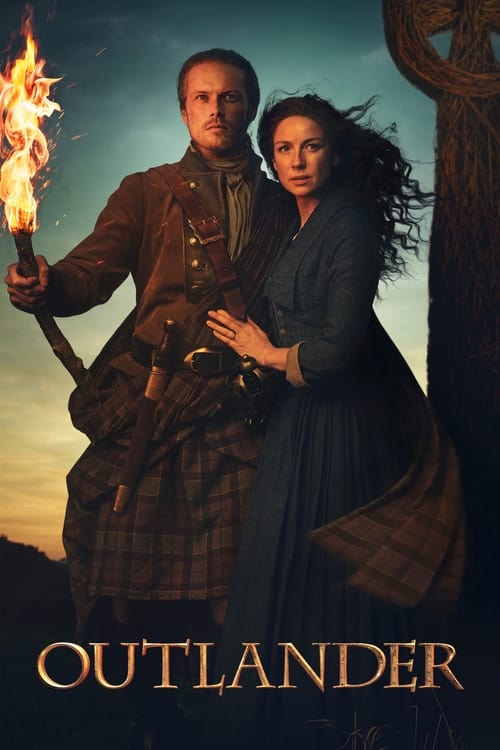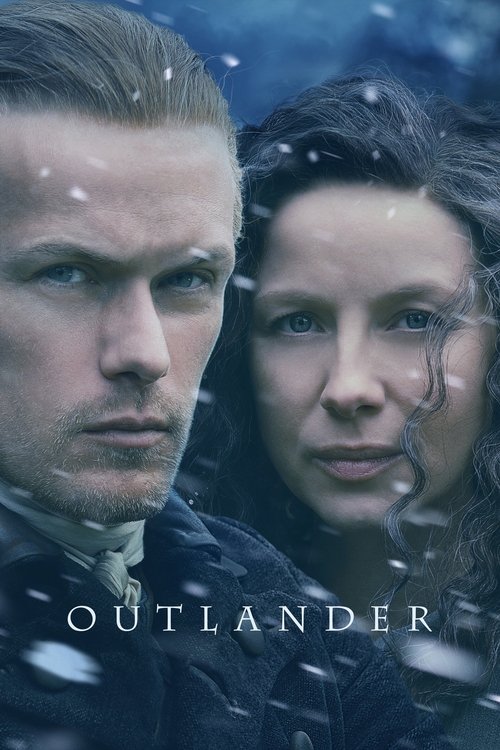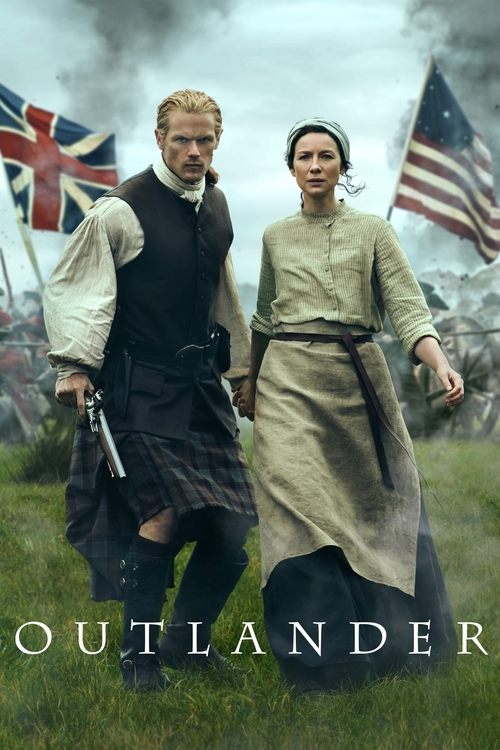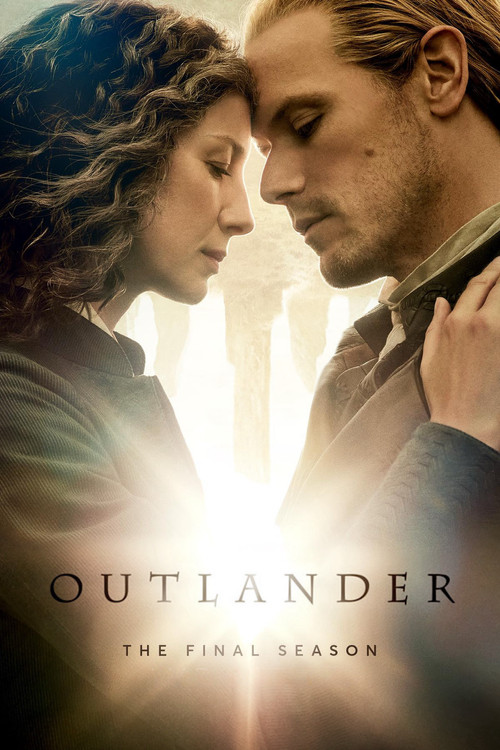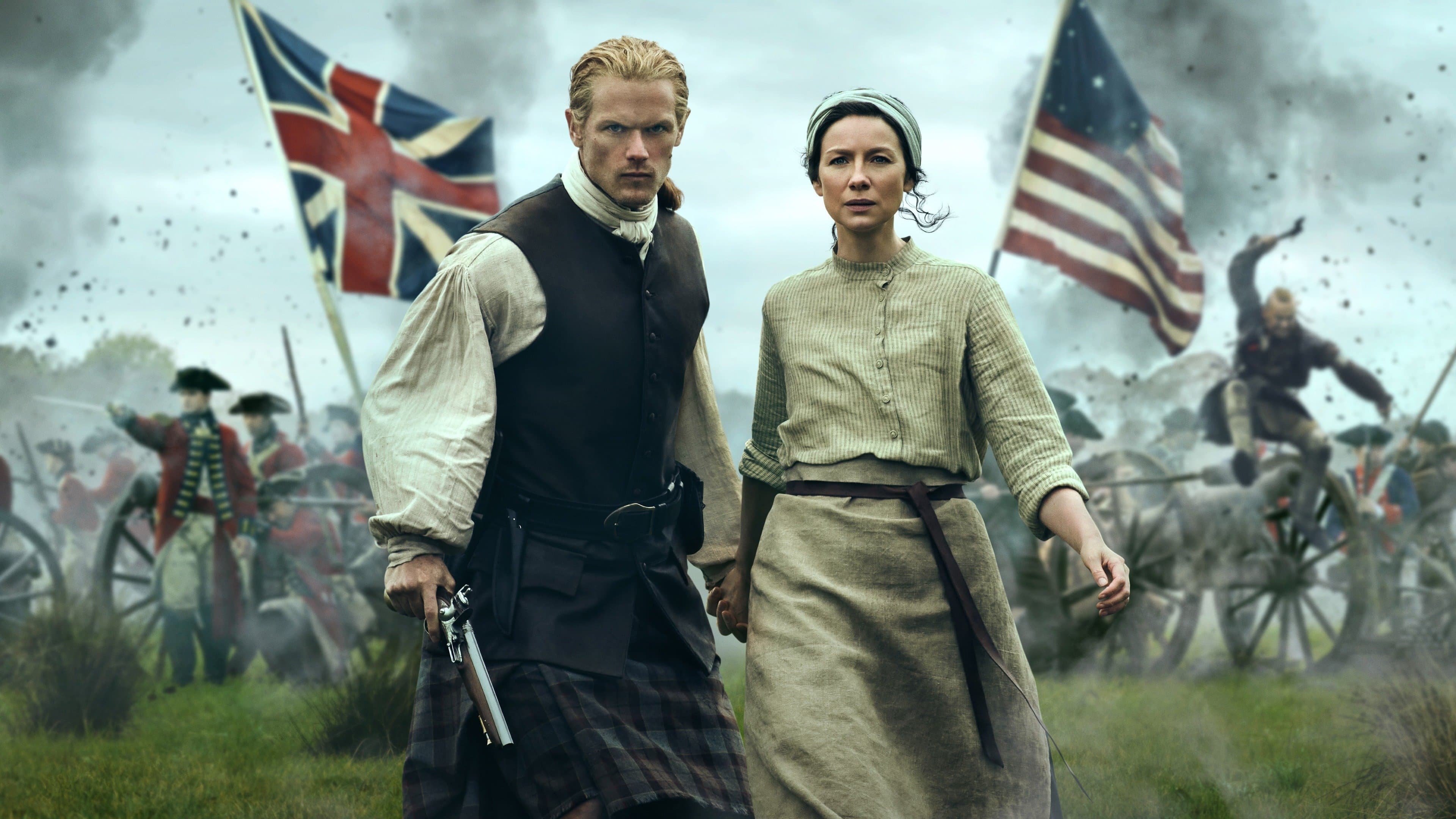
When Outlander premiered in 2014, it arrived as something television didn’t quite know how to categorize. Here was a show that refused to pick a lane—simultaneously a historical drama, a time-travel science fiction story, and a sweeping romantic epic. Ronald D. Moore, the creative force behind the series, had adapted Diana Gabaldon’s sprawling novels into something that shouldn’t have worked but absolutely did. That willingness to blend genres without apology became the show’s greatest strength, and over eight seasons spanning 92 episodes, it proved that audiences were hungry for storytelling that refused easy categorization.
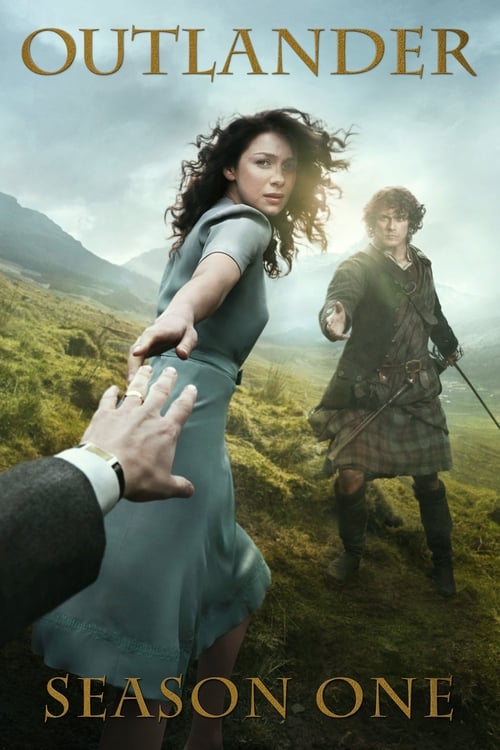
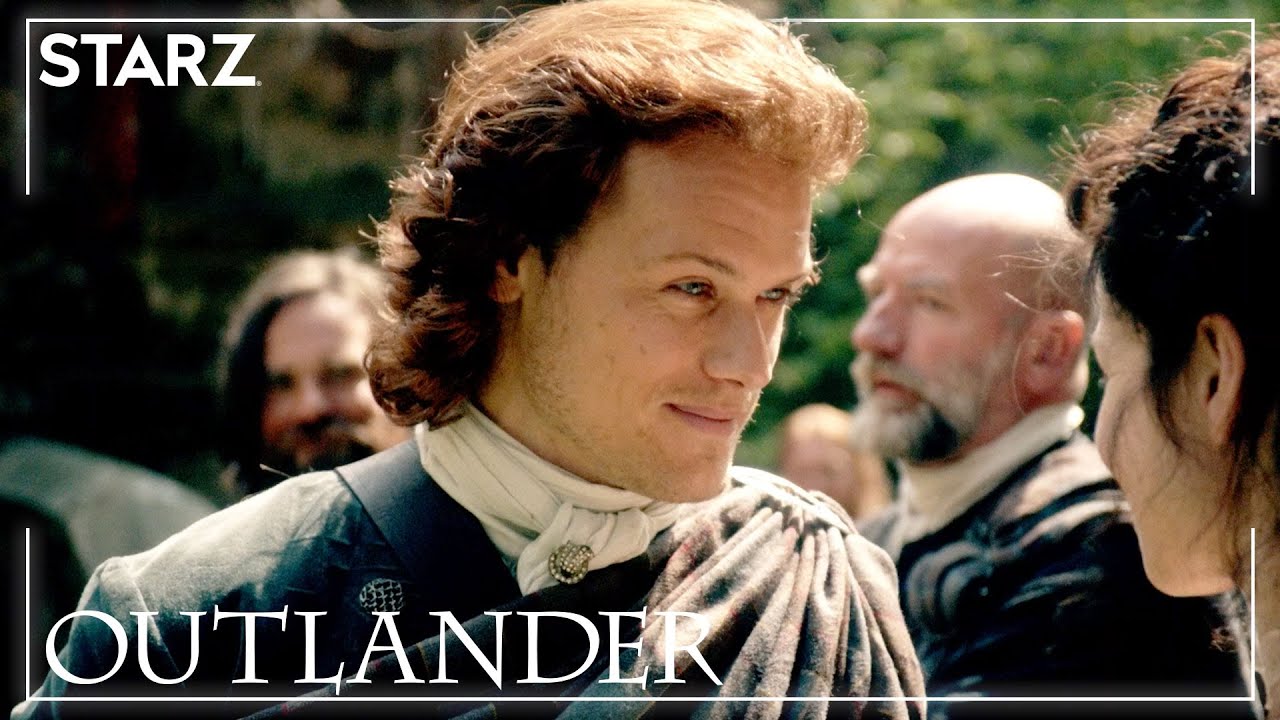
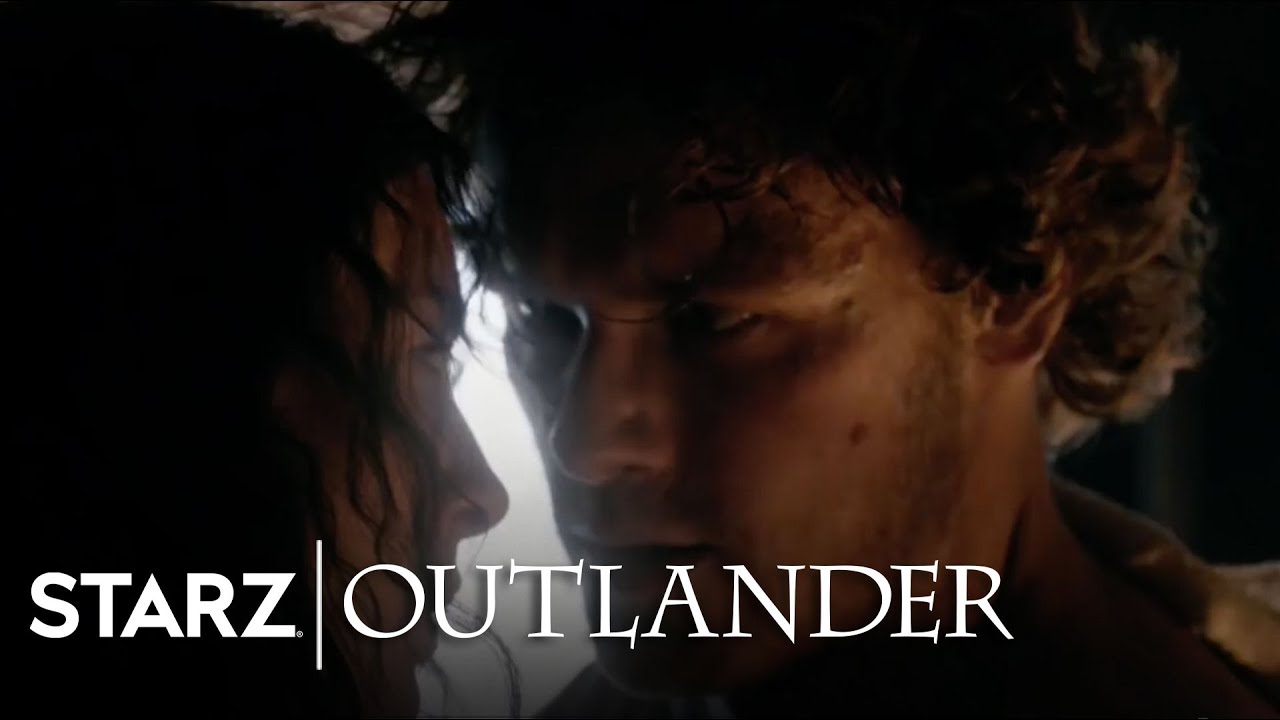
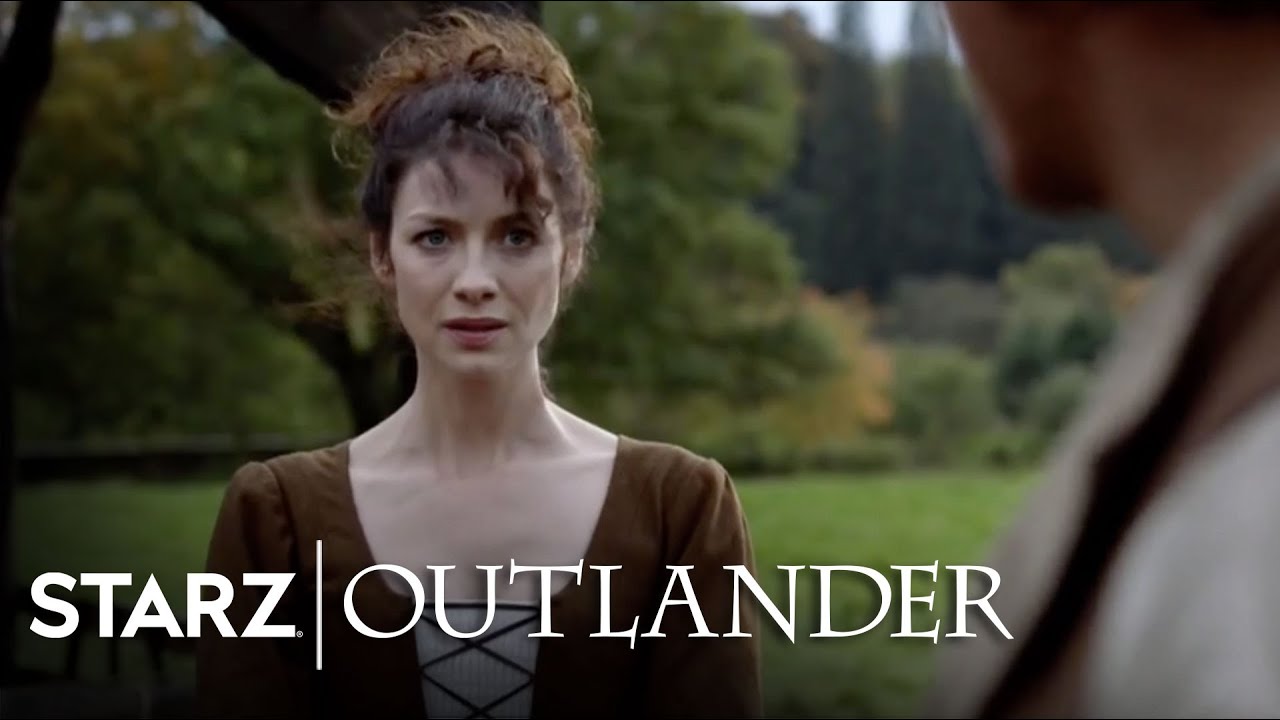
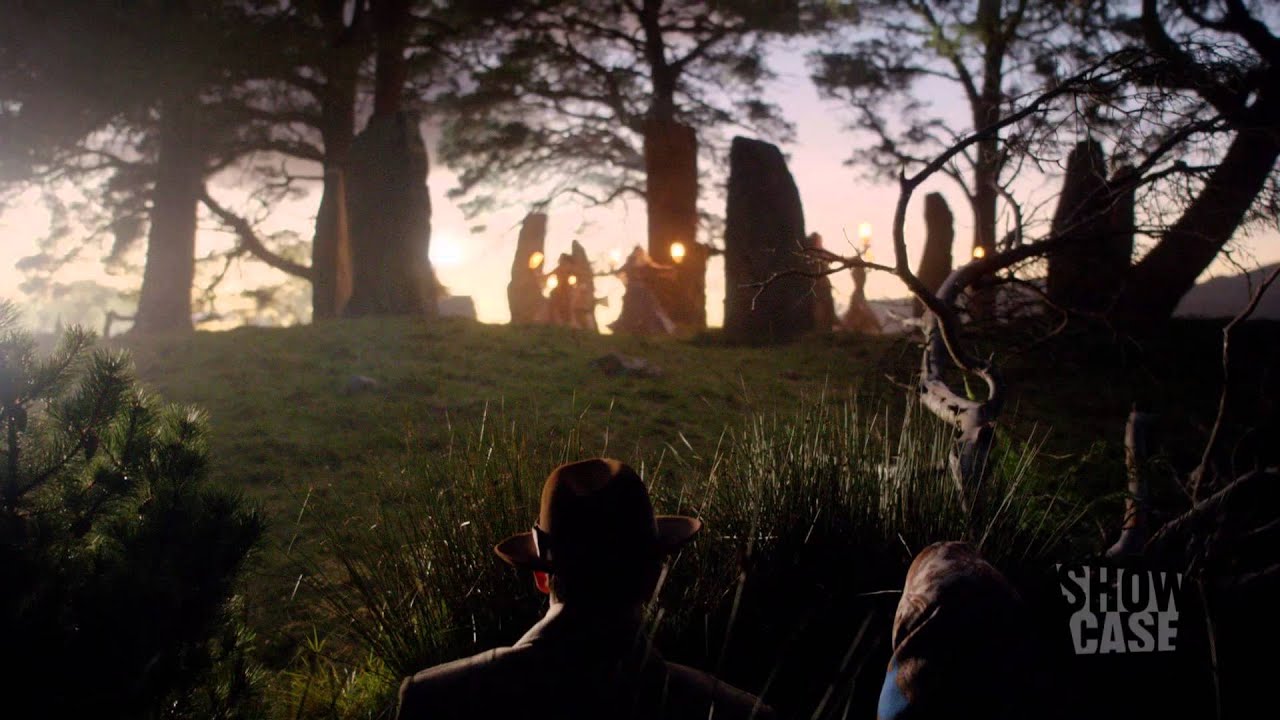
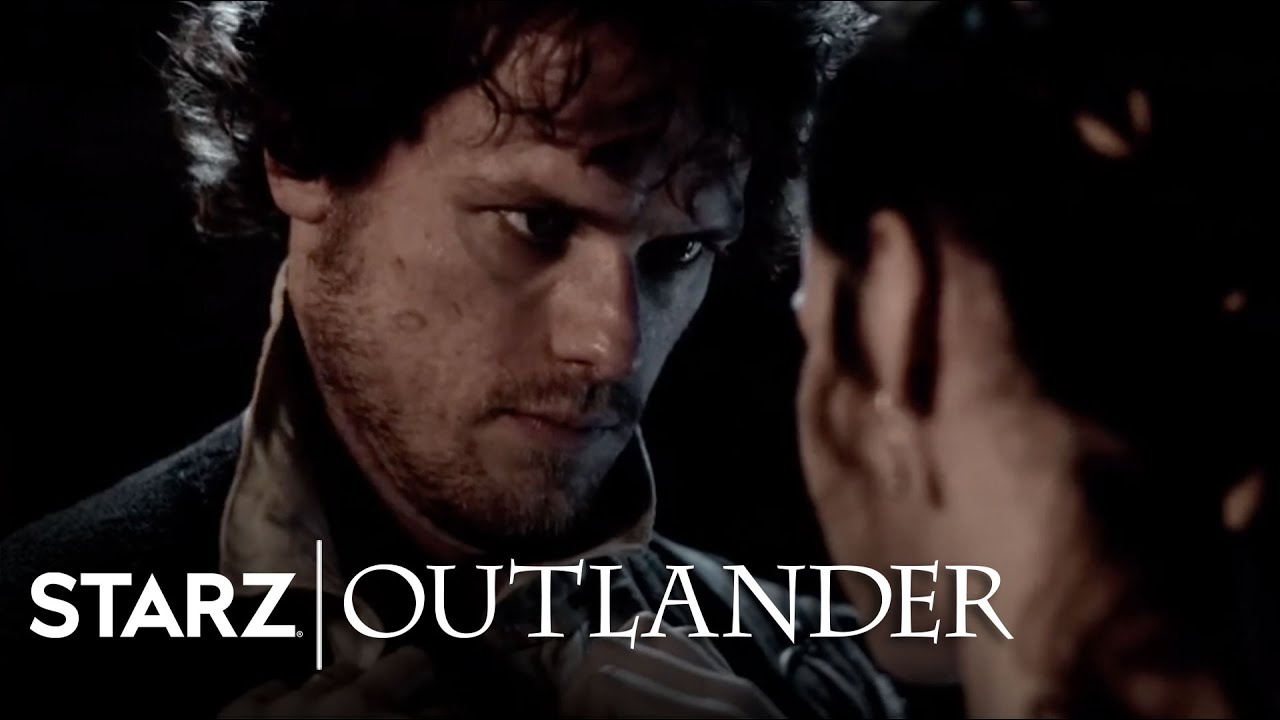
The central premise is deceptively simple: Claire Randall, a World War II combat nurse, stumbles through a mysterious stone circle in 1945 Scotland and finds herself transported back to 1743. What could have been a gimmicky setup instead becomes the foundation for genuine emotional stakes. Claire isn’t a tourist in the past—she’s trapped between two impossible lives. Her marriage to her husband Frank in 1945, a man she loved, suddenly feels like a ghost story when she’s forced to build a new life with Jamie Fraser, a young Scottish warrior who becomes her anchor in this hostile, unfamiliar world. That central conflict never gets old because it’s never really resolved. It’s the engine that drives the entire narrative.
What audiences connected with most was the refusal to treat this as simple wish-fulfillment fantasy. Yes, there’s romance and adventure, but there’s also real consequence. When Claire makes choices, they devastate people. When she and Jamie are separated, it destroys them both. The show earned its 8.2/10 rating from 2,761 votes by treating emotional complexity seriously, and that consistency across seasons is what built the devoted fanbase.
The storytelling approach that changed things:
- Moore’s decision to allow episodes breathing room—not constraining them to rigid runtimes—meant scenes could land with proper weight
- Character development unfolded over extended sequences rather than punchy montages
- Historical detail was woven throughout rather than feeling like exposition dumping
- The show trusted viewers to handle moral ambiguity without neat resolutions
The cultural impact of Outlander reveals itself in how it shifted conversations about what prestige television could be. This wasn’t a prestige drama in the Game of Thrones mold, even though it aired on STARZ during that era of subscription-driven prestige television. Instead, it proved that stories centered on female desire, historical authenticity, and romantic complexity could draw audiences who wanted something deeper than spectacle. The obsessive fandom didn’t emerge from shock value or plot twists—it came from people genuinely invested in whether Claire and Jamie would find their way back to each other, season after season.
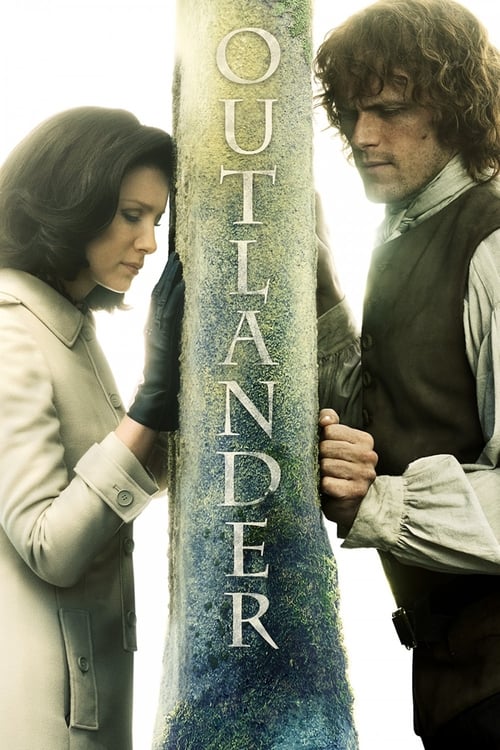
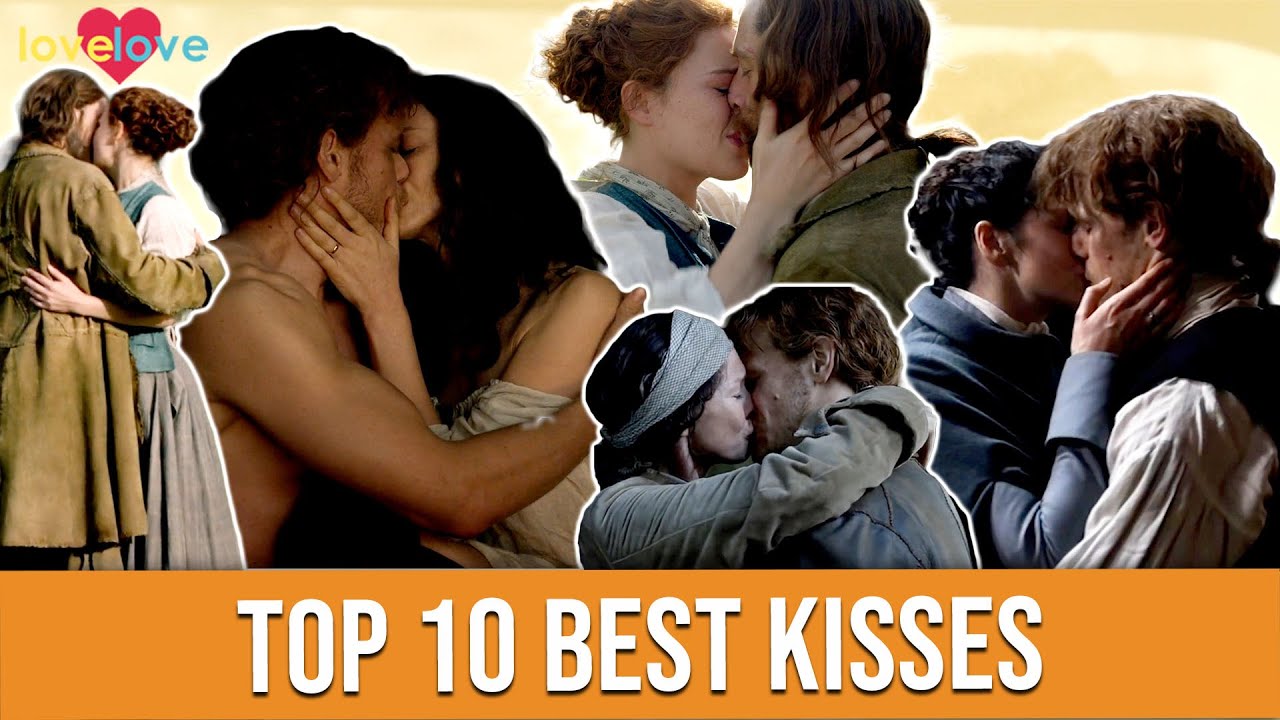
The romance itself deserves particular attention because it’s rarely treated with this much intelligence in television. The relationship between Claire and Jamie isn’t a will-they-won’t-they. They’re committed to each other from relatively early in the series, which frees the show to explore something more interesting: how two people survive impossible circumstances together. Their marriage becomes a character itself, tested by separation, trauma, betrayal, and the fundamental incompatibility of the time periods they’re connected to.
What made the show endure through eight seasons:
The willingness to venture into darker territory without losing the emotional core. The show didn’t shy away from depicting sexual violence, the brutality of historical conflict, or the moral complexities of colonialism and war. Yet it never felt exploitative because it stayed grounded in character perspective rather than using trauma as spectacle.
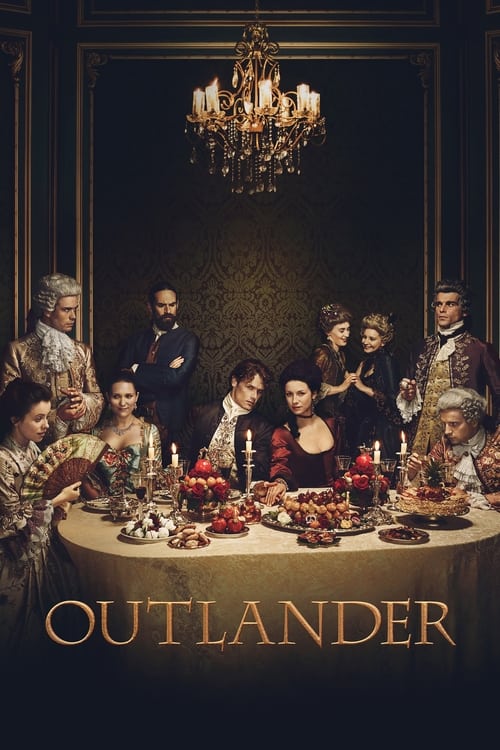
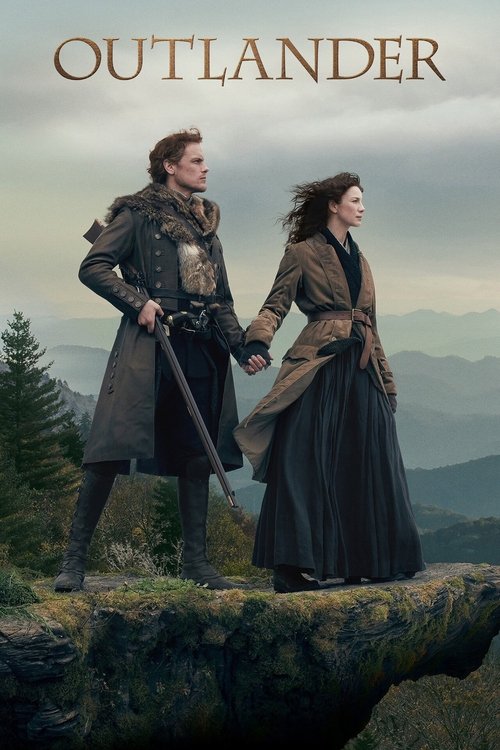
The ensemble cast that grew around the central couple gave the narrative room to expand. Secondary characters earned their own arcs with genuine stakes. By later seasons, the world expanded considerably—the American Revolution arrived, colonial politics became central, and the scope broadened without losing the intimate character work that made everything matter.
The production itself improved as it went. Early seasons had lower budgets and some rough spots, but Moore and his team learned to maximize resources. The Scottish locations felt lived-in rather than like sets. Battle sequences packed real weight. The costume and production design consistently grounded viewers in specific historical moments.
There’s something worth noting about how Outlander managed the transition from premium cable to Netflix availability. As it expanded to Returning Series status with wider distribution across multiple streaming platforms, new audiences discovered it. The show’s willingness to take time with storytelling—those variable runtimes that allowed scenes to breathe—suddenly looked countercultural compared to the breakneck pacing of many contemporary dramas. It moved like literature adapted for television, which makes sense given its source material.
The show isn’t perfect. Some seasons got tangled in their own mythology. The time-travel element occasionally felt like it was being figured out on the fly rather than working from a predetermined plan. And the scope sometimes outran the budget’s ability to deliver certain sequences with full cinematic weight. But those imperfections never diminished what made people care. They cared because Claire Randall was a fully realized person making impossible choices, because Jamie Fraser was worth believing in, and because their relationship felt like something worth eight seasons of investment.
Outlander ultimately succeeded because it understood that great television doesn’t require constant plot escalation. Sometimes the biggest moments are quiet ones—two people finding each other again after time and circumstance tried to tear them apart. That willingness to let emotion breathe, to trust actors like Caitríona Balfe and Sam Heughan to deliver nuanced performances without constant dramatic machinery, created something that resonated with viewers across different countries and demographics. It proved that a show could be romantic without being lightweight, historical without being dry, and fantastical without losing emotional grounding. That’s a genuine achievement, and it’s why people keep coming back.