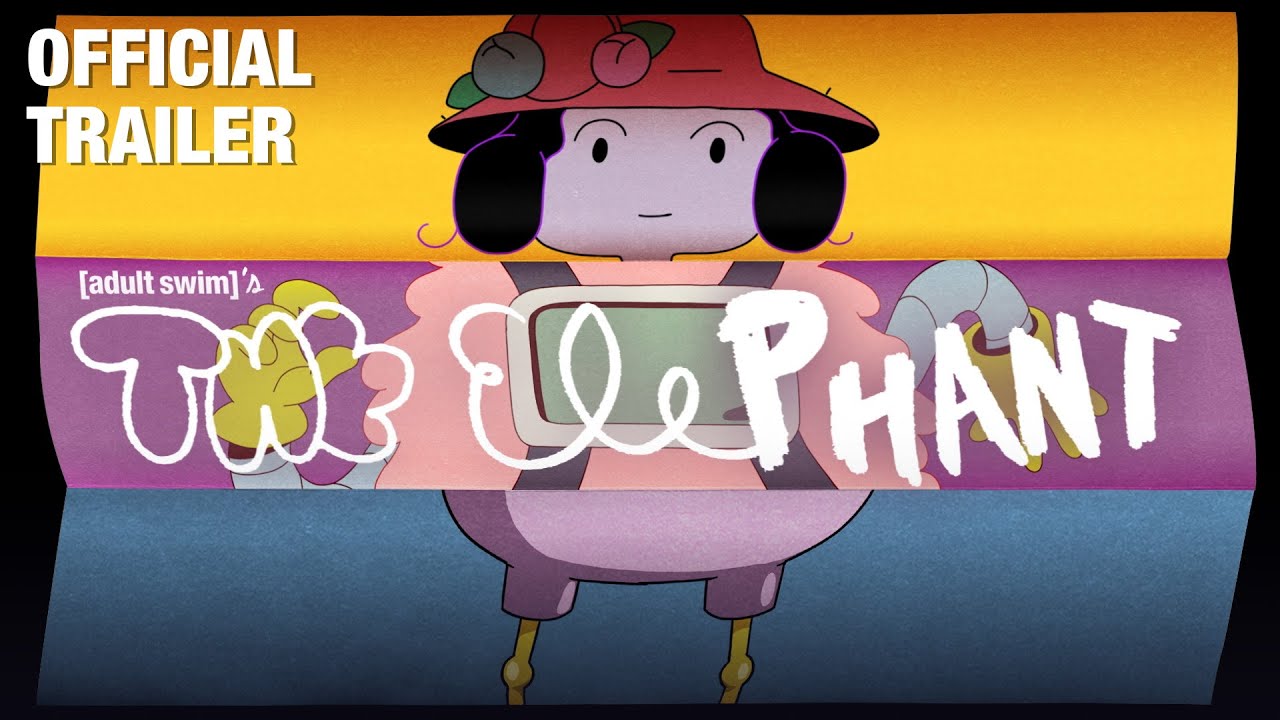
When Rebecca Sugar’s The Elephant premiered on Adult Swim in December 2025, it arrived as something genuinely rare in animation: a project that treated the medium as a vessel for multiple creative voices rather than a single vision. This 23 minutes-minute special didn’t just ask different directors to contribute segments—it fundamentally challenged what animation could say about loneliness, purpose, and belonging by letting three distinct stylistic approaches coexist within one narrative.
What makes The Elephant significant is how it refuses to play it safe. In an animation landscape increasingly dominated by franchise work and algorithm-friendly content, here was Adult Swim green-lighting something explicitly experimental. The three-part structure, each directed by animation veterans with distinct visual languages, could have felt scattered. Instead, it became the film’s greatest strength. You’re watching the same character—an elephant searching for meaning—reimagined three times over, each interpretation revealing different facets of what it means to be out of place in the world.
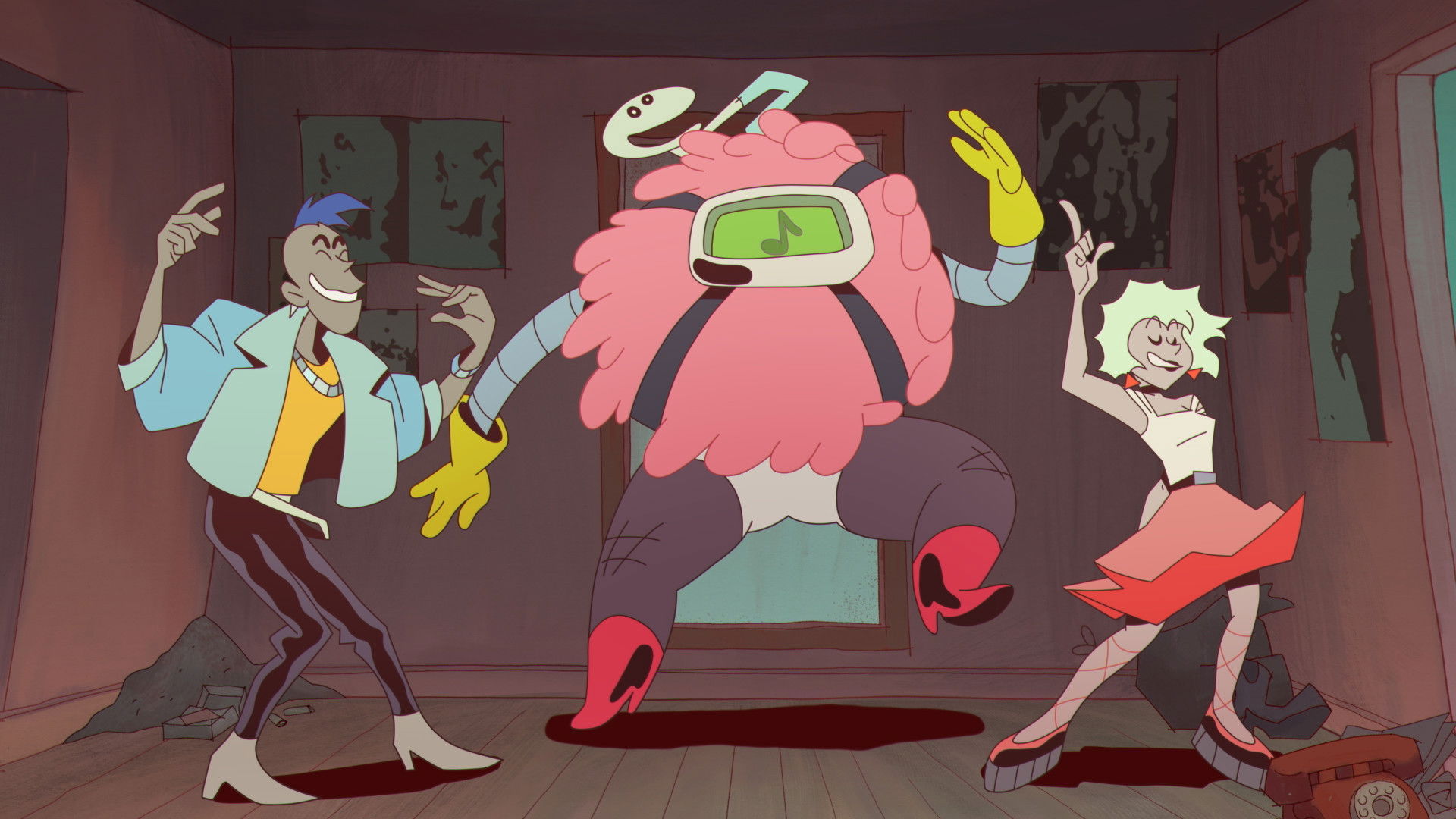
The creative team behind this is worth paying attention to. Rebecca Sugar, the mind behind Steven Universe, brought narrative sensibility and emotional intelligence to the framing. Ian Jones-Quartey (OK K.O.! Let’s Be Heroes) contributed a section that examines the elephant as a party animal, complete with a dance-music button—a premise that sounds absurd until you realize it’s asking something serious about forced happiness and manufactured joy. Patrick McHale, who created Over the Garden Wall, positioned the elephant as a broken invention, a being struggling against its programming. These aren’t just stylistic flourishes. They’re philosophical interrogations wrapped in animation.
> “A story told in three parts about finding your place in this cruel world.”
The film earned a 8.7/10 rating from 12 votes, which tells you something important: audiences responded to its ambition. This wasn’t a cautious critical response to niche content. People engaged with it. They recognized that beneath the varied animation styles and genre-hopping sat something genuine about alienation and self-discovery.
What makes the execution work:
- Visual consistency within variety — Each segment maintains distinct aesthetics while keeping the elephant recognizable and emotionally coherent
- Thematic resonance — All three parts circle back to a central question about identity and belonging, making the anthology structure feel purposeful rather than fragmented
- Voice performances — Jordan Jensen, Maria Bamford, and SungWon Cho brought specificity to their roles, avoiding the trap of overwrought emotional performances that plague some animated dramedy
- The Adult Swim context — Premiering late-night on Adult Swim positioned the film exactly where it needed to be, reaching an audience primed for experimental storytelling
The collaboration between Titmouse and Williams Street—both studios with strong track records of boundary-pushing work—made this possible. You don’t get projects like this without studios willing to fund something that doesn’t fit neatly into existing templates. The budget and box office numbers remain undisclosed and undisclosed, which is telling in itself. This wasn’t made as a commercial vehicle. It was made because the people involved believed in it.
What resonates most about The Elephant is its emotional honesty. Animation often trades in sentimentality, but this film understands the difference between sentiment and genuine feeling. The elephant isn’t cute in a merchandisable way. It’s uncertain, flawed, searching. The three different interpretations don’t soften that central truth—they deepen it. By the time you’ve seen the character through three different artistic lenses, you’ve lived with this creature long enough to recognize yourself in its confusion.
The film also matters because it demonstrates that animation remains a medium for serious artistic inquiry, not just entertainment. When you give artists like Sugar, Jones-Quartey, and McHale the space to work—even in a compressed 23 minutes-minute format—something genuine emerges. No focus groups. No algorithmic compromise. Just filmmakers trusting their instincts and audiences trusting them back.
The Elephant won’t be for everyone. It’s deliberately strange, occasionally uncomfortable, and resistant to easy interpretation. But that’s exactly why it deserves your attention. In a media landscape obsessed with franchise continuity and proven IP, this project stands as a reminder that animation can still be a form of personal expression. The film premiered to critical recognition and found its audience through genuine word-of-mouth appreciation rather than marketing saturation.
What lingers after watching is the central thesis: sometimes finding your place in a cruel world doesn’t mean discovering where you belong. Sometimes it just means accepting that you’re allowed to exist anyway, in whatever form that takes. Sugar, Jones-Quartey, and McHale wrapped that idea in three different visual and narrative approaches, and somehow it all holds together. That’s not an accident. That’s artistry.