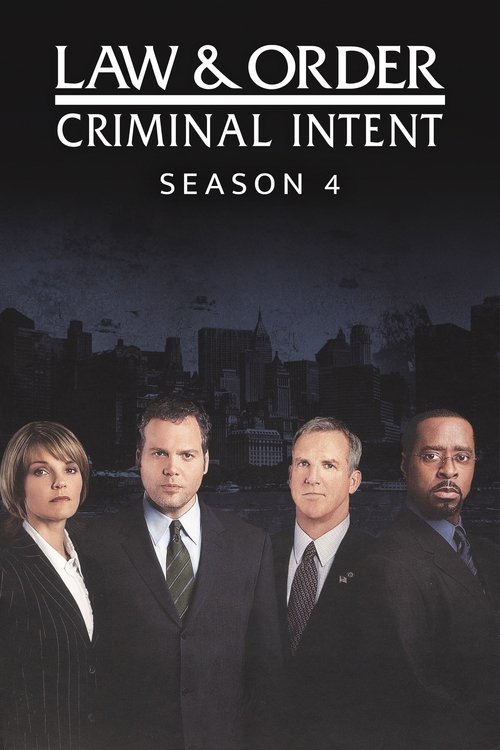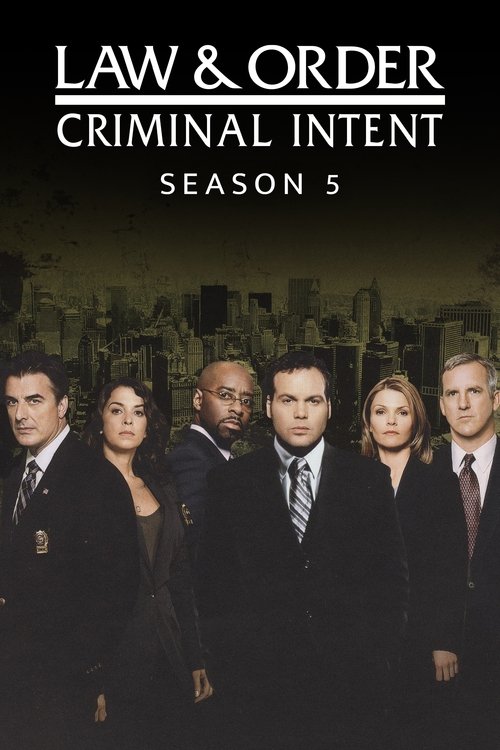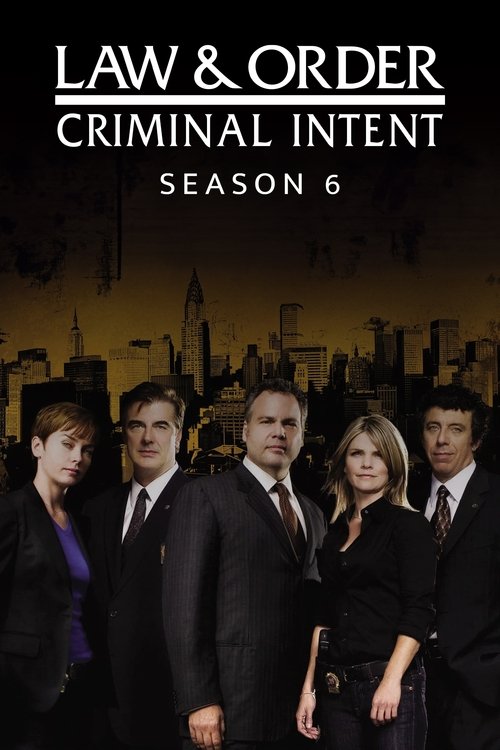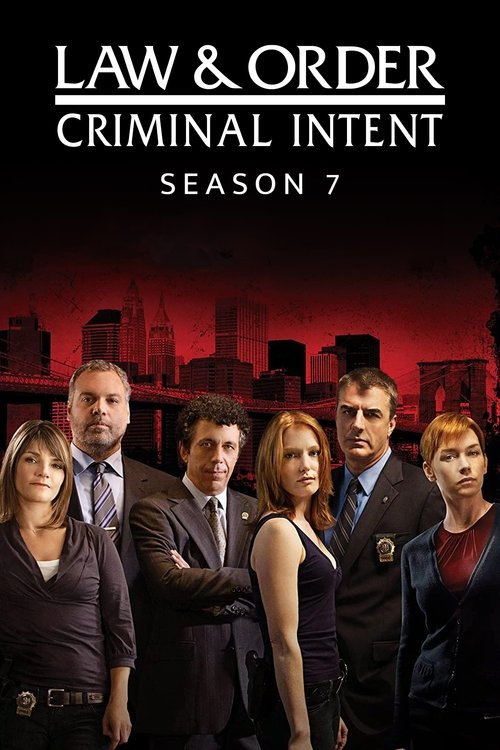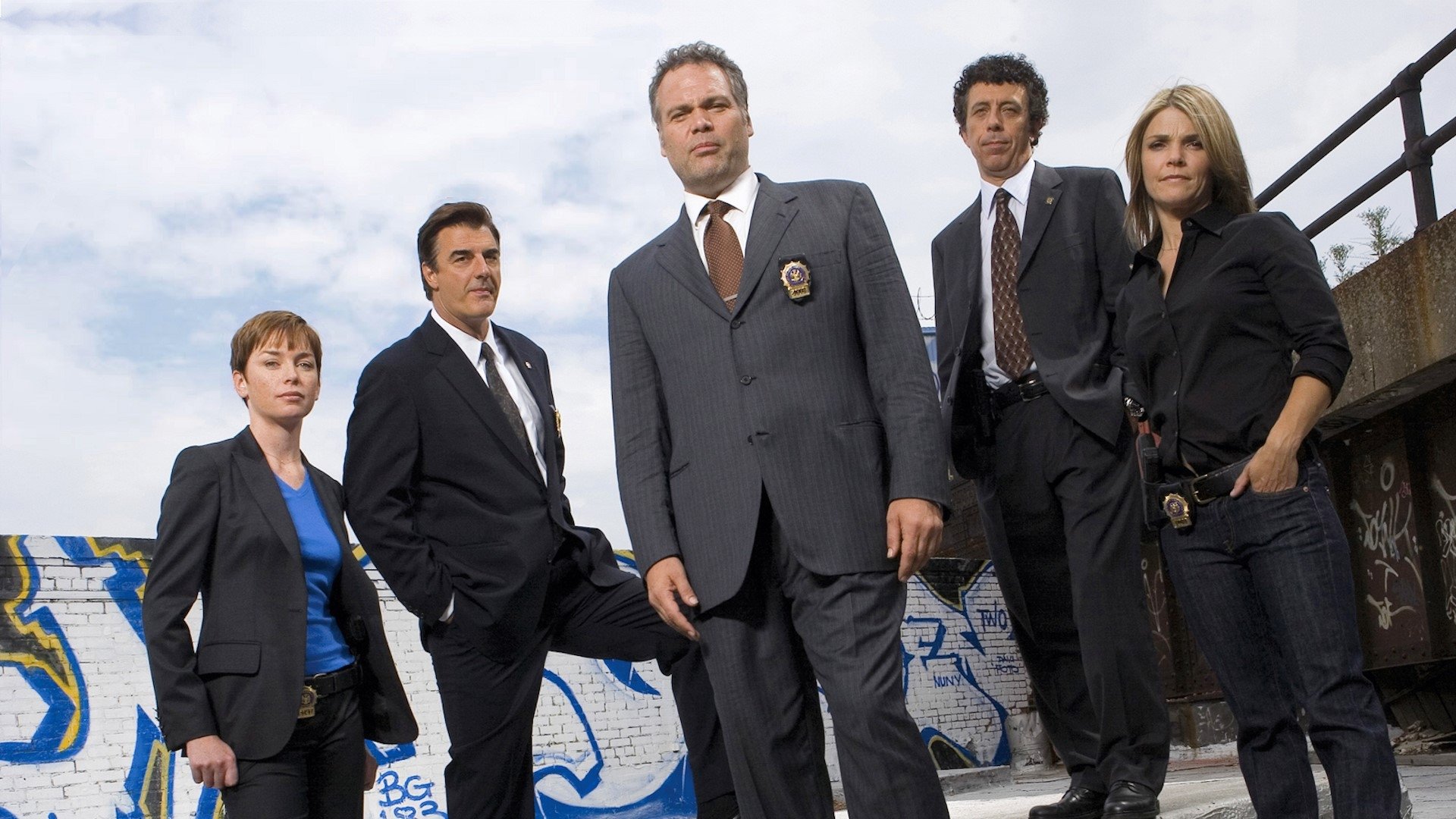
When Law & Order: Criminal Intent debuted on September 30, 2001, Dick Wolf was taking a calculated risk. The Law & Order franchise had already proven itself with the original series and SVU, but introducing a third installment meant betting that audiences would embrace yet another interpretation of the procedural formula. What Wolf and his team delivered instead was something that stood apart—a show that peeled back the layers of criminal psychology rather than simply solving cases. Over its 10-season run and 195 episodes, the series earned a 7.6/10 rating that speaks to its ability to connect with viewers who appreciated its unconventional approach.
The show’s fundamental difference lies in how it positioned its narrative. Rather than the traditional structure where detectives gather evidence and prosecutors build cases, Criminal Intent spent considerable time inside the minds of its perpetrators. The Major Case Squad didn’t just investigate crimes—they psychologically dismantled them. This inversion of perspective gave the 42-minute runtime a unique rhythm. Instead of building suspense toward a courtroom revelation, episodes created tension through the intellectual cat-and-mouse game between detective and criminal. The format demanded tight storytelling, and it forced writers to trust their audience’s intelligence.
At the heart of the show’s identity were two central performances that defined its entire run:
- Vincent D’Onofrio’s Detective Robert Goren became an icon of neurotic brilliance—a man whose unorthodox methods and psychological insight bordered on manipulation
- Kathryn Erbe’s Detective Alexandra Eames provided the counterbalance, offering skepticism and moral clarity to Goren’s increasingly abstract theories
- The dynamic between them became the show’s emotional anchor, even as cases grew darker and more complex
What made Criminal Intent resonate with audiences went beyond just casting. The show arrived during a moment when television was beginning to question its own procedural conventions. While other shows in the franchise followed established rhythms, Wolf’s third entry asked: what if we made the criminal the focus? What if the detective work became less about forensics and more about psychological warfare? This perspective shift might seem subtle on paper, but it fundamentally altered what viewers expected from an episode. A case could resolve procedurally while leaving deeper questions about motivation and morality unresolved.
The series also benefited from a willingness to evolve its premise. Early seasons leaned heavily on Goren’s eccentricities and intuitive leaps. As the show progressed, it began exploring the toll of this work—how living inside criminal minds might damage someone psychologically. The show didn’t shy away from suggesting that Goren’s genius came with a cost. Episodes stopped being purely about solving puzzles and started asking whether solving them mattered if you lost yourself in the process.
> The show understood something fundamental about the procedural format: audiences didn’t just want answers. They wanted to understand why people committed crimes, and more uncomfortably, they wanted to see themselves reflected in those explanations.
The critical establishment gave the show respect even when viewership fluctuated. That 7.6/10 rating represents something important—it’s not the kind of score you get for mere competence. It reflects a show that consistently tried to do something different within a genre that could easily have coasted on formula. The 195 episodes across a decade of television represented a sustained creative commitment to exploring moral ambiguity in ways that mainstream procedurals typically avoided.
Culturally, Criminal Intent influenced how subsequent shows approached detective work. The emphasis on psychological profiling and the detective’s internal struggle became more common in shows that followed. The idea that a detective’s methods might be questionable, even if they produced results, opened conversations that procedurals had previously sidestepped. By treating the detective’s psychology as equally important as the criminal’s, the show suggested that solving crimes and maintaining your humanity might not always align.
The show’s journey from 2001 to its conclusion as an Ended series marks a particular kind of television achievement. It wasn’t the ratings juggernaut that the original Law & Order became, but it carved out space for itself through consistent creative ambition. Networks don’t typically renew shows for ten seasons based on prestige alone, which means Criminal Intent earned its longevity by doing something audiences actively wanted to watch.
What endures about Criminal Intent is its refusal to offer easy answers. The show presented crime not as a puzzle with a clean solution but as the manifestation of fractured psyches and broken circumstances. The 42-minute format meant every scene had to count, every conversation between Goren and Eames had to advance both the case and our understanding of these characters. That discipline created something that holds up. You can return to these episodes and find layers you missed—character moments that seemed incidental but actually predicted later developments, throwaway lines that hint at deeper fractures in Goren’s mind.
In an era when television has become increasingly interested in antiheroes and moral complexity, Criminal Intent looks less like a procedural and more like an early exploration of how crime shows could function as character studies. It proved that within the constraints of the franchise format and network television structure, you could still say something meaningful about obsession, brilliance, and the cost of understanding darkness too well. That’s worth remembering.