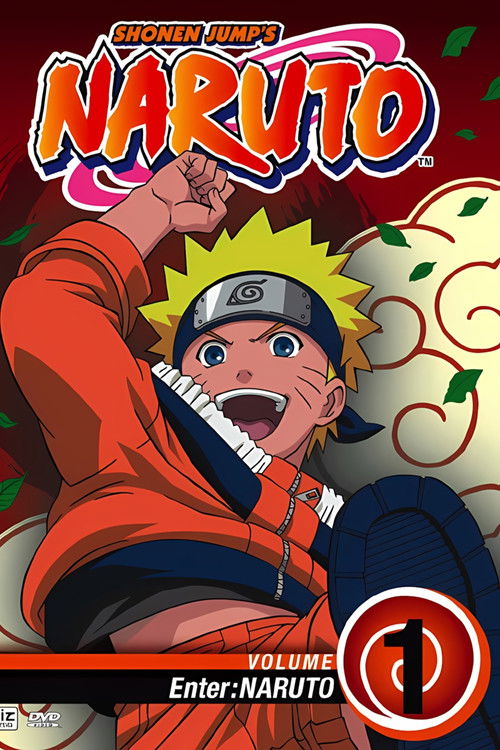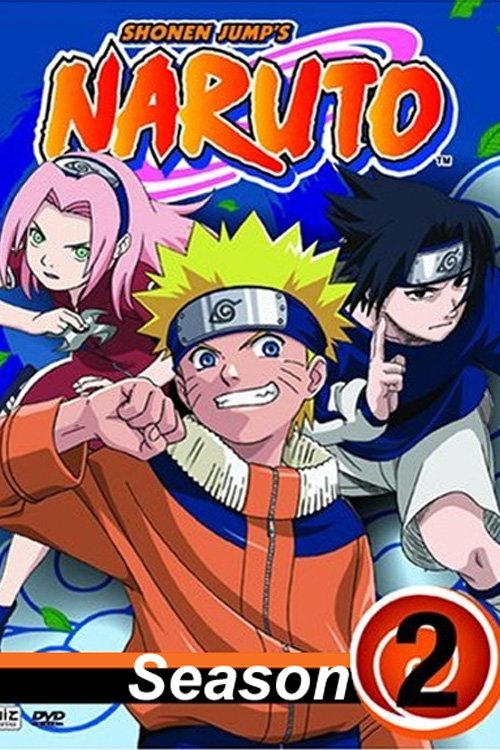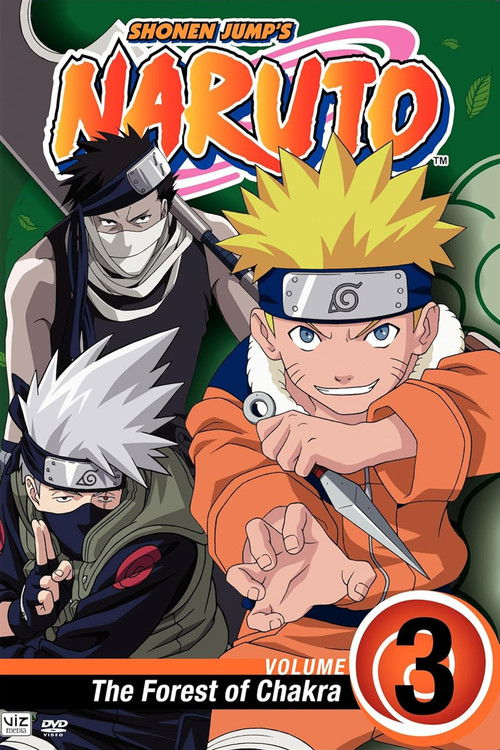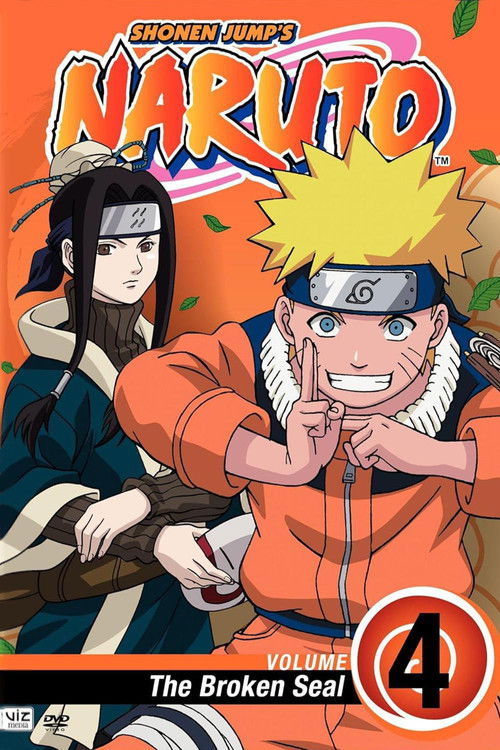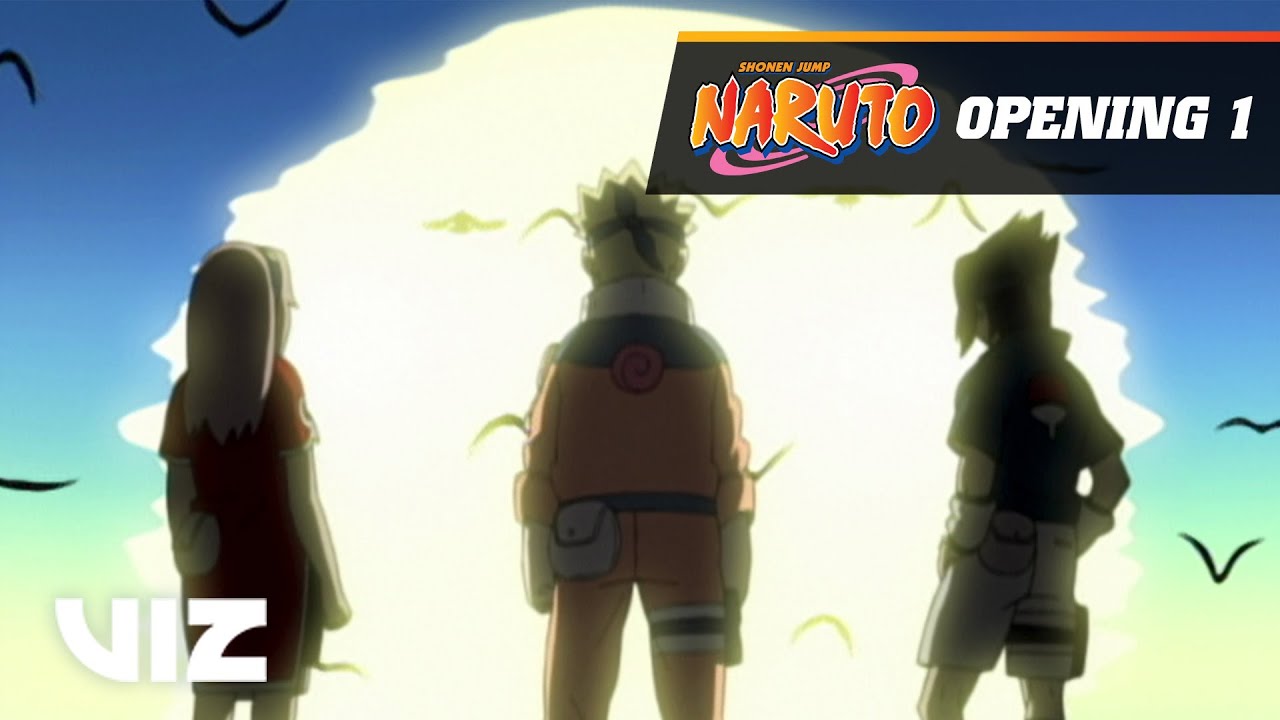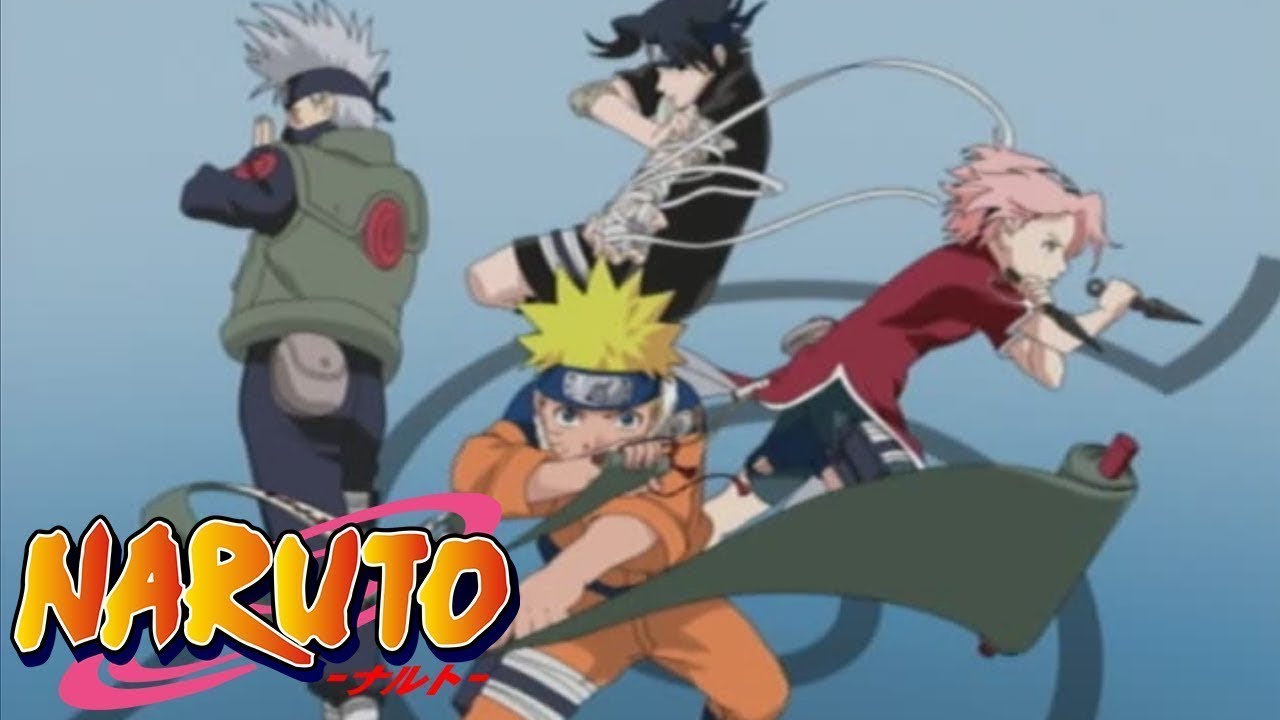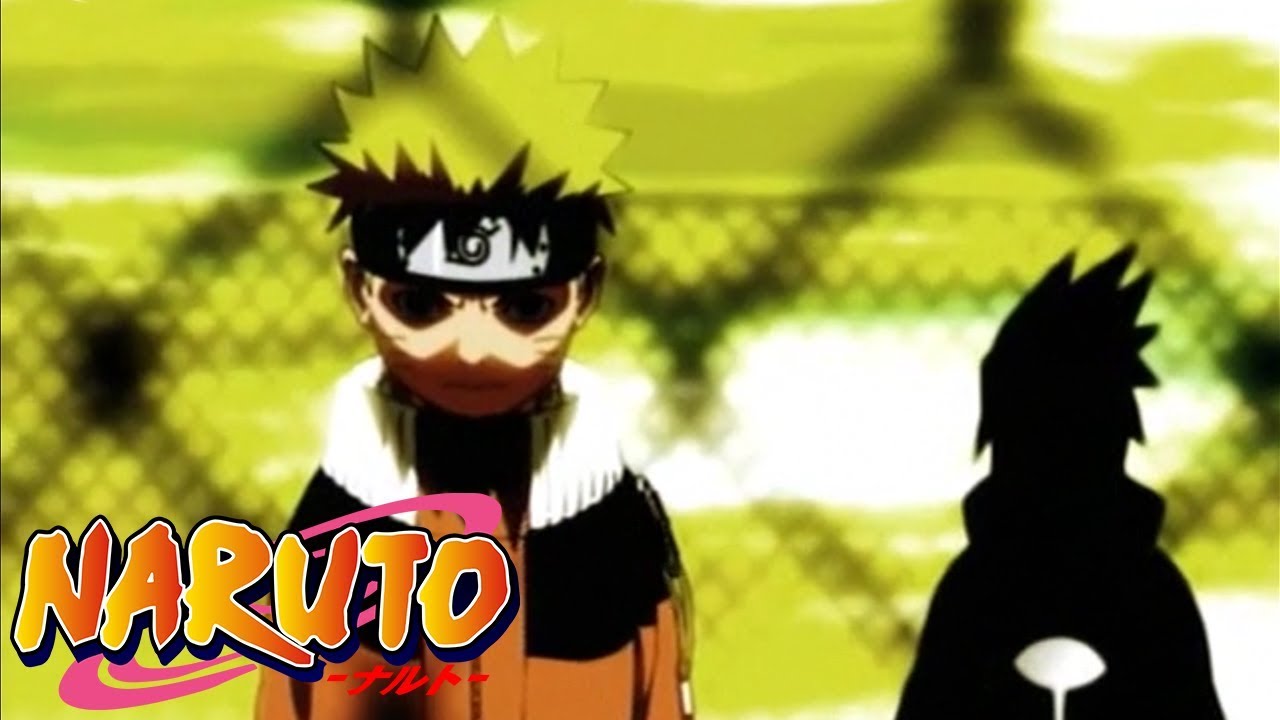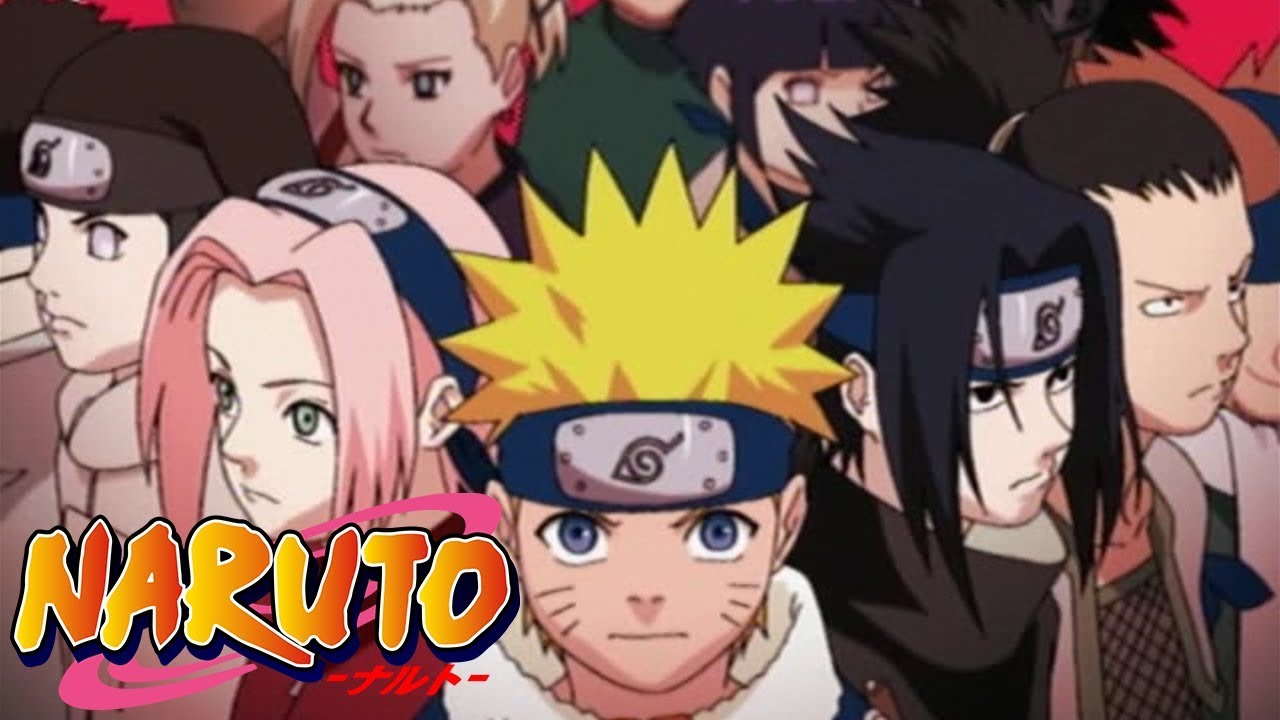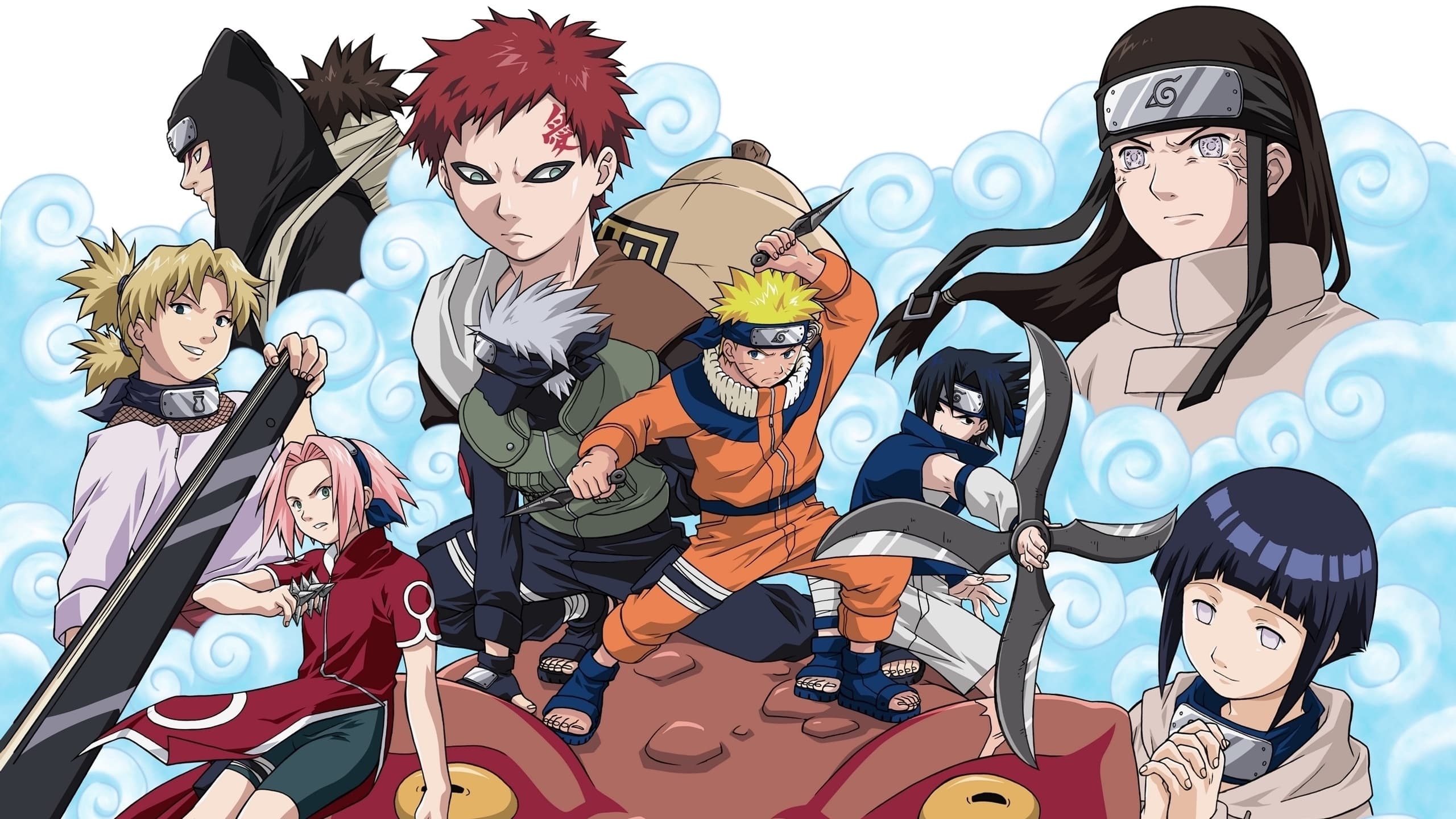
When Naruto debuted on TV Tokyo back in October 2002, anime was still fighting for mainstream legitimacy in the West. What the show’s creators envisioned was something that would eventually change that conversation entirely. They took a premise that could have been dismissible—a loud, obnoxious ninja kid nobody likes trying to earn respect—and turned it into something with real emotional weight. That mischievous adolescent stumbling through the Hidden Leaf Village didn’t just want power or recognition in some abstract sense. Naruto Uzumaki wanted to matter. He wanted people to see him. That’s a theme that resonates across age groups and cultures, and it’s probably why audiences kept coming back across 4 seasons and 220 episodes.
The 24-minute runtime was actually crucial to how the show worked. That’s tight enough to demand disciplined storytelling, but long enough to actually develop a moment. A fight sequence could breathe. A character conversation could land emotionally. The creators understood that you don’t need filler between battles if the emotional stakes are clear—and when they did add quieter moments, they felt earned rather than padded. Over time, the show struck a balance where the action-adventure DNA never overshadowed what was actually a character-driven story about friendship, loss, and the desire to change your circumstances.
> The show’s significance lies not in inventing a new formula, but in executing an existing one with genuine heart and long-term narrative commitment.
What made Naruto stand out in the animation space was its willingness to take the shonen formula—young protagonist, training arcs, escalating threats—and actually follow through on consequences. Characters died. Relationships fractured. The protagonist didn’t always win, and when he did, it cost him something. The show aired during a time when Western anime fandom was still relatively niche, but Naruto helped pull it into mainstream consciousness. It wasn’t the first anime to reach American audiences, but it was relentless in its storytelling ambitions.
The cultural footprint became undeniable relatively quickly. Certain moments transcended the show itself:
- The Zabuza arc early on proved the show could balance character introduction with genuine stakes
- Naruto’s confrontation with Sasuke became the emotional core audiences returned for repeatedly
- The introduction of Kakashi as a mentor figure who was complex and flawed
- Training sequences that felt like they meant something beyond just power escalation
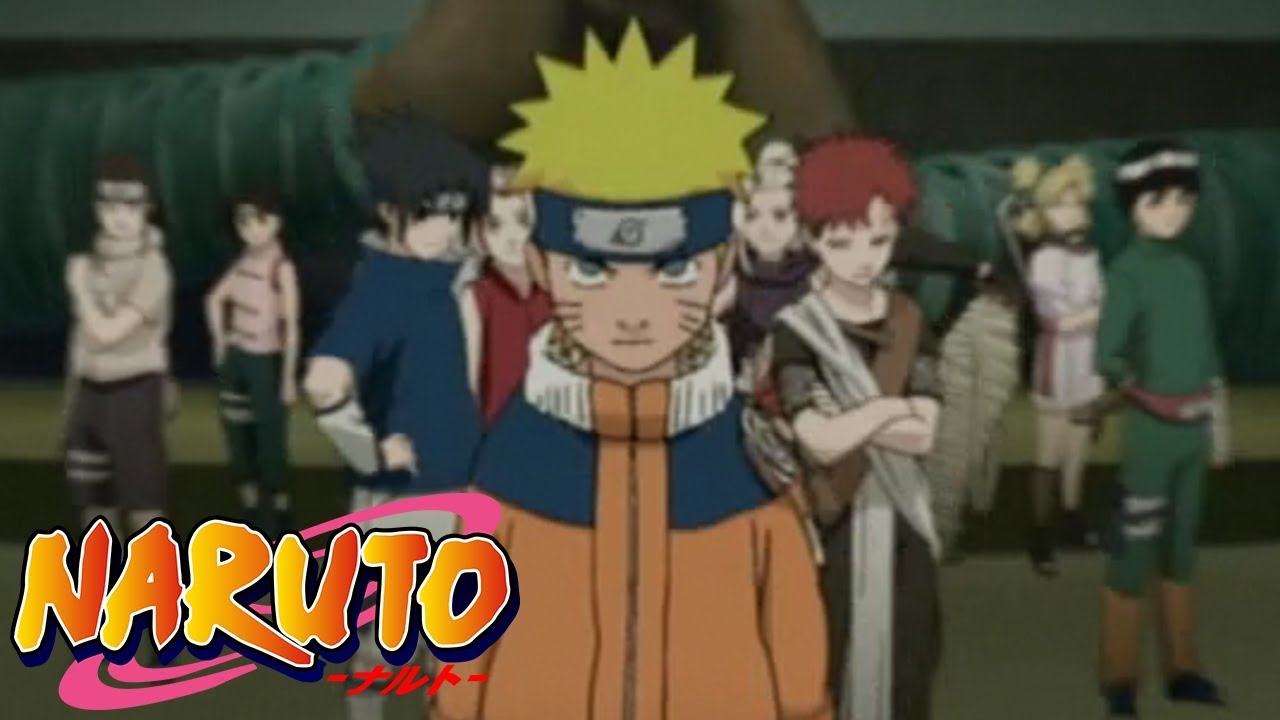
- A supporting cast that eventually got their own meaningful arcs
These weren’t throwaway moments. They were the building blocks of a story that people wanted to follow for years.
When the show concluded its initial run (ending in 2007 before transitioning into Naruto Shippūden), it had earned a 8.4/10 rating from 5,872 votes. That score reflects something important: broad appreciation without pretense. This wasn’t a show trying to be more sophisticated than it was. It was animation and action and adventure that knew what it wanted to be, and executed that vision consistently across four seasons.
The streaming landscape today tells you everything about the show’s enduring appeal. Naruto is available on Netflix, Amazon Prime Video, Hulu, Crunchyroll, Peacock Premium, Adult Swim, and multiple ad-supported versions across these platforms. That kind of distribution doesn’t happen for shows that don’t maintain audience interest. People keep discovering it, keep finishing it, keep recommending it to friends. The show built something that persists.
What’s interesting about Naruto in retrospect is how it balanced accessibility with depth. A new viewer could start episode one and be immediately engaged by the premise. But someone who stuck with the series across all 220 episodes would find character arcs that built subtly over time, thematic threads that deepened, and emotional payoffs that felt earned because you’d invested in these relationships. The show trusted its audience to stay engaged for the long game.
The creative achievement wasn’t in pushing animation technology or inventing entirely new storytelling techniques. It was in understanding that anime—as a medium—could tell serialized stories with the complexity of prestige television while maintaining the visual dynamism and emotional earnestness that made anime compelling in the first place. The show proved that you didn’t have to choose between artistic ambition and popular appeal. You could have both.
For anyone who hasn’t experienced it, Naruto remains exactly what it was in 2002: a show about wanting to belong, wanting to matter, and finding that those connections with others matter more than any individual achievement. That’s a story that doesn’t age poorly. That’s why people still watch it today.