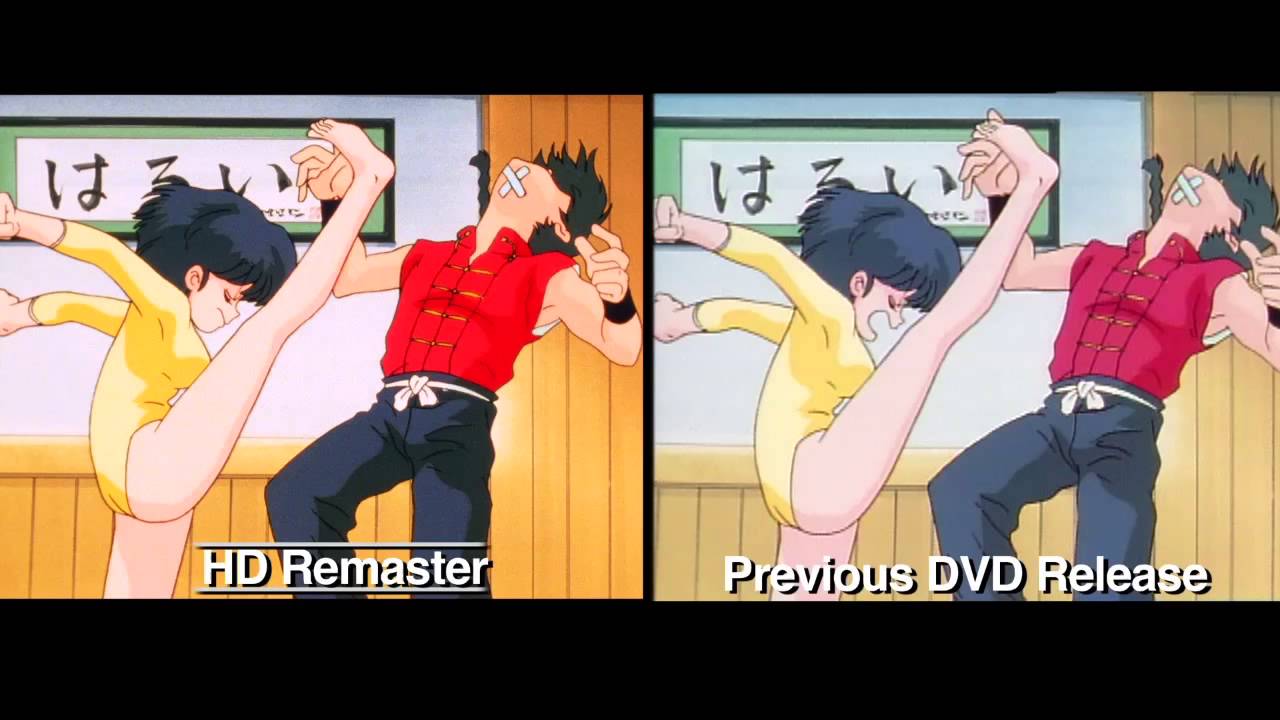
When Ranma ½ premiered on April 15, 1989, it arrived with a simple but irresistible premise: a teenage martial artist cursed to transform into a girl whenever cold water touches him. That’s it. That’s the hook. And yet from that single comedic concept, creators built something that would run for 161 episodes across 1 season and earn a solid 8.6/10 rating from viewers who clearly couldn’t get enough. This wasn’t just another anime trying to ride the coattails of what worked before—it was something genuinely inventive, mixing gender-bending comedy with genuine martial arts action in ways that felt completely fresh.
The genius of Ranma ½ lies in how it uses that curse as more than a gimmick. Yes, the transformation scenes are funny. Yes, there’s obvious comedic potential in a male martial artist suddenly inhabiting a female body. But the show understood something deeper: that curse exists in a world with real stakes, real relationships, and genuine emotional consequences. Ranma Saotome isn’t just running around panicking about his condition—he’s dealing with an arranged engagement to Akane Tendo, a girl who actively despises boys. The curse complicates everything. It makes his life genuinely difficult, which paradoxically makes the comedy land harder because it’s rooted in actual character problems rather than surface-level jokes.
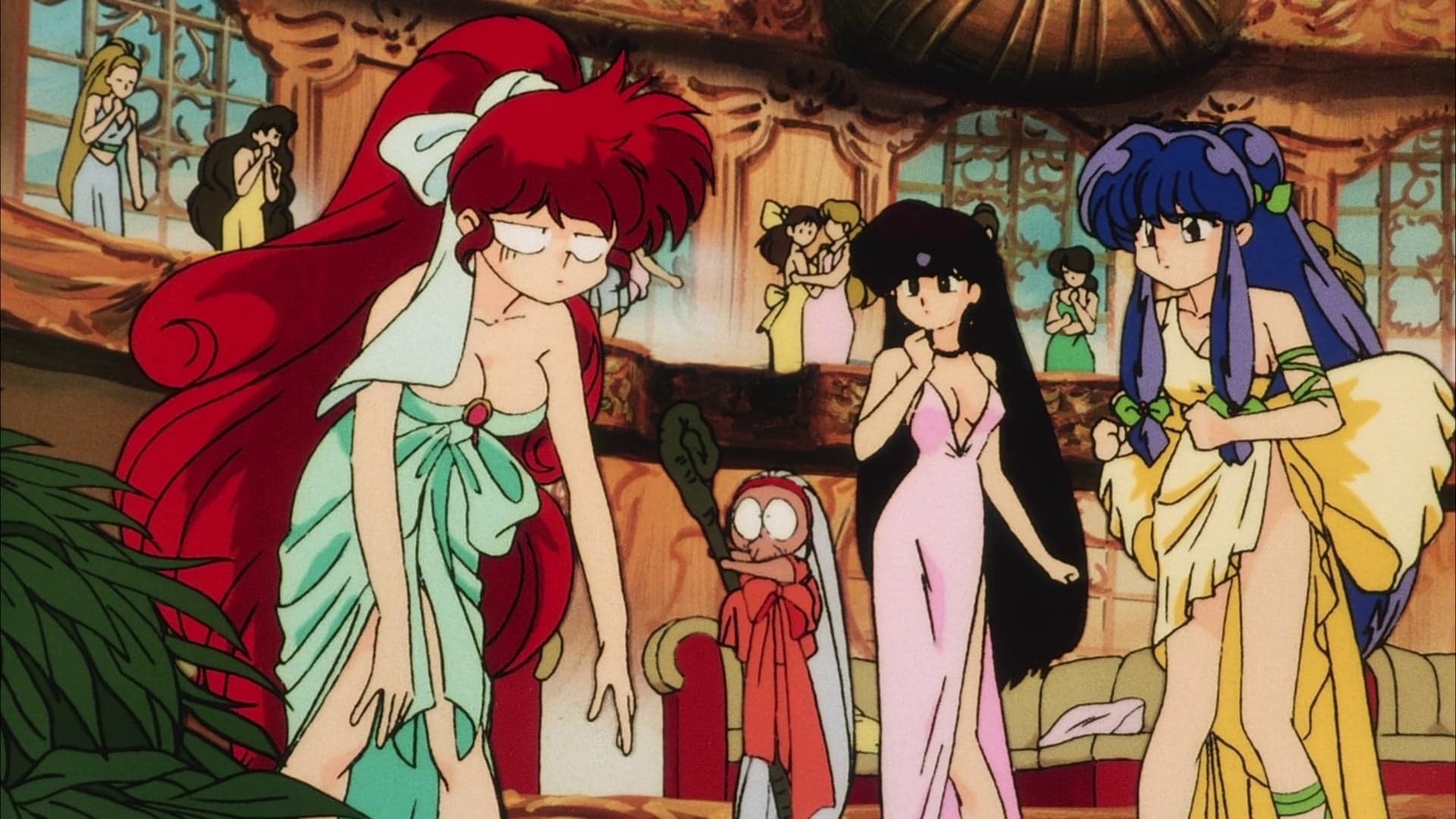
The supporting cast transforms what could’ve been a one-note premise into something worth watching for 161 episodes. The Tendo household becomes this constantly escalating circus of martial artists, each with their own bizarre training methods and romantic entanglements. Shampoo shows up from China. Ukyo enters as another fiancée. Mousse, Kuno, Cologne—the character roster keeps expanding, but the show never loses focus on what made it special: Ranma and Akane’s relationship, which wobbles between genuine antagonism and reluctant affection.
> The show’s ability to balance comedy with action is where it really distinguishes itself. Those 25-minute episodes pack in martial arts sequences that feel consequential, romantic tension that actually develops, and humor that doesn’t undercut the stakes.
What probably helped Ranma ½ connect with audiences across different markets—it aired on Fuji TV in Japan but eventually reached viewers worldwide through Hulu and Peacock—is how universal the core conflict is. Every viewer understands romantic frustration, social embarrassment, and the difficulty of being trapped in situations beyond your control. The fact that one character’s uncontrollable situation literally changes his body just amplifies those feelings. There’s something almost poignant beneath the comedy: Ranma genuinely can’t control who he is from moment to moment, and that extends into his relationships, his identity, his ability to be taken seriously.
The pacing deserves mention too. Each episode runs , which sounds short until you realize how much story gets packed in. The show learned from its format constraints—there’s no bloat, no pointless detours. Even episodes that are primarily comedy-focused will slip in character development or advance the larger romantic storylines. The writers understood that viewers were invested in whether Ranma and Akane would actually end up together, so even the throwaway episodes about training tournaments or mysterious martial artists somehow tie back to that central question.
The creative achievement here is substantial. Most series that blend comedy, action, and romance pick one lane and stay there. Ranma ½ genuinely succeeds at all three simultaneously without them feeling like they’re fighting for screen time. The fight choreography matters. The relationship dynamics matter. The jokes land. This is remarkably difficult to pull off, which is probably why so many shows since have tried and failed to replicate what made this work.
Culturally, Ranma ½ arrived at a moment when anime was starting to develop serious international appeal beyond niche audiences. The show’s willingness to play with gender identity and sexuality—however comedically—opened doors for conversations that anime hadn’t really tackled before. Ranma’s transformation isn’t played as existential horror; it’s accepted as part of his life that he has to adapt to. That casual acceptance of something strange and different is quietly progressive for a show from 1989, even if the comedy sometimes relies on stereotypes about femininity.
The show’s influence on anime and manga that followed is real, even if not always obvious. It established that you could build a long-running series on a character-driven premise rather than a world-driven one. It showed that comedy and action weren’t mutually exclusive genres. It proved that romantic tension could sustain viewer interest across dozens of episodes without necessarily resolving. Every romantic comedy anime that followed had to reckon with what Ranma ½ had already done.
Watching it now, the show holds up reasonably well. Sure, some of the gender humor feels dated, and the animation varies wildly between episodes, but the core characters remain compelling. Ranma’s exasperation at his situation feels genuine. Akane’s journey from hating boys to developing actual feelings for Ranma despite herself is genuinely well-executed. The supporting cast provides constant surprises. The 161 episodes aren’t all equally strong, but enough of them are good that the overall run justifies the time investment.
What strikes you most is how comfortable the show is just being itself. It doesn’t apologize for its premise or try to justify it through complex mythology. A cursed spring made Ranma a girl sometimes—okay, let’s move on to what that actually means for his life. That confidence in its own concept is probably the biggest reason it’s still worth watching, still worth recommending to people who care about animation, comedy, or action. Ranma ½ knows what it is, and that’s more than enough.


![Opening 1 | Don't Make Me Wild Like You - Etsuko Nishio [Subtitled]](https://img.youtube.com/vi/_xa8qrbNxpw/maxresdefault.jpg)