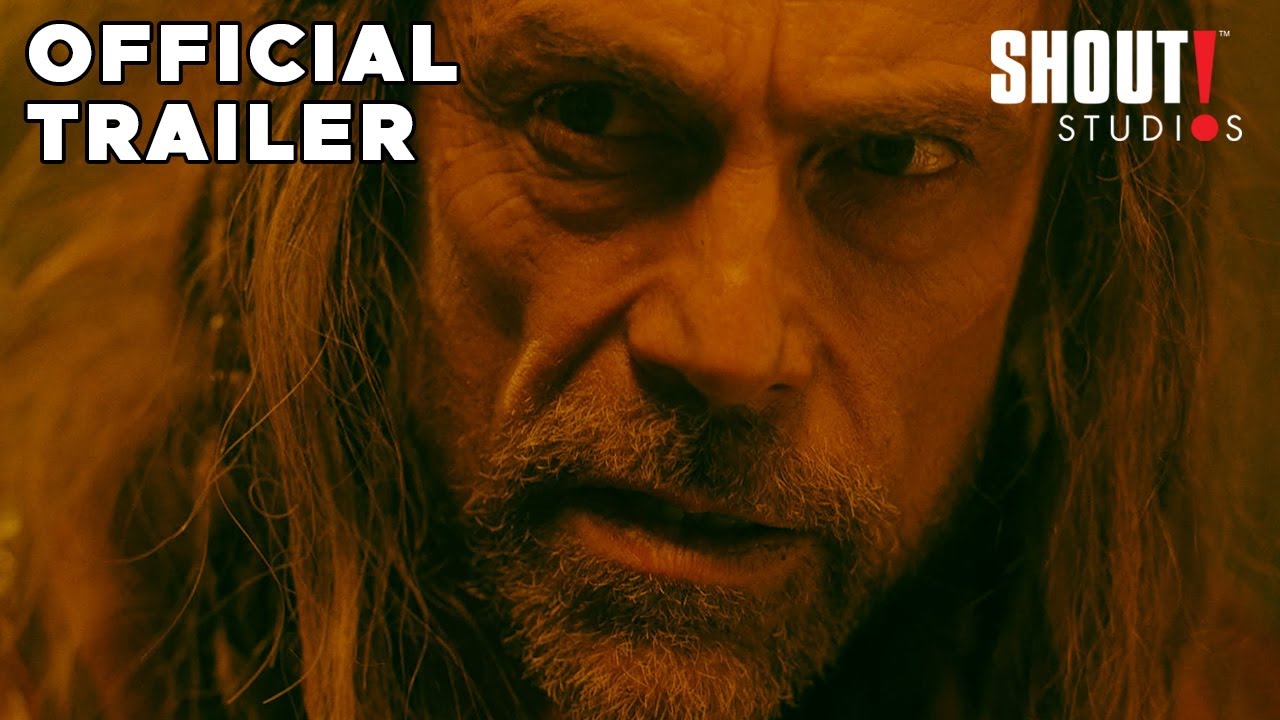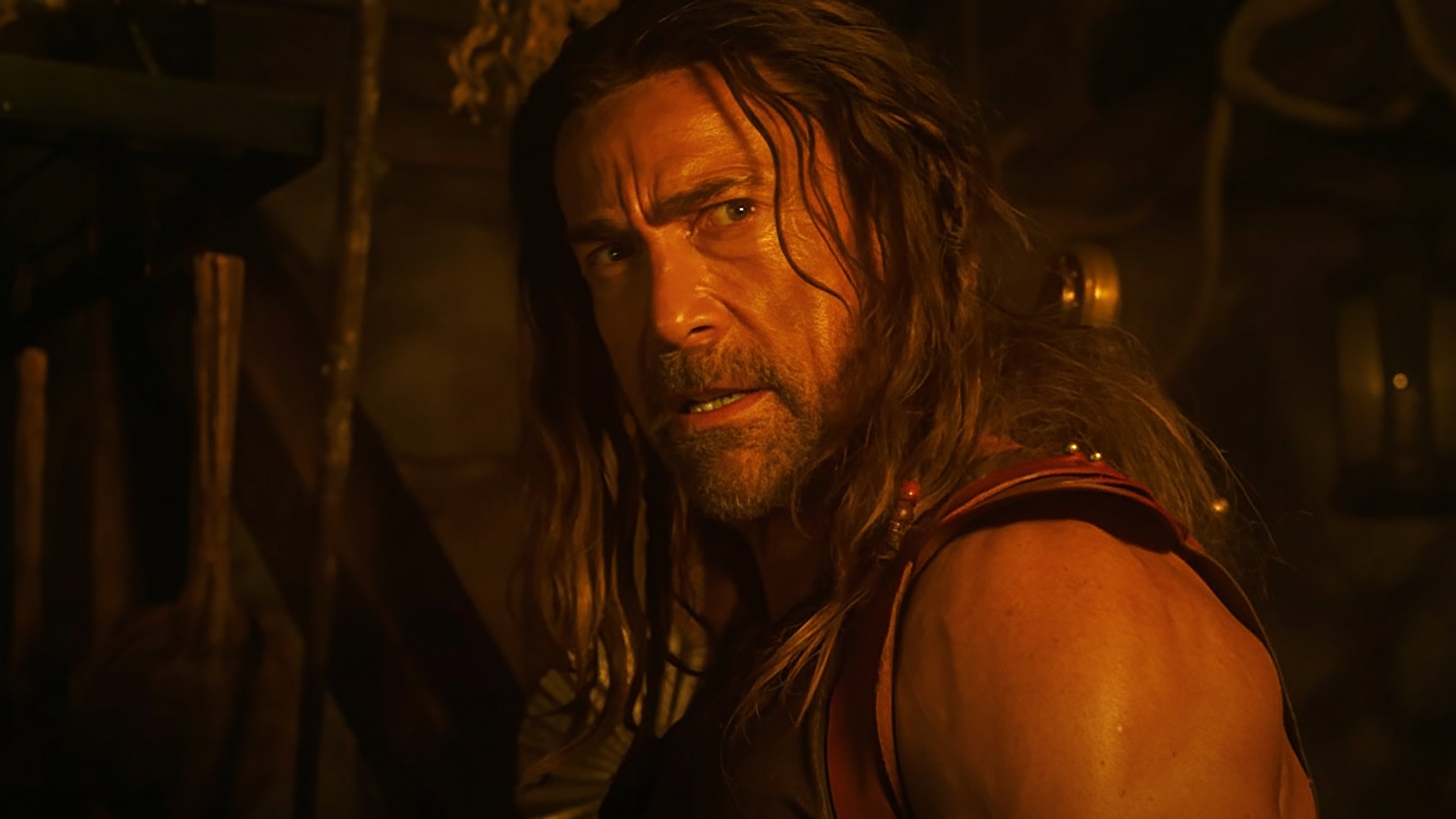
When Steven Kostanski decided to remake the 1983 cult classic Deathstalker, he wasn’t chasing box office gold or trying to outdo a forgotten relic. He was taking on something more interesting: the challenge of honoring a scrappy, low-budget sword-and-sorcery film while making it work for contemporary audiences. That’s a weird tightrope to walk, and the fact that he walked it at all says something about where independent filmmaking stands in 2025.
The original Deathstalker was a Roger Corman production, born in the wake of John Milius’s Conan the Barbarian and riding that early-80s wave of fantasy adventure. It was cheap, it was earnest, and it had a particular kind of charm that comes from making something ambitious with nothing to work with. Kostanski clearly understood that assignment. Rather than trying to Hollywood-ify the concept with massive budgets and CGI armies, he went the opposite direction—leaning into the constraint, the scrappiness, the willingness to make something weird and wild on a shoestring.
> Director Steven Kostanski describes the production as “held together by duct tape and a prayer,” which is both humble and honest about what independent filmmaking demands.
The cast Kostanski assembled tells you something about his approach. Daniel Bernhardt carries the title role with the kind of physicality and intensity the character demands. Bernhardt’s background in action cinema means he understands that sword-and-sorcery isn’t just about looking cool—it’s about movement, commitment, and the exhaustion of actually doing this stuff. Christina Orjalo and Paul Lazenby fill out the ensemble, and what works about their performances is that they’re committed to the material without winking at the audience. There’s no irony here, no “aren’t we silly for making a fantasy adventure.” They play it straight, which is exactly what makes it effective.
The film’s plot is straightforward: Deathstalker recovers a cursed amulet from a battlefield corpse, gets marked by dark magic, and has to face down monstrous assassins while trying to break the curse. It’s a simple spine, which is necessary when you’re working at this scale. The Kingdom of Abraxeon is under siege by the Dreadites, servants of the long-dead sorcerer Nekromemnon, and the stakes spiral from there. What matters isn’t the novelty of the plot—it’s the execution, the world-building on a limited budget, and whether you believe the characters care about what’s happening.
At just 103 minutes minutes, Deathstalker knows what it is. It doesn’t overstay its welcome or pad scenes with unnecessary exposition. The film moves. There’s something refreshing about that in an era where blockbusters often run nearly three hours to justify their budgets.
Critically, the film earned a 6.1/10 rating from 35 votes, which puts it in that interesting middle zone where passionate supporters and casual viewers disagree. That’s honest territory for a film like this. It’s not trying to be everything to everyone. If you’re into practical effects, low-budget ingenuity, and straightforward fantasy adventure, you’ll likely find more to appreciate than someone scrolling for something to half-watch while on their phone.
The real significance of Deathstalker is what it represents about 2025 filmmaking:
-
Independent ambition still exists. In a market dominated by IP and franchise building, Kostanski and the producers at Hangar 18 Media, BerserkerGang, and Raven Banner Entertainment took on a remake of a cult film with genuine love rather than calculation.
-
Practical effects and craft matter. There’s no indication this film relied on the kind of digital shortcuts that have become default. When you’re working with real stunts, real sets, and real limitations, the result looks different—scrappier, more tactile, more real.
-
Niche filmmaking has distribution. That Shout! Studios is involved says that these kinds of films have found their audience and their path to viewers, separate from theatrical wide releases.
-
Constraints breed creativity. The best low-budget films don’t succeed despite their budget—they succeed because the budget forces genuine creative choices rather than just throwing money at problems.
Where Deathstalker will ultimately land in the cultural conversation remains to be seen. It premiered at the 78th Locarno Film Festival in August 2025, which suggests it’s being taken seriously as a film object, not just a commercial product. That’s worth something. In five years, this might be the film people point to when discussing the small wave of quality independent fantasy films that found their voice in the mid-2020s. Or it might remain a passionate cult film, beloved by a dedicated group and largely unknown to everyone else. Either way, it did what it set out to do: it made a fantasy adventure on its own terms, with real people doing real work, telling a story that mattered to the people making it.
That’s not nothing. In fact, for independent cinema in 2025, it’s everything.