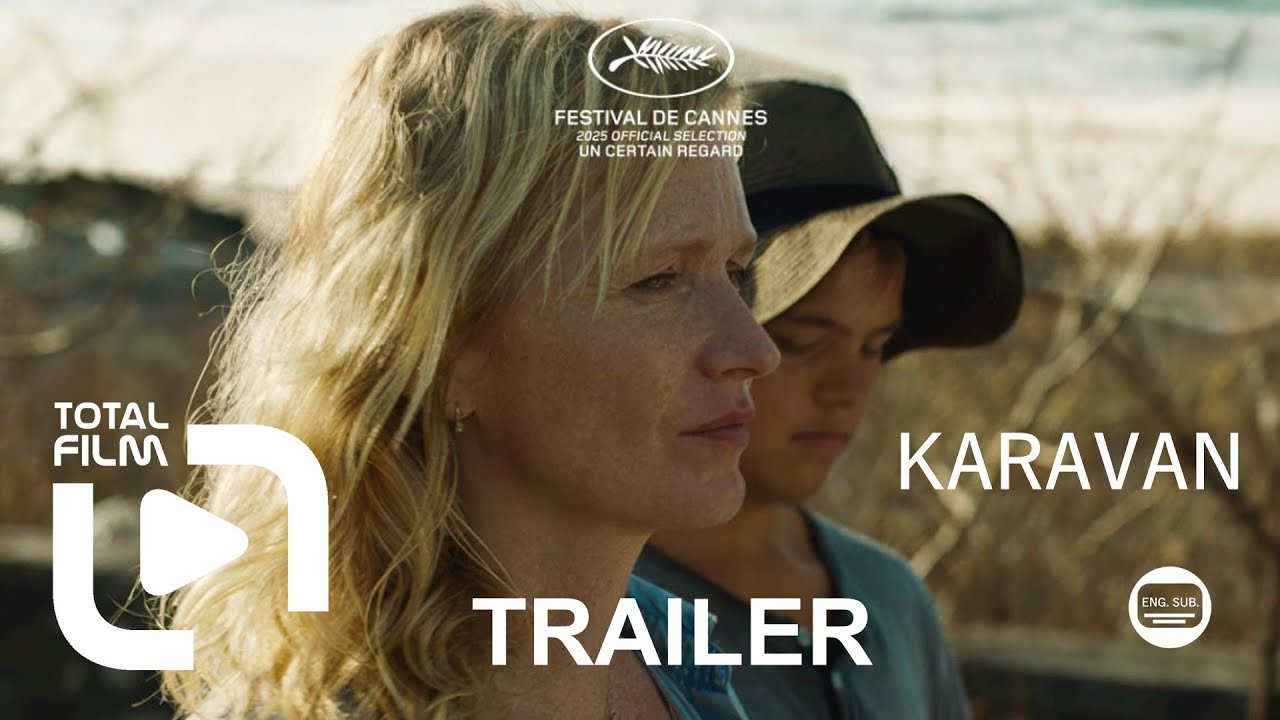
When Caravan premiered in the Un Certain Regard section at Cannes in May 2025, it arrived as something quietly radical: a film about escape that doesn’t romanticize running away, but instead explores what happens when we stop running and start living. Director Zuzana Kirchnerová had crafted a work that sits at the intersection of personal crisis and unexpected grace—a story about a mother who steals a caravan to flee her overwhelming life, only to discover that freedom comes not from distance, but from connection.
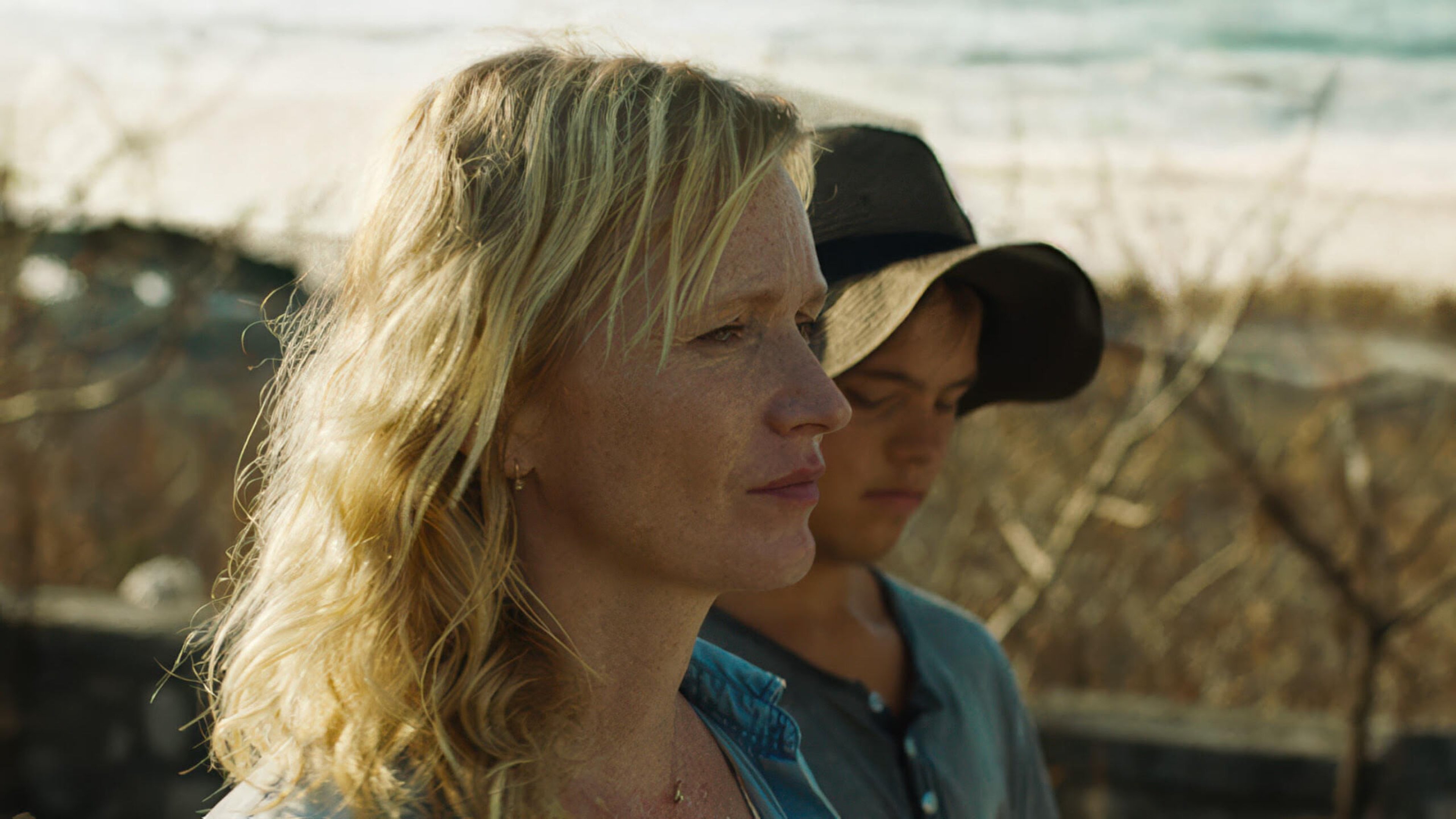
The setup sounds almost cinematic in its desperation: Ester, played with raw vulnerability by Anna Geislerová, is drowning in motherhood. She’s exhausted, resentful of her limitations, trapped by responsibility. So she does something impulsive and desperate—she takes a caravan and drives south with her teenage son David, who has an intellectual disability. It’s the kind of transgressive act that could easily tip into melodrama, but Kirchnerová never lets the film indulge in self-pity. Instead, she builds something more interesting: a portrait of two people learning to actually see each other.
What makes this film resonate is its refusal to sentimentalize disability. David Vodstrčil’s performance avoids the pitfalls of inspiration-narrative acting. His character isn’t there to teach Ester (and by extension, the audience) a lesson about acceptance. He’s a person—complicated, sometimes difficult, sometimes joyful. The relationship between Geislerová and Vodstrčil has a credibility that emerges from genuine interaction rather than performance. You believe these are people who’ve lived together, with all the friction and affection that entails.
The film’s tonal landscape deserves attention. At 100 minutes minutes, it moves with deliberate pacing—not rushed, but not languid either. There’s urgency without desperation. Kirchnerová uses southern Italy as more than backdrop; the landscape becomes a space where normal social rules loosen, where a makeshift family of three can exist without judgment.
> The arrival of the young drifter (Juliana Oľhová) is the narrative turning point that transforms the film from escape story into something more hopeful. This character doesn’t arrive to fix things, but to open them. Her presence allows Ester to begin understanding that parenthood doesn’t have to mean self-erasure, and that connection can be light rather than burdensome.
The collaboration between the creative team is worth noting:
- Kirchnerová’s directorial approach privileges observation over explanation—she lets scenes breathe and characters surprise you
- Geislerová’s performance balances Ester’s selfishness with her genuine love for her son; she’s not reformed by the story, but transformed
- Vodstrčil and Oľhová create a dynamic that shifts the entire emotional architecture of the film
- The production design keeps things tactile and real—no artifice, just the worn interior of a caravan and the heat of summer
Since its theatrical release in the Czech Republic on August 28, 2025, Caravan has accumulated a /10 rating from votes. These numbers tell us something important: the film doesn’t have the kind of consensus that comes from broad appeal or easy answers. It’s a film that divides viewers, which is often the mark of something saying something specific rather than universal. Some viewers find its ambiguity frustrating; others find it honest.
The film’s significance lies in how it handles themes that matter: disability representation without condescension, motherhood without glorification, and family formation that isn’t biological. It arrives at a moment when cinema is still learning how to tell these stories without falling into predetermined emotional beats. Kirchnerová refuses the obvious moves. There’s no scene where Ester breaks down and admits she was wrong. There’s no moment where David performs gratitude for his mother’s sacrifice. Instead, there’s something subtler: the quiet recognition that they can coexist with less friction when they stop demanding that each other fill the void of their own dissatisfaction.
What will matter about Caravan in the coming years isn’t box office (the film earned limited theatrical release against a undisclosed budget) but how it expands the space for films that trust their audiences to sit with complicated feelings. It doesn’t wrap itself in the language of healing or transformation because real life rarely works that cleanly. Instead, it suggests something more modest and more true: that sometimes the best we can do is travel together, and that traveling together is enough.
The film represents the kind of work that emerges from smaller film industries and regional cinemas—the Czech production, with its collaborators across Europe, made by people more interested in emotional truth than commercial calculation. As global cinema continues to contract around franchises and proven IP, films like Caravan become increasingly vital. They remind us why we watch movies at all: to see ourselves reflected, to witness human complexity, to believe that stories matter because people matter.