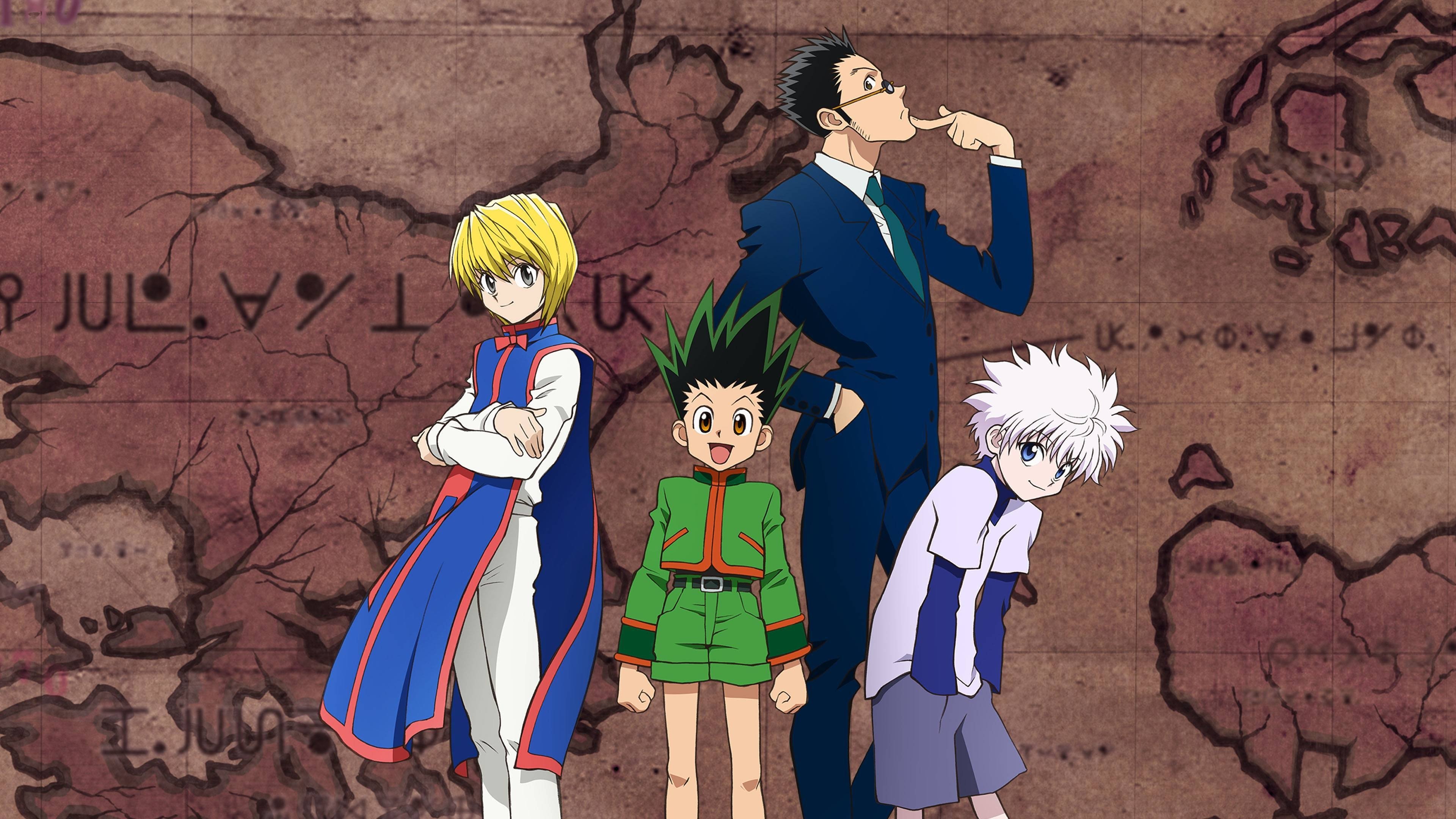
If you’ve spent any time in anime circles over the past decade, you’ve probably heard someone passionately defend Hunter x Hunter as one of the greatest action series ever made. And honestly? They’re not wrong. When this show premiered back in October 2011, it arrived with a quiet confidence that few shonen anime possessed—a willingness to build its world methodically, develop its characters with surprising depth, and subvert expectations just when you thought you had it all figured out.
What makes Hunter x Hunter remarkable is its refusal to coast on formula. Here’s a show that could’ve been content being a straightforward adventure story about kids chasing their dreams, but instead it becomes something far more complex. The narrative respects its audience enough to spend 24-minute episodes asking genuinely difficult questions about morality, ambition, and what it costs to pursue your goals. Within those tight episode windows, the creators managed to craft something that feels both intimate and epic—a delicate balance that most shows never achieve.
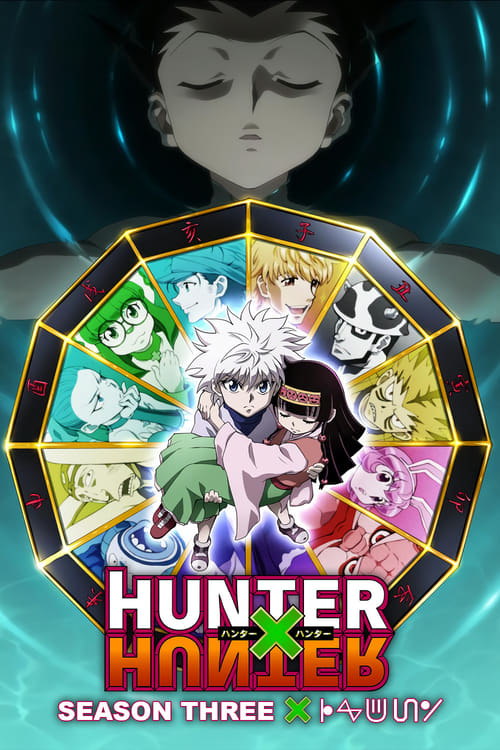
The three-season run spanning 148 episodes is deceptively elegant in structure. Rather than overstaying its welcome or stretching thin premises across endless filler, Hunter x Hunter knows exactly how much story it needs to tell and tells it with remarkable efficiency. Each arc builds meaningfully on what came before, creating a progression that fans still debate passionately:
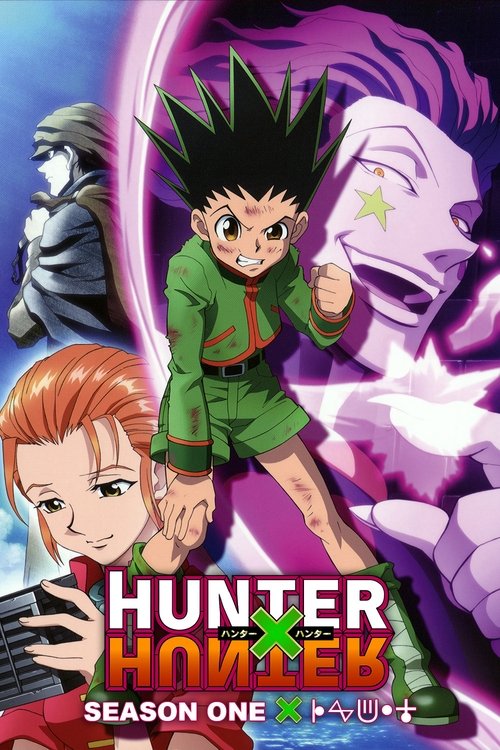
- The Hunter Exam arc establishes tone and introduces the core cast with warmth and humor
- Heavens Arena tests the limits of power and introduces more sophisticated combat systems
- Yorknew City pivots the series toward moral complexity and introduces the Phantom Troupe
- Greed Island adds rules-based storytelling and mysterious depth
- Chimera Ant becomes something transcendent—a meditation on humanity itself
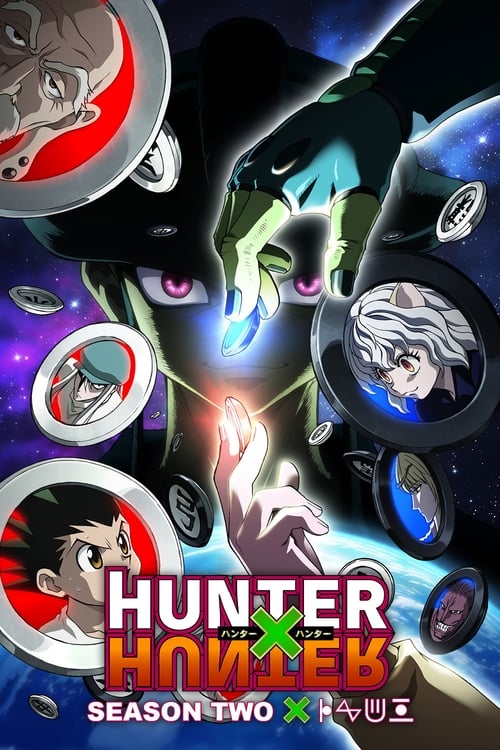
That final arc, in particular, became the moment when casual viewers transformed into devoted fans. The arc manages to be simultaneously one of the most brutal, philosophically challenging pieces of anime television ever produced, while also being deeply humanistic. The way it examines the nature of evil, purpose, and connection through its central conflict between Meruem and Netero created conversations that rippled through the entire fan community.
> The show’s willingness to slow down, to let scenes breathe, and to prioritize character growth over constant action set it apart from its contemporaries.
The cultural impact of Hunter x Hunter deserves serious examination. This isn’t a show that topped ratings charts during its initial broadcast run, yet it accumulated an 8.7/10 rating that reflects something deeper—a show that found its true audience and maintained their trust across its entire journey. That kind of consistency suggests something approaching universal acclaim among those who actually watched it. The show sparked genuine conversations about storytelling in shonen anime, proving that action-adventure narratives could handle philosophical depth without losing their sense of wonder.
Iconic moments from this series have become shorthand in anime fandom. When fans mention “that scene,” they’re often referring to one of several absolutely transcendent sequences that demonstrated the creative ambition on display. The animation during fight choreography is frequently breathtaking, but what’s more impressive is how the creators understand that the most impactful moments aren’t always the flashiest ones. Sometimes it’s a quiet conversation between characters, sometimes it’s a character making an impossible choice, sometimes it’s the aftermath of violence rather than the violence itself.
The show’s approach to its animation and pacing deserves special mention. Working within the constraints of a 24-minute runtime per episode forced creative discipline. Rather than bloating episodes with padding, the production team learned to convey massive amounts of information—character development, plot advancement, thematic exploration—in remarkably efficient ways. This constraint became a strength, making the show feel purposeful in every frame.
What’s particularly striking is how Hunter x Hunter influenced what came after it. You can see its fingerprints on subsequent shonen series that tried to balance action with character work, that attempted to earn their emotional moments rather than manufacture them. The show demonstrated that younger audiences would engage with complexity if it was presented with sincerity and wrapped in the framework of a compelling adventure story.
The decision to end the series while there was still manga material left untold actually speaks to artistic integrity. Rather than continuing indefinitely or producing filler that would dilute the experience, the show concluded on its own terms. This choice means that Hunter x Hunter exists as a complete artistic statement—three seasons that form a coherent whole, telling a story from beginning to end without compromising its vision for commercial convenience.
The accessibility factor can’t be overlooked either. The show now streams across virtually every major platform—Netflix, Amazon Prime Video, Hulu, Crunchyroll, and others—making it easier than ever for new audiences to discover what made this series so special. This widespread availability has extended its cultural footprint far beyond its original 2011 premiere date, introducing new generations of viewers to characters and stories that still hold up remarkably well.
What keeps Hunter x Hunter relevant isn’t nostalgia or the weight of its early success. It’s the fundamental truth that this is a series about caring deeply about the people you travel with, about growing as a person, and about the kind of person you want to become. In an era of increasingly cynical storytelling, there’s something genuinely moving about a show this earnest, this well-crafted, and this willing to believe in its characters. That’s worth your attention.