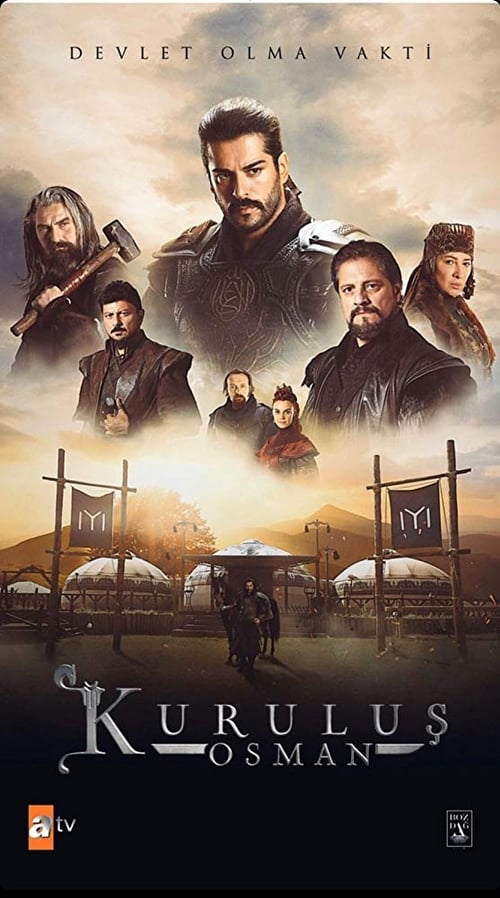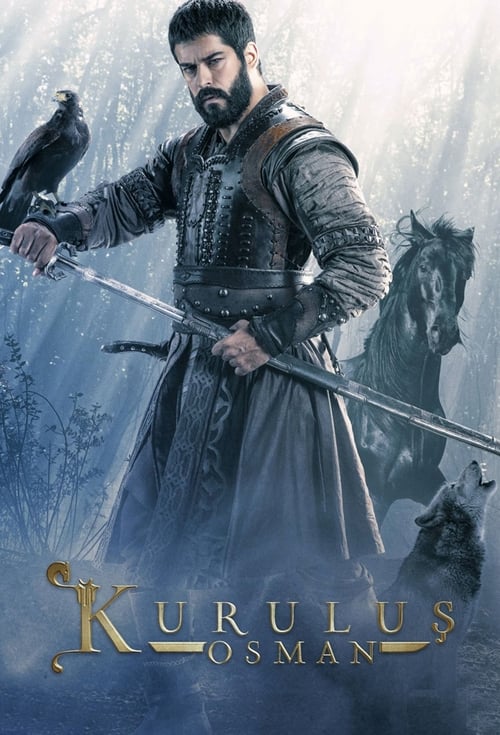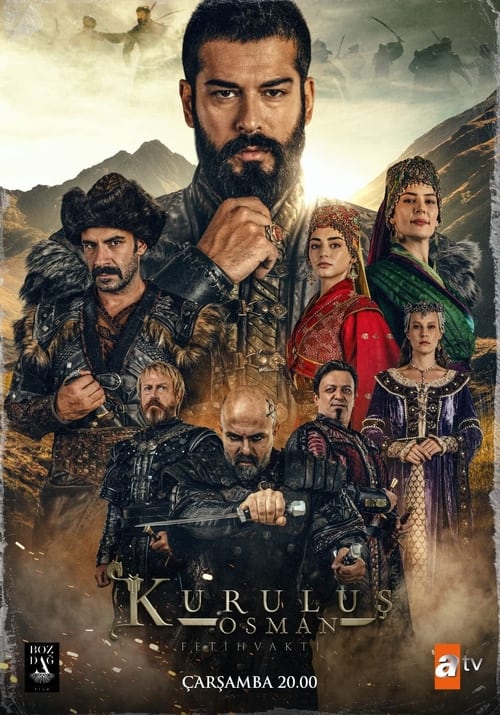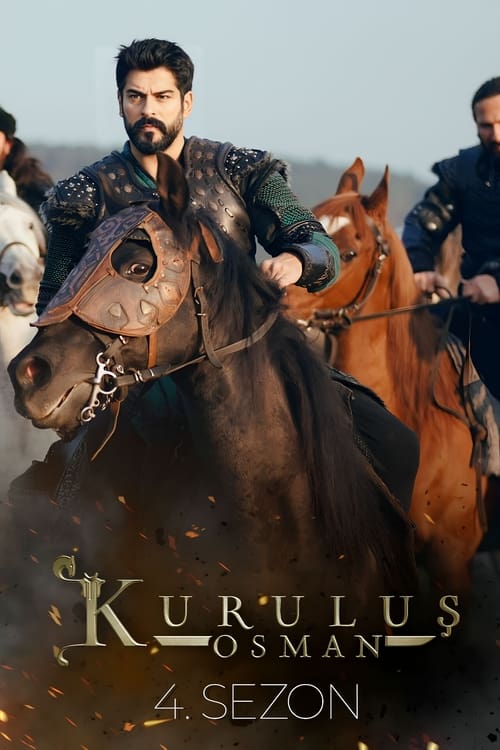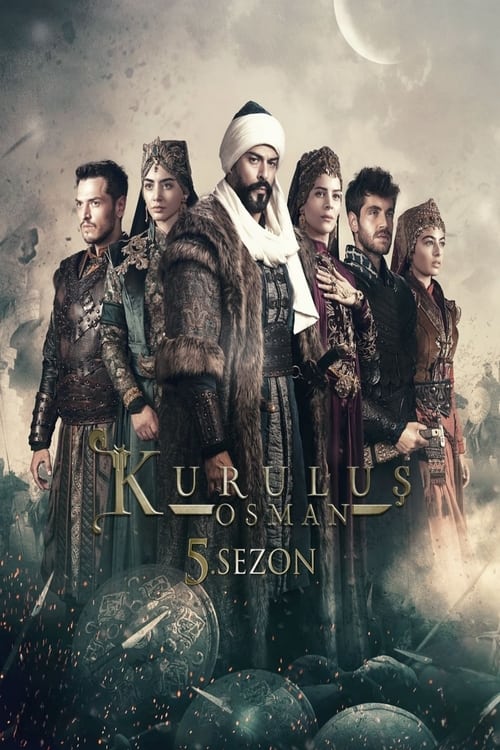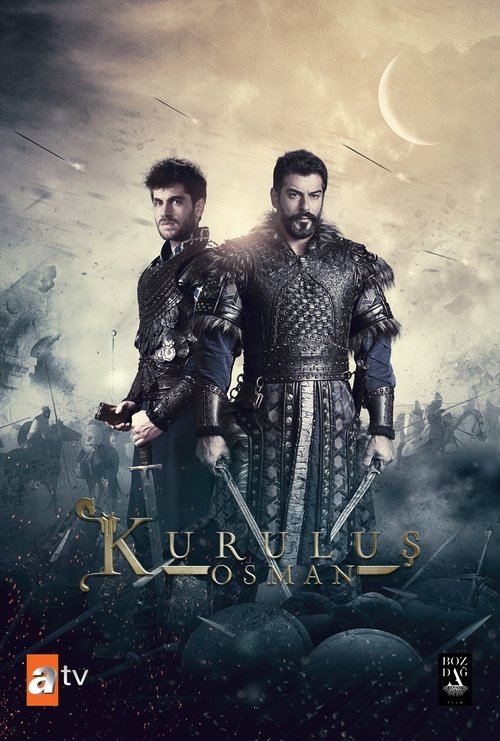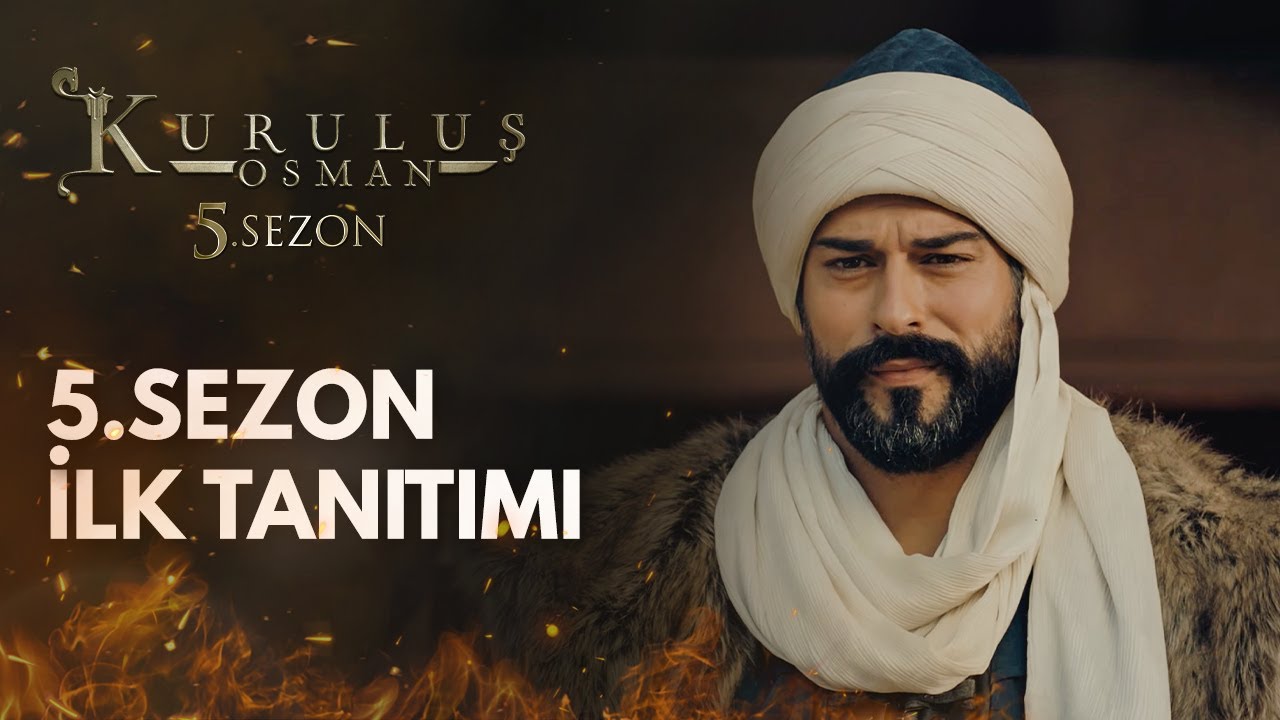
When Kuruluş Osman debuted on November 20, 2019, it arrived at a fascinating moment in television history. Turkish historical dramas had already proven their international appeal, but creator Mehmet Bozdağ’s vision for this particular story—exploring the formative years of Osman I and the rise of the Ottoman Empire—felt like something different. It wasn’t just another period piece; it was an ambitious, sprawling narrative that demanded space to breathe. At 120 minutes per episode, this wasn’t filler-heavy television. Instead, these extended runtimes became a deliberate storytelling choice, allowing complex political machinations, character development, and battle sequences to unfold without the artificial compression that weakens so many historical dramas.
What makes Kuruluş Osman genuinely significant is how it balanced accessibility with historical weight. The show didn’t dumb down its exploration of medieval warfare, tribal politics, and the fragile alliances that built empires. Instead, it married these substantial themes with deeply human character arcs. Audiences didn’t just watch Osman’s military campaigns; they lived through his moral dilemmas, his relationships, and his evolution from ambitious nobleman to legendary founder. This approach clearly resonated—six seasons and 194 episodes later, the show maintains a solid 7.9/10 rating, which represents an impressive achievement for a series that ambitious and that long.
> The show’s willingness to let scenes breathe, to develop relationships across multiple episodes, and to treat historical events with both spectacle and nuance created something that felt genuinely cinematic in a way that most television doesn’t achieve.
Looking at the season-by-season reception tells an interesting story about how the show evolved. The early seasons captured audiences immediately—Season 2 and 3 climbed steadily, with ratings hitting 8.8 and 8.7 respectively. Season 5 represented the creative peak at 9.2/10, suggesting that by that point, the writers had truly mastered the balance between action, politics, and character development. The slight dip in Season 6 (8.1) is worth mentioning not as criticism, but as acknowledgment that sustaining this level of storytelling across 194 episodes represents genuinely difficult creative work.
The cultural footprint this show carved out extends far beyond Turkish television. Kuruluş Osman became part of a broader conversation about how historical dramas could engage with serious themes—power, loyalty, faith, ambition—without becoming tedious or overly theatrical. The show proved that international audiences hungered for stories that treated them intelligently, that didn’t shy away from political complexity, and that centered non-Western historical narratives with the same production values and storytelling sophistication typically reserved for European dramas.
What deserves particular recognition is how Mehmet Bozdağ structured the narrative across 194 episodes. This wasn’t a story artificially stretched to fill a contract. Instead, it genuinely required this space. Consider the scope: establishing the Kayi tribe’s position, navigating the complex relationships between various neighboring powers, depicting Osman’s strategic alliances (including the significant friendship with Yorgopolos), and showing how a regional tribe evolved into the foundation of an empire-to-be. That kind of transformation doesn’t happen in neat 45-minute packages. The 120-minute runtime allowed for scenes of negotiation, moments of quiet reflection, and sequences that established atmosphere and political intrigue.
The show’s blend of genres—War & Politics, Action & Adventure, Drama—never felt like scattered tones fighting for dominance. Instead, they functioned as different facets of the same larger story. The battle sequences delivered the visceral excitement audiences craved, but they served the political narratives rather than overshadowing them. When Osman made military decisions, we understood the political calculations driving those choices. When alliances formed or fractured, we’d witnessed the personal relationships and trust that made those moments meaningful.
Key elements that solidified the show’s cultural significance:
- The focus on ensemble cast dynamics, particularly surrounding Osman himself, creating character relationships that evolved genuinely across seasons
- The commitment to showing the mundane complexity of governance alongside spectacular military engagement
- The willingness to feature compelling antagonists—rulers and warriors who weren’t one-dimensional villains but complex opponents with understandable motivations
- The visual language of the production, which elevated every episode beyond what budget constraints might typically allow
The fact that Kuruluş Osman maintains “Returning Series” status speaks volumes about its enduring appeal. In an entertainment landscape obsessed with quick resolutions and tight narrative boxes, this show proves audiences will invest deeply in sprawling, ambitious storytelling if the quality justifies that investment. The 7.9/10 rating across all those episodes—through multiple seasons, countless episode variations in quality, and the inherent difficulty of maintaining narrative momentum across 194 installments—represents something genuinely worth celebrating.
Perhaps most importantly, Kuruluş Osman demonstrated that historical drama needn’t choose between commercial appeal and artistic ambition. It proved that networks willing to commit resources to intelligent storytelling, that audiences willing to invest substantial time in complex narratives, and that creators with a clear vision could create something that resonates far beyond its original broadcast region. In a streaming age obsessed with binge-ability, this show suggested that sometimes the greatest television happens when you slow down, when you trust your audience, and when you give yourself space to tell a story properly.