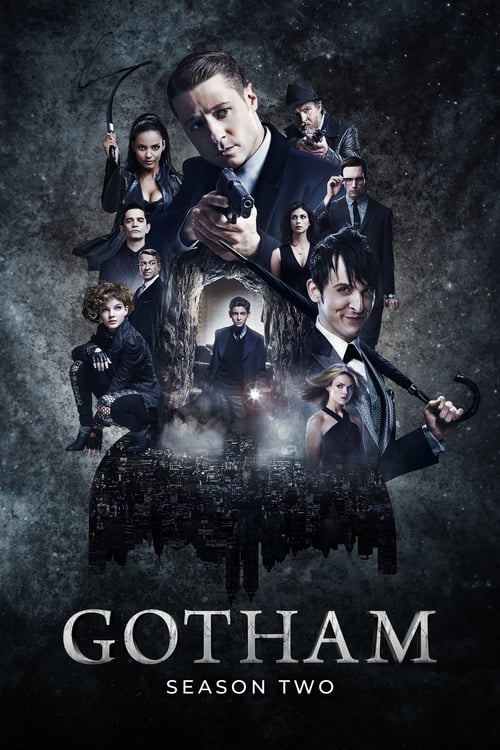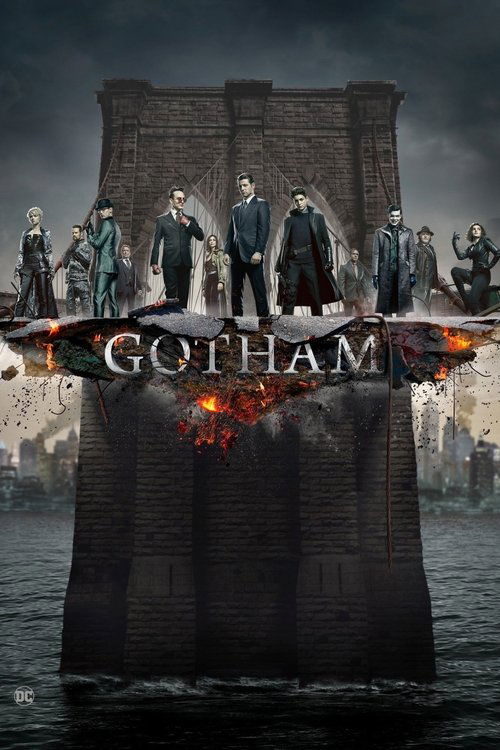
When Gotham premiered back in September 2014, it arrived with a premise that could’ve easily gone sideways—a Batman prequel centered on Jim Gordon’s early days in the GCPD, before he ever met the Dark Knight himself. And yet, Bruno Heller managed to craft something genuinely ambitious: a show that didn’t just capitalize on existing IP, but created its own identity while exploring the moral decay of an entire city. Over five seasons and 100 episodes, the series became something far more interesting than a simple origin story.
What’s remarkable about Gotham is how it refused to play it safe. This wasn’t a show content to be a straightforward police procedural set in a familiar universe. Instead, Heller and his team leaned hard into the theatrical, gothic nature of the property while grounding it in genuine character work and moral complexity. The 43-minute runtime allowed for episodes that could breathe—they had room for character development, plot twists, and world-building without feeling rushed or overstuffed. That’s actually harder to achieve than it sounds.
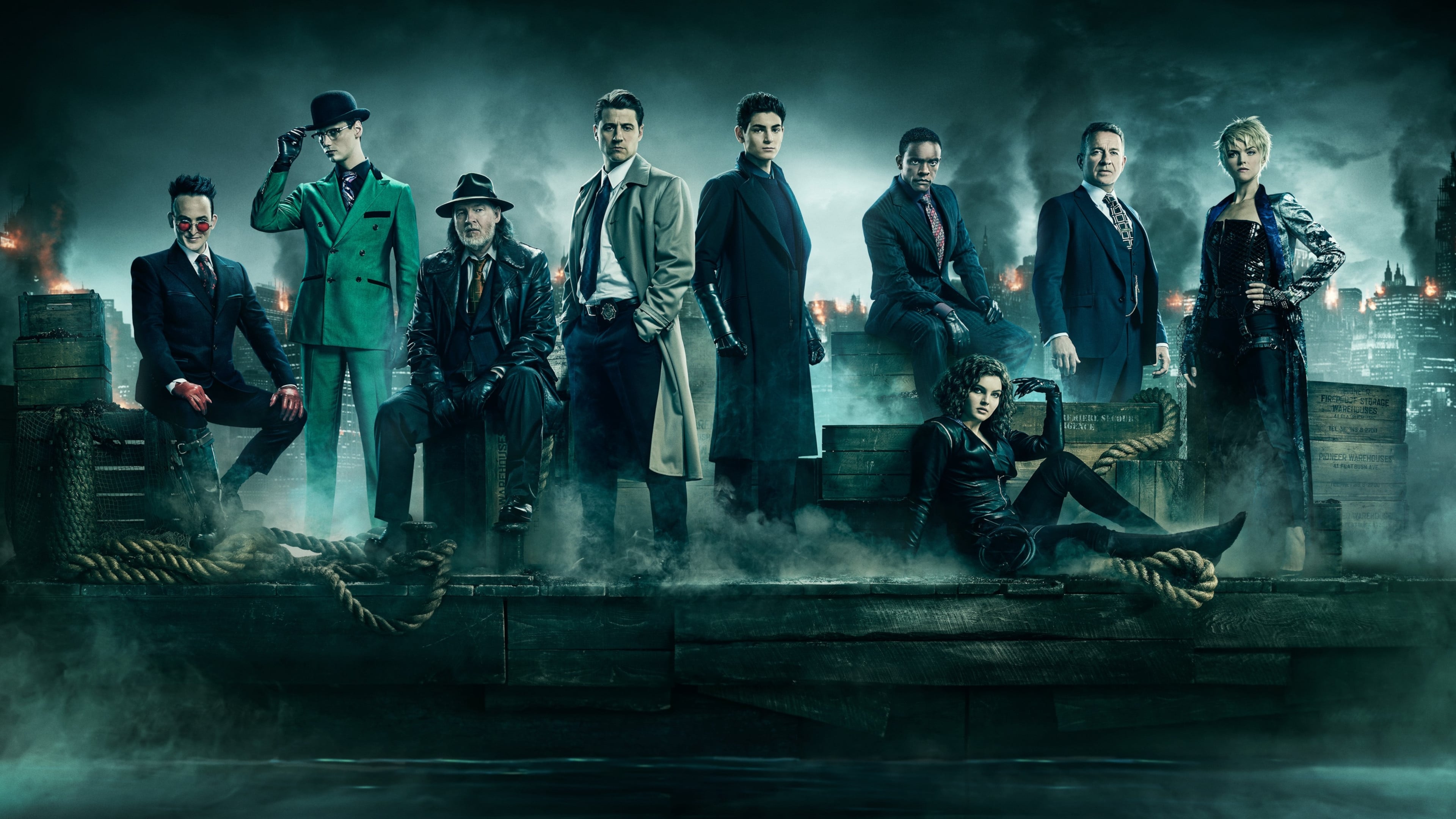
The show’s approach to ensemble storytelling was genuinely innovative. Instead of centering everything on established heroes and villains, Gotham asked: what if we watched this world through the eyes of the people trying desperately to hold it together as corruption consumed everything around them? Jim Gordon became something more than just “Batman’s future ally”—he was a man struggling with his principles in a city determined to erode them. And the supporting cast wasn’t just window dressing:
- Penguin/Oswald Cobblepot evolved from a minor character into a complex anti-hero with genuine depth
- Selina Kyle developed from street orphan into a character with agency and her own moral trajectory
- The Riddler/Edward Nygma provided a descent into villainy that was genuinely unsettling and compelling
- Captain Harvey Bullock became the show’s emotional anchor, despite (or because of) his flaws
The chemistry between the core cast members—particularly Ben McKenzie’s Gordon and Donal Logue’s Bullock—grounded the increasingly fantastical elements of the narrative. That was crucial, because Gotham absolutely did lean into sci-fi and fantasy elements as it progressed, and not everyone appreciated that tonal shift.
Speaking of tonal shifts, let’s be honest about the 7.6/10 rating—it reflects a show that didn’t maintain universal acclaim across its entire run. The later seasons, particularly as the series incorporated supervillain origin stories and more overtly fantastical elements, alienated some viewers who’d connected with the grittier early seasons. But here’s the thing: that willingness to evolve, to take risks, to say “we’re going to be weird with this” is exactly why the show endures in conversation. It didn’t play it safe in its final years, and while that choice wasn’t universally loved, it earned respect for its commitment to vision over broad appeal.
The show became a cultural touchstone specifically because of its willingness to embrace what made Gotham unique as a fictional space. The city itself became a character—a living, breathing organism of corruption, desperation, and darkness. Every episode reinforced that Gotham wasn’t a place that could be easily fixed or reformed. The show understood something fundamental about the Batman mythology: Gotham’s darkness isn’t incidental to the story, it’s the entire point.
> “In Gotham, hope and despair exist simultaneously. The show never let you forget that.”
What made Gotham particularly significant was how it handled the tension between inevitability and agency. Viewers knew where this was heading—these characters would eventually become the rogues gallery and allies of Batman. And yet the show made you invested in how they got there. Every moral compromise felt earned. Every descent into villainy was tragic rather than inevitable. That’s legitimately difficult storytelling to pull off across 100 episodes.
The show’s influence on television is quieter than it might initially seem, but it’s there. Gotham demonstrated that a prequel series could work not by retreading familiar beats but by exploring the infrastructure and context that made the original property resonate. It proved that you could take beloved characters and reimagine them in ways that respected the source material while creating something entirely new. That’s a lesson that’s influenced how studios approach spinoffs and prequels since.
Across its five-season run, Gotham developed a dedicated fanbase that appreciated what it was attempting. The show had standout arcs and moments that became genuinely iconic—episodes that took creative swings and mostly stuck the landing. When it ended, it didn’t end with a whimper; it concluded with a specific vision of what this world was and where its characters belonged.
For anyone diving into Gotham now, approach it understanding what it’s trying to be: not a Batman origin story exactly, but a story about systemic corruption, personal morality, and how good people survive in fundamentally broken systems. The 43-minute format works beautifully for this kind of storytelling, giving each episode room to develop ideas while maintaining momentum. Yes, it’s uneven at times. Yes, it commits fully to a particular vision that won’t resonate with everyone. But that commitment to vision, that refusal to compromise its gothic, theatrical sensibility—that’s what makes it worth your time. In a landscape increasingly filled with safe, focus-grouped television, Gotham remains defiantly, unapologetically itself.