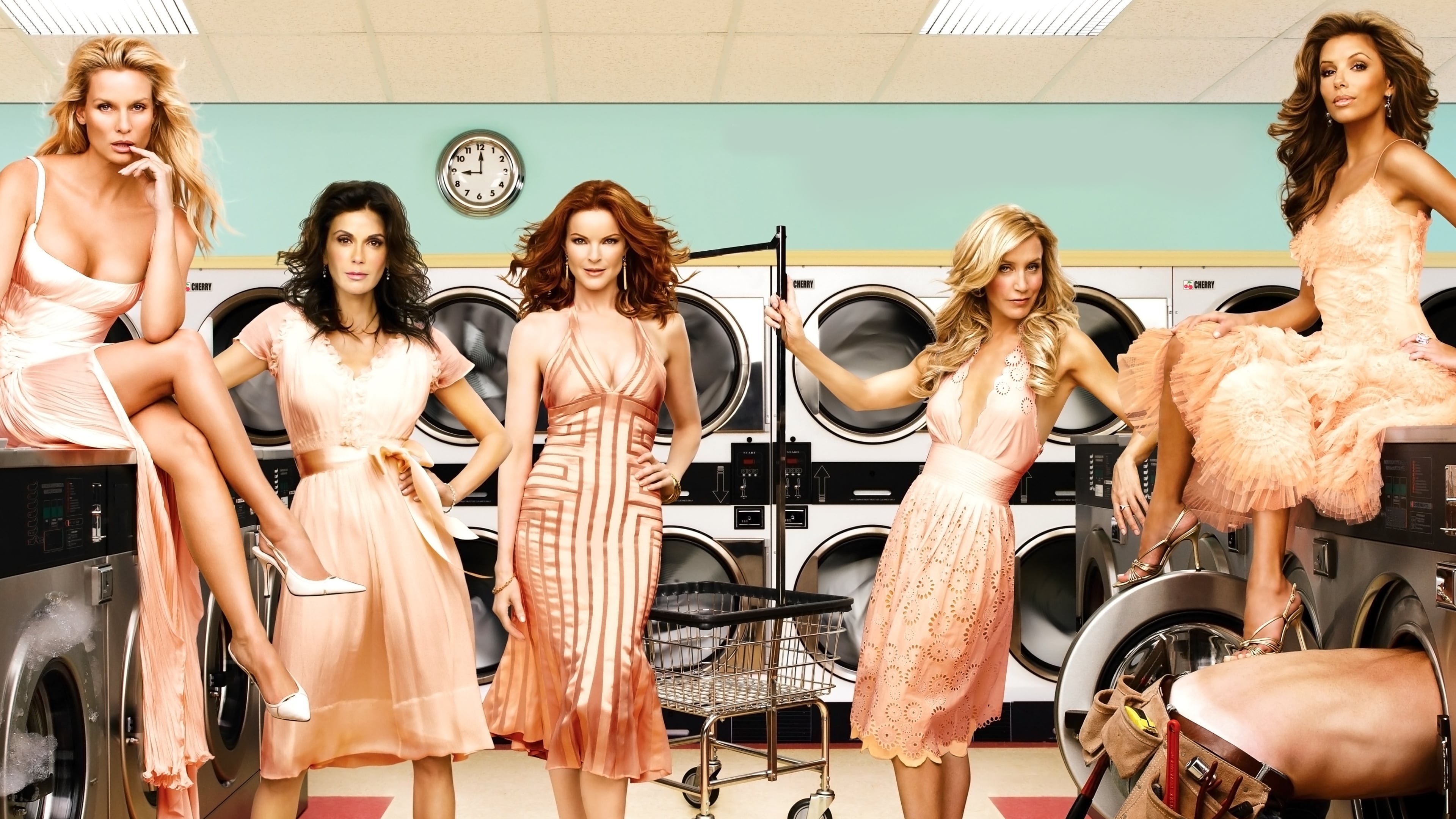
When Desperate Housewives premiered on October 3, 2004, it felt like a breath of fresh air that television desperately needed. Marc Cherry’s creation arrived at a moment when the industry was hungry for something that could blend genres in unexpected ways—something that wouldn’t apologize for being a mystery wrapped inside a soap opera wrapped inside a comedy. What made this show remarkable wasn’t just that it succeeded, but that it fundamentally changed how networks thought about what could happen in primetime drama. Over eight seasons and 179 episodes, it became one of those rare shows that transcended its own format to become a genuine cultural phenomenon.
The genius of Desperate Housewives lies in how it disrupted the traditional television landscape. Rather than choosing between drama, comedy, or mystery, Cherry crafted a show that seamlessly wove all three together—sometimes within a single scene. The series opened with the suicide of Mary Alice Young, an event that could have felt gratuitous, but instead became the mysterious thread that would unravel across the entire narrative. That opening hooked audiences immediately: we weren’t just watching a show about suburban life; we were being invited into an investigation. The show maintained this narrative tension for years, refusing to feel formulaic even as it settled into its rhythms.
What’s particularly striking about the show’s longevity is how consistently strong it remained. Across its eight-season run, the series maintained a 7.9/10 rating—a testament to both the quality of the writing and the show’s ability to evolve without losing its identity. Looking at the individual season ratings tells an interesting story:
- Season 4 (8.2) – The creative peak, when multiple storylines converged perfectly
- Seasons 1, 3, and 5 – All scored 8.0, showing remarkable consistency in the early-to-middle run
- Seasons 2, 6, and 7 – Held steady at 7.9, proving the show remained compelling even as it progressed
This consistency is rare. Most shows either fade gradually or implode spectacularly. Desperate Housewives managed the difficult trick of staying vital for nearly a decade.
> The show’s cultural impact extended far beyond its ratings numbers. It became a water-cooler phenomenon, sparking genuine conversations about marriage, class, identity, and suburban life that viewers wouldn’t typically expect from a primetime drama.
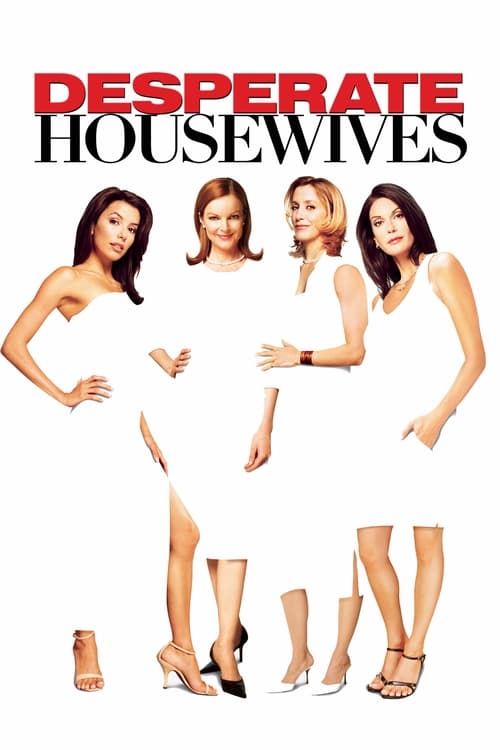
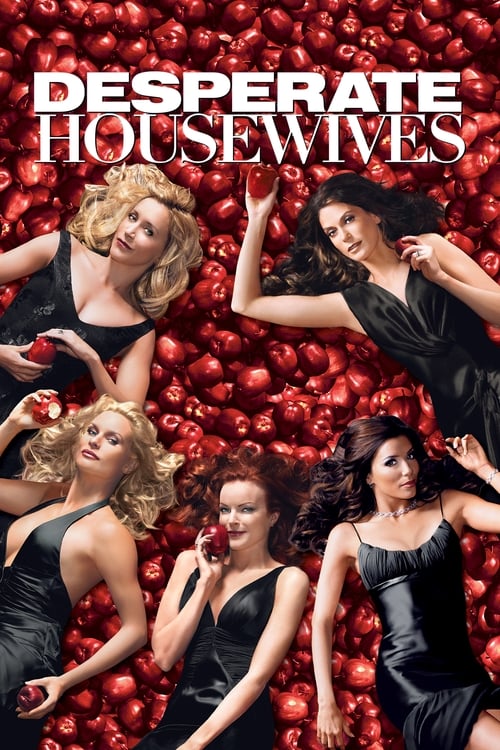
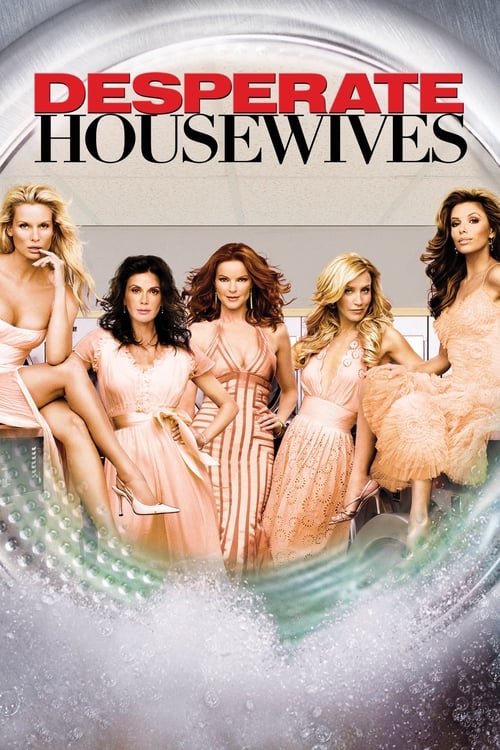
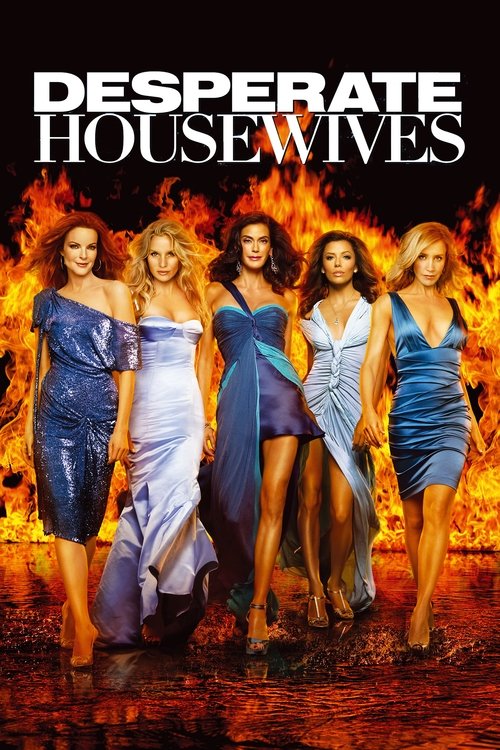
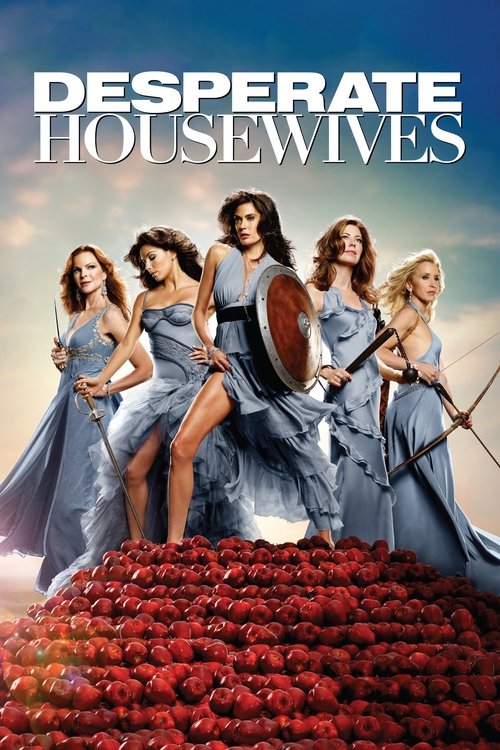
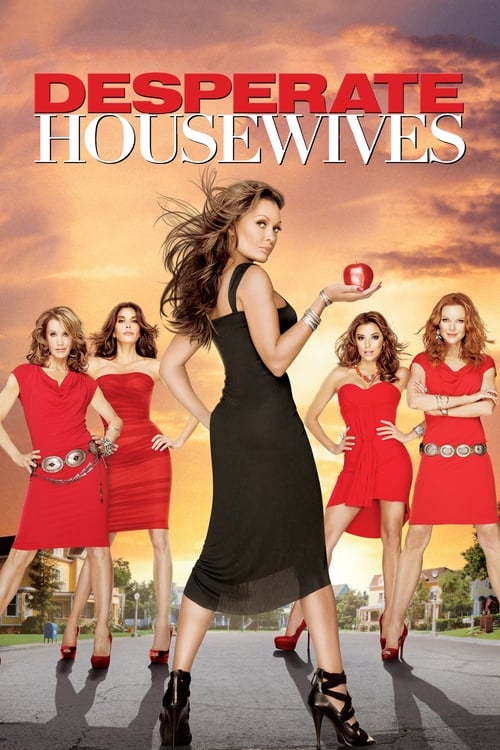
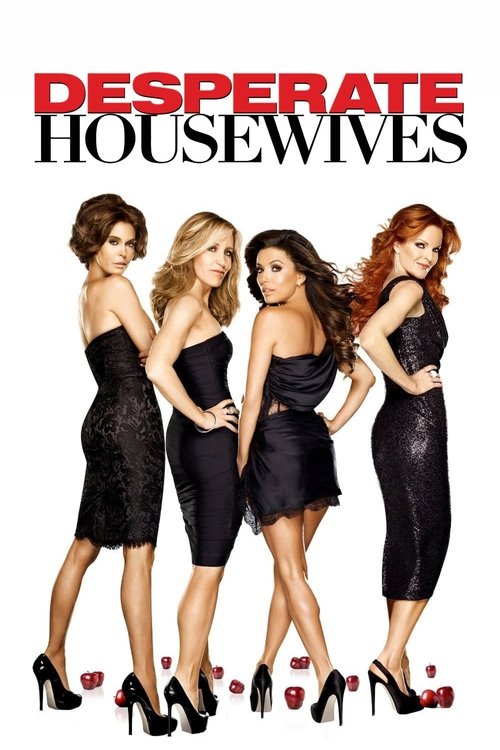
The characters became iconic precisely because they weren’t one-dimensional archetypes. Susan Mayer, Lynette Scavo, Bree Van de Kamp, and Gabrielle Solis represented different versions of womanhood and motherhood, but none of them were simple. Susan could be selfish. Bree could be cold. Gabrielle could be shallow and then deeply human. Lynette could be overbearing while also being heartbreakingly vulnerable. This complexity made the show resonate with audiences who saw themselves or people they knew in these characters—which is probably why the mystery elements worked so well. We cared about solving the mystery because we cared about these specific people.
The creative decision to blend mystery, drama, and comedy created a storytelling framework that gave the show flexibility. When a storyline needed dramatic weight, the show could deliver it without sacrificing character development. When things got too heavy, a comedic moment could provide relief without undermining the stakes. This tonal balance, which Cherry and his writing team maintained across 179 episodes, is genuinely difficult to execute consistently.
The way the show handled its runtime remains instructive for contemporary television. While the specific runtime information for individual episodes isn’t always catalogued, the show’s narrative structure showed a masterclass in pacing. Episodes never felt bloated or rushed—they told complete stories while advancing multiple ongoing mysteries simultaneously. This tight construction is one reason the show still holds up to rewatching.
The cultural footprint of Desperate Housewives was substantial:
- It demonstrated that primetime networks could attract both critics and audiences with shows that had depth and complexity
- It proved that shows with female leads and predominantly female creative perspectives could dominate the ratings
- It sparked conversations about motherhood, marriage, and identity that extended far beyond entertainment discourse
- The Wisteria Lane aesthetic became instantly recognizable and endlessly imitated
- It made “desperate housewife” a phrase that entered the popular vernacular in a way that reflected the show’s themes rather than reducing them
The show’s journey from its 2004 debut to its 2012 conclusion felt like a complete narrative arc. Rather than overstaying its welcome, Desperate Housewives ended on its own terms after eight seasons—a choice that only enhances its legacy. In the current landscape, where streaming availability through Amazon Prime Video and Hulu keeps it accessible to new audiences, the show continues to find viewers who recognize why it mattered.
What ultimately makes Desperate Housewives deserving of attention is that it excelled at what great television does: it created a world we wanted to inhabit, populated it with characters we cared about, and told stories that mattered. Marc Cherry created something that was simultaneously entertaining and meaningful, accessible and smart. That’s no small achievement, and it’s precisely why, nearly two decades after its premiere, the show still registers at a 7.9/10 and continues to resonate with audiences discovering it for the first time.