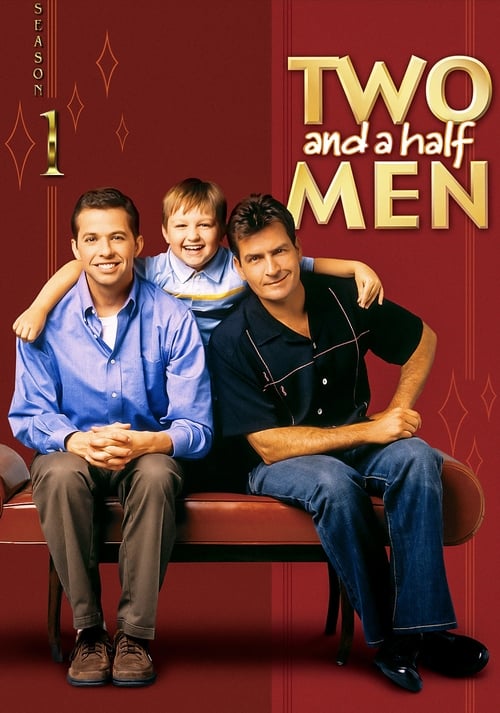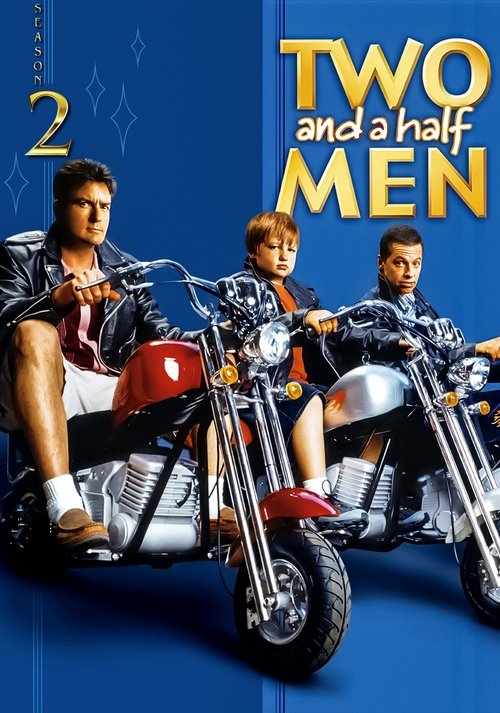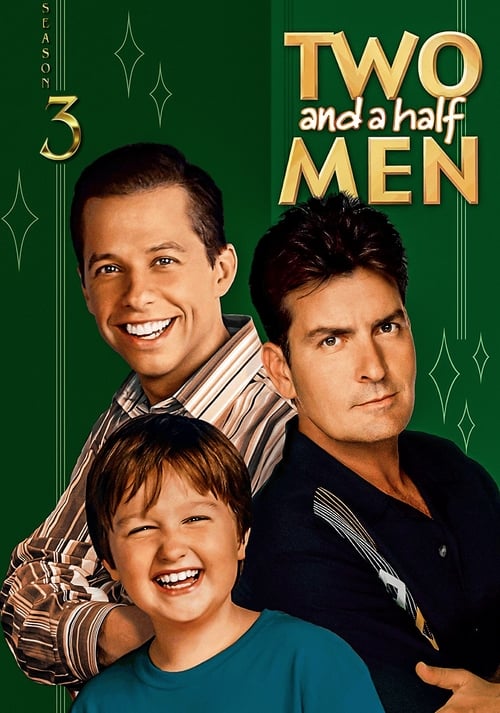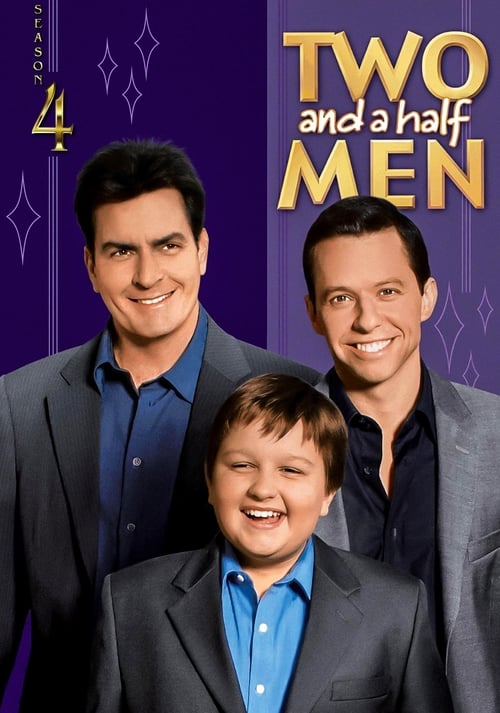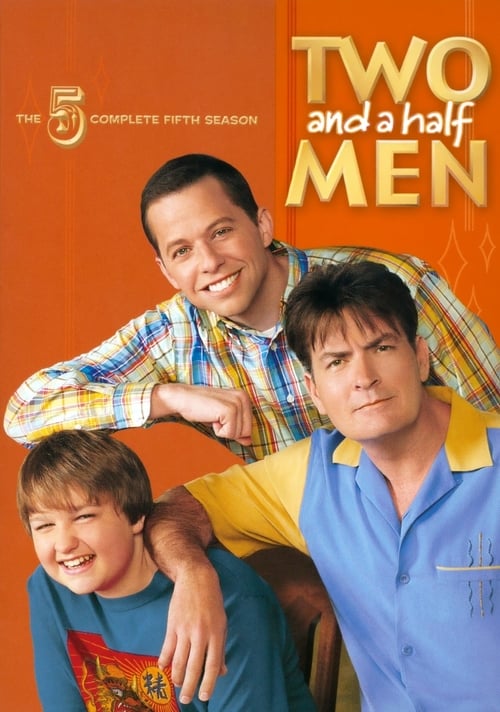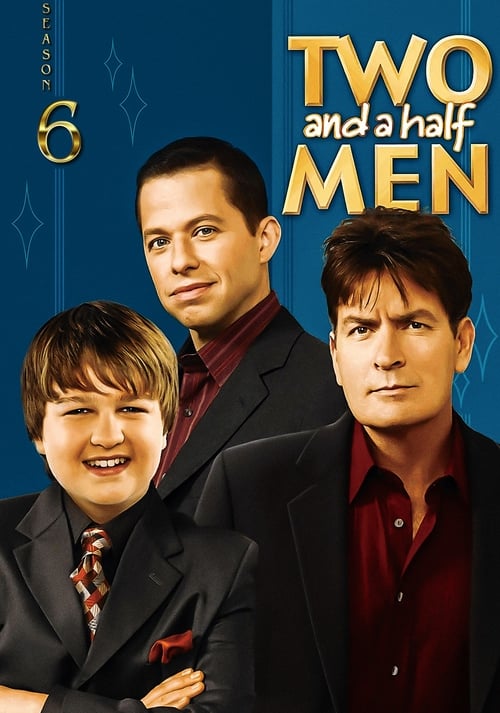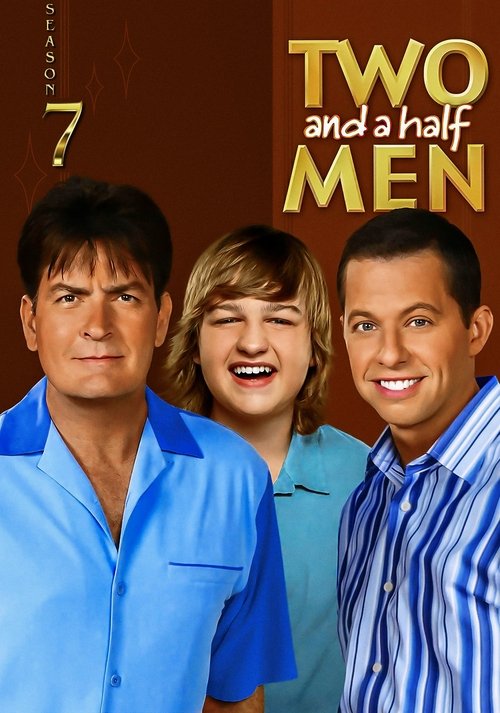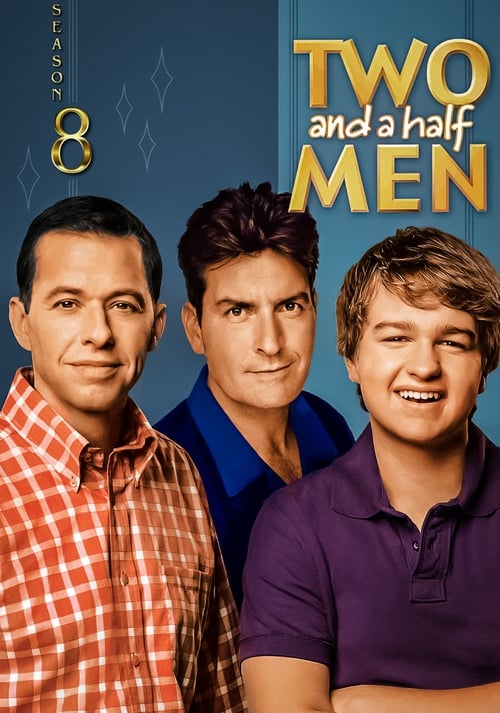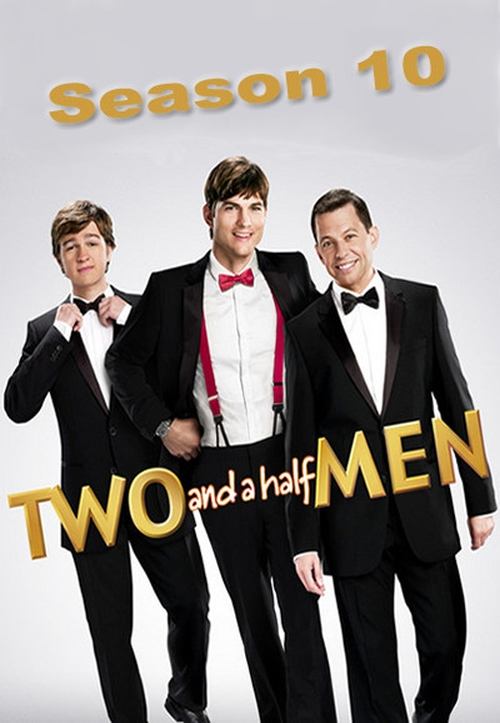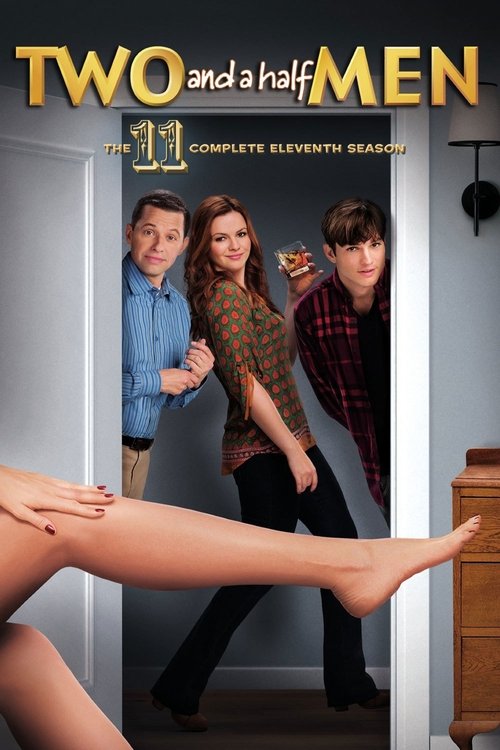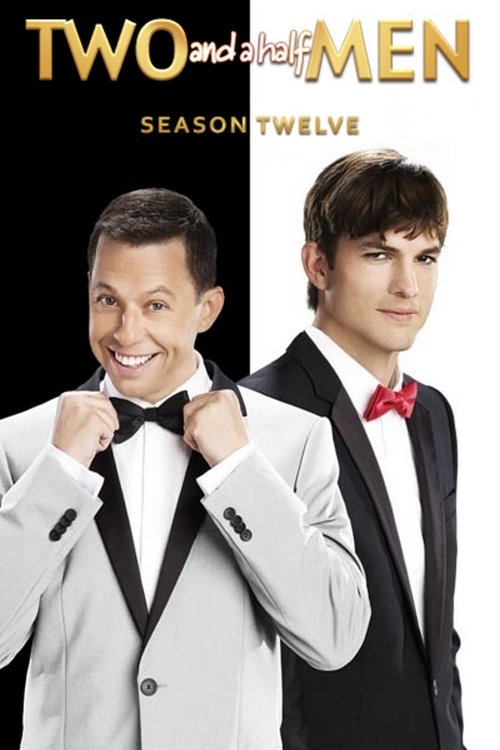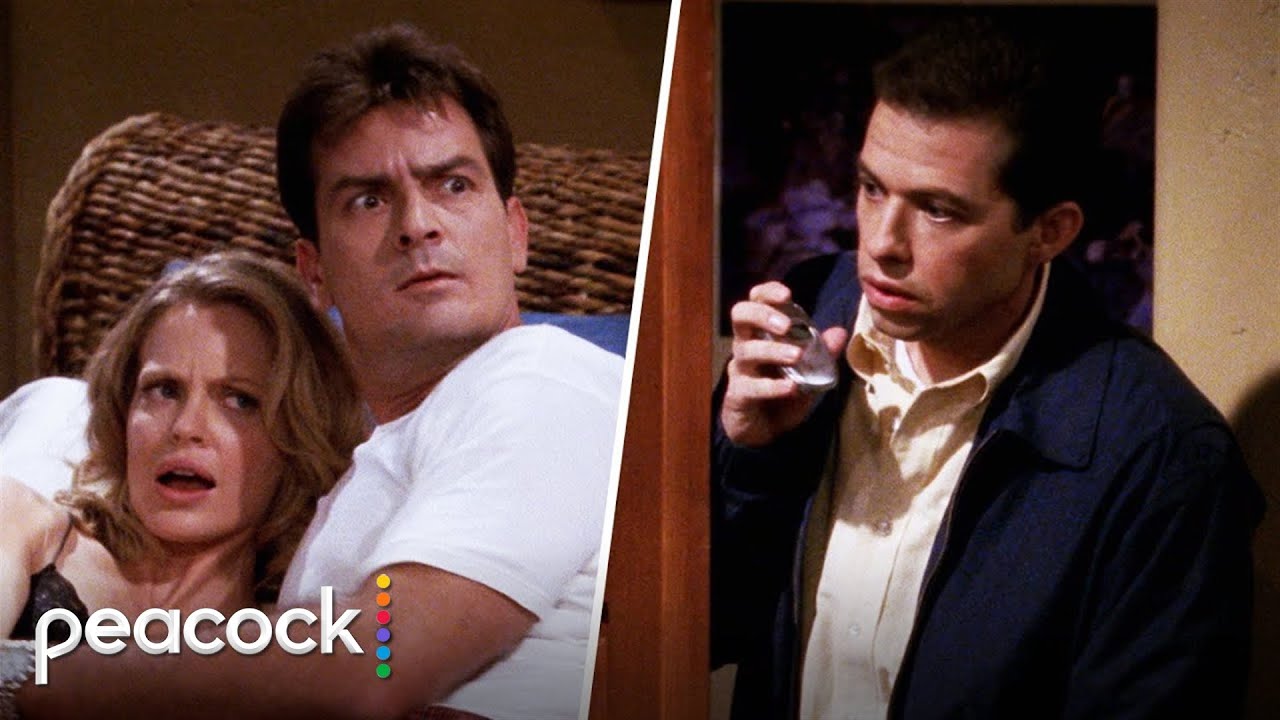
When Two and a Half Men debuted on CBS back in September 2003, television comedy was ready for something different—and this show delivered in spades. What started as a premise about a struggling musician moving in with his wealthy brother and nephew evolved into a cultural phenomenon that would dominate primetime for over a decade. The chemistry between its lead characters and the willingness to mine comedy from genuinely uncomfortable situations set it apart from the safer sitcoms that dominated the landscape at the time.
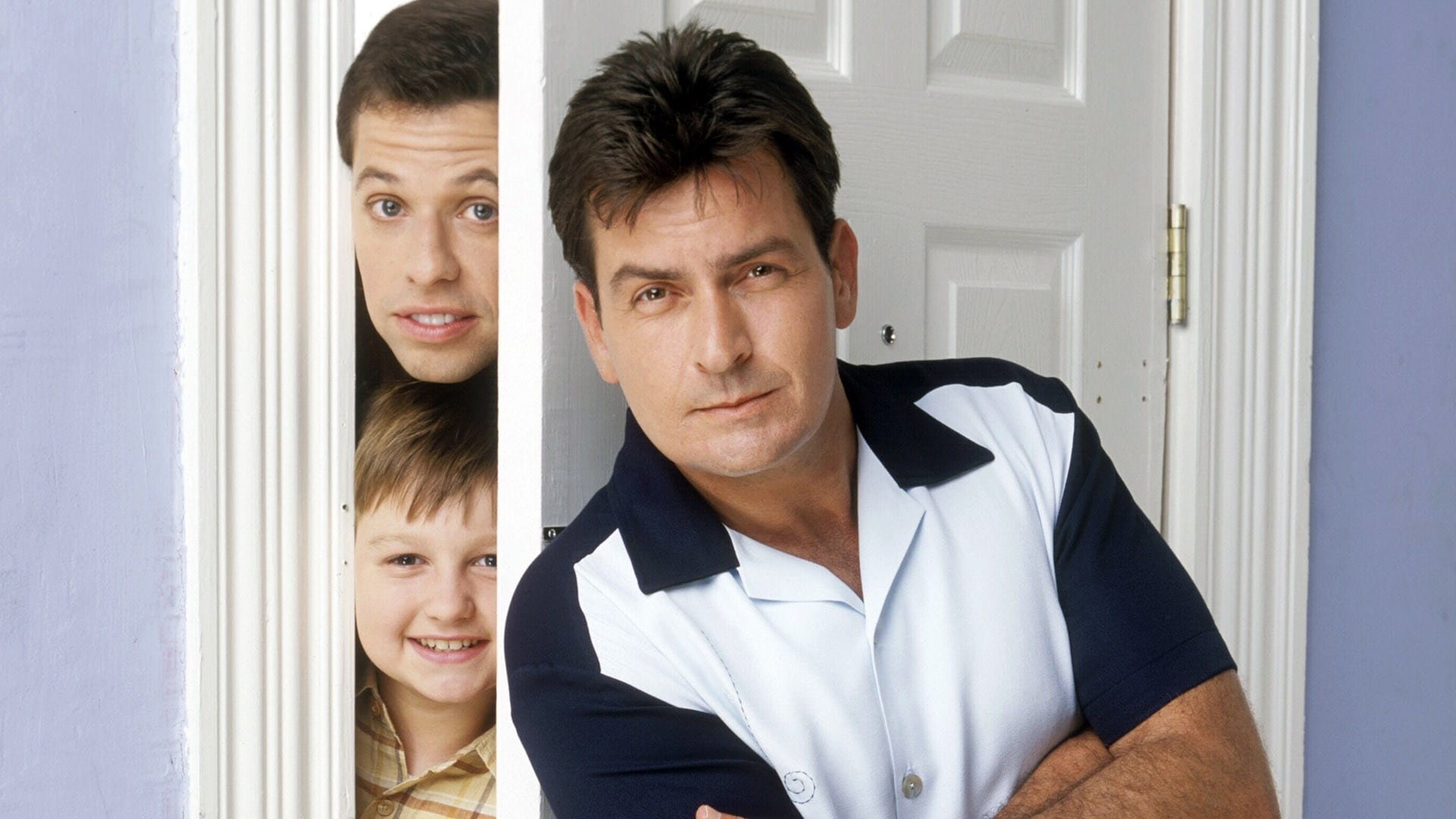
The brilliance of what creators Lee Aronsohn and Chuck Lorre built lies in how they balanced broad humor with something more layered underneath. On the surface, you had the classic sitcom setup: Charlie Harper, a hedonistic jingle writer living the bachelor life in his Malibu beach house, suddenly forced to share his home with his uptight brother Alan, a dentist dealing with divorce, and Alan’s precocious son Jake. But the show thrived because it refused to let any of these characters off easy. They were flawed, often despicable, and yet somehow undeniably human in their struggles and desires.
> The show’s real power came from its willingness to make its protagonists genuinely unlikeable while still keeping audiences invested in their chaos.
Over 262 episodes across 12 seasons, the series maintained a respectable 7.4/10 rating—a testament to its consistency, even as it evolved. What’s particularly impressive is that the show didn’t just coast on its initial premise. The creative team constantly found new angles to explore, new relationship dynamics to test, and new ways to push the boundaries of network television comedy. This wasn’t a show content to repeat the same jokes; it was genuinely interested in character development, even when delivered through crude humor and cynical observations.
The cultural impact of Two and a Half Men cannot be overstated. Here are some of the elements that made it such a fixture in the television landscape:
- Boundary-pushing humor: The show tackled infidelity, sexual dysfunction, addiction, and toxic masculinity with a frankness that was relatively rare for network TV at the time
- Iconic catchphrases and running gags: Lines and scenarios became instantly recognizable to viewers and spawned countless water cooler conversations
- Character evolution: Despite the sitcom format, characters genuinely changed over the series, with relationships shifting in unexpected ways
- The revolving door of female characters: Charlie’s dating life provided both comedy and commentary on modern relationships
The show’s runtime flexibility—even if listed as unknown in some databases—allowed the writing to breathe. Episodes could go longer when a storyline demanded it, or hit harder and faster when the pacing required it. This gave Chuck Lorre’s writing team room to develop scenarios that might have felt rushed in a more rigid format.
What made Two and a Half Men particularly fascinating was how it managed to be simultaneously trashy and clever. You could watch it as pure escapism—a show about gorgeous women, fancy houses, and consequence-free debauchery—or you could engage with the deeper commentary about masculinity, aging, and the hollow nature of the lifestyle being depicted. The show worked on both levels, which explains why it attracted such a broad audience throughout its run from 2003 to 2015.
The ratings trajectory tells an interesting story:
- Early seasons (2003-2006): Exceptional consistency with 7.9/10 averages, establishing the show as a quality product
- Middle seasons (2006-2010): Slight dips to 7.8-7.9, suggesting the show was maintaining quality despite the grind of production
- Later seasons: While metrics shifted, the show’s core audience remained dedicated, keeping it in the network’s rotation
The show’s longevity—maintaining viability for 12 full seasons on a major network—speaks to something fundamental about its appeal. In an era of increasingly fragmented television audiences, Two and a Half Men managed to be the kind of show that both critics and general audiences could find something to appreciate in, even if they didn’t always agree on exactly what that something was.
When the series ended in February 2015, it left behind a complex legacy. Critics had become harsher as the seasons progressed, yet the show maintained its audience. That disconnect between critical opinion and viewership reflects the show’s unique position—it was never trying to be prestigious prestige television. It was trying to be entertaining, provocative, and honest about human desire and failure, all wrapped up in a comedy package with a laugh track.
Today, with the show available on Peacock Premium, YouTube TV, and Philo, new audiences continue to discover why Two and a Half Men was such a phenomenon. Whether they’re watching for the nostalgic appeal, the undeniable comedic chemistry between its cast, or the genuine exploration of modern relationships beneath the crude jokes, the show maintains its appeal. It remains a fascinating artifact of 2000s television—a show that knew exactly what it was and committed fully to that vision, for better and for worse.