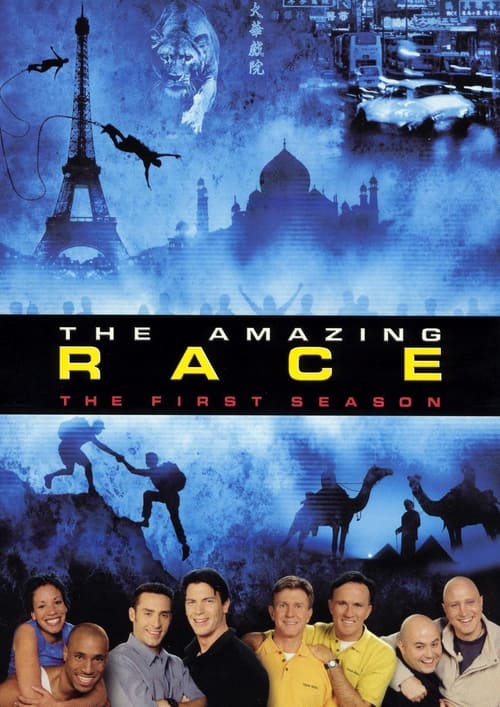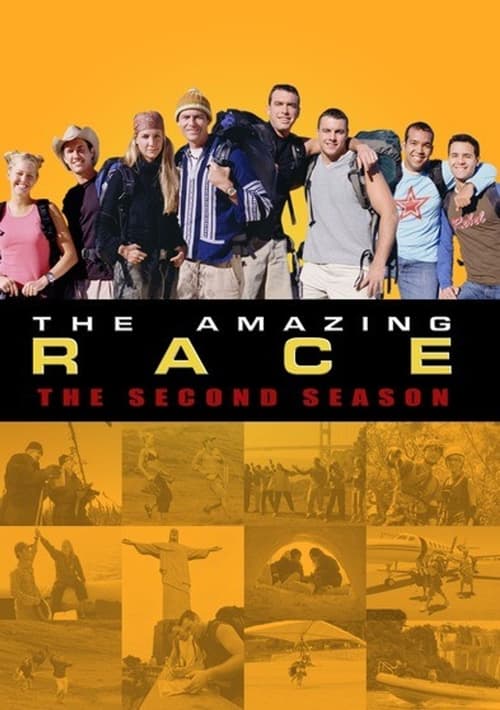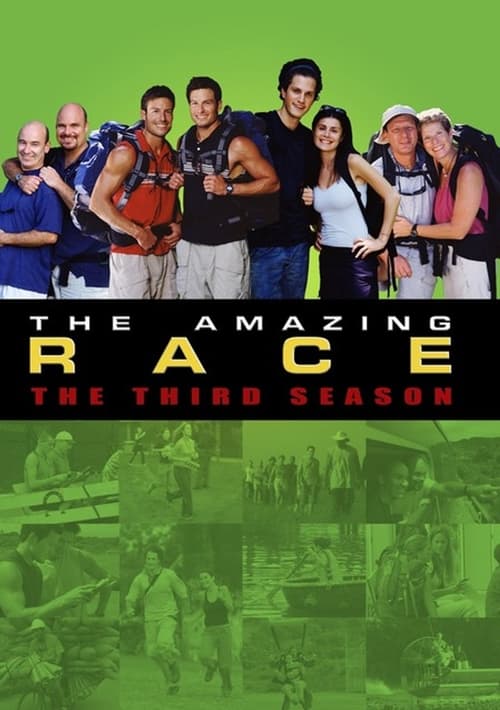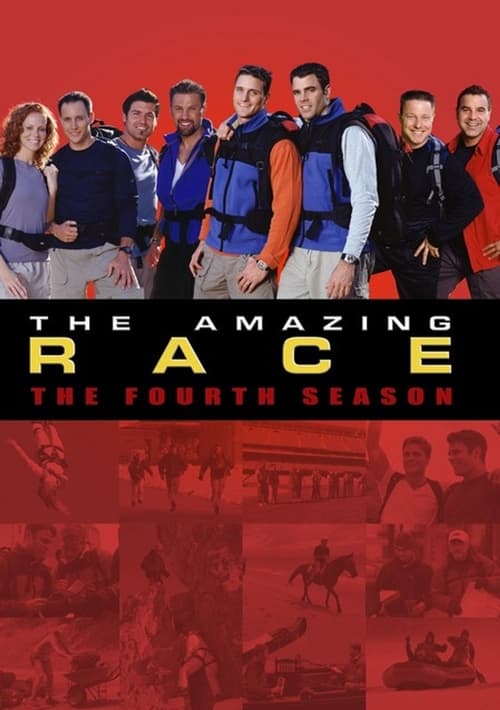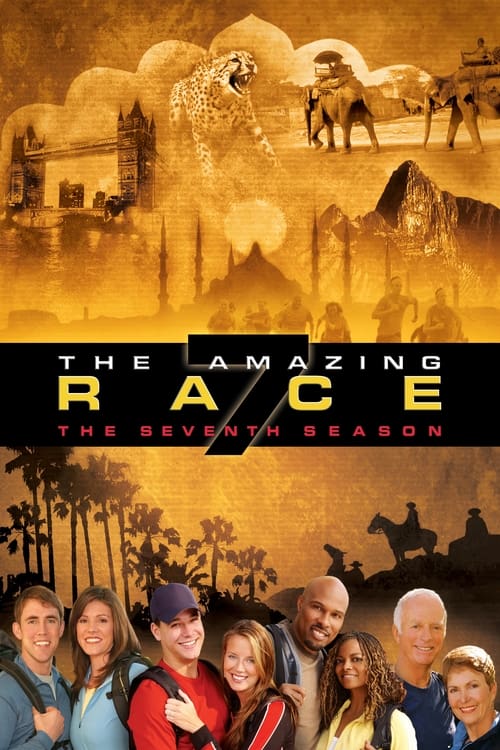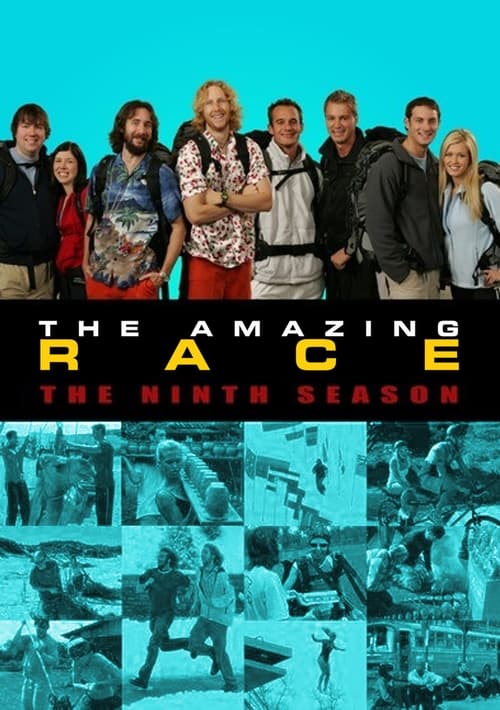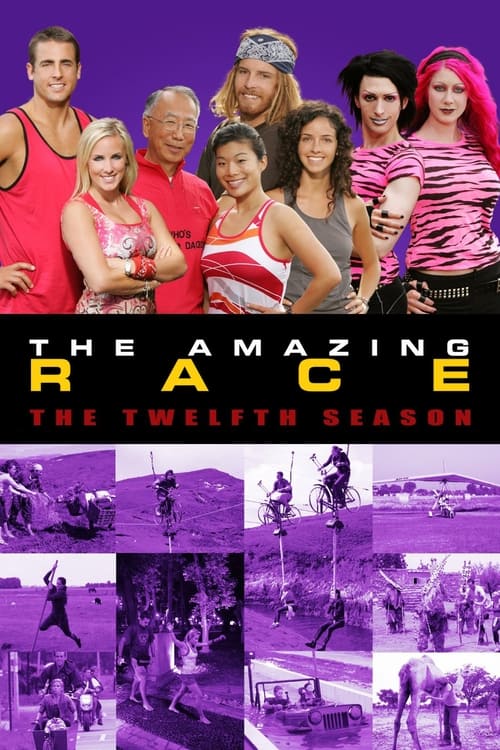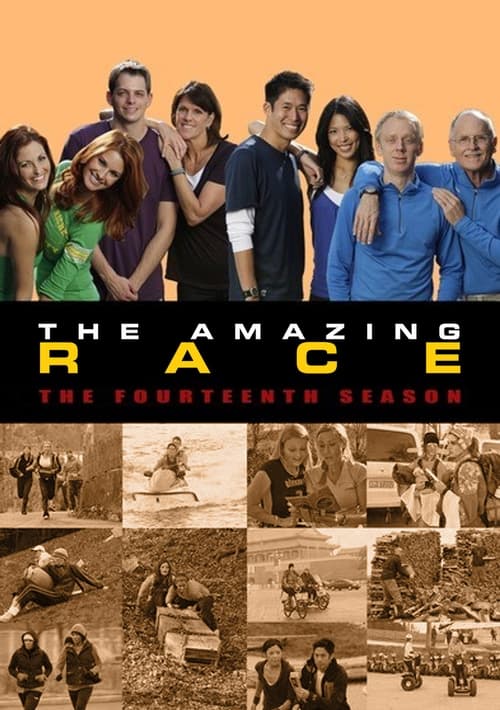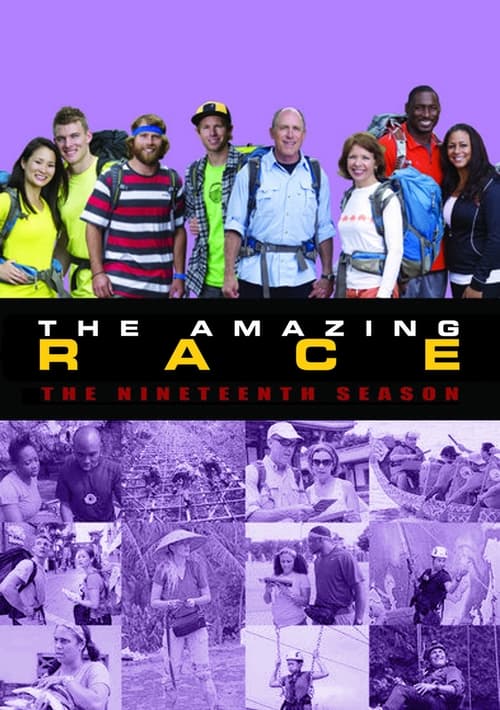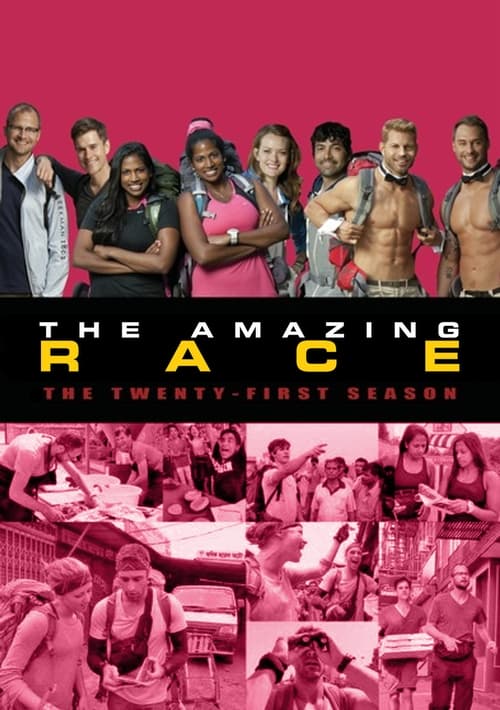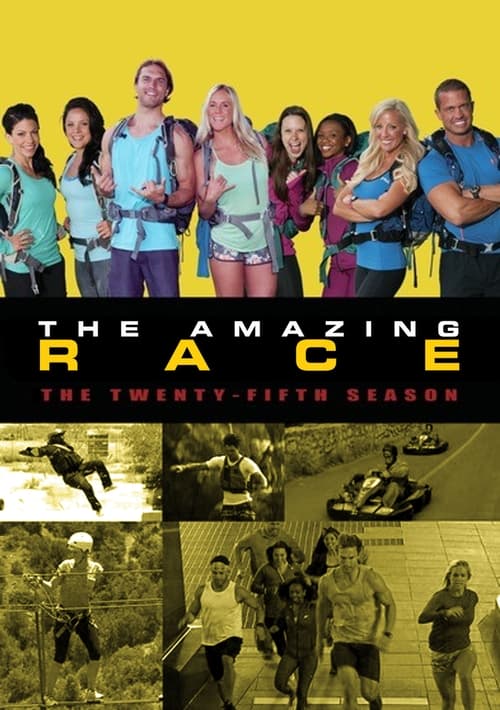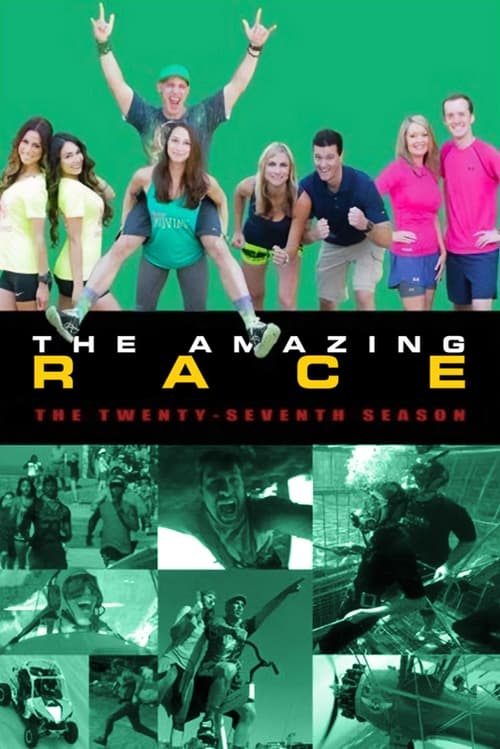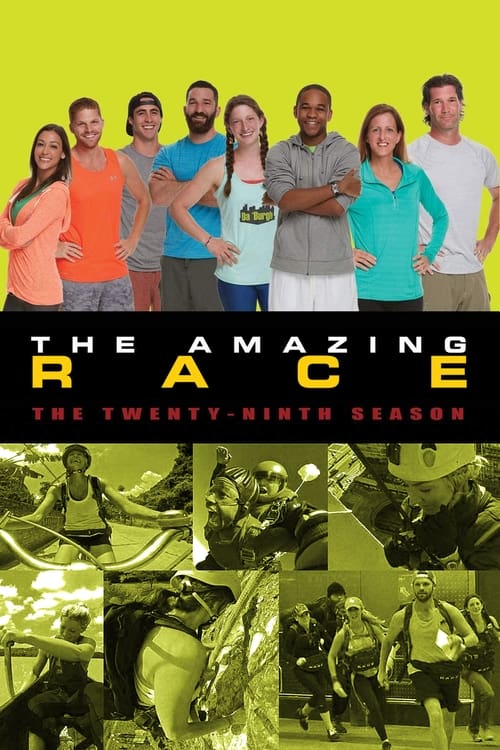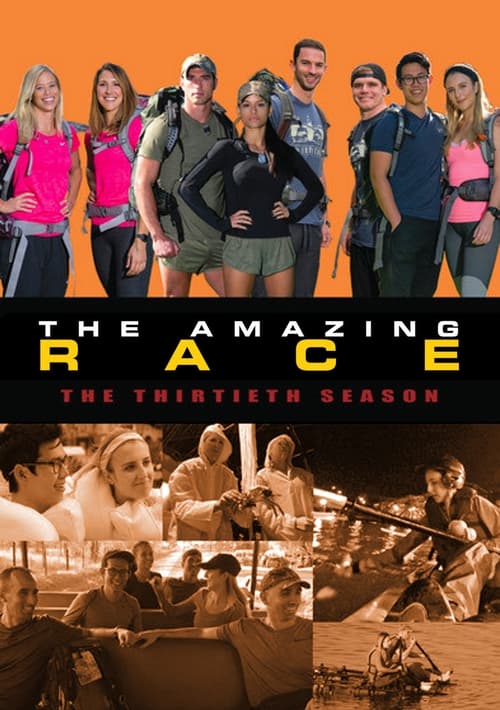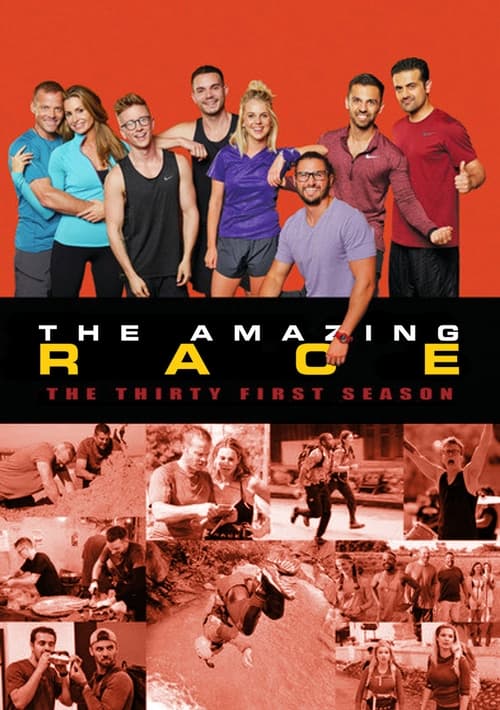
When The Amazing Race premiered on CBS back in September 2001, it arrived at a moment when reality television was still finding its footing. Creators Bertram van Munster and Elise Doganieri had conceived something genuinely innovative—not a competition about voting someone off an island or surviving in isolation, but rather a globe-trotting adventure that would transform the reality format itself. What they accomplished was nothing short of remarkable: a show that made authenticity feel as thrilling as any scripted drama, proving that real people facing genuine challenges could captivate audiences week after week.
The core brilliance of The Amazing Race lies in its fundamental premise. Rather than confining contestants to a single location, the show sends teams racing across continents, solving puzzles, completing physical challenges, and navigating real-world obstacles. That 42-minute runtime proved perfectly calibrated—it’s long enough to build genuine tension and character development, yet tight enough to maintain relentless pacing. Each episode feels like a miniature adventure film, with locations serving as dynamic characters themselves. This structure allowed the show to become something television hadn’t quite figured out before: a reality competition that functioned as legitimate travel television, anthropology, and human drama all at once.
Over its 38-season run comprising 449 episodes, The Amazing Race has demonstrated staying power that most reality shows simply don’t achieve. That 6.9/10 rating might seem modest on paper, but it reflects something important about the show’s audience—it’s never chased the lowest common denominator. Instead, it’s cultivated a devoted fanbase that appreciates its complexity. The show respects viewers’ intelligence, assuming they want to experience travel, cultural nuance, and genuine competition rather than manufactured drama or conflict-baiting.
What made The Amazing Race culturally significant was how it reframed reality television away from interpersonal backstabbing toward external problem-solving. Rather than asking “who will be eliminated this week?” it asks “can these people work together under pressure to accomplish the impossible?” This philosophical difference rippled through the entire television landscape, influencing how networks approached competition programming for years to come.
> The show’s impact extends beyond ratings—it fundamentally changed how we think about reality television as a storytelling medium, proving that authenticity and genuine adventure could sustain a global audience across decades.
The geographic diversity alone represents a creative achievement worth celebrating. From exploring markets in Southeast Asia to navigating cities across Eastern Europe, from competing in the Middle East to racing through the Pacific Islands, The Amazing Race became a master class in location scouting and cultural representation. Each season’s route felt carefully considered, offering viewers armchair travel while contestants experienced genuine jet lag, culture shock, and the kind of authentic human encounters you simply cannot manufacture.
Bertram van Munster and Elise Doganieri’s vision extended beyond simple racing. They understood that the show’s soul resided in watching ordinary people discover capabilities they didn’t know they possessed. A tax accountant might find themselves rappelling down a cliff. A kindergarten teacher might negotiate in a foreign market. These moments of self-discovery, captured authentically as they happened, created emotional resonance that elevates the show beyond pure competition.
The show has consistently demonstrated an ability to reinvent itself while maintaining core appeal. Some seasons emphasized particular themes—”Family Edition” brought together relatives with different dynamics, “All-Stars” reunited beloved past contestants, and international iterations brought fresh perspectives. This flexibility showed genuine creative thinking rather than formulaic repetition.
What truly distinguishes The Amazing Race is its treatment of failure and struggle. Unlike shows that edit footage to create artificial drama, The Amazing Race doesn’t need to. Real exhaustion, real cultural barriers, real equipment failures, and real emotional moments provide the tension. When a team realizes they’ve made a navigation error that costs them the race, that devastation is genuine. When teammates communicate brilliantly under pressure, their connection feels authentic. This honesty became the show’s greatest asset.
Key elements that sustained the show’s longevity:
- Rotating formats and twists that kept longtime viewers engaged without alienating newcomers
- International settings that provided both practical challenges and cultural storytelling
- Diverse casting that brought varied perspectives, communication styles, and problem-solving approaches
- Genuine jeopardy—teams actually could be eliminated, creating real stakes
- Physical and mental variety in challenges, requiring different skill sets
The streaming era has actually benefited The Amazing Race, making entire seasons available to viewers who might have missed them originally. Its presence across multiple platforms—Hulu, Paramount+, fuboTV, YouTube TV—suggests the show has found new audiences while retaining its existing ones. The fact that it continues as a “Returning Series” after more than two decades speaks volumes about its sustained appeal.
If you haven’t experienced The Amazing Race, it’s worth understanding why it matters. In an era saturated with reality television, this show has endured because it understood something fundamental: people don’t just want to watch drama unfold; they want to watch real people achieve extraordinary things. It transformed reality television from a guilty pleasure into something with genuine substance—and that transformation remains one of the medium’s most underrated achievements.