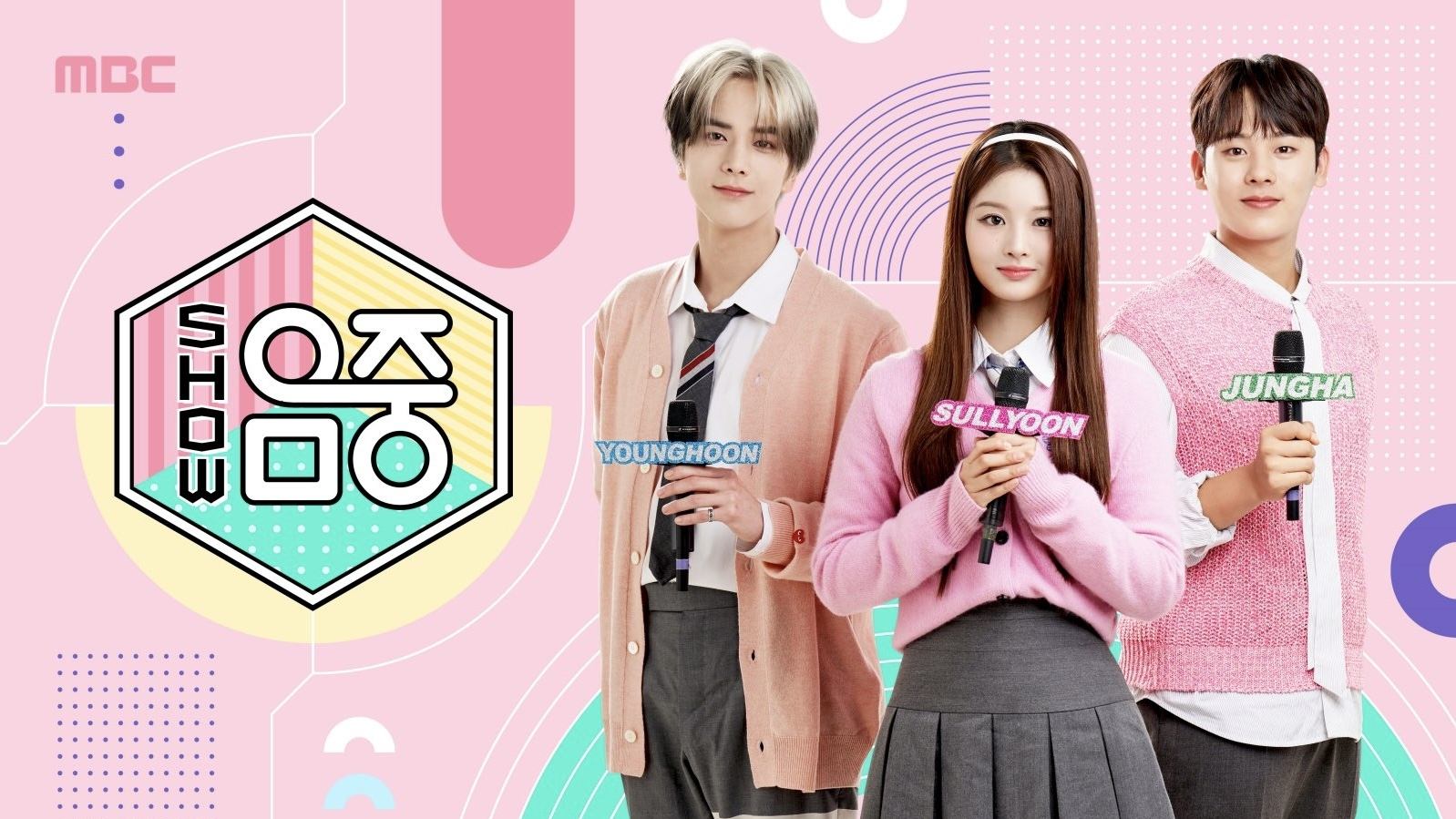
When Show! Music Core premiered on October 29, 2005, South Korean television was about to get a music show that refused to play by the usual rulebook. While its competitors were obsessed with charts, rankings, and award ceremonies, this MBC program took a different approach entirely. Instead of determining winners and losers, it created space for something more genuine: artists simply performing live in front of an engaged audience. That might sound like a small distinction, but it fundamentally changed how Korean music television could function.
Nearly two decades later, the show is still going strong, and that longevity tells you something important. We’re talking about a series that has accumulated 896 episodes across 1 season, pulling in a 7.0/10 rating from viewers who’ve watched it evolve and adapt. Those numbers reflect something deeper than just consistency—they reflect a show that found its purpose and stuck with it.
What makes Music Core different?
The show’s refusal to crown winners is its strongest creative choice. By ditching the competitive element that defines most music programming, the creators freed themselves to focus on what actually matters: the performances. The 65-minute runtime gives each segment breathing room. You get “This Week’s Hot 3,” which highlights emerging trends without the pressure of a rankings system. There’s “Chart Up Core,” which tracks momentum. And then there’s “Core of Rising Stars,” a segment dedicated entirely to artists finding their footing. This structure works because it’s built on observation rather than judgment.
That distinction matters more than it might seem on the surface. When you remove the trophy, you remove the desperation. Artists aren’t fighting for a plaque or a cash prize. They’re just there to perform, which paradoxically makes the whole thing feel more authentic. The screaming audience, the live energy, the occasional technical hiccup—none of that gets filtered through the lens of “who’s winning today?”
How it influenced the wider conversation
Over nearly two decades on the air, Music Core became something like the Saturday appointment for Korean music fans. It airs live every Saturday at 3:30 PM KST, which created a ritual. People planned around it. They knew which artists would likely show up, which new groups were getting their big break, which established acts were returning. The show didn’t just present music—it became part of how Korean pop culture marked time.
The platform proved genuinely important for artists at different career stages:
- New groups got exposure without the stigma of “losing” a competition
- Established acts used it to test new material and maintain visibility
- The segments allowed for different narrative angles—rising momentum felt different from established success
- International audiences eventually discovered Korean music partly through clips that circulated online
This democratization of the music show format meant that Music Core could talk about a broader range of artists than its competitors. You weren’t locked into a top-10 system. The show could spend time on artists with dedicated fanbases, emerging talents, and established names all in the same broadcast.
The creative vision that stuck
What’s interesting is how the show’s creators understood something fundamental about music television: people don’t actually need to know who “won” to enjoy live performances. They need good performances, interesting artists, and a sense of discovery. The format they built around those principles in 2005 has remained mostly consistent, which suggests they got something right from the start.
The program proved that music television could be about curation rather than competition. “This Week’s Hot 3” functions like a real conversation about what’s resonating right now. It’s not definitive. It’s observational. That’s a subtly different thing, and it’s why the show has remained relevant even as K-pop has exploded globally and the ways people consume music have completely transformed.
Why audiences kept coming back
The consistency matters. Show! Music Core is a Returning Series series because it delivers what it promises every single week. You get live performances from artists you care about. You get a sense of what’s happening in Korean music right now. You get to see artists take risks or try new arrangements. The show doesn’t overcomplicate things with drama or narrative manipulation. It just presents music.
For television that’s been running for this long, that’s actually remarkable. Most shows with nearly 900 episodes either reinvent themselves constantly or coast on formula until they collapse. Music Core managed to stay relevant by understanding that its core appeal—live music performed by talented artists—doesn’t need constant gimmicks to work. The music itself is the point.
The fact that it’s available on Kocowa and through various streaming platforms now means it has reached audiences far beyond South Korea. International K-pop fans have used the show as a way to track debuts and comebacks. The 65-minute format, which once felt like a lot of time for a music broadcast, now feels reasonable when you factor in all the different segments and performances.
Show! Music Core is the kind of television that works because it trusts its audience and trusts the material. No manufactured drama. No artificial stakes. Just artists performing, every Saturday, for nearly twenty years. That’s the kind of consistency that builds real cultural significance.



![[Kpop Mix] Show Music Core Mix - 2h 31m](https://img.youtube.com/vi/yLDaFHi7tcI/maxresdefault.jpg)