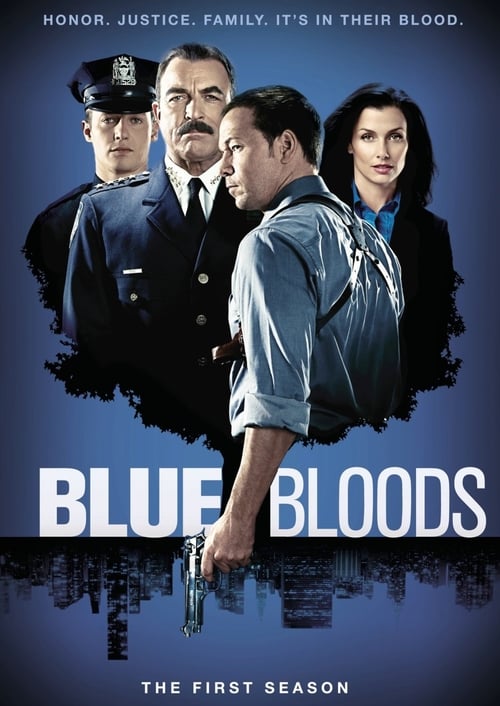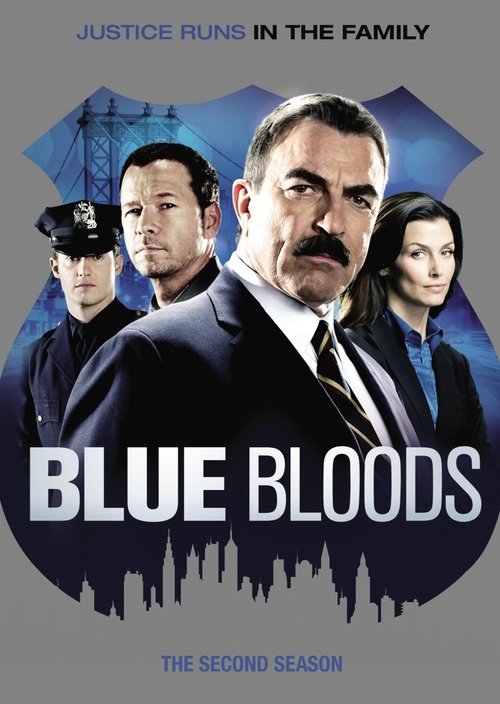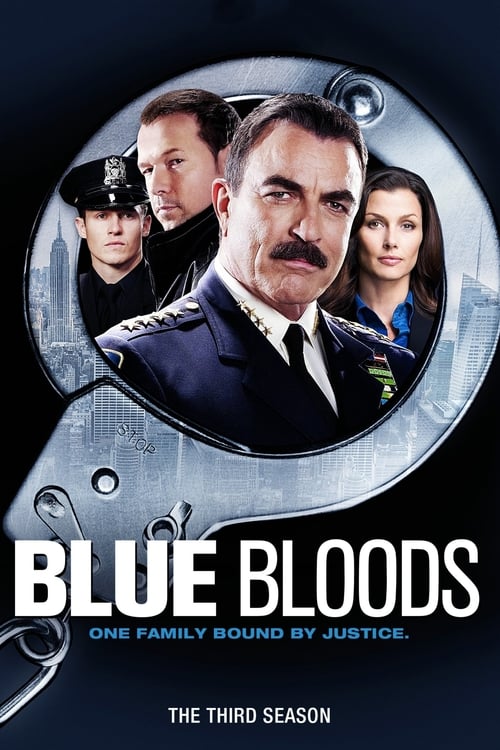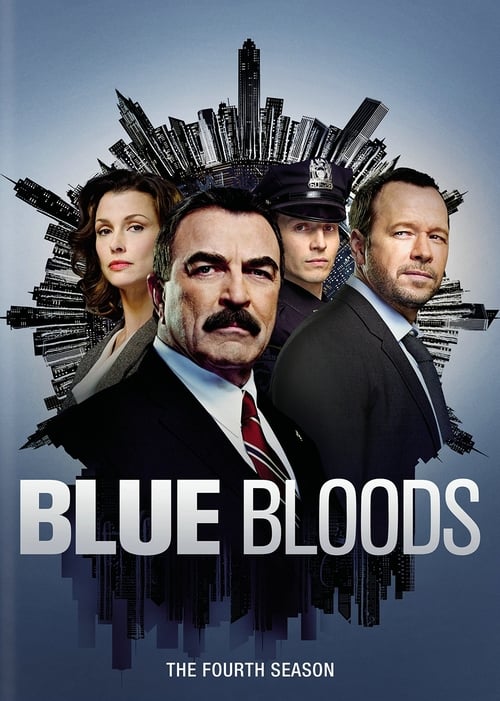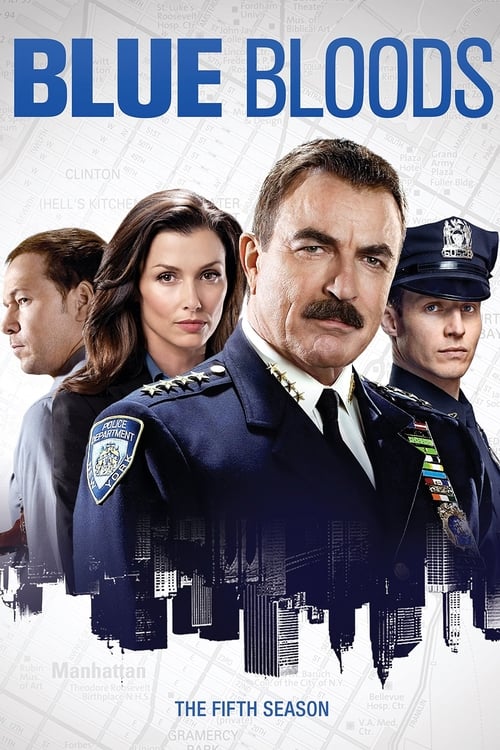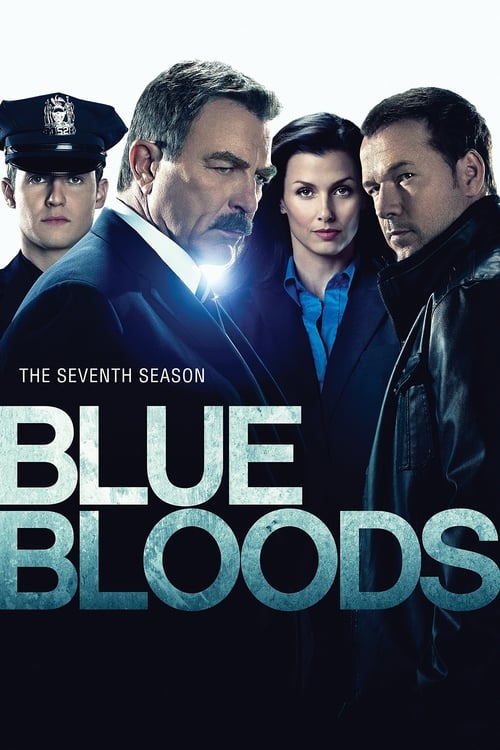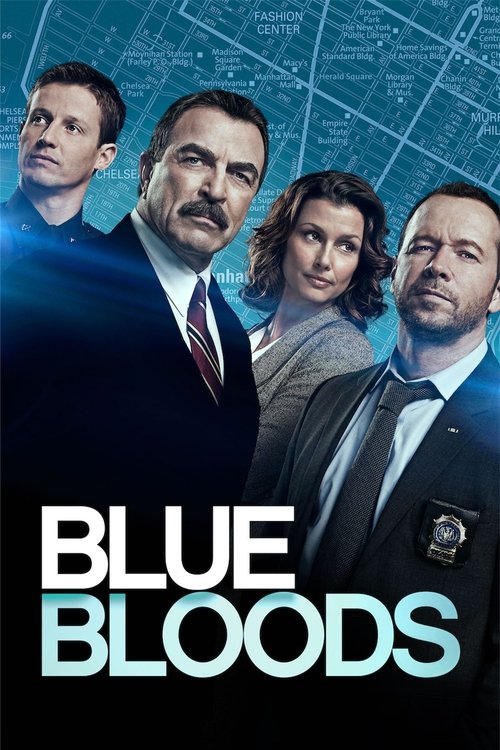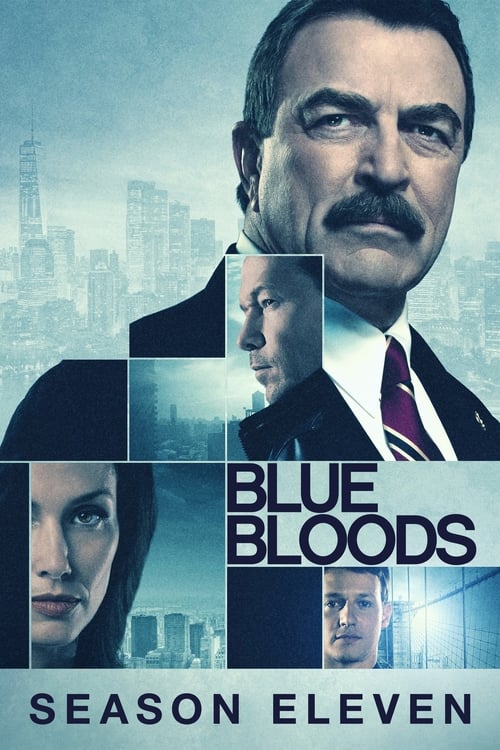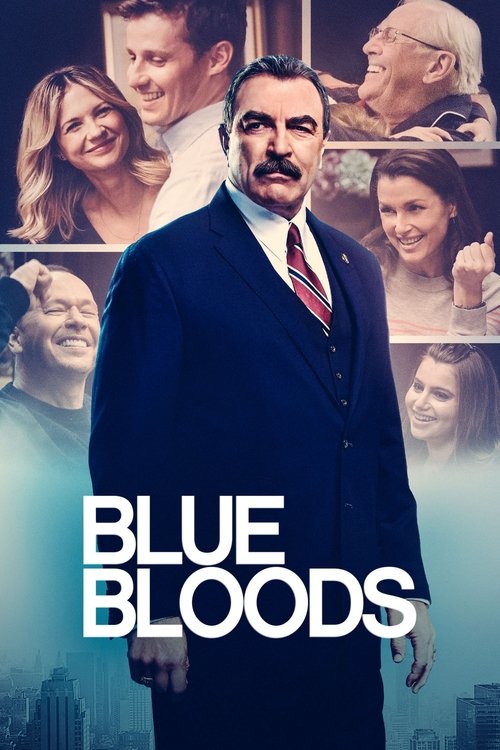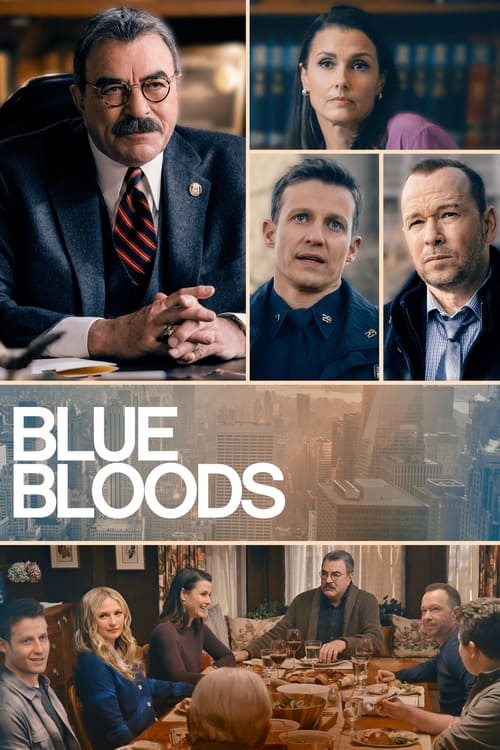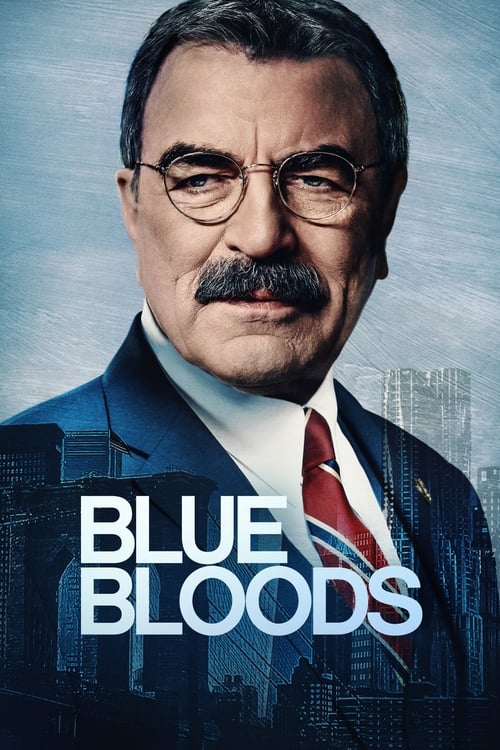
When Blue Bloods debuted on September 24, 2010, it arrived during an era when procedural dramas were a dime a dozen on network television. Yet something about Robin Green and Mitchell Burgess’s vision immediately set it apart. Rather than focusing solely on case-of-the-week mysteries, the creators made a bold choice: they centered the show on the Reagan family itself, treating their personal dynamics with the same weight and complexity as the crimes they investigated. This shift in perspective transformed what could have been another forgettable cop show into something genuinely distinctive—a family drama that happened to involve police work, rather than the reverse.
The premise is deceptively simple: Frank Reagan, the Police Commissioner of New York City, leads a multigenerational family of law enforcement officers. His son Danny is a detective, his daughter Erin is an ADA, and his youngest son Jamie is a patrol officer turned detective. What unfolds across 293 episodes over 14 seasons is a masterclass in exploring how public duty and private obligation constantly collide. The show never shied away from asking uncomfortable questions: When your father makes a decision that affects the entire department, can you separate professional duty from family loyalty? How do you arrest someone who’s connected to your family’s past? These conflicts gave the series genuine dramatic weight that elevated it beyond procedural conventions.
> The Reagan family dinner table became the show’s emotional and thematic core—a space where personal grievances, professional struggles, and moral dilemmas were hashed out with brutal honesty and deep affection.
What’s particularly striking about Blue Bloods‘s longevity is how consistently it maintained its quality throughout its run. The show’s rating trajectory tells a compelling story: it premiered at a respectable 7.6, but steadily improved through its opening seasons, peaking at 8.1 by Season 5. The fact that it remained in the 7.8-8.1 range throughout its entire run—averaging 7.8 overall—speaks to an impressive consistency that many shows simply can’t achieve. Too many dramas either decline sharply after their initial success or plateau entirely, but Blue Bloods demonstrated remarkable staying power.
Tom Selleck’s performance as Frank Reagan deserves special mention here. While the cast ensemble was uniformly strong, Selleck brought a gravitas and moral clarity to the role that became the emotional anchor for the entire series. He portrayed a man constantly wrestling with the weight of command—protecting his officers, serving his city, and being a present father and grandfather—all while maintaining an almost Shakespearean dignity. His interpretation of Frank Reagan created a template for how to play authority figures with vulnerability rather than arrogance.
The cultural footprint Blue Bloods left is undeniable. The series became a conversation starter about faith, family values, and institutional responsibility during a period when these themes were often sidelined in prestige television. While shows were chasing darkness and moral ambiguity, Blue Bloods argued that traditional values—loyalty, duty, faith, family—remained dramatically compelling. That stance resonated deeply with audiences, particularly those who felt underrepresented in contemporary television narratives.
- Consistency in character development – The show tracked its characters’ growth across 14 seasons with remarkable coherence, allowing relationships to deepen naturally over time
- Willingness to tackle political issues – From police brutality to corruption within the department, the series engaged contemporary debates with nuance
- Strong ensemble dynamics – Multiple storylines could coexist without feeling fragmented, because the family structure provided narrative cohesion
- Grounded procedural work – When the show focused on cases, it did so with realism and procedural accuracy that satisfied both casual viewers and law enforcement professionals
The series finale in 2024 hit record-breaking viewership at 6.7 million viewers, proving that Blue Bloods had built something genuinely meaningful to audiences over its 14-season journey. That finale moment wasn’t just the end of a show—it was a cultural event, a chance for viewers to say goodbye to characters they’d invited into their homes for nearly 15 years.
Why this show endures in the streaming era is worth considering. Blue Bloods is the kind of series that rewards binge-watching while also being comforting to revisit. There’s something deeply satisfying about returning to the Reagan family dinners, to watch Frank navigate impossible decisions, to see Danny and Baez work through their will-they-won’t-they dynamic with genuine chemistry. The show trusted its audience to care about character consistency and emotional resonance rather than shock value and plot twists.
What Robin Green and Mitchell Burgess created wasn’t revolutionary in a formal sense—the cinematography was competent, the editing was invisible, the structure was traditional. But sometimes the greatest storytelling achievement isn’t innovation for its own sake; it’s knowing exactly what you want to say and executing it with clarity and heart for 293 episodes. Blue Bloods proved that a show about family, duty, and moral complexity could thrive on network television. In an increasingly fragmented television landscape, that’s no small feat.