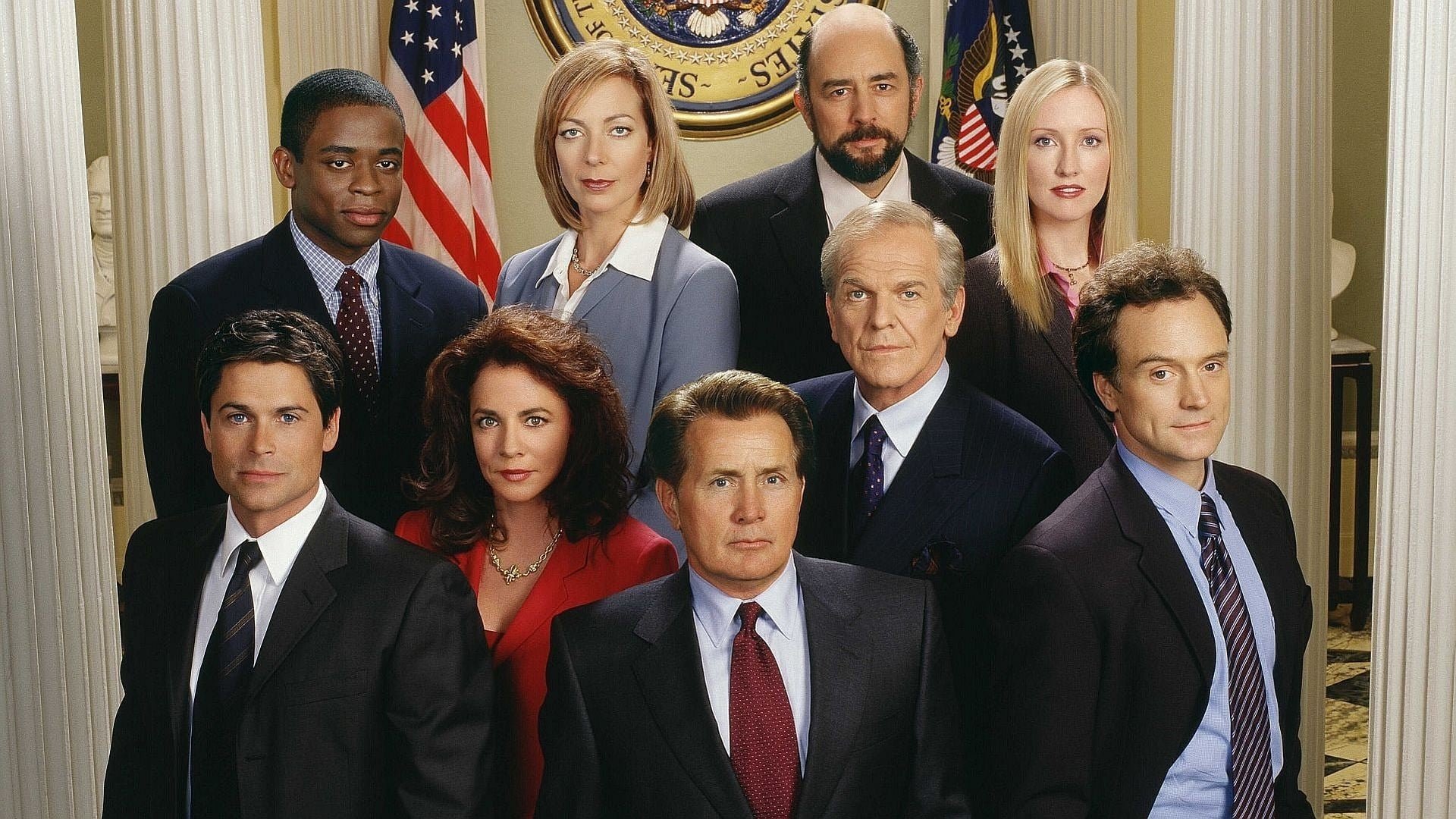
If you haven’t experienced The West Wing yet, you’re missing one of television’s most transformative achievements. When Aaron Sorkin’s political drama debuted on NBC on September 22, 1999, it fundamentally changed how audiences expected their television to sound, move, and think. Over seven seasons and 154 episodes, the show didn’t just entertain—it reshaped what prime-time drama could accomplish, earning an impressive 8.2/10 rating that reflects its enduring quality across its entire run.
What made The West Wing so revolutionary was Sorkin’s approach to dialogue and pacing. This wasn’t television that asked you to sit back passively. Instead, Sorkin demanded engagement through rapid-fire, intelligent conversation that felt authentic to how people actually communicate in high-pressure environments. Characters didn’t pause to explain things for the audience; they assumed you were smart enough to keep up. That confidence in the viewer—that willingness to let complexity breathe on screen—was genuinely groundbreaking for network television at the time.
The show’s cultural footprint became impossible to ignore almost immediately. It arrived at a fascinating moment in American politics, just before the 2000 presidential election, and suddenly everyone was talking about the White House in a completely different way. The West Wing didn’t just depict political machinations; it made them romantic. It presented public service as noble, intelligent, and genuinely important work. That idealism struck a chord that resonated far beyond traditional political junkies.
> The West Wing transformed the White House from a distant abstraction into a living, breathing workplace where brilliant people grappled with impossible choices.
Consider what Sorkin accomplished structurally. The variable episode runtime—never fixed, never predictable—allowed stories to breathe naturally. A subplot didn’t get cut short because of clock constraints; it developed organically until the narrative demanded. This flexibility meant that episodes could sprint through the Situation Room one moment and then slow down for intimate character work the next. That dynamic pacing became one of the show’s signature strengths and a model other dramas would attempt to follow.
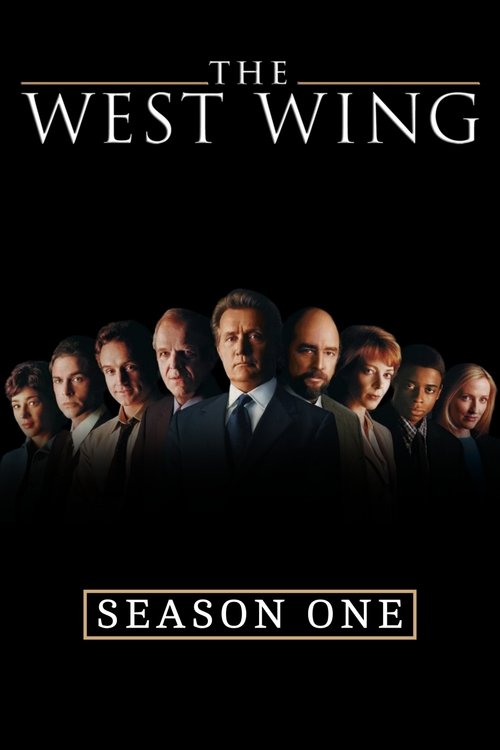
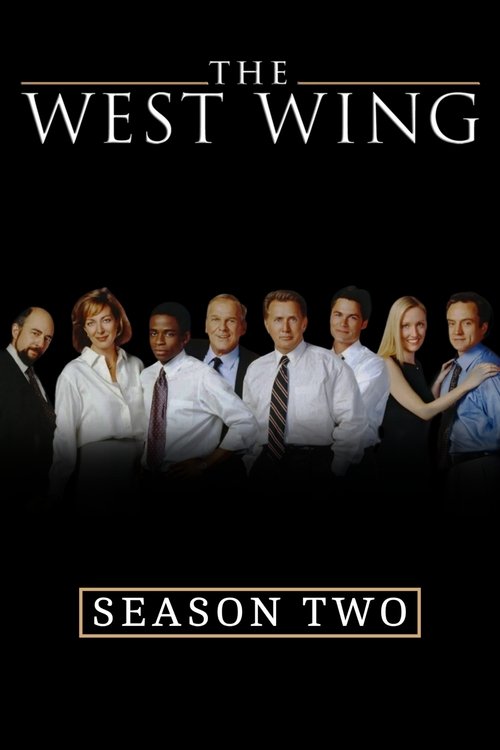
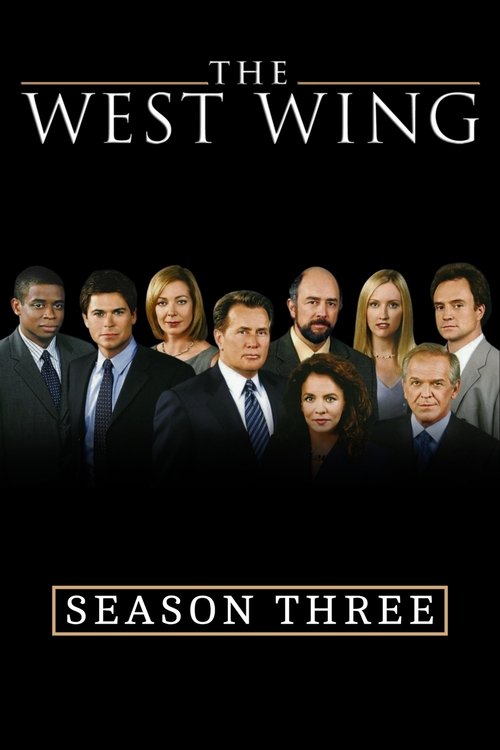
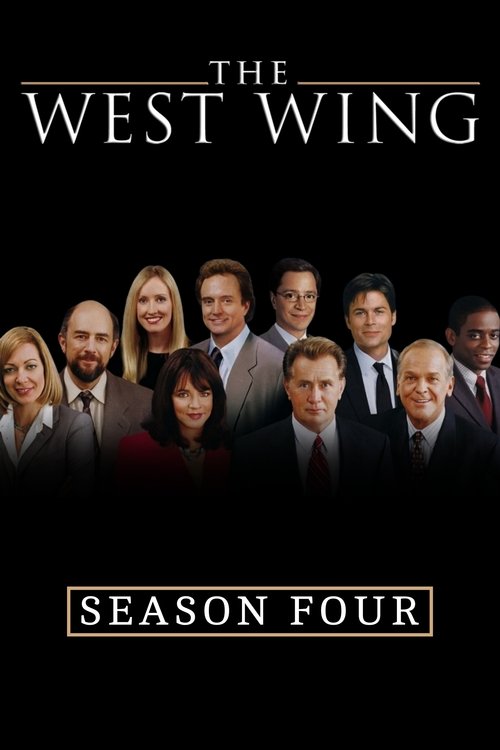
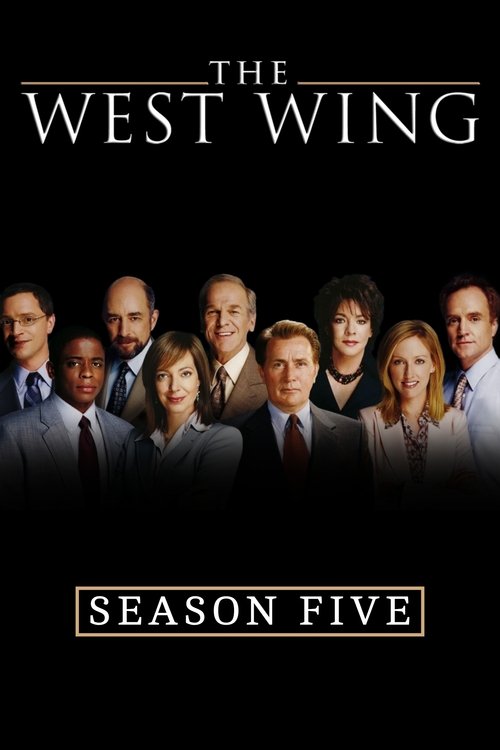
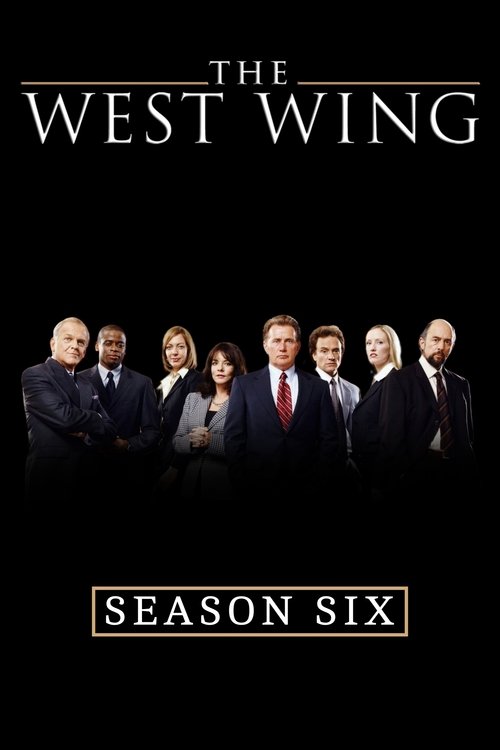
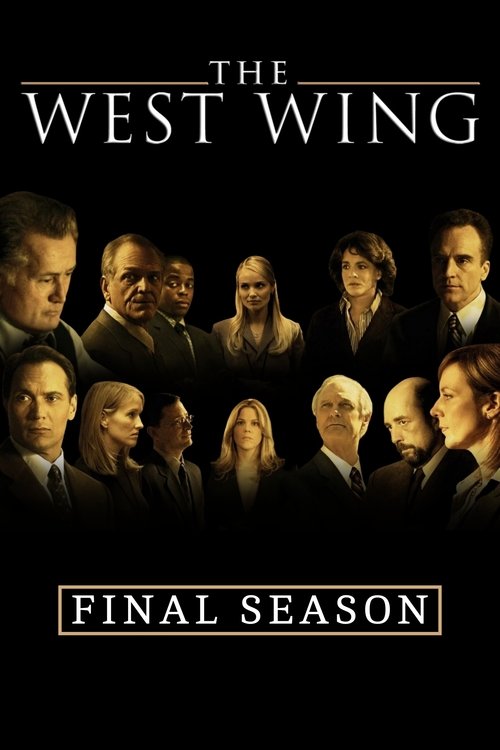
The ensemble cast deserves special mention here. President Josiah Bartlet, C.J. Cregg, Josh Lyman, Sam Seaborn, Donna Moss, Toby Ziegler, and the rest of the White House staff felt like people you knew. The chemistry between these characters, particularly the sparring partnerships and slow-burn relationships, created a world so compelling that audiences genuinely cared what happened to them. When characters struggled, so did we.
What’s remarkable in retrospect is how The West Wing maintained quality and relevance across its entire seven-season journey. The show could have easily coasted on its early success, but instead it:
- Deepened its political storytelling with increasingly nuanced policy debates
- Evolved character arcs in sophisticated ways, allowing people to change and grow
- Tackled contemporary issues while maintaining its core idealism
- Balanced humor, drama, and genuine moments of vulnerability
- Continued to innovate in its visual language and narrative structure
The show’s influence on television drama that followed cannot be overstated. It proved that network television could sustain intelligent, dialogue-heavy drama with ensemble casts. It demonstrated that you didn’t need explosions or shocking twists to keep audiences engaged—compelling characters and intelligent writing would suffice. Every political drama that came after The West Wing, from Homeland to Scandal, owed something to what Sorkin established here.
Beyond its immediate cultural impact, The West Wing sparked genuine conversations about how government should function. Policy proposals debated on the show were discussed in real political circles. The show’s vision of what public service could be—despite its obvious idealism—influenced how people thought about politics itself. That’s extraordinary power for a television drama to wield.
The performances that brought Sorkin’s writing to life deserve recognition too. These weren’t actors coasting through well-written roles. They elevated the material through nuance, commitment, and genuine chemistry. The rapid-fire dialogue could have felt exhausting in lesser hands, but instead it felt like watching brilliant people at the top of their game doing what they do best. That commitment to craft on every level—from writing to acting to directing—created something that genuinely felt special.
What keeps The West Wing relevant today, available on Netflix and HBO Max for new audiences to discover, is that its fundamental appeal transcends its historical moment. Yes, it’s a show of and about 1999-2007, but it’s also a show about people trying their best under pressure, about friendship and loyalty, about ambition and sacrifice. These are themes that endure. The idealism that some critics dismissed as naive now feels almost poignant—a document of a moment when network television dared to believe in the power of intelligence and optimism.
For anyone interested in seeing what great television can accomplish—how it can push narrative boundaries, create iconic characters, and genuinely influence cultural conversations—The West Wing remains essential viewing. It ended while it still had stories to tell, avoiding the slow decline that derails so many series. That decision left audiences wanting more, which might be the greatest compliment any show can receive.