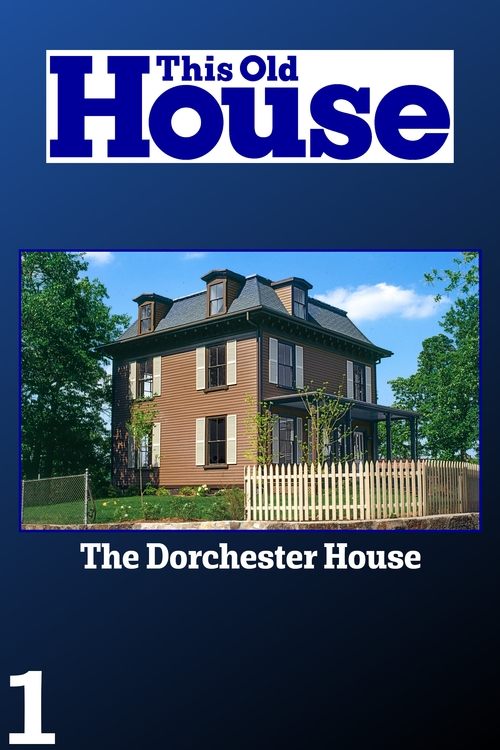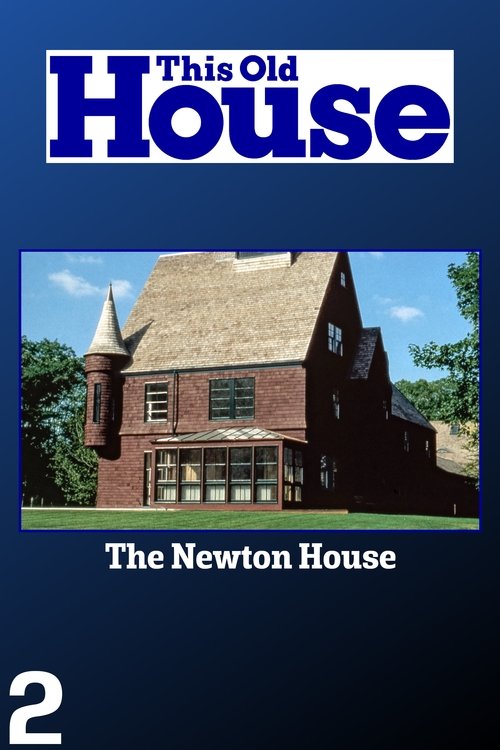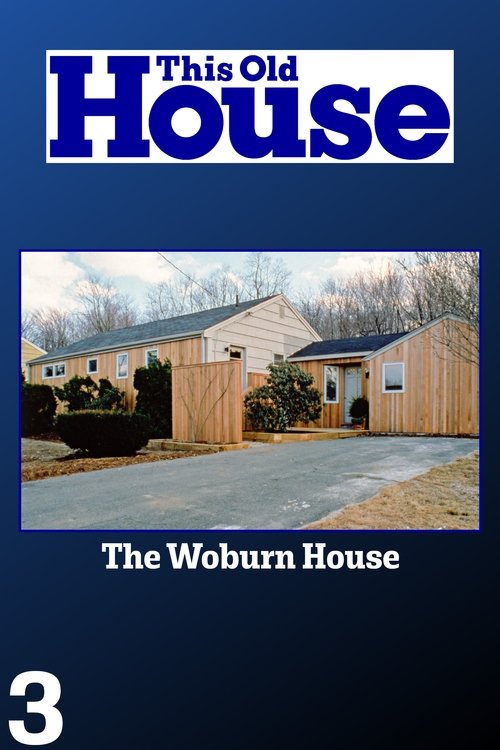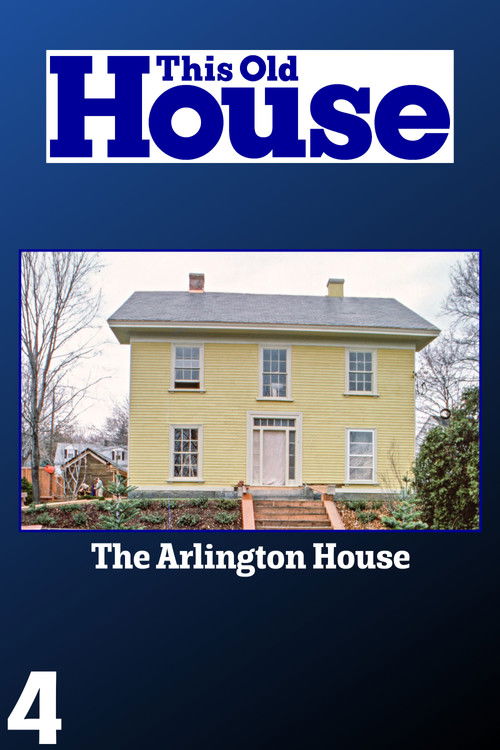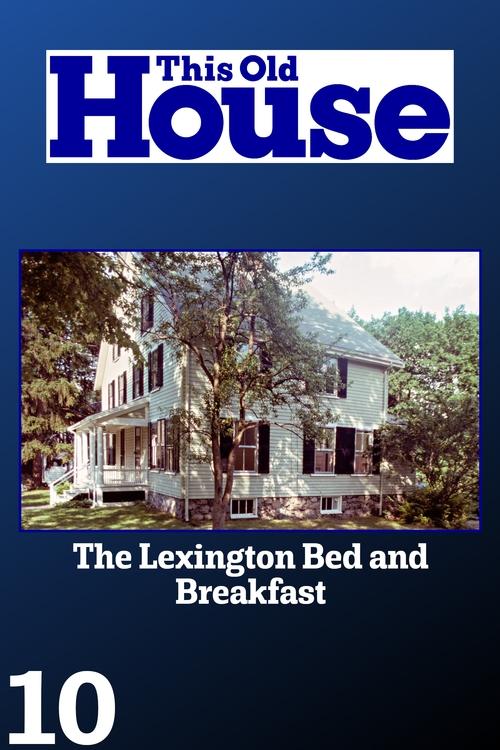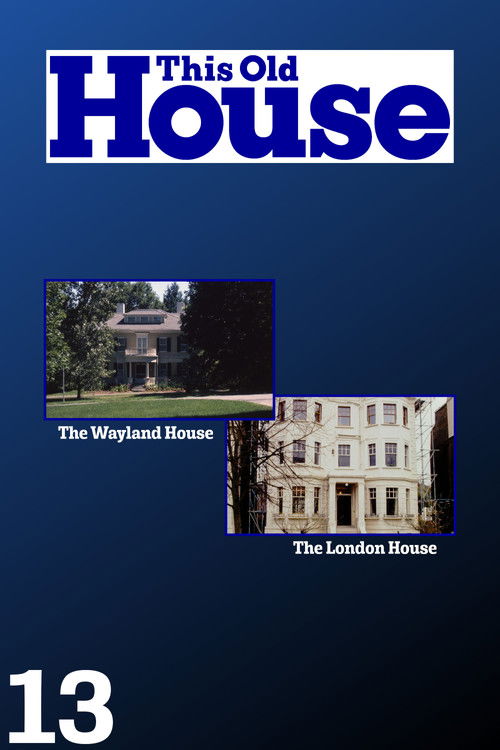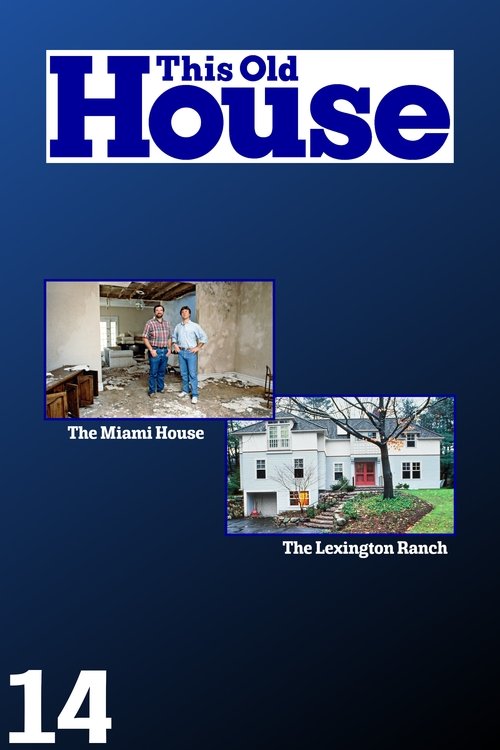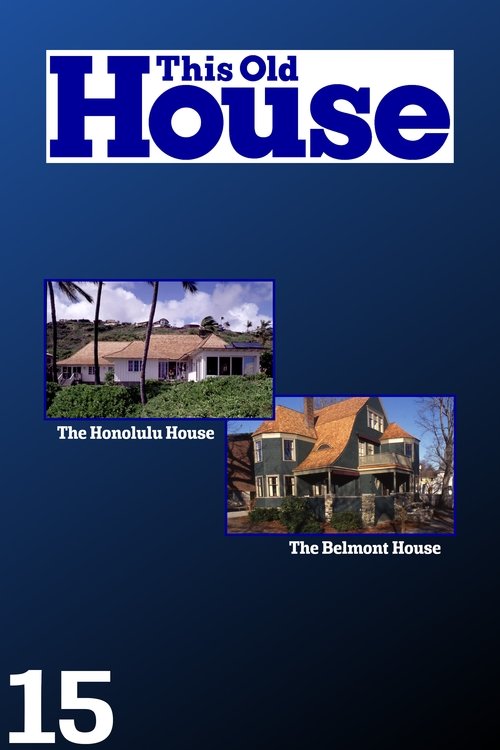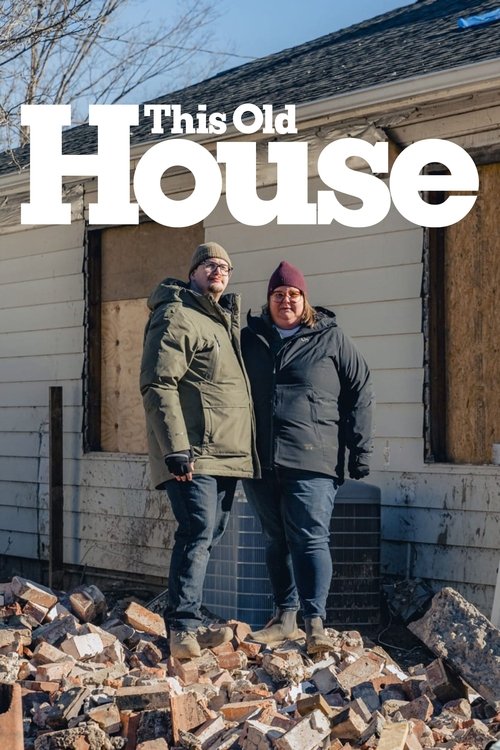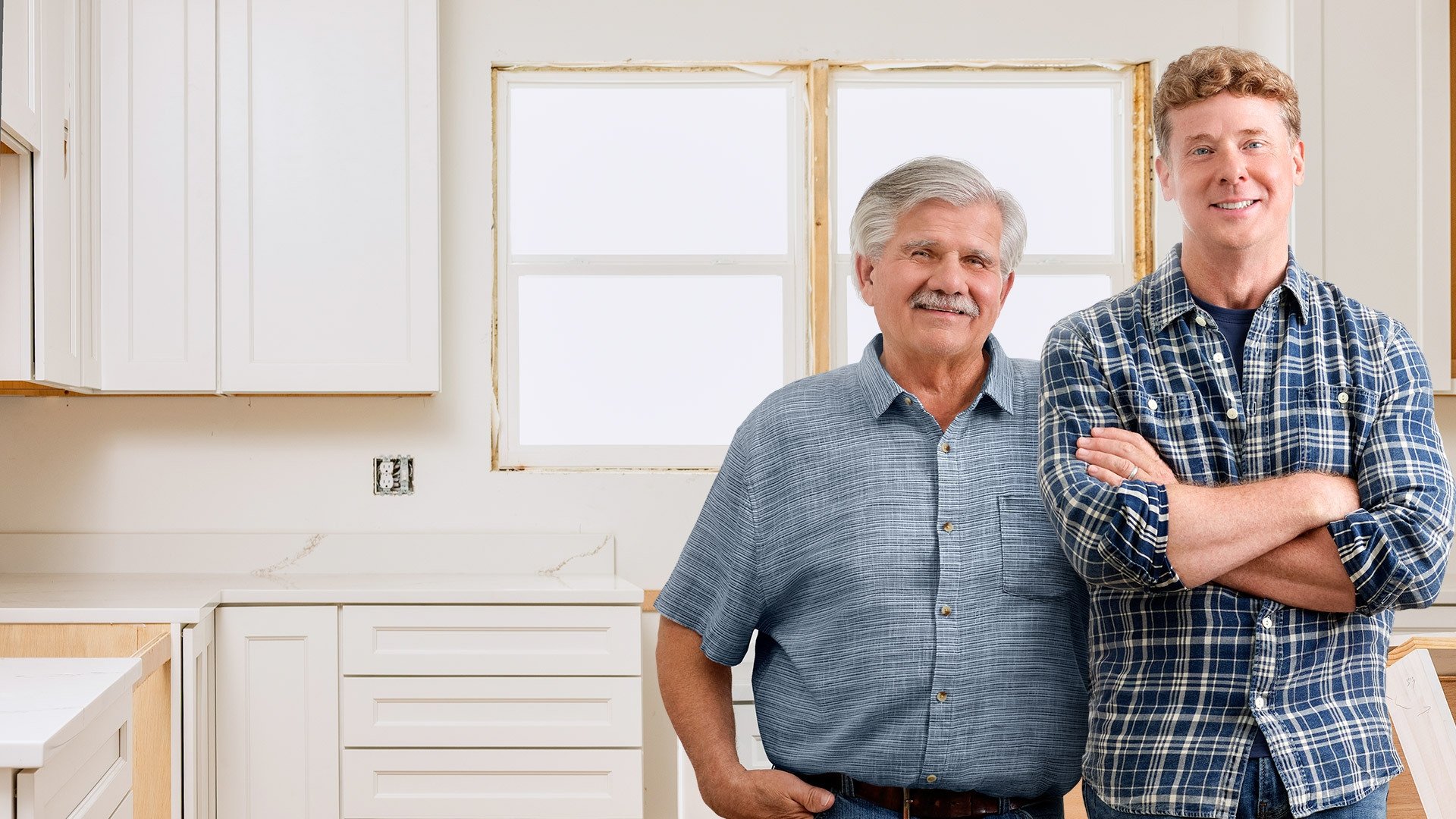
When Russell Morash created This Old House back in 1979, he tapped into something fundamental about human nature—our desire to witness transformation, to learn practical skills, and to understand the spaces we inhabit. What started as a straightforward documentary series about renovation has become one of the most durable programs in television history, proving that there’s an audience hungry for content that educates without condescending and entertains without relying on manufactured drama.
The show’s longevity speaks volumes. Across 47 seasons and 1,197 episodes, This Old House has built something genuinely remarkable: a cultural institution. That’s not hyperbole. In an era of reality television chasing the lowest common denominator with contrived conflicts and manufactured crises, this program stayed committed to its original mission—showing real people doing real work on real homes. The fact that it’s still returning for new seasons demonstrates that audiences never stopped wanting this kind of authentic, practical storytelling.
What makes This Old House particularly significant is how it pioneered the infrastructure show long before that became a trending content category. The 30-minute runtime forces a specific kind of narrative discipline—you can’t waste time, every segment has to move the project forward, and there’s an inherent rhythm that mirrors the actual construction process itself. That constraint became a creative strength rather than a limitation.
> This Old House didn’t just show houses being fixed; it showed how to fix them, making viewers feel like they were part of a community of builders and problem-solvers rather than passive spectators.
The show’s cultural footprint extends far beyond its television ratings. While a 5.7/10 rating might seem modest on paper, context matters enormously here. This Old House built its audience on PBS, a network that thrives on dedicated, engaged viewers rather than mass audiences. The show’s consistent presence across decades—with early seasons earning ratings in the 7.0-7.8 range—indicates a core viewership that valued the program deeply. You don’t maintain nearly 50 seasons by accident or through viral moments. You maintain them through consistent, reliable quality and genuine utility.
The show’s influence on television extends well beyond home improvement. It demonstrated that documentary-style reality television could be both commercially viable and intellectually honest. It proved that you could make compelling television without manufactured drama, without turning craftspeople into characters designed for ridicule, and without relying on shock value. In doing so, it created a template that countless home improvement shows attempted to follow, though few managed the same balance of education, respect for expertise, and genuine human storytelling.
Consider what This Old House accomplished from a production perspective:
- Pioneering transparent craftsmanship: The show consistently gave credit to actual tradespeople, making experts the heroes rather than celebrities who happen to appear in homes
- Documenting architectural history: By restoring older homes, the series became a de facto archive of American building practices and design evolution
- Making technical content accessible: Complex structural, electrical, and plumbing challenges were explained clearly without dumbing them down
- Building a loyal multigenerational audience: Viewers who watched in 1979 could watch with their children and grandchildren decades later
The streaming landscape has actually been kind to This Old House. Its availability across Amazon Prime Video, YouTube TV, and WETA+ means that the show’s entire catalog remains accessible to curious minds. In an age of algorithm-driven content discovery, the show benefits from something algorithms can’t replicate: genuine word-of-mouth reputation built across generations.
What’s particularly fascinating is how the show evolved over its run while maintaining core principles. The early episodes—A Tour of the House, House History and Kitchen Plans, Frozen Pipes and a New Kitchen Wall—established a formula that worked because it was honest. You watched actual problems emerge. You watched solutions get implemented. Sometimes things didn’t go perfectly. That authenticity never disappeared, even as technology improved and production values elevated.
The rating fluctuations visible across seasons (ranging from 7.0 to 7.8 in later seasons) reflect the natural ebbs and flows of long-running series, but what’s remarkable is the stability. This wasn’t a show that required reinvention every few years to maintain relevance. It remained fundamentally itself because what it offered—expert craftsmanship, practical knowledge, the satisfaction of seeing something broken made whole again—never went out of style.
Russell Morash understood something crucial about television: sometimes the most compelling stories are the ones unfolding in real time, with real stakes. When a contractor discovers structural rot beneath century-old siding, that’s drama that doesn’t need manufactured conflict. When a solution emerges through expertise and problem-solving, that’s satisfaction that doesn’t need manufactured resolution.
In a media landscape increasingly fractured by algorithm-driven discovery and short-form content consumption, This Old House stands as a testament to the enduring power of thoughtful, well-crafted storytelling. It’s a show that respects its audience’s intelligence, celebrates human expertise, and finds genuine meaning in the work of restoration. Nearly fifty years later, with new seasons still arriving, it continues to prove that sometimes the most revolutionary television is the kind that simply shows up, does what it promises, and does it better than anyone else.