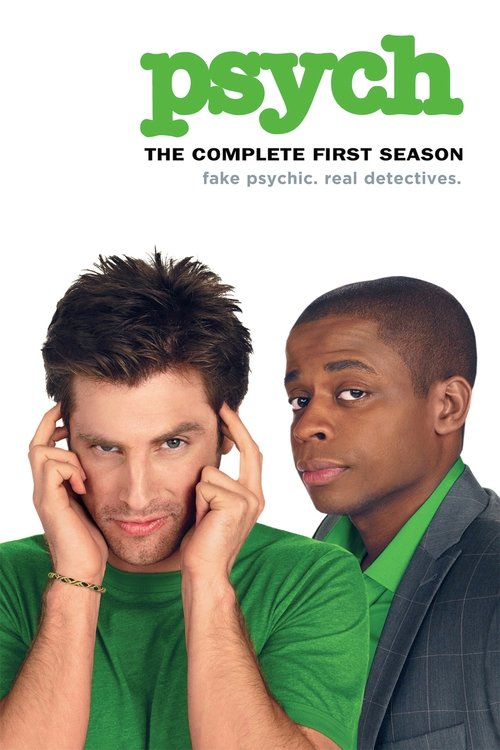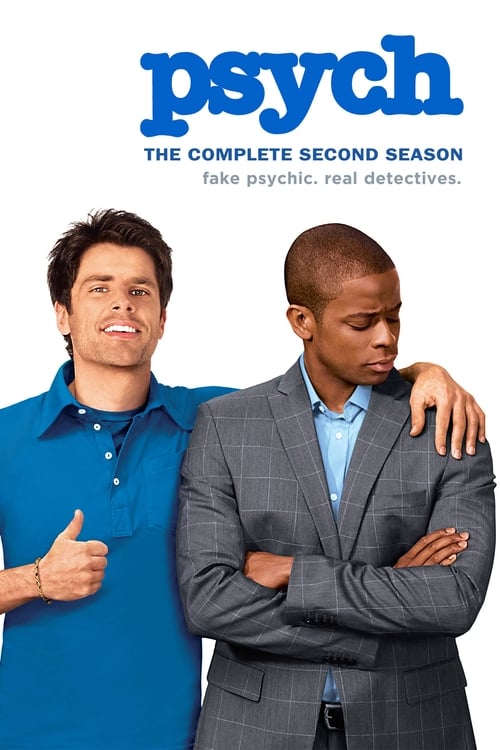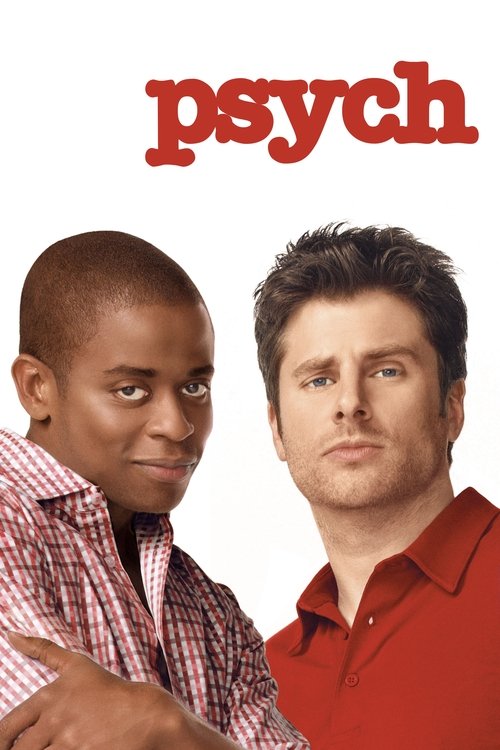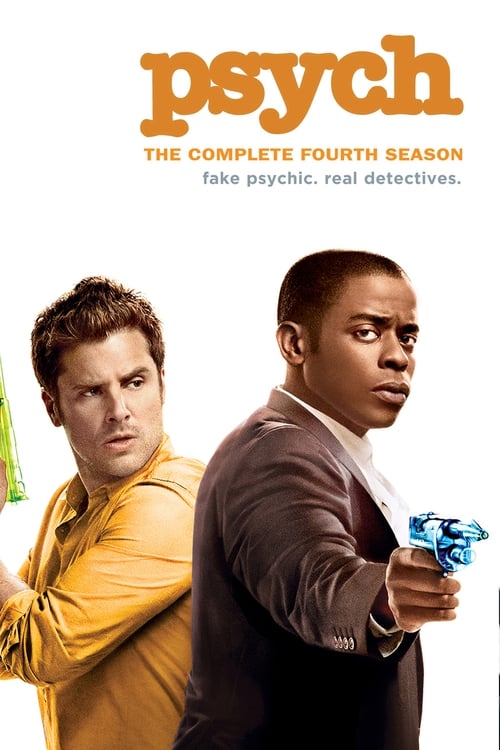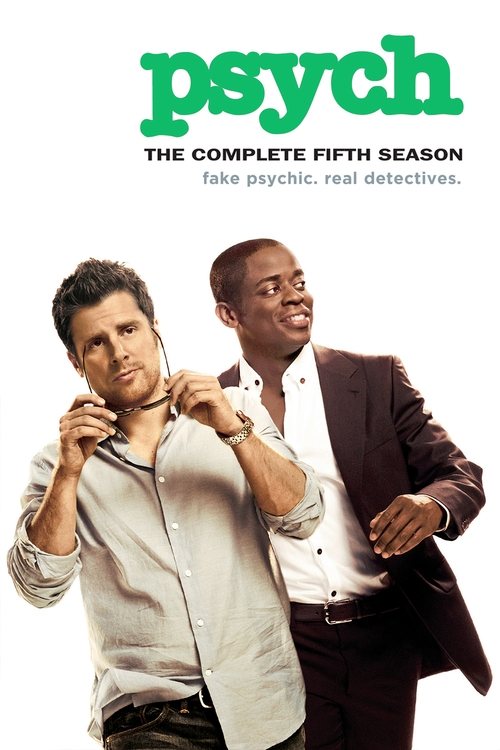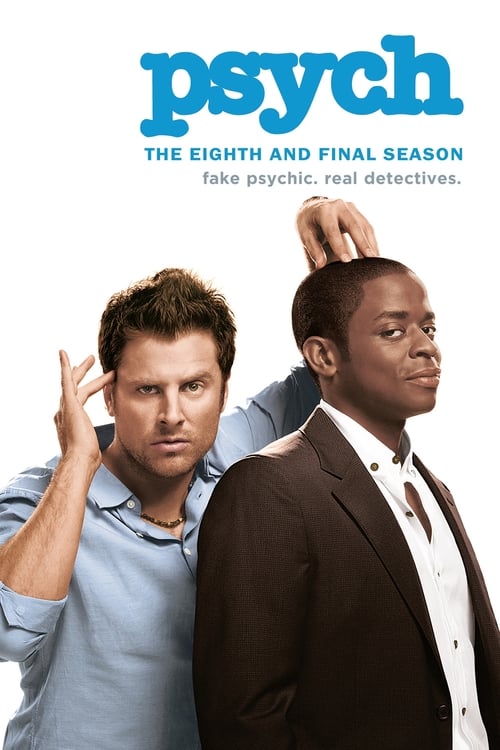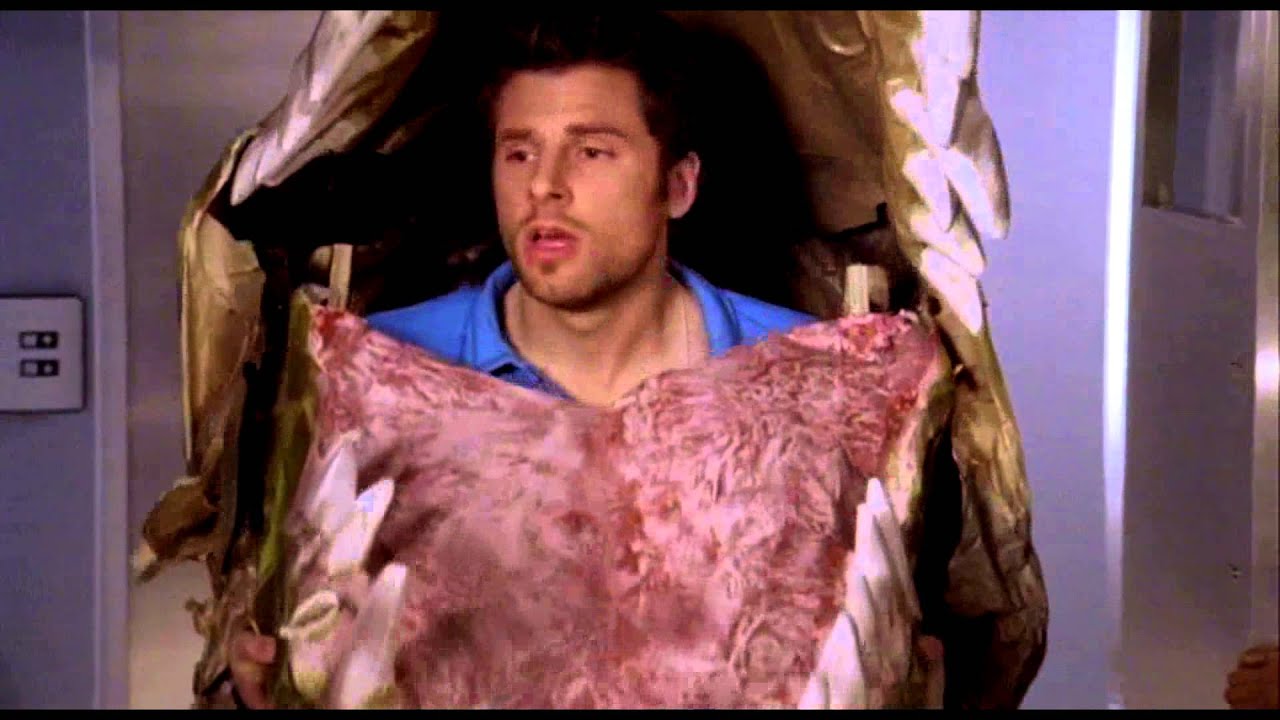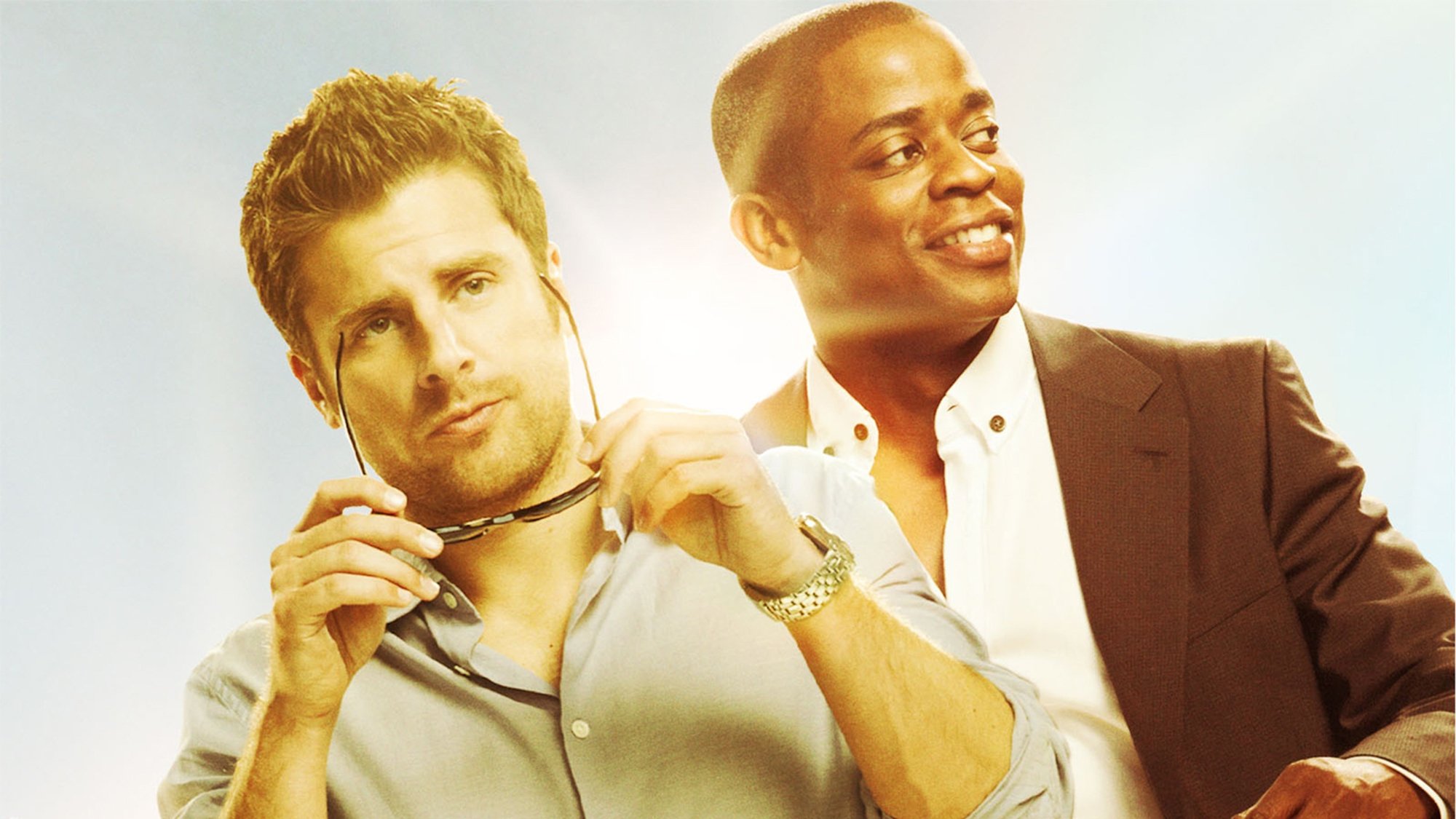
When Psych premiered on USA Network back in 2006, nobody quite knew they were about to witness one of the most refreshingly original crime comedies television had to offer. Steve Franks created something that seemed almost impossible to pull off—a show that could be genuinely hilarious one moment and surprisingly touching the next, all while delivering solid detective work and actual stakes. Over eight seasons and 120 episodes, the series proved that you don’t need prestige drama credentials to create something truly memorable; sometimes all you need is a brilliant premise, perfect chemistry between leads, and a showrunner who understands that the best comedy comes from character, not just punchlines.
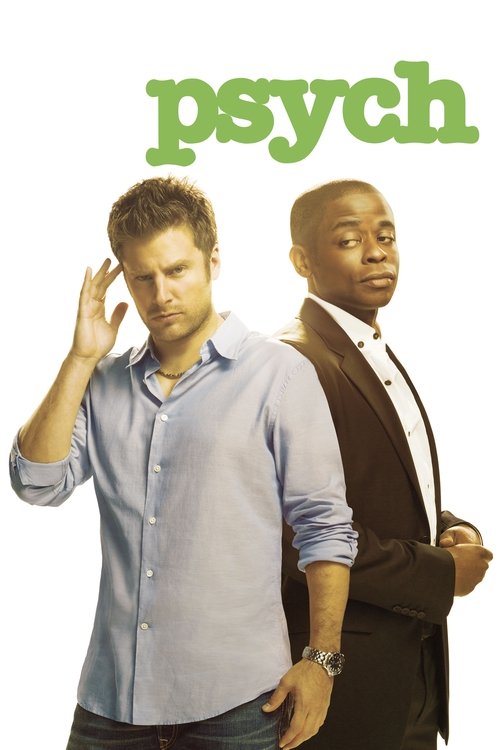
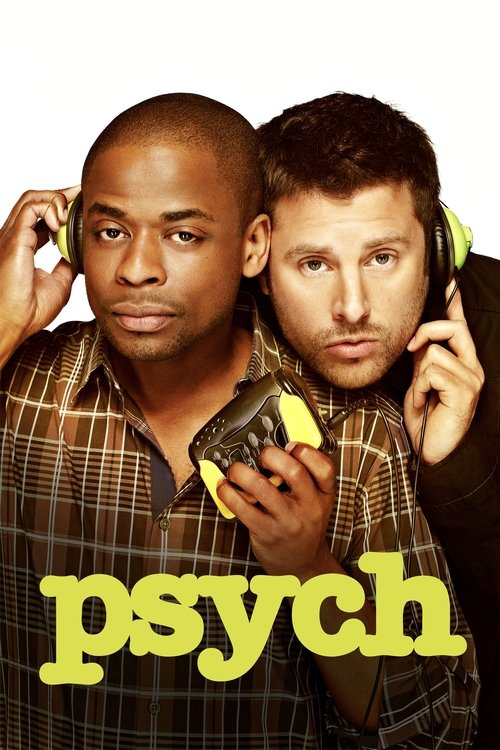
The genius of Psych lies in its deceptively simple hook: Shawn Spencer (James Roday) is a con artist with extraordinary observational skills who convinces the Santa Barbara Police Department that he’s psychic. That’s it. But Franks understood that this premise was really just a vehicle for exploring something deeper—the relationship between Shawn and his best friend Burton “Gus” Guster (Dulé Hill), the mentorship between Shawn and his father Henry (Corbin Bernsen), and the slow-burn romance between Shawn and Juliet O’Hara (Maggie Lawson). The crime procedural elements worked beautifully because they were always secondary to the character dynamics that made you actually care about what happened week to week.
> The show’s ability to balance tonal shifts became its greatest strength—audiences never quite knew if they were getting a hilarious episode about pineapple references or a genuinely emotional exploration of grief and family.
What really set Psych apart in the television landscape was its willingness to be earnestly funny without sacrificing emotional depth. The 43-minute runtime gave Franks and his writers room to breathe, to let scenes develop naturally, and to build comedy that landed because it emerged organically from character situations rather than being forced into the narrative. You could have an episode that featured elaborate pop culture references and elaborate fake psychic readings, and then pivot seamlessly into genuine heartbreak about Shawn’s relationship struggles or his complicated feelings about his father’s expectations.
The show’s cultural footprint proved surprisingly substantial. Certain episodes became iconic in ways that transcended typical procedural television:
- The “musical” episodes that showcased both James Roday’s and Dulé Hill’s unexpected talents
- Shawn’s elaborate fake psychic readings (“I’ve heard it both ways,” “C’mon son,” “You know that’s right”)
- The recurring bits that built over seasons (the Gus nicknames, Burton’s business ventures, Lassiter’s inexplicable hatred of Shawn)
- Guest stars who seemed genuinely delighted to participate in the show’s particular brand of humor
These elements created a show that fans didn’t just watch—they celebrated. The fandom developed around quotable moments and running gags, but more importantly, around genuine affection for these characters and their relationships.
From a creative standpoint, what Franks accomplished was remarkable. He created a show that could sustain itself for eight full seasons without jumping the shark or losing its core identity. The series maintained a consistent 7.9/10 rating across its run, which in television terms is genuinely impressive—it means the show stayed reliable and entertaining without ever becoming a cultural phenomenon that would eventually fade. It had staying power because it knew exactly what it was and never apologized for it.
The chemistry between Roday and Hill cannot be overstated. Their portrayal of Shawn and Gus transcended typical buddy-cop dynamics. These weren’t just two guys solving crimes together; they were two people whose friendship had been forged in childhood and tested by adulthood. Watching their dynamic evolve across 120 episodes—from purely comedic hijinks to moments of genuine vulnerability—gave the show an emotional core that elevated it beyond what could have been a one-note comedy.
The supporting cast deserves equal credit. Maggie Lawson’s Juliet wasn’t just a love interest; she was a fully realized detective with her own competence and agency. Timothy Omundson’s Lassiter transformed from one-note antagonist into a genuinely complex character whose eventual character development felt earned rather than forced. Even Kirsten Nelson as Chief Vick provided a perfect straight-woman presence that allowed the comedy to land harder by contrast.
What made Psych particularly smart was how it occasionally broke its own formula in service of storytelling. Episodes would shift tone entirely when the narrative demanded it. The show understood that you could spend most of an episode making jokes about Gus’s ridiculous alias suggestions (“Suck It!”) and then end on a scene of genuine pathos that made you feel something real. That tonal flexibility is harder to execute than it sounds, and most shows that attempt it fail miserably.
The show’s influence on USA Network’s brand cannot be understated either. Psych helped establish the network as a place where smart, character-driven comedies with dramatic elements could thrive. It proved that you didn’t need to choose between genuine laughs and genuine emotion, between procedural satisfaction and character development.
Now that the show has concluded and found new life through streaming on Amazon Prime Video, Peacock, and Philo, there’s an entire generation discovering what made Psych special. It’s a show that rewards binge-watching because the running jokes develop and build, and the character relationships deepen across seasons. It’s also a show that works perfectly as a comfort watch—you can jump in almost anywhere and find something to enjoy, whether you’re there for the mystery or the banter.
Steve Franks created something rare in television: a show that was commercial enough to run for eight seasons, clever enough to satisfy critics, and heartfelt enough to genuinely matter to its audience. Psych deserves attention not just as a great television comedy, but as a masterclass in character-driven storytelling that proves you can be funny, smart, and sincere all at the same time.