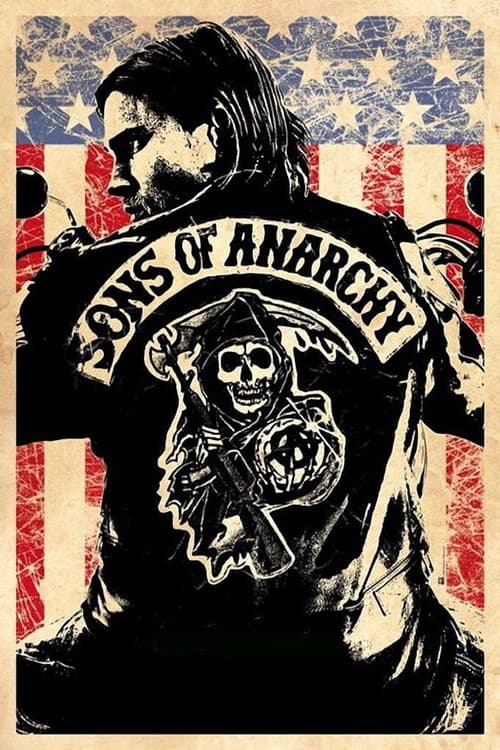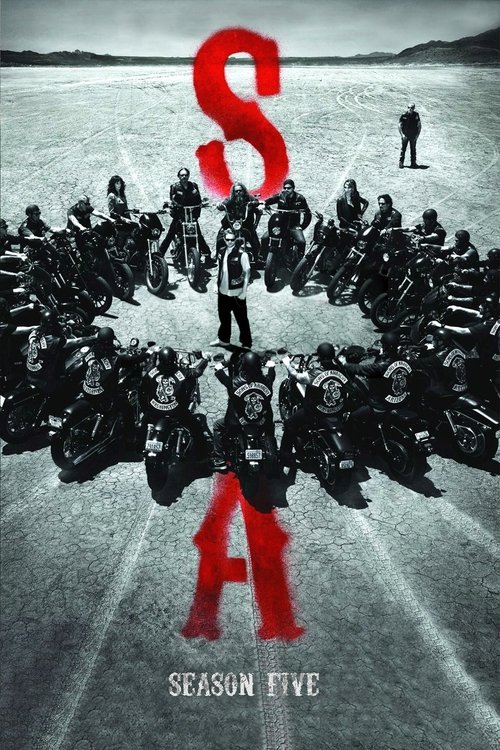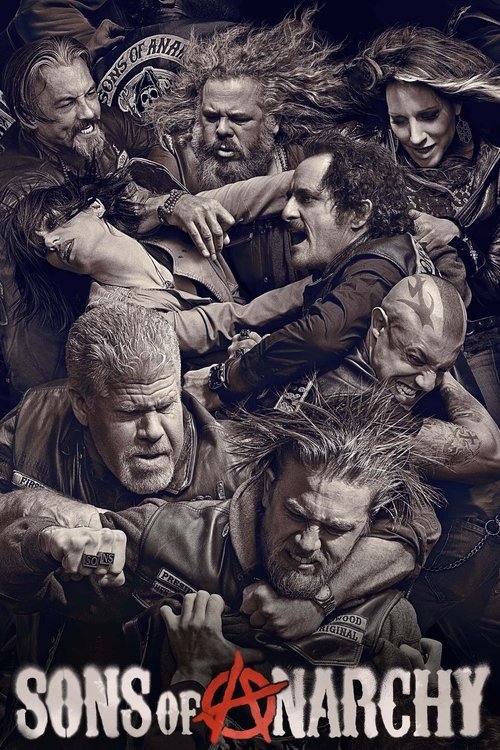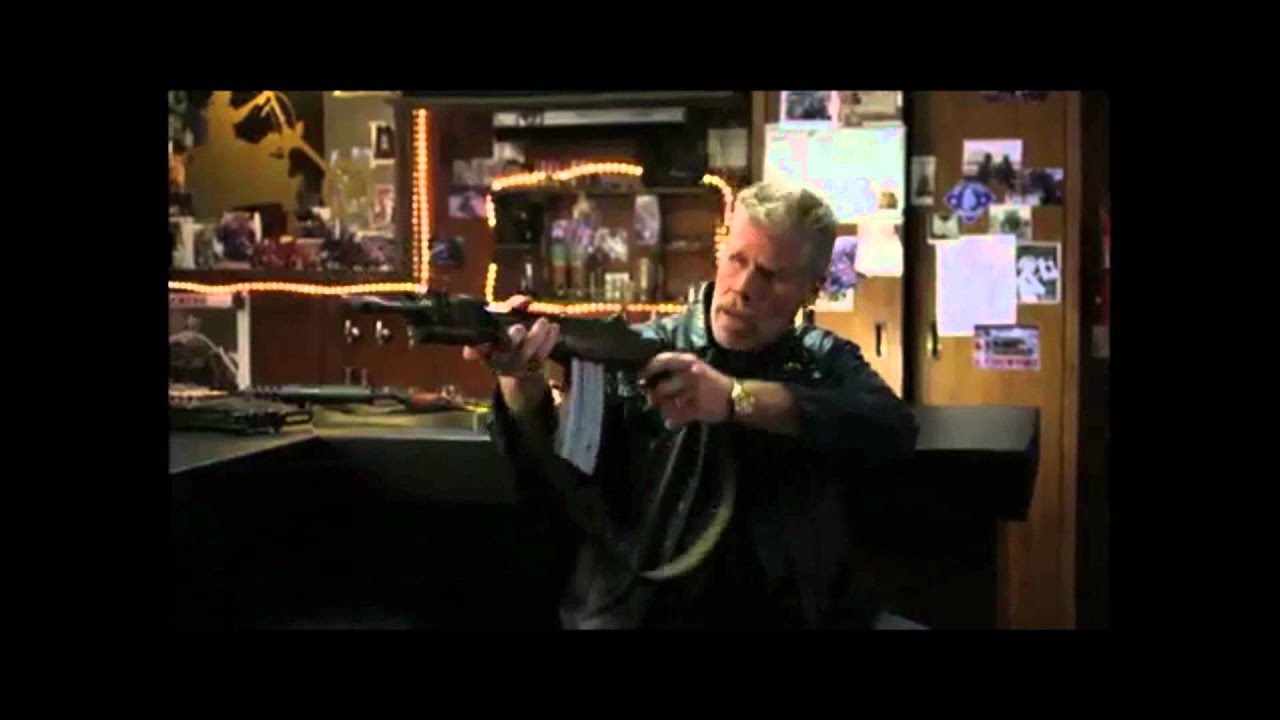
If you haven’t experienced Sons of Anarchy yet, you’re missing one of the most audacious crime dramas television has ever produced. When Kurt Sutter’s creation premiered on FX back in September 2008, it arrived with a clear mission: to take the outlaw motorcycle club mythos seriously and strip away any romanticism in favor of raw, unflinching drama. Over its seven-season run comprising 92 episodes, the show didn’t just meet that ambition—it fundamentally changed how networks approached serialized storytelling and character development in the crime genre.
What makes Sons of Anarchy so remarkable is its willingness to embrace moral complexity without ever offering easy answers. The show centered on Jax Teller, a conflicted motorcycle club VP caught between his desire for legitimacy and the blood-soaked reality of outlaw life. This wasn’t a story about good guys versus bad guys; it was an exploration of how circumstances, loyalty, and personal demons can destroy even the most well-intentioned people. That moral ambiguity resonated deeply with audiences, helping the show maintain an impressive 8.4/10 rating that speaks to both critical appreciation and sustained viewer investment.
The Blueprint for Modern Antihero Drama
The early seasons established what would become the template for prestige television drama in the 2010s. Before Breaking Bad dominated the cultural conversation about protagonists crossing moral lines, Sons of Anarchy was already exploring those territories with unflinching intensity. Sutter constructed a world where consequences were real and cumulative, where choices made in season two would echo through season seven in devastating ways.
The show’s approach to episodic storytelling proved influential:
- Personal conflicts drove larger narrative arcs, making every character’s journey feel consequential
- Ensemble depth meant supporting characters received genuine development, not just plot functions
- Mythic structure borrowed from Greek tragedy, particularly the Iliad, giving the material thematic weight
- Serialization before it was standard on cable, with long-form plotting that required viewer commitment
Where Sons of Anarchy Found Its Voice
What really set the show apart was its refusal to sanitize the motorcycle club lifestyle. There’s no glamour here, despite the leather and chrome aesthetic. Instead, Sutter presented a world where violence is constant, loyalty is weaponized, and the club’s code creates as many problems as it solves. This grounded, unglamorous approach meant audiences connected with characters not because they were likable, but because they felt real.
> The show’s greatest strength was making us complicit in Jax’s choices. We understood his reasoning even when we questioned his morality—and that discomfort was entirely intentional.
Charlie Hunnam’s performance as Jax became the emotional anchor for the entire series. He portrayed a man caught between warring aspects of his identity with a nuance that elevated every scene. The supporting cast—from Katey Sagal’s Gemma to Ron Perlman’s Clay to Walton Goggins’s Venus Van Dam—created a richly populated world where even minor characters felt like fully realized people with their own histories and stakes.
Cultural Impact and the Conversations It Sparked
When Sons of Anarchy was airing, it dominated water-cooler conversations in a way that few shows managed. The show sparked genuine debates about:
- Redemption and inevitability – Can someone trapped in a system ever truly escape, or are they destined to repeat patterns?
- Gender and power dynamics – How the show portrayed women in a male-dominated world, sometimes problematically but always deliberately
- Loyalty versus morality – Where personal codes conflict with broader ethical standards
- Systemic violence – How institutional structures perpetuate harm across generations
The show’s willingness to go places other dramas wouldn’t proved memorable. Certain seasons—particularly the middle chapters—delivered shocking narrative turns that didn’t feel like cheap twists but rather inevitable consequences of established character dynamics. These moments became iconic precisely because they emerged organically from the storytelling.
The Technical Achievement
One aspect worth considering is how the show’s variable episode runtime (noted as Unknown in official specs) actually served its storytelling. Rather than forcing narratives into rigid structures, Sutter was free to extend moments that needed breathing room or compress sequences that benefited from urgency. This flexibility allowed for genuinely cinematic storytelling within the television medium—a approach that influenced how other prestige dramas handled their own pacing.
The show’s seven-season arc also proved significant. While some argued the final season felt stretched and others debated the ending itself, the fact that Sutter maintained creative control and saw his vision through to completion—rather than being cancelled unexpectedly or overextended indefinitely—meant the show concluded on its own terms. That artistic authority is rarer than you’d think.
Why It Still Matters
Sons of Anarchy ended with a legacy that extends beyond its own 92 episodes. It demonstrated that FX could develop serialized, character-driven drama that attracted both critical respect and passionate audiences. It proved that antihero narratives could sustain themselves across multiple seasons without becoming self-parody. And it showed that motorcycle club culture could be explored with genuine complexity rather than cliché.
For viewers discovering it now through Hulu, the show offers a masterclass in sustained character development and long-form storytelling. You can see the DNA of subsequent prestige dramas throughout the show’s structure. The influence ripples through everything that came after, from the way conflicts are layered to how moral ambiguity is weaponized to create genuine tension.
Sons of Anarchy deserves attention not as a relic of 2000s television, but as a genuinely accomplished piece of dramatic storytelling that took risks and mostly stuck the landing. That 8.4/10 rating reflects a show that earned its audience’s investment week after week, season after season. That kind of sustained quality rarely happens in television. When it does, it’s worth celebrating.