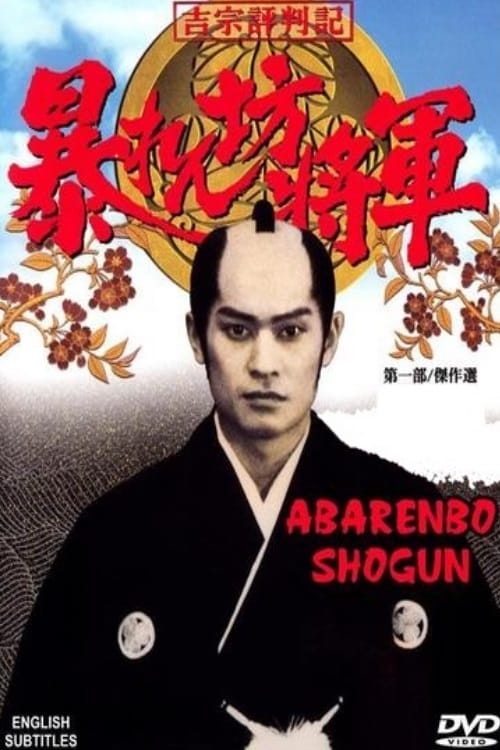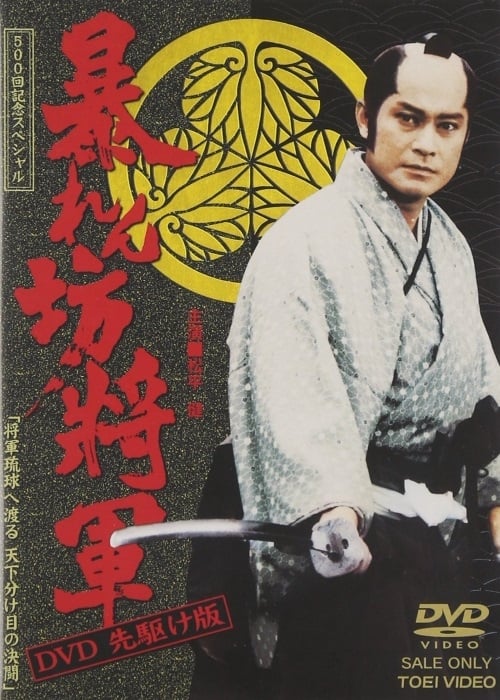
If you’re looking for a show that truly defined long-form television storytelling in Japan, Abarenbo Shogun deserves serious consideration. This series, which premiered on TV Asahi in 1978, built something remarkable—a show that ran for 12 seasons across 834 episodes and earned a 8.1/10 rating that speaks to its consistent quality. That’s not just longevity; that’s evidence of a show that audiences trusted and kept coming back to, year after year.
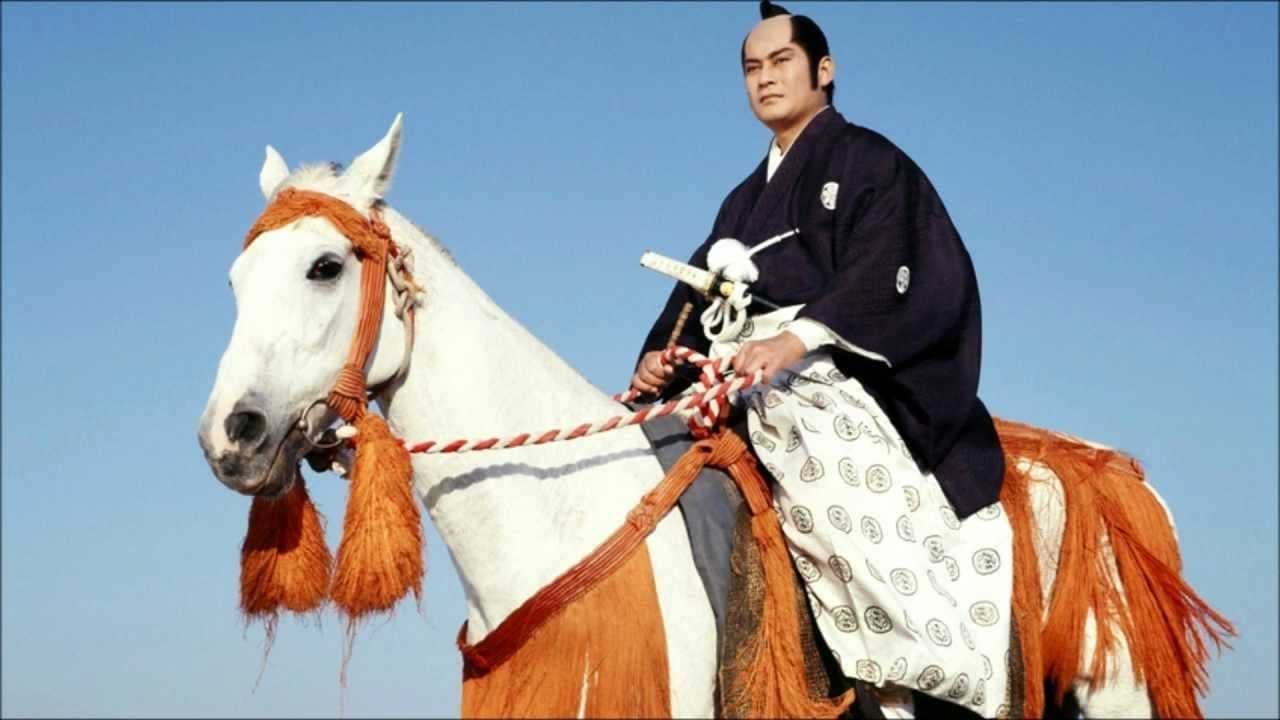
The premise itself is elegant in its simplicity. The Shogun Yoshimune, disguised as a low-ranking samurai named Shinnosuke, moves through Edo observing the lives of ordinary people and hunting down officials and daimyō who abuse their power. On paper, this is a familiar formula—the powerful person slumming it among commoners, the hidden identity reveal, the climactic confrontation. But what makes Abarenbo Shogun work is how it understood that audiences didn’t need constant reinvention. They needed consistency, strong characters, and the satisfaction of watching justice served with style.
> The 45-minute episode format shaped everything about how this show told its stories. It’s long enough to establish character and conflict, short enough to maintain momentum without excess. This wasn’t accidental—it was the sweet spot that Japanese jidaigeki had discovered works for audiences.
What’s particularly interesting is the supporting cast surrounding Yoshimune. Magistrate Oo’oka and the vivacious fireman Tatsugoro weren’t just sidekicks; they were fully realized characters who made the world feel lived-in and textured. The rotating cast of recurring characters meant you never quite knew who you’d meet, but you trusted the show’s writers to make those encounters worthwhile. That’s the kind of writing discipline that kept audiences engaged across 12 seasons.
The show exists within the kanzen-chōaku tradition—the “reward the good, punish the evil” moral framework that defines much of Japanese samurai drama. This isn’t sophisticated moral ambiguity; it’s straightforward, almost fairy-tale ethics. And yet, that clarity is part of what allowed the show to resonate so broadly. In a family drama, that moral clarity reads as comforting rather than simplistic. Parents could watch with their children and know what values were being reinforced.
Standing alongside Zenigata Heiji and Mito Kōmon as one of the longest-running series in the jidaigeki genre, Abarenbo Shogun earned that place through something more than novelty. It earned it through reliability. Week after week, the show delivered:
- A compelling mystery or injustice to investigate
- Character moments that made you care about Yoshimune’s mission
- Action sequences that satisfied without dominating the narrative
- A resolution that felt earned rather than arbitrary
- The iconic moment where the villain realizes he’s been facing the actual Shogun
The show’s structure became almost ritualistic—viewers knew roughly how an episode would unfold, but that knowledge didn’t diminish engagement. It enhanced it. You watched to see how Yoshimune would navigate the situation, which allies would emerge, what clever thinking or swordwork would be required. The formula was a feature, not a bug.
What’s worth acknowledging is that Abarenbo Shogun wasn’t groundbreaking in a revolutionary sense. It didn’t reinvent the jidaigeki or shatter conventions. What it did was perfect a formula and execute it at such a consistently high level that audiences kept showing up. That’s actually harder than it sounds. Many shows try this approach and collapse into repetitiveness or decline in quality. Abarenbo Shogun maintained its 8.1 rating across its entire run, which suggests the writers found ways to refresh the formula without abandoning what worked.
The family drama designation is key here too. This wasn’t a show aimed exclusively at action fans or samurai enthusiasts. It was made for multigenerational viewing—parents, teenagers, younger kids could all find something engaging in it. That accessibility, combined with the action and moral clarity, is partly why it could sustain such a massive episode count. The audience was broad enough to support that kind of longevity.
By the time Abarenbo Shogun ended, it had become part of Japanese television history. Not because it was the first or the most experimental, but because it proved that consistency, character, and craftsmanship could hold an audience for over three decades. In an era when television is increasingly focused on the spectacular and the short-form, there’s something worth remembering about a show that built its legacy on simply being good, week after week, for 834 episodes. That’s not just a TV series—that’s a commitment to the audience, and that commitment is exactly why Abarenbo Shogun still commands respect.