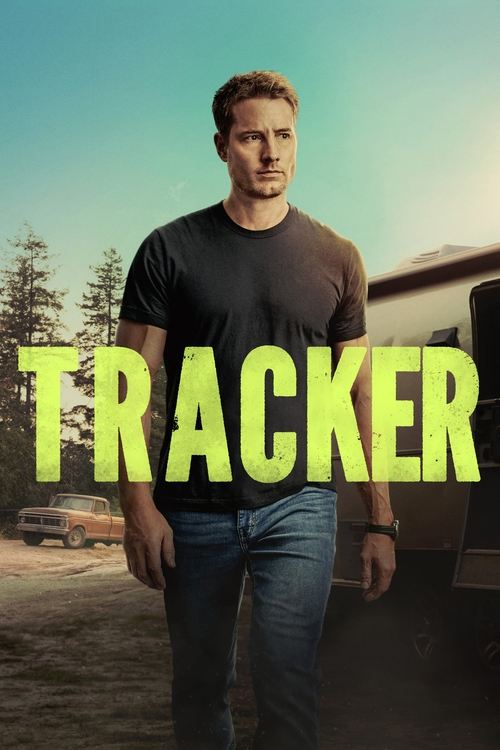
When Tracker premiered on CBS back in February 2024, it arrived without much fanfare—just another procedural drama in a crowded network television marketplace. But something clicked. What started as a straightforward concept about a reward seeker solving mysteries evolved into something considerably more engaging than the elevator pitch might suggest. Three seasons and 44 episodes in, the show has earned itself a solid 7.5/10 rating and built a genuinely devoted audience that keeps coming back.
Ben H. Winters created something deceptively smart here. On the surface, Tracker is a crime procedural with a survivalist twist. Colter Shaw, the central character, roams the country collecting rewards for solving cases—missing persons, stolen goods, cold cases. But the show’s real strength is how it uses that premise to explore something deeper: a fractured family, personal demons, and the complicated psychology of someone who’s chosen isolation as a way of life. It’s not groundbreaking television, but it’s competent storytelling that respects its audience’s intelligence.
The journey from season one to where the show sits now tells an interesting story about how television can grow and improve. Early on, the show found its footing—establishing Colter’s character, his methods, and the episodic structure that would define each week. But the real evolution happened in the second season. Fans and critics alike noticed the improvement. The show started leaning harder into its tracking elements rather than just using them as window dressing. Suddenly we were seeing actual survival skills, spatial awareness that made sense for different terrains, and a wider cast of eccentric characters living on society’s fringes. It felt like the show finally understood what made it unique.
> The second season essentially fixed what the first season was still figuring out—it gave viewers what they were actually watching for.
What makes Tracker worth your time comes down to a few key elements:
- The episodic formula that actually works: Each case is self-contained but genuinely interesting, exploring different corners of America and different human problems
- Justin Hartley’s performance: He plays Colter as stoic but not cold, competent but not infallible—someone you believe could actually survive in wild places and talk his way through complicated situations
- The family mythology: Beneath the case-solving lies a complex backstory involving Colter’s parents and siblings that slowly unfolds across seasons
- The character work: The show doesn’t just solve mysteries; it explores why Colter chose this life and what it costs him
The show’s approach to the Drama and Crime genres feels deliberate. Rather than chasing shocking twists or graphic violence, it focuses on character-driven storytelling. Colter doesn’t muscle through problems; he outthinks them. He plans, adapts, and usually comes out ahead—but not always cleanly. The tension comes from watching him navigate complex human situations, not from wondering if he’ll survive a car chase.
What’s particularly interesting is how Tracker found its audience across multiple platforms. It airs on CBS but streams on Hulu, Paramount+, fuboTV, Apple TV Channel, Roku Premium Channel, and YouTube TV. That distribution speaks to how the show transcends traditional network television demographics. It pulls in people who still watch CBS on Sunday nights and cord-cutters who discovered it months later on streaming. That kind of reach suggests the show tapped into something that resonates broadly.
The dialogue around Tracker among actual fans—not critics, but viewers who’ve invested in the show—tends to reference the source material. Ben Winters based this on his own book series, and fans who’ve read those novels note interesting differences in how Colter operates. The book version apparently gets into more outlandish situations; the television version is more grounded. That adaptation choice has worked in the show’s favor. It feels real enough to be engaging without descending into absurdity.
What’s perhaps most impressive is how the show maintains quality across 44 episodes without completely recycling its premise. Yes, each episode follows a similar structure—Colter learns about a case, he takes it, he tracks the person or object, complications arise, he solves it—but the execution varies enough to keep things fresh. The show trusts that formula because it understands what works: good character work, intelligent problem-solving, and genuine emotional stakes.
The fact that Tracker is a returning series with three seasons already under its belt speaks to its performance. Network television doesn’t renew shows unless they’re delivering ratings and engagement. CBS clearly believes in this show, and audiences have responded by actually watching it. That’s not nothing in an era when people have infinite entertainment options.
If you’re looking for a show that respects your intelligence without demanding you watch an elaborate mythology unfold, Tracker delivers. It’s not trying to be prestige television or appointment viewing that dominates cultural conversations. It’s just solid, well-executed drama that knows what it is and does it well. Sometimes that’s exactly what viewers need.