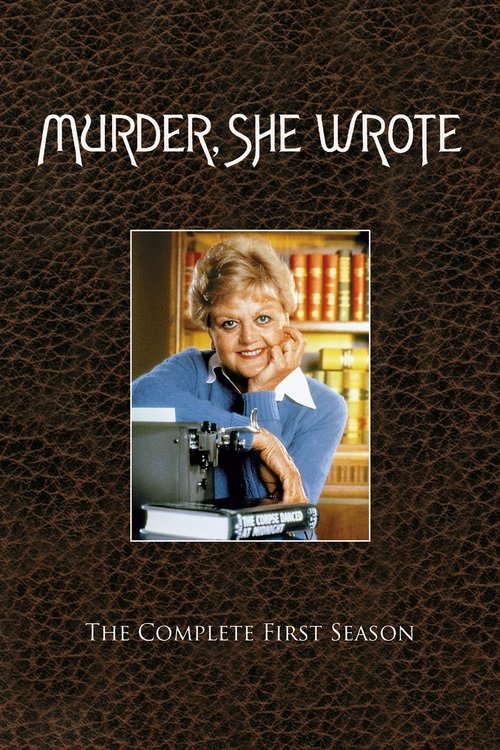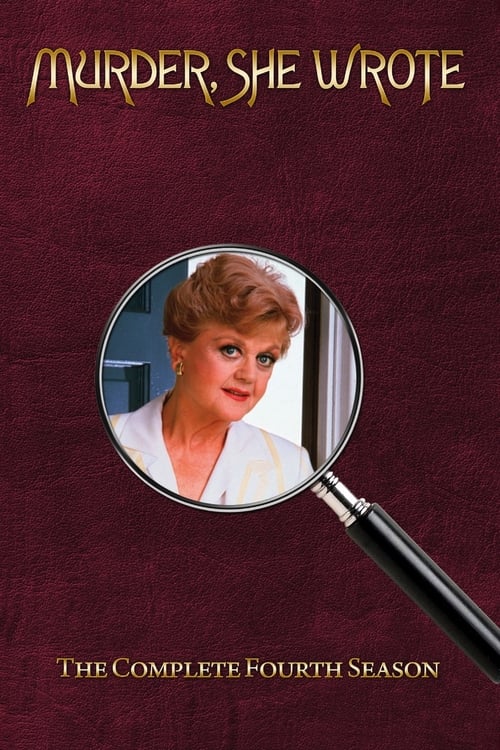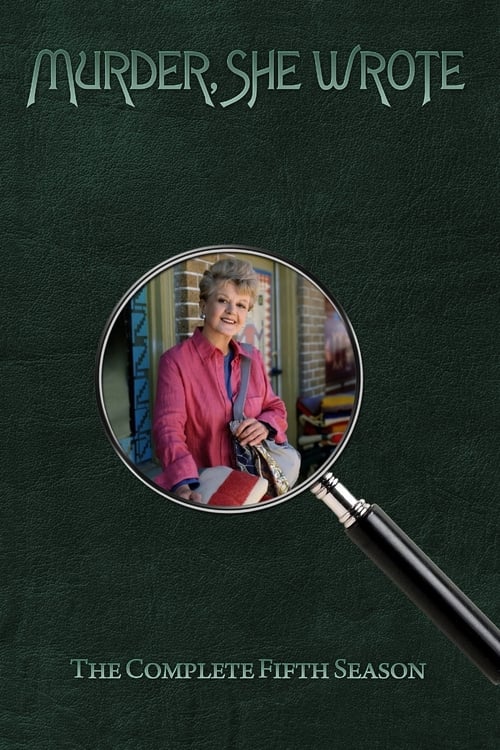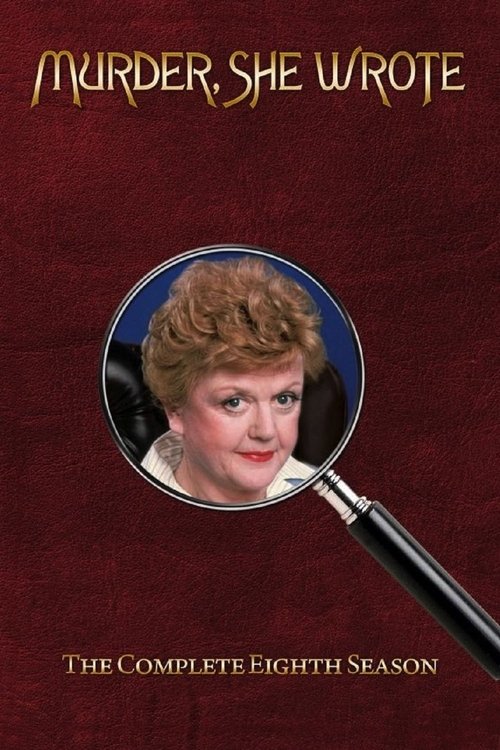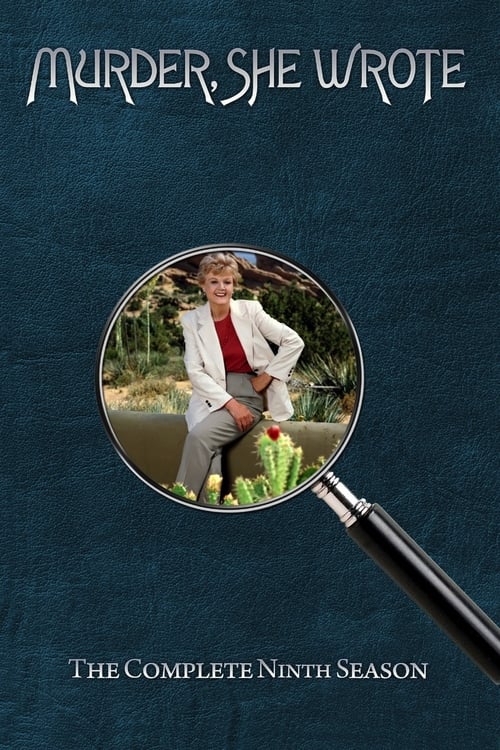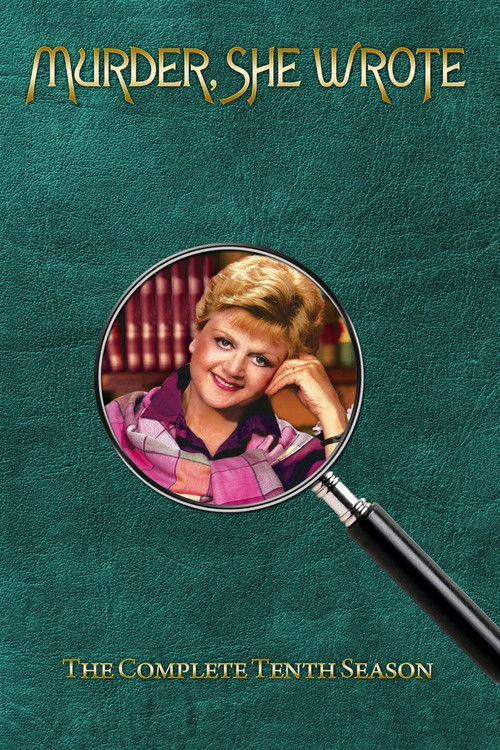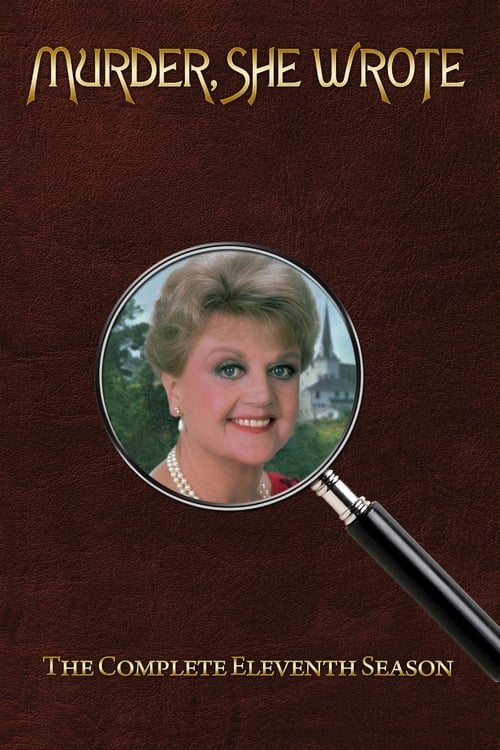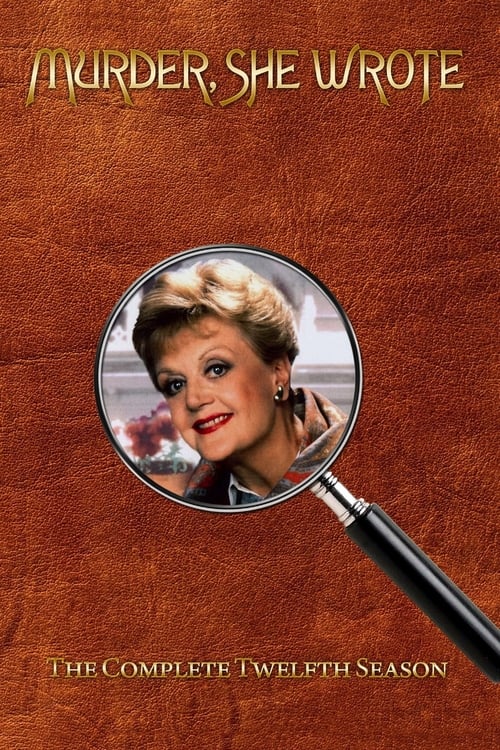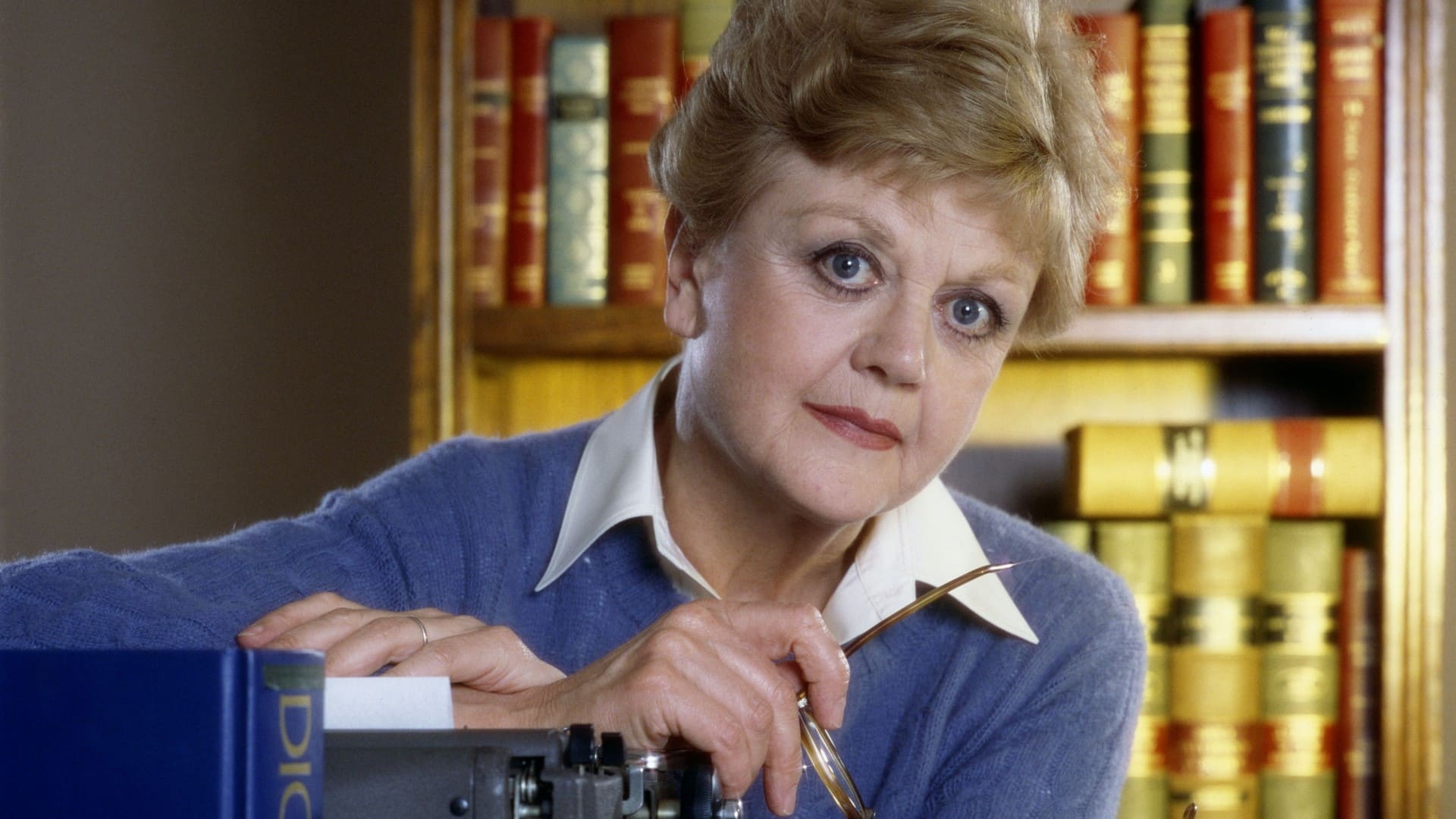
If you want to understand what made television in the 1980s and 90s work, Murder, She Wrote is essential viewing. The show debuted on September 30, 1984, and immediately clicked with audiences in a way that sustained it for 12 seasons and 264 episodes. That’s not lucky timing—that’s the result of creators Richard Levinson, William Link, and Peter S. Fischer understanding exactly what viewers craved: intelligent mysteries wrapped in genuine character development, delivered with consistency week after week.
The central premise is disarmingly simple. Jessica Fletcher, a mystery writer from the fictional Maine town of Cabot Cove, has an uncanny talent for stumbling into homicides and solving them with her professional insight. You’d think the concept would wear thin fast, but it didn’t. Instead, the show maintained a 7.5/10 rating across 418 viewer ratings, proving that audiences came back because they trusted the formula while remaining genuinely surprised by individual cases.
What elevated Murder, She Wrote beyond countless other procedurals was its approach to the 45-minute runtime. Rather than treating each episode as a self-contained puzzle to solve, the creators used that time to actually develop the world and its people. Jessica’s relationships with recurring characters—Tom Bosley’s Sheriff Amos Turow, William Windom’s Dr. Seth Hazlitt, Ron Masak’s Sheriff Mort Metzger—gave the show texture that procedurals often lack. You cared about these people, which meant you cared when murders disrupted their lives.
The show’s cultural footprint came from something less obvious than catchy dialogue or dramatic set pieces. Murder, She Wrote normalized the idea of an older woman as the lead of a major network drama. Angela Lansbury was already a legend, but this role let her carry an entire series and make it hers completely. In an era when television often sidelined women once they hit a certain age, Jessica Fletcher was solving crimes, traveling the world, and proving that intelligence and experience were more valuable than youth.
> The show didn’t just tell murder mysteries—it told stories about community, about how lives intersect, and about what happens when normalcy is shattered by violence.
What’s particularly interesting about the show’s 12-season run is how it evolved without losing its core identity. Early seasons focused heavily on Cabot Cove, but as the show progressed, Jessica traveled more frequently. The writers didn’t panic about this. They understood that moving Jessica into different settings—New York, London, the Caribbean—allowed for fresh storytelling while her character remained the constant. That’s smart design. A lesser show would have clung to its original formula and declined steadily. This one adapted.
The creative achievement here shouldn’t be understated. Levinson and Link were accomplished writers who understood how to construct mysteries that played fair with the audience. You could solve these crimes if you paid attention, but the show never made it easy. The 45-minute format meant they had room to develop red herrings and character moments without cutting into plot momentum. Writers could build actual tension rather than just rushing through exposition and resolution.
What made the show’s storytelling so effective was its respect for the mystery genre itself. This wasn’t camp. Jessica wasn’t a wise-cracking superhero. She was methodical. She asked questions. She paid attention to details others missed. The show trusted that audiences were intelligent enough to appreciate competence and careful plotting rather than needing constant action sequences or manipulation of emotion.
The fact that the show ended in 1996 and has found new life through streaming platforms like Amazon Prime Video and Philo speaks to its durability. These aren’t novelty rewatches driven by nostalgia. People who discover Murder, She Wrote for the first time find it engaging because the fundamentals work: good stories, likable characters, and mysteries that actually reward your attention.
For anyone interested in how television drama should be constructed, this show is a masterclass. The 264 episodes across 12 seasons represent a staggering amount of original content that maintained quality consistency. That’s not something you can fake. It comes from creators who understood what they were doing and a network that gave them time to do it well.
If you haven’t spent time with Murder, She Wrote, consider it an investment. It won’t blow your mind with innovation, but it will remind you why formula, when executed with intelligence and care, never really goes out of style.