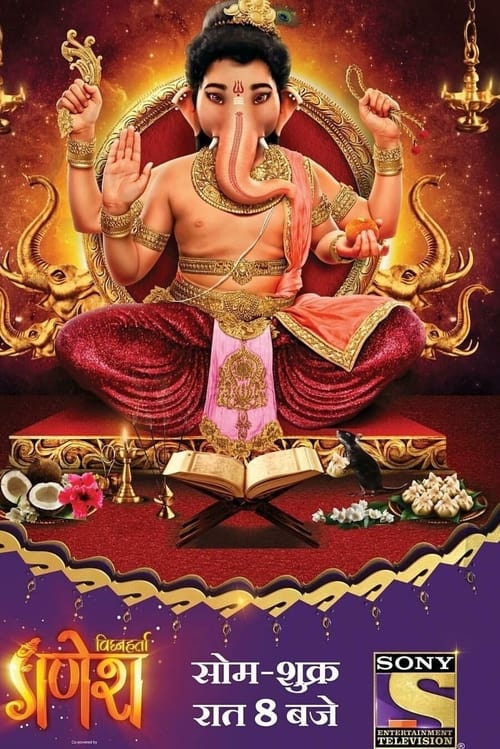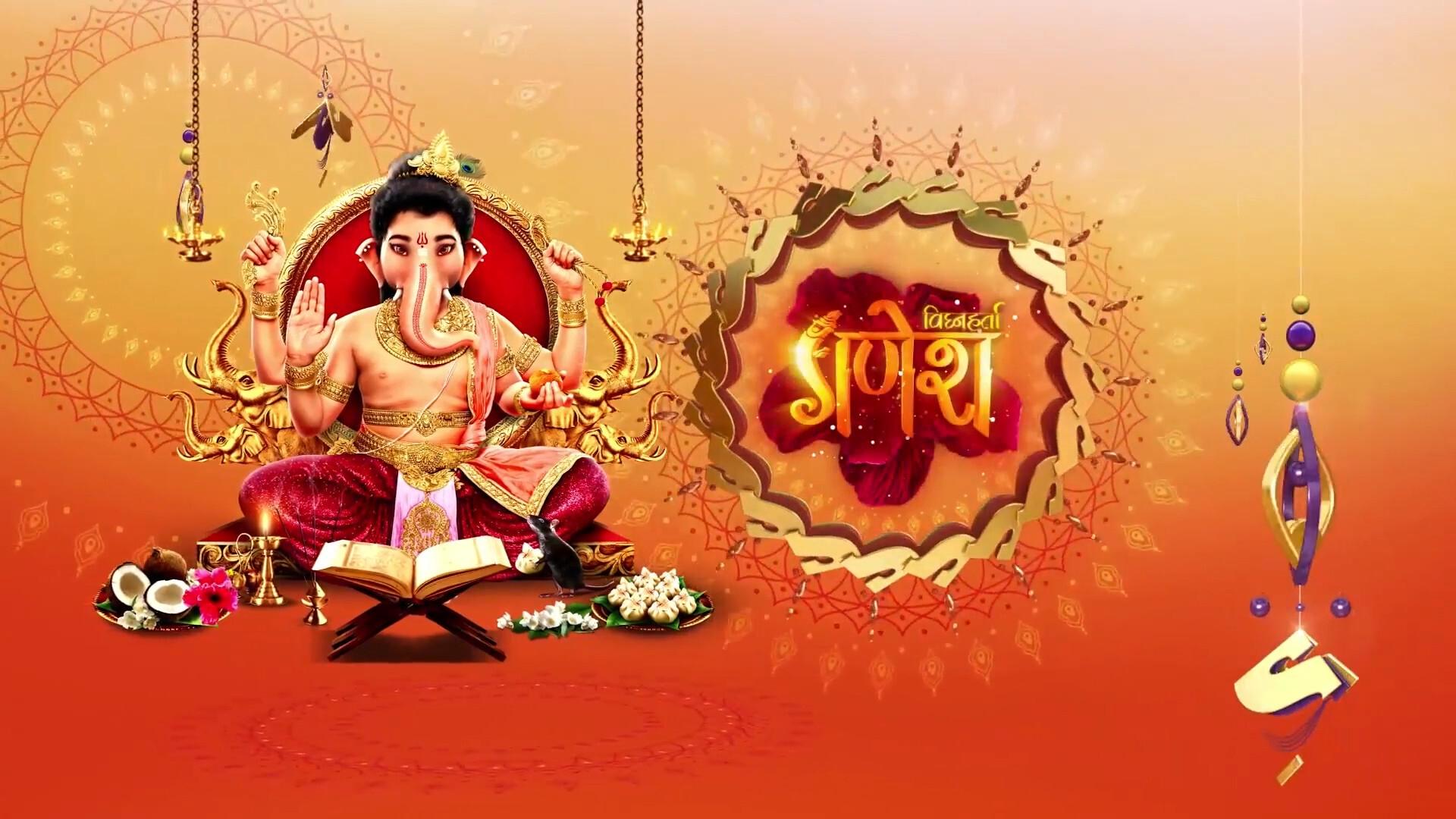
If you’ve spent any time browsing Indian television in the past few years, you’ve probably heard someone passionately defending Vighnaharta Ganesh. And once you actually sit down with the show, you understand why. This isn’t just another mythological drama—it’s a technical and creative statement that fundamentally changed how Indian TV could tell stories about the divine.
When Vighnaharta Ganesh premiered on Sony Entertainment Television in August 2017, it arrived with ambitions that felt almost audacious for the medium. The creators wanted to tell the story of Lord Ganesha’s transformation from an ostracized child to one of the most revered deities in Hindu mythology, but they weren’t interested in doing it the traditional way. Instead, they committed to using motion capture technology and advanced animatronics—techniques that were still relatively novel even in Hollywood at the time—to bring their vision to life on Indian television. This was genuinely unprecedented.
> The real achievement here is that the show didn’t use cutting-edge technology as a gimmick. It used it as a means to emotional storytelling.
The 25-minute episode format proved ideal for the show’s ambitions. It’s long enough to develop meaningful character moments and mythological depth, but short enough to maintain the narrative momentum that these stories demand. Over 1,026 episodes across 1 season, the series built something remarkable—a show that viewers rated at 9.5/10, which speaks to how deeply audiences connected with its approach to mythology.
What really sets Vighnaharta Ganesh apart is how it treated its subject matter. This wasn’t camp or kitsch. The production design was meticulous, the celestial costumes felt authentic rather than theatrical, and the motion capture work actually made Ganesha feel alive in ways that traditional masks and prosthetics simply couldn’t achieve. When you’re watching a character’s subtle facial expressions shift with emotion—something motion capture enables—it fundamentally changes how you relate to that character. Suddenly Ganesha isn’t a distant deity. He’s a character experiencing genuine struggle and growth.
The show’s cultural impact extended beyond just technical innovation. It sparked real conversations about how Indian television could evolve without abandoning its roots in mythology and spirituality. Viewers weren’t just entertained; they felt they were learning something about their faith while experiencing genuinely engaging drama. That balance—respecting the source material while telling a compelling story—is harder to achieve than it sounds, and the show managed it consistently.
- The narrative arc from rejected child to “Prathamesh” (first among gods)
- The exploration of Ganesha’s relationships with other deities
- The creative solutions to depicting celestial realms through production design
- The emotional depth given to mythological characters
The show’s journey from 2017 through its conclusion demonstrates the kind of commitment that Indian television wasn’t always known for. Maintaining quality and audience engagement across that many episodes requires not just good initial concept but consistent execution. The fact that viewers kept showing up, that the ratings held strong, that people still seek it out on streaming platforms—that’s not accident. That’s a show that earned its audience’s loyalty.
Looking back now that Vighnaharta Ganesh has concluded, it’s clear the show left a mark on how Indian television thinks about mythological storytelling. It proved you don’t have to choose between respecting tradition and embracing innovation. You can use the latest technology not to overwhelm a story but to serve it. You can tell ancient narratives in ways that feel fresh without feeling disrespectful. That’s the real legacy here—not just that the show existed, but that it demonstrated what became possible when television creators committed fully to their vision.
If you haven’t experienced it yet, the show remains available on Sony LIV, and it’s absolutely worth your time. Come for the technical achievement, stay for the surprisingly moving character work. Vighnaharta Ganesh is the kind of show that reminds you why mythology continues to matter in our storytelling—it teaches us something about ourselves while spectacular visuals and genuine emotion keep us invested.