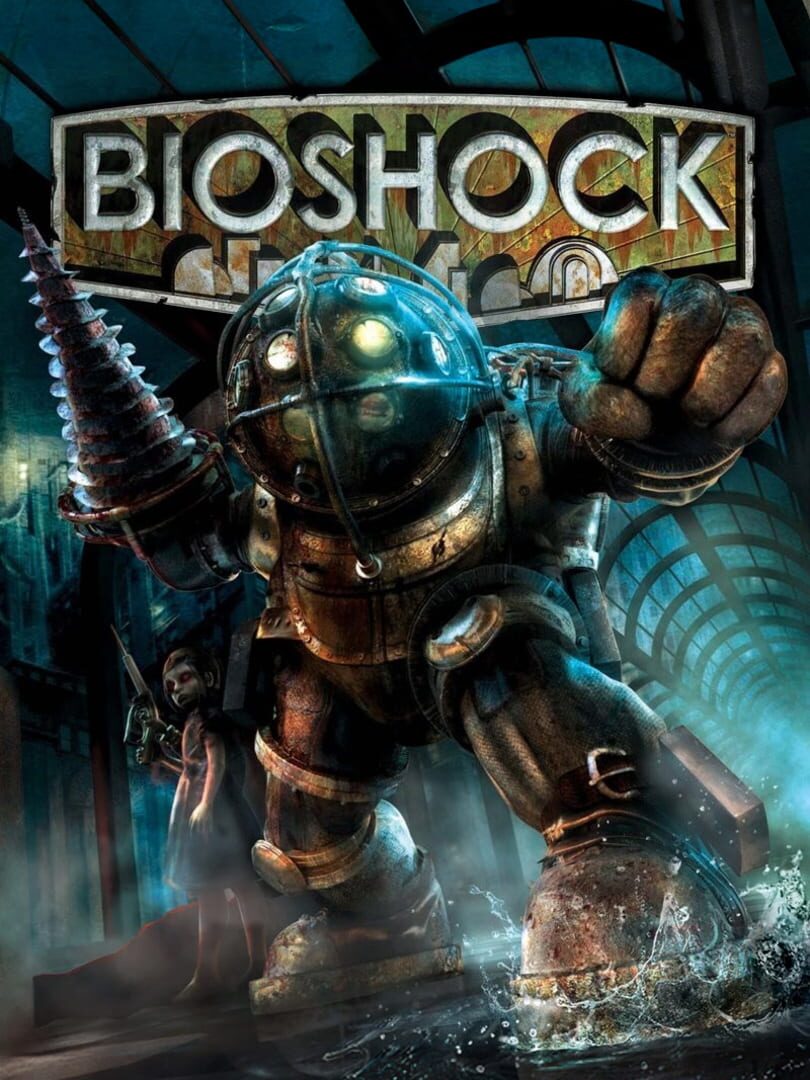
When BioShock launched in August 2007, it arrived at a moment when first-person shooters had grown comfortable—perhaps too comfortable. The formula was well-established: run, gun, repeat. But Irrational Games and 2K Games didn’t want to make another standard shooter. They wanted to build something that would make you think while you were pulling the trigger, that would challenge your moral compass while you explored a flooded city. The result earned an /10 rating and became one of those rare games that proved shooters could be about something.
The premise is deceptively simple: your plane crashes in 1960, and you stumble into Rapture, an underwater city built in the 1940s by business magnate Andrew Ryan as a utopia of unfettered ambition. Except it’s not a paradise anymore. It’s a graveyard. The ideals that built this place have rotted it from the inside, and you’re walking through the consequences of unchecked power and philosophy. Jack—your silent protagonist—has to navigate this broken world while uncovering what actually happened here.
What made BioShock significant wasn’t just the storytelling, though that was exceptional. It was how the game wove narrative into every layer of the experience:
- Environmental storytelling that didn’t require cutscenes—audio logs, scattered notes, and the architecture itself told you what happened
- Plasmid abilities that doubled as both combat tools and puzzle solutions, giving you multiple ways to approach situations
- Moral choices that weren’t presented as obvious good-versus-evil decisions; they felt ambiguous and personal
- A setting that was actively hostile in interesting ways, forcing you to think tactically about every encounter
- Atmospheric design that made exploration rewarding without ever feeling forced
The genius was in the genre blend. This is simultaneously a shooter, a puzzle game, an RPG, and an adventure title—but it never feels like it’s juggling too many mechanics. Each element supports the others. You’re upgrading yourself like an RPG character, solving problems like a puzzle game, exploring like an adventurer, and engaging in combat like a shooter. It all serves the larger experience rather than competing for attention.
What really set BioShock apart was that it asked uncomfortable questions. The game’s central moral dilemma—what you do with Little Sisters, who are essential to your survival but clearly victims themselves—doesn’t have a clean answer. Playing ruthlessly gets you stronger, but the game doesn’t let you forget what you’re doing. It’s willing to judge you without being preachy about it. That’s rare, especially in shooters.
> The game didn’t just tell you a story about a failed utopia—it made you complicit in exploring its corpse.
Across PC, Mac, and Xbox 360, the game found audiences everywhere it launched. The port work was solid, and the game’s design principles translated well across platforms. What’s interesting is how BioShock has aged. Unlike many shooters from that era that feel dated in their mechanics, this one still works. The combat isn’t the fastest or most intense, but that’s partly intentional—you’re supposed to prepare, set traps with plasmids, and plan your approach. The pacing gives you space to breathe and think.
The cultural impact was real. BioShock became one of those games other creators pointed to when arguing that video games could be art, that they could explore complex ideas, that they didn’t need to be mindless action. It vindicated the idea that a blockbuster title could be intellectually demanding without sacrificing engagement. Post-BioShock, developers started taking narrative more seriously in genres where it had been secondary.
The franchise continued forward, with sequels and DLC that explored different angles and time periods within Rapture’s universe. The Plasmid Pack DLC expanded the toolset, and later the game received a remaster that updated the visuals for modern displays—respecting the original while making it feel fresh. The game proved durable enough to keep attracting new players, even years after release.
What endures about BioShock is that it trusted its audience. It didn’t spell everything out. It didn’t separate story from gameplay. It didn’t assume that people playing a shooter just wanted explosions. Instead, it built a complete world and let you uncover it at your own pace, making decisions that felt consequential even when the game was subtly guiding you all along. That’s the kind of design that stays with you long after the credits roll.


