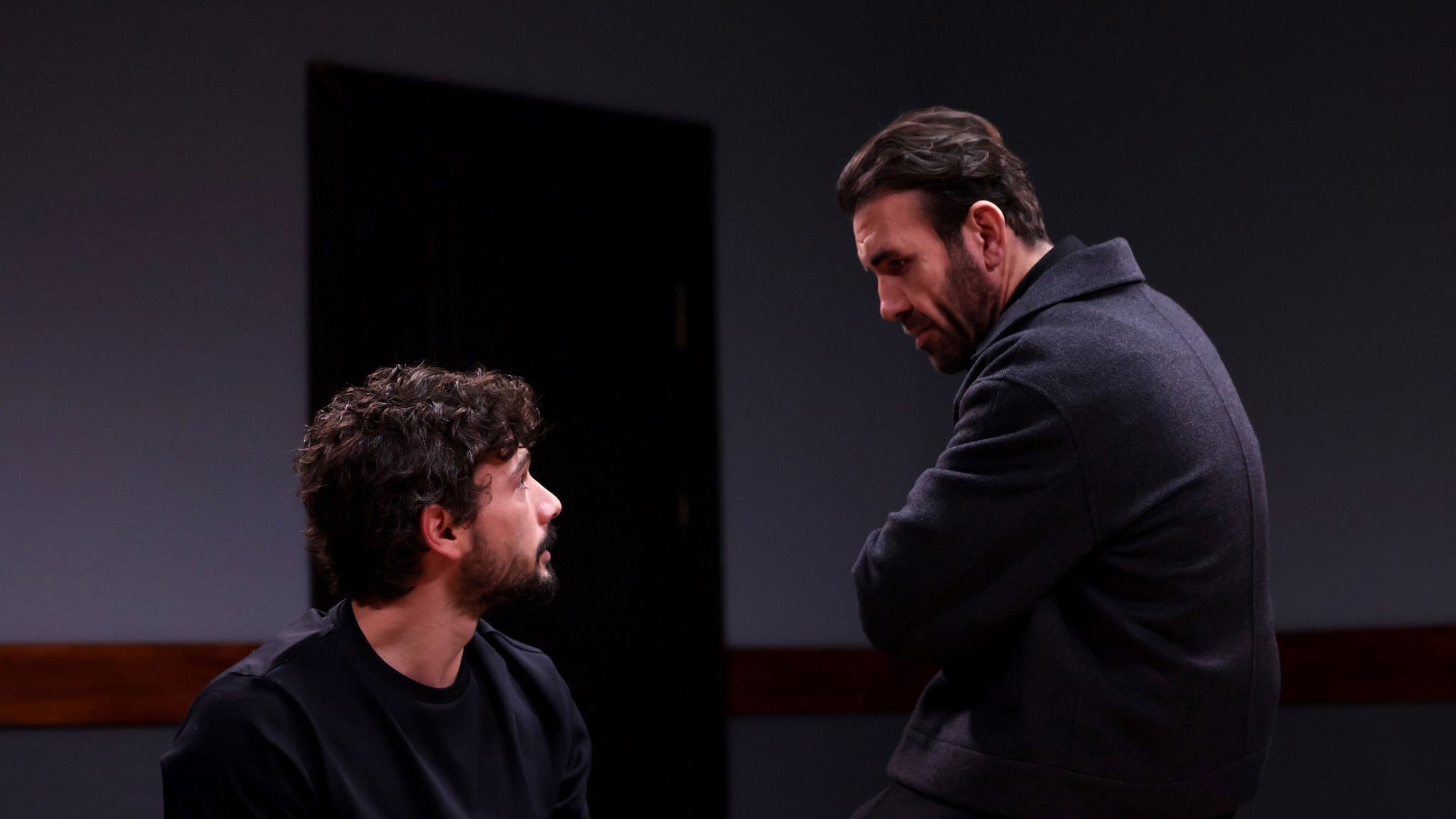
If you’re looking for a show that grabs you by the throat and doesn’t let go, Underground is exactly what you need right now. When it premiered on January 28th, 2026, this Turkish drama arrived with a premise so compelling that you can feel the tension radiating off the screen from the opening moments. Creator Berna Aruz crafted something that goes beyond typical revenge narratives—this is a show about what happens when vengeance leads you deeper into darkness rather than setting you free.
The setup alone is magnetic: Haydar Ali kills the people responsible for murdering his family, but instead of getting away clean, he ends up behind bars. That could be where the story ends for most revenge dramas, but Aruz takes it further. Three years in prison transforms Haydar into someone navigating one of Turkey’s most dangerous underground criminal organizations. Then he gets out. And that’s when the real game begins—because the woman he’s never forgotten is now married to his closest ally.
What makes Underground work so effectively across its 3 episodes is how it refuses easy answers. This isn’t a show that pats you on the back for rooting for the protagonist. Haydar’s world is morally suffocating. The cartel doesn’t operate in neat hero-versus-villain categories; it’s built on betrayal, survival instinct, and impossible choices. Aruz structures the narrative to constantly pull the rug out from under you, making you question not just what Haydar will do next, but whether you still want him to succeed.
> The show earned a 9.0/10 rating from 2 votes—numbers that reflect how viscerally audiences connected with this story despite its grim worldview.
The creative decision to keep episode runtimes flexible works in the show’s favor. Rather than forcing each installment into a rigid time slot, Underground gives itself permission to breathe when it needs to and accelerate when the tension demands it. That flexibility allows for scenes to develop naturally instead of hitting predetermined commercial break markers. The pacing feels organic, like watching events unfold rather than consuming pre-packaged drama.
What makes the show truly stand out:
- The central love triangle isn’t presented as romantic—it’s a weapon in a psychological war
- Prison sequences establish tone and character without relying on exposition dumps
- The cartel itself becomes a character, with its own logic and brutal code
- Character motivations shift based on survival, not plot convenience
- The ending doesn’t resolve neatly, leaving genuine uncertainty about what comes next
The supporting cast elevates everything around the central tragedy. Devrim Özkan as Ceylan and performances from Ülkü Hilal Çiftçi and Muhammed Cangören create a world where no one is simply good or bad. They’re all trying to navigate systems larger than themselves. That nuance is what separates Underground from countless other crime dramas that mistake brutality for complexity.
Since its debut, the show has climbed streaming charts and maintained serious engagement with audiences who appreciate stories that challenge rather than comfort. It’s currently Returning Series, which means Aruz has more story to tell. That’s both exciting and somewhat terrifying—because in a world this dark, any expansion of the narrative could spiral into even more devastating territory. You don’t watch Underground and expect happy resolutions. You watch it because you need to know how deep the damage goes.
The cultural moment matters too. Turkish television has been producing increasingly ambitious work, and Underground is a perfect example of how regional shows are competing globally not through spectacle but through genuine dramatic weight. This is a show made for people who understand that the best revenge stories aren’t about winning—they’re about the cost of trying.
What gets me most is how the show understands that trauma doesn’t make you noble. Haydar’s murdered family doesn’t become a moral permission slip for everything he does afterward. That’s the kind of moral clarity that most television fumbles. Underground doesn’t. It forces you to sit with uncomfortable truths: that good people can make catastrophic choices, that love doesn’t excuse betrayal, and that sometimes the worst prison isn’t the one with bars.
If you haven’t watched it yet, go in knowing this won’t be easy viewing. But that difficulty is exactly why it matters. In a television landscape filled with content designed to be comfortable background noise, Underground demands your attention. It earns every single point of its rating by refusing to play it safe.