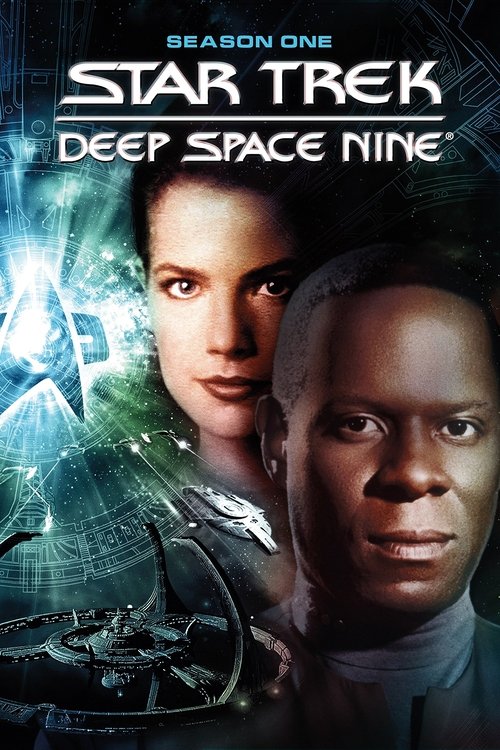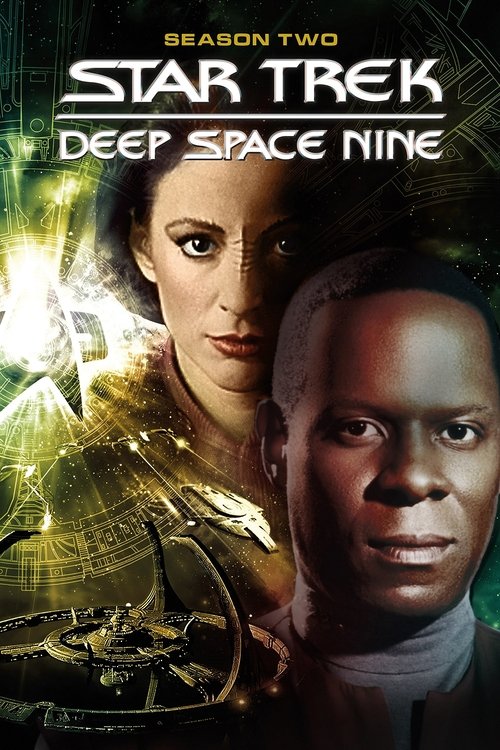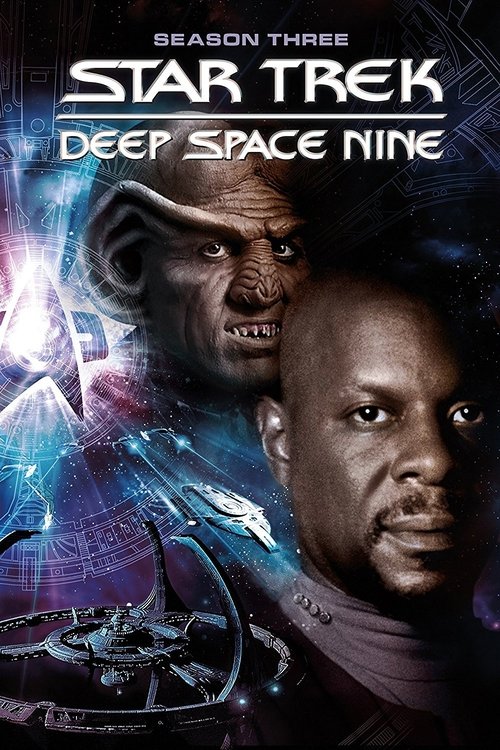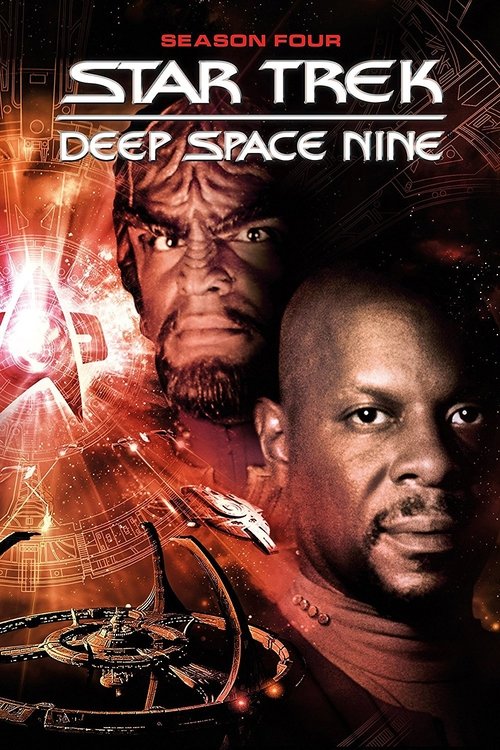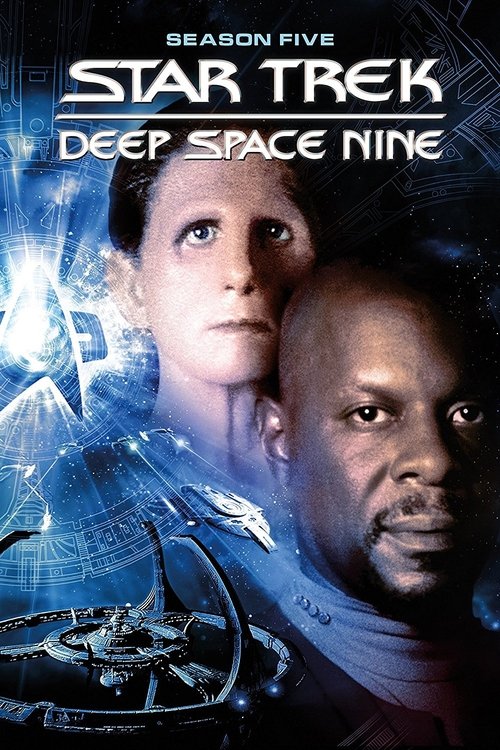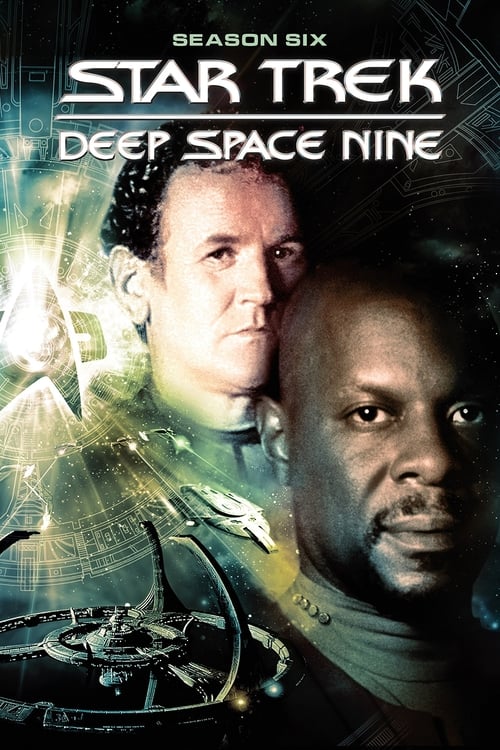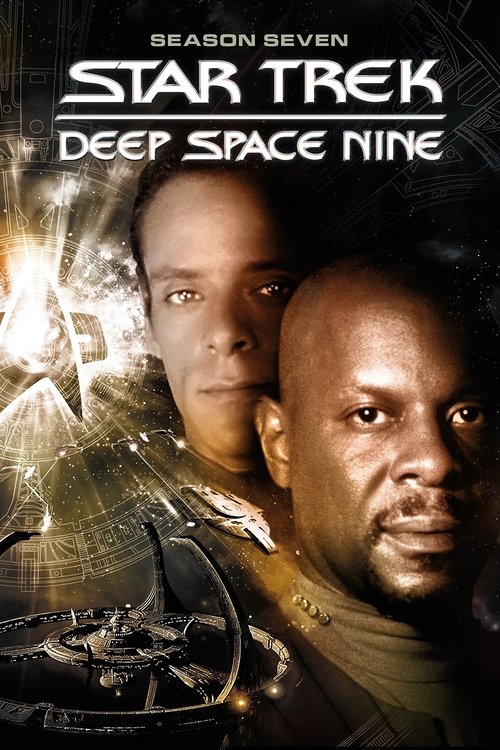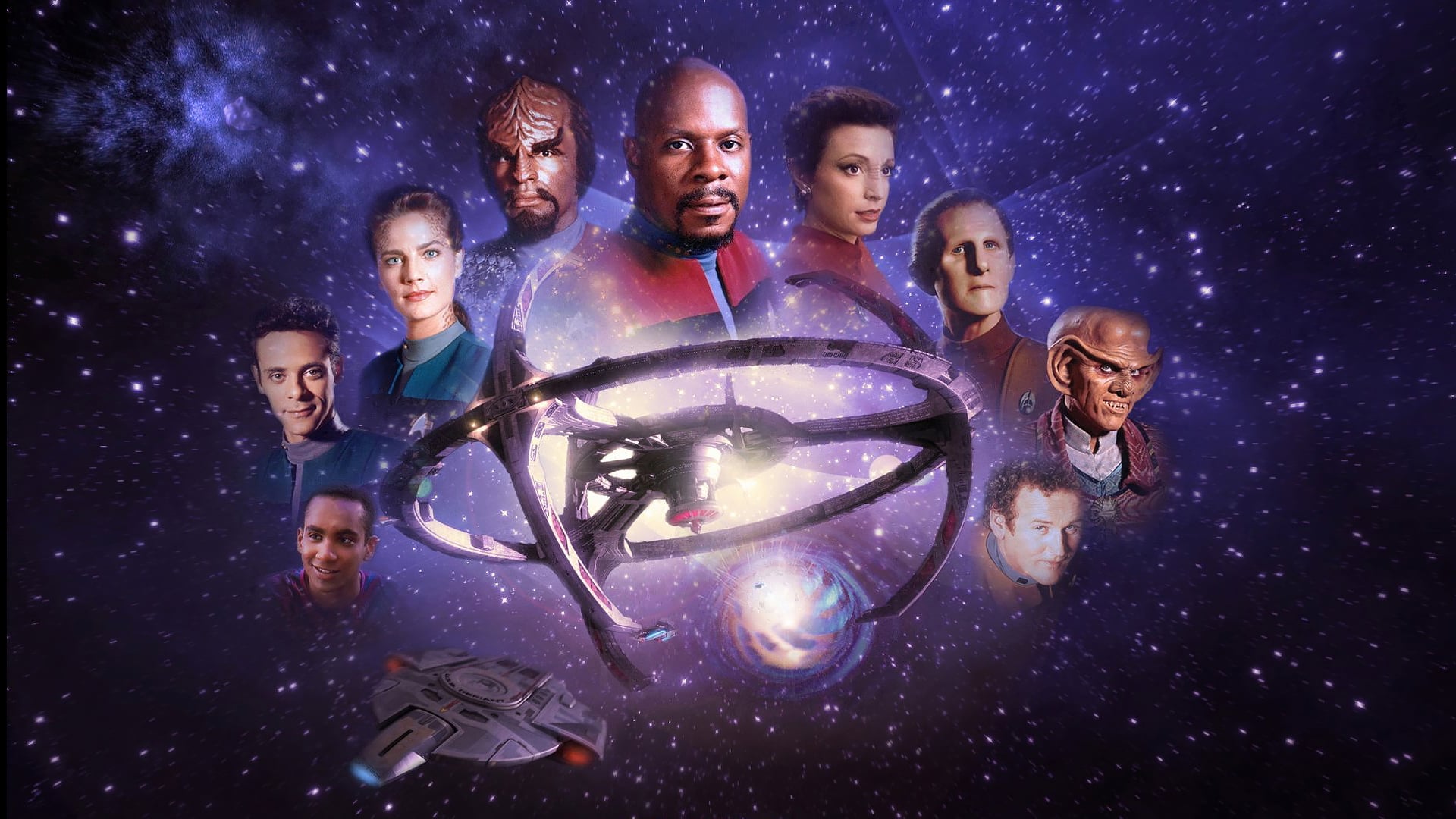
When Star Trek: Deep Space Nine debuted on January 3, 1993, it arrived as something of a divisive newcomer to the franchise. Here was a show that dared to stay still when Star Trek was supposed to roam the stars—a sprawling space station instead of a speeding starship, a morally ambiguous commander instead of an inspiring captain, and storylines that refused to reset themselves each week. Looking back across its 173 episodes and seven-season run, it’s impossible not to recognize what creators Rick Berman and Michael Piller were actually doing: fundamentally reinventing what a Star Trek series could be.
The genius of Deep Space Nine lay in how it weaponized its constraints. Tethered to a single location, the show had to build outward instead of exploring outward. This meant developing a richly textured world with recurring characters, political intrigue, and consequences that lingered. The 45-minute runtime became an asset rather than a limitation—it gave writers enough space to develop B-plots and character moments that wouldn’t have existed in a faster-paced format, creating a depth that serialized television was only beginning to explore seriously in the mid-90s.
What made the series stand out wasn’t just its willingness to challenge Star Trek orthodoxy, but how intelligently it did so. Rather than positioning itself against the established universe, it complicated it from within:
- Commander Benjamin Sisko: A single father struggling with faith, trauma, and the weight of being a religious figure to an entire civilization—far removed from the confident explorers audiences expected
- The Cardassian occupation aftermath: Political divisions that couldn’t be solved with diplomacy and reason alone
- The Dominion War: A serialized conflict that dominated the final seasons, treating warfare with genuine consequences
- Religious and spiritual themes: The show treated faith as complex rather than quaint, asking difficult questions about destiny and choice
The narrative structure evolved dramatically across the run. Early seasons felt more episodic, finding their footing with individual stories—a necessary step for a syndicated series trying to capture casual viewers. But by season three or four, something shifted. The show began trusting its audience and itself, committing to long-form storytelling arcs that wouldn’t fully resolve until the final episodes. This wasn’t entirely unprecedented, but it was audacious for the mid-1990s television landscape, where serialization carried real commercial risk.
> The show’s willingness to embrace moral ambiguity—to suggest that Federation ideals weren’t always sufficient, that good people made terrible choices, and that victory came with unsustainable costs—resonated deeply with audiences who were beginning to crave more sophisticated narratives.
The cultural footprint Deep Space Nine left often gets undersold. While it didn’t generate the immediate fan enthusiasm of The Next Generation or the later prestige of Voyager, it became something rarer: a critical reevaluation story. Shows that weren’t immediately beloved but revealed themselves as prophetic as the industry evolved. In the age of Breaking Bad, The Wire, and The Sopranos, suddenly a Star Trek series built on moral compromise and serialized drama looked remarkably ahead of its time. Its current 7.9/10 rating reflects that reevaluation—respectable, reflecting genuine appreciation, even if it doesn’t reach the heights of certain franchise peaks.
The creative vision of Berman and Piller deserves particular attention here. They inherited a franchise with tremendous expectations and chose to interrogate it rather than simply continue it. Sisko wasn’t Kirk or Picard—he was uncertain, struggling, sometimes wrong. The Dominion weren’t neat antagonists to be outmaneuvered; they represented an existential threat that demanded moral compromises. The Ferengi, initially comic relief, gradually transformed into characters with genuine depth and perspective. This willingness to complicate character archetypes that could have remained flat showed real confidence in the audience’s intelligence.
The ensemble cast became another hidden strength. Unlike The Next Generation’s clear hierarchy, Deep Space Nine distributed narrative weight across multiple strong characters:
- Colm Meaney’s Chief O’Brien offered working-class anchor points to lofty sci-fi concepts
- Terry Farrell, then Nicole de Boer, brought genuine presence to leadership roles
- Alexander Siddig evolved Bashir from comic relief to something genuinely compelling
- Armin Shimerman’s Quark became the show’s beating heart—a Ferengi bar owner with unexpected philosophical depth
- Avery Brooks grew into Sisko across the series’ run, especially when the character embraced his larger spiritual role
The show’s technical achievements in practical effects and set design also merit recognition. For a syndicated series working within specific budget constraints, the production team created a visually distinctive world that felt lived-in rather than staged. The Dominion War sequences, while modest compared to modern standards, conveyed genuine stakes through creative direction and performance.
Where Deep Space Nine truly pushed boundaries was in proving that Star Trek could embrace darkness without losing its essential optimism about humanity. The series didn’t reject the Federation’s ideals; it tested them. Episodes like “In the Pale Moonlight” forced characters and audiences to confront uncomfortable truths about what winning costs. This nuance influenced everything that followed, from Enterprise to the modern reboot films’ attempts at moral complexity.
In revisiting Deep Space Nine today, whether through Paramount Plus or other streaming platforms, viewers often report the same experience: initial skepticism that transforms into genuine appreciation. The show rewards patience and attention in ways that feel almost revolutionary for a 1990s syndicated series. It’s serialized before serialization became the dominant form. It’s morally complex before prestige television made that fashionable. And it trusts its audience in ways that still feel generous.
That’s the real legacy worth discussing—a show that knew exactly what it was doing, even when the world didn’t quite catch up yet.