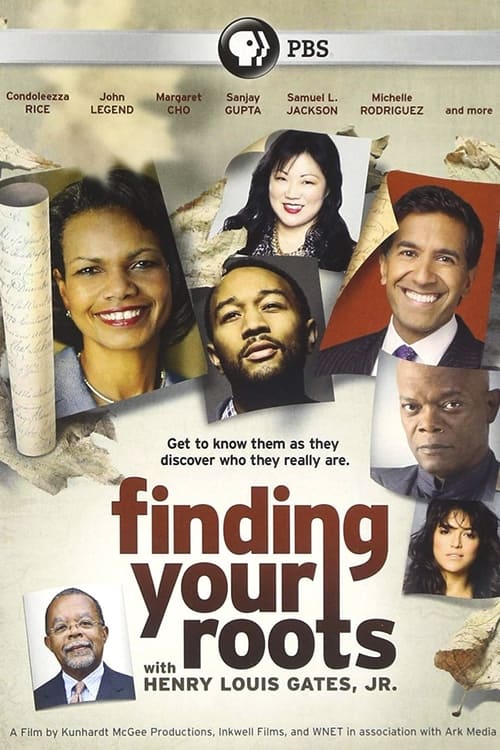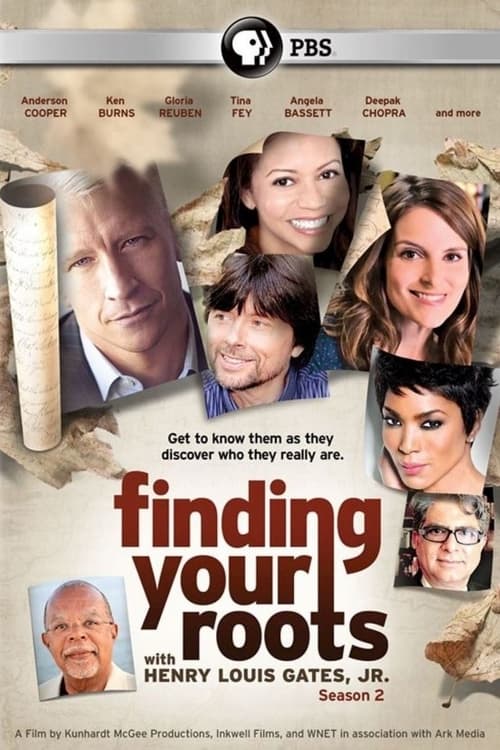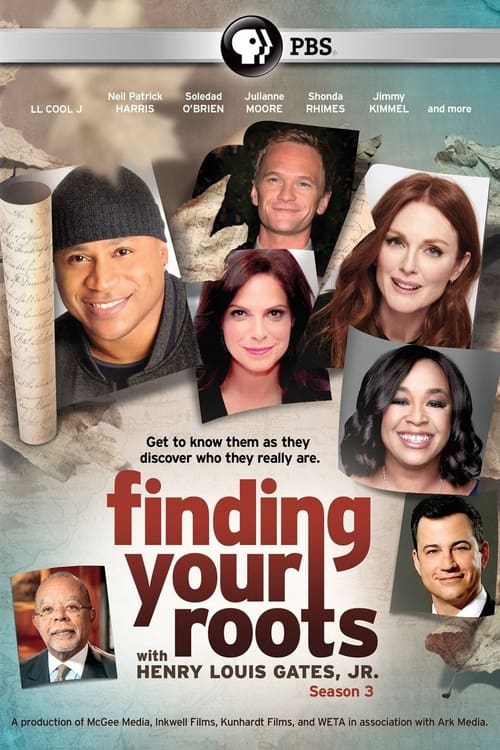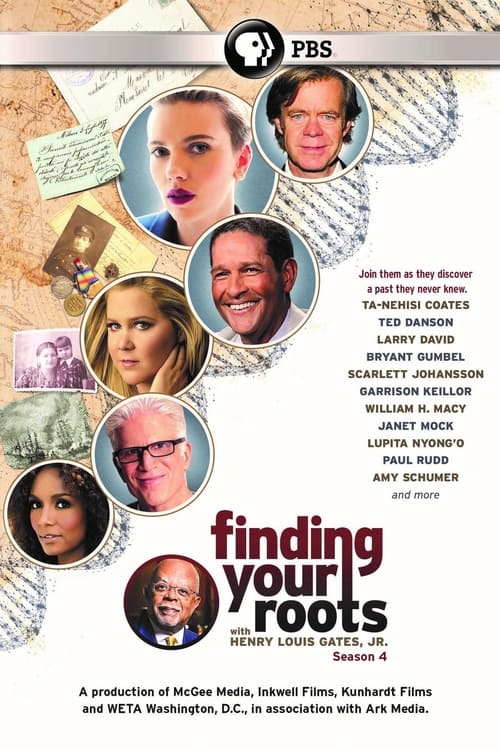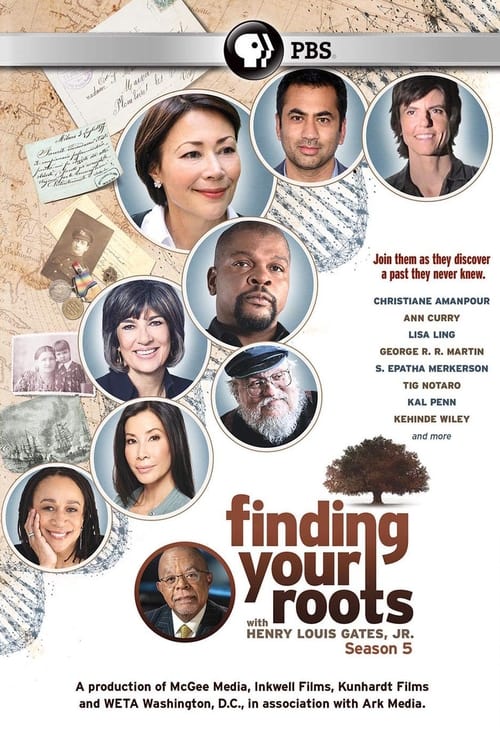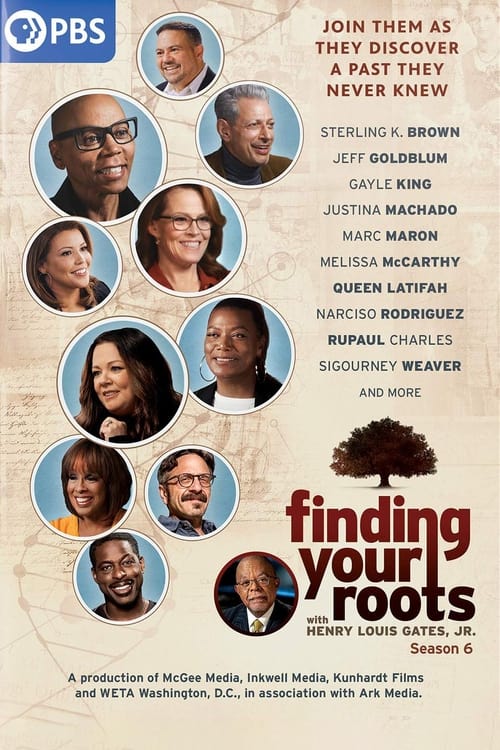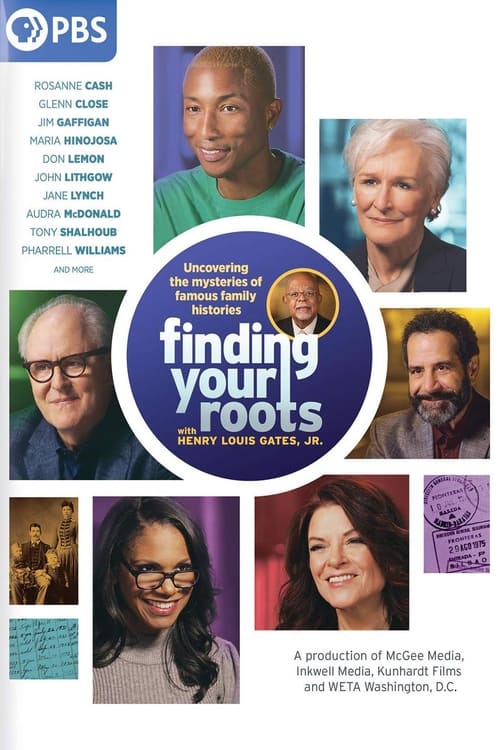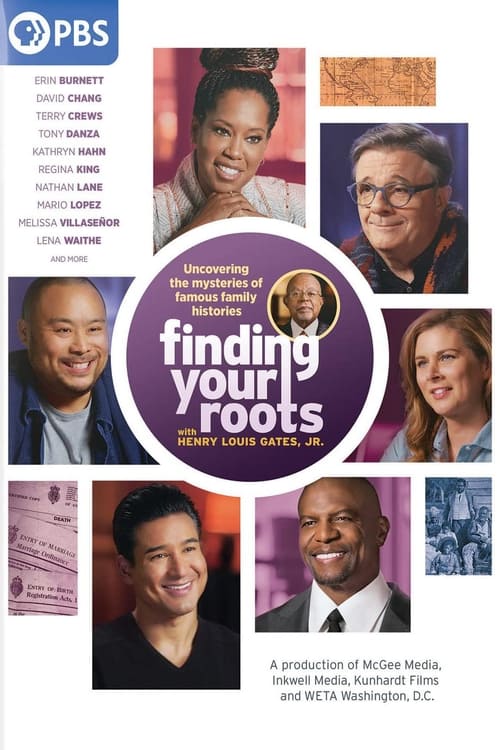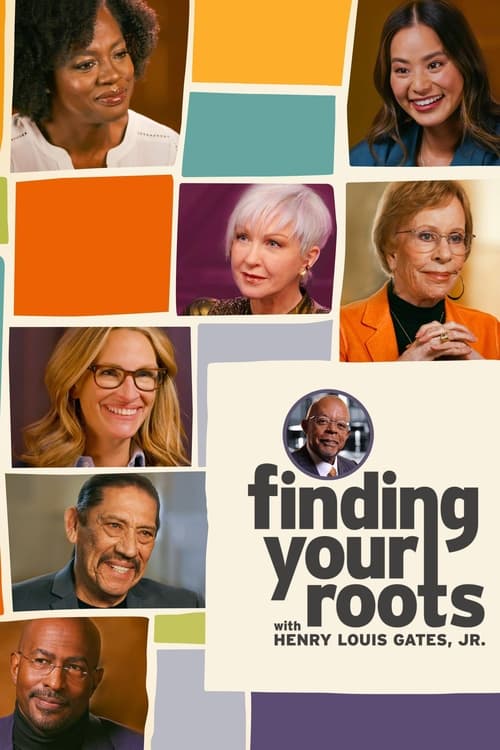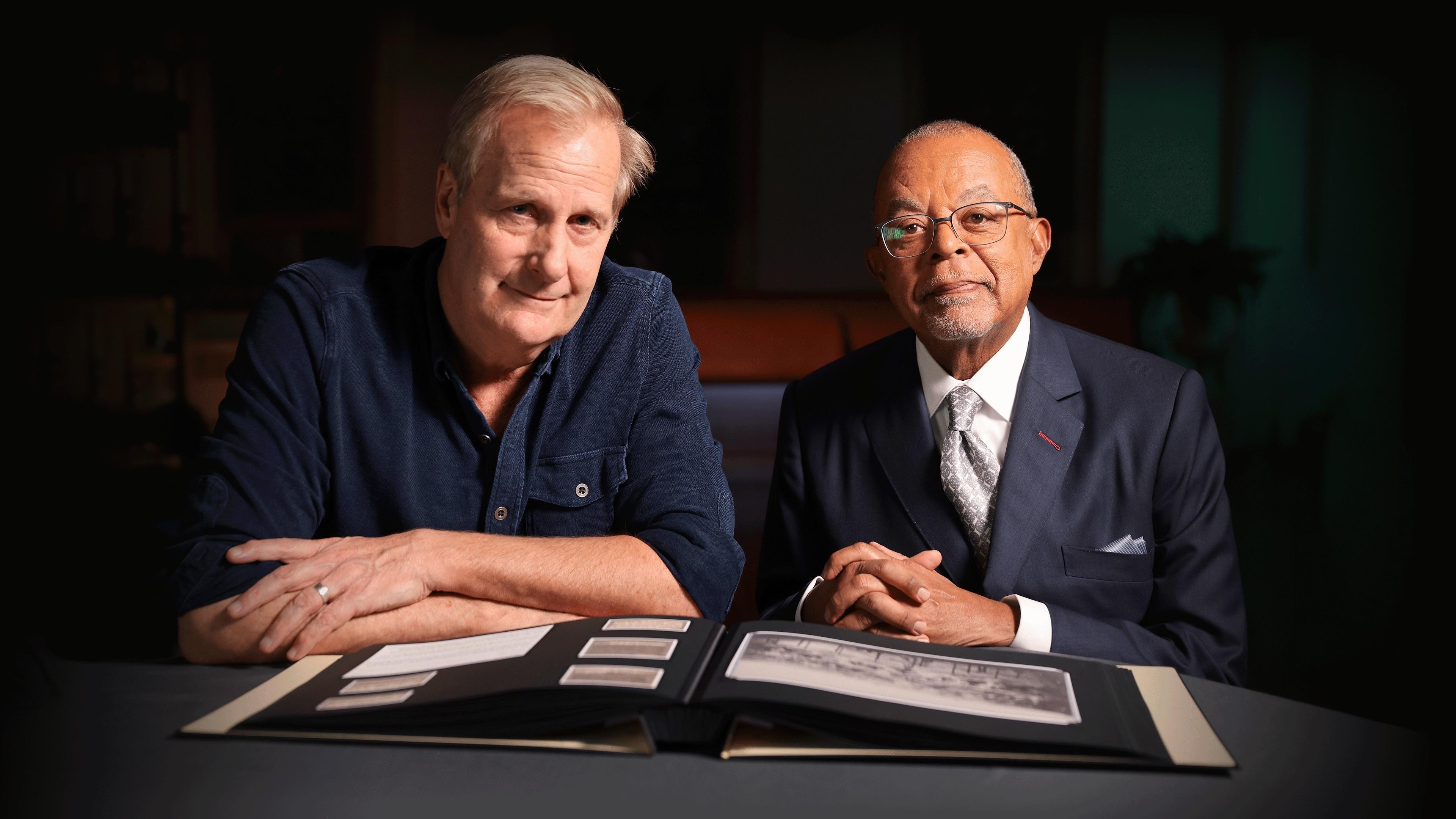
If you’ve been sleeping on Finding Your Roots, honestly, it’s time to reconsider what you’re missing out on. When this series debuted back in March 2012, it arrived at a fascinating cultural moment—ancestry and genealogy were becoming mainstream obsessions, DNA testing was gaining accessibility, and people were hungry to understand their own stories. What PBS created was something that transcended the typical genealogy documentary formula, turning personal history into genuinely compelling television that’s sustained itself through twelve seasons and 120 episodes for good reason.
The show’s brilliance lies in its deceptively simple premise: take notable figures—celebrities, politicians, athletes, artists—and trace their family trees back through history. But here’s what separates Finding Your Roots from countless other genealogy programs: it’s fundamentally about human connection and surprise. Each 60-minute episode unfolds like a narrative mystery, with discoveries that genuinely move both the participants and viewers. The runtime proves crucial here; it’s long enough to develop real emotional stakes without devolving into the overwrought, overly dramatized storytelling that plagues other networks’ documentary offerings.
> The show understands something fundamental about why we’re fascinated by roots: it’s not just about facts and dates, but about seeing ourselves reflected in history, understanding how we got here, and sometimes discovering we’re more connected to larger historical moments than we ever realized.
What makes Finding Your Roots particularly significant is how it normalized conversations about ancestry, identity, and family secrets that might otherwise stay buried. Over its twelve-season run, the show has essentially created a cultural permission structure for people to ask questions about their heritage. It’s sparked dinner table conversations, prompted people to finally have those difficult family discussions, and even helped some viewers reconnect with relatives they’d lost touch with.
The show’s cultural footprint extends beyond just entertainment value. It’s consistently demonstrated that history isn’t some abstract subject confined to textbooks—it’s personal, it’s intimate, and it’s woven through every family’s narrative:
- Revolutionary War connections that reveal how everyday ancestors played roles in nation-defining moments
- Immigrant journeys that illuminate the sacrifices embedded in family surnames
- Musical legacies that trace artistic talent through generational lines
- Unexpected historical intersections where participants discover their family trees crossed paths with famous historical events
- Identity reckonings where participants learn their heritage differs from what they’d always believed
The 6.6/10 rating might seem modest on the surface, but it actually tells a more nuanced story. This isn’t a show chasing viral moments or manufactured controversy. Its audience is loyal, invested, and deeply engaged—the kind of viewership that sustains a series for over a decade on PBS. These are viewers who appreciate deliberate pacing, genuine emotional beats, and the kind of storytelling that respects both the subjects and the audience’s intelligence.
What’s particularly clever about the creative approach is how the show balances accessibility with historical rigor. The format works because it doesn’t require you to be a genealogy enthusiast to be completely absorbed. You could care nothing about family trees and still find yourself riveted by the unexpected connections, the moments of genuine surprise on participants’ faces, or the historical contexts that emerge. That’s the mark of strong documentary filmmaking—taking a potentially niche subject and making it universally compelling.
The creative vision here isn’t about sensationalism; it’s about revelation through meticulous research. The genealogists and historians who drive each episode’s investigation work quietly and methodically, uncovering records, piecing together narratives, and then presenting discoveries in ways that resonate emotionally. That restraint, that refusal to over-dramatize, actually makes the genuine moments hit harder. When someone’s face changes as they learn something unexpected about their family, you feel it because it’s authentic.
Since its 2012 premiere, Finding Your Roots has essentially redefined what genealogy television could be. It’s influenced how networks approach historical documentary storytelling—there’s been a noticeable shift toward more intimate, character-driven approaches to history across the industry. The show proved there was an audience for this kind of programming, which opened doors for similar series while Finding Your Roots itself kept evolving and refining its approach.
The series’ Returning status across multiple streaming platforms—Amazon Prime Video, PBS, various PBS channels—speaks to its sustained relevance. It’s not relegated to archive status; new episodes continue, which means the show’s still discovering new stories worth telling. After twelve seasons, you might think the format would feel exhausted, but the creators understand that every person’s history is genuinely unique, and that endless variety is precisely what keeps the series fresh.
The real achievement here is creating something that functions simultaneously as entertainment, education, and emotional experience. Finding Your Roots respects your time, treats its subjects with dignity, and recognizes that understanding where we come from is fundamental to understanding who we are. In a television landscape often dominated by spectacle and manufactured drama, that’s genuinely refreshing. If you haven’t caught up with this series, there’s no better time—twelve seasons of thoughtfully constructed historical storytelling awaits, and honestly, it’s exactly the kind of television we need more of.