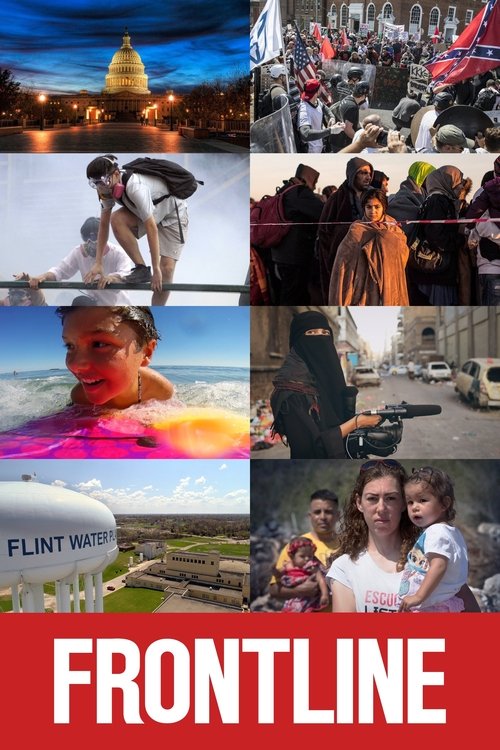
When Frontline debuted on PBS back in January 1983, David Fanning and his team essentially rewrote the rulebook for what television journalism could accomplish. While most documentary series were content to observe from a distance, Frontline plunged directly into the heart of complex, urgent stories—and in doing so, created something that would become an institution. Nearly four and a half decades later, with 847 episodes under its belt and a return to production ahead, the show’s ability to remain relevant speaks volumes about both its foundational vision and its willingness to evolve.
What made Frontline genuinely revolutionary was its approach to the 55-minute format. Instead of treating that runtime as a constraint, Fanning recognized it as the perfect vessel for deep-dive journalism that actually breathed. Unlike the rapid-fire segment structure of typical news programs, each episode allowed investigative reporters to develop narratives with genuine depth. You could follow threads through multiple countries, trace institutional corruption across decades, or embed with subjects long enough to capture something authentic and unguarded. That pacing became the show’s signature—patient, methodical, human.
The series’ cultural footprint extends far beyond PBS viewership. Over its 45-season run, Frontline tackled stories that shaped national conversations:
- Investigations into government surveillance that presaged the Snowden revelations
- Deep dives into pharmaceutical industry practices that influenced healthcare policy discussions
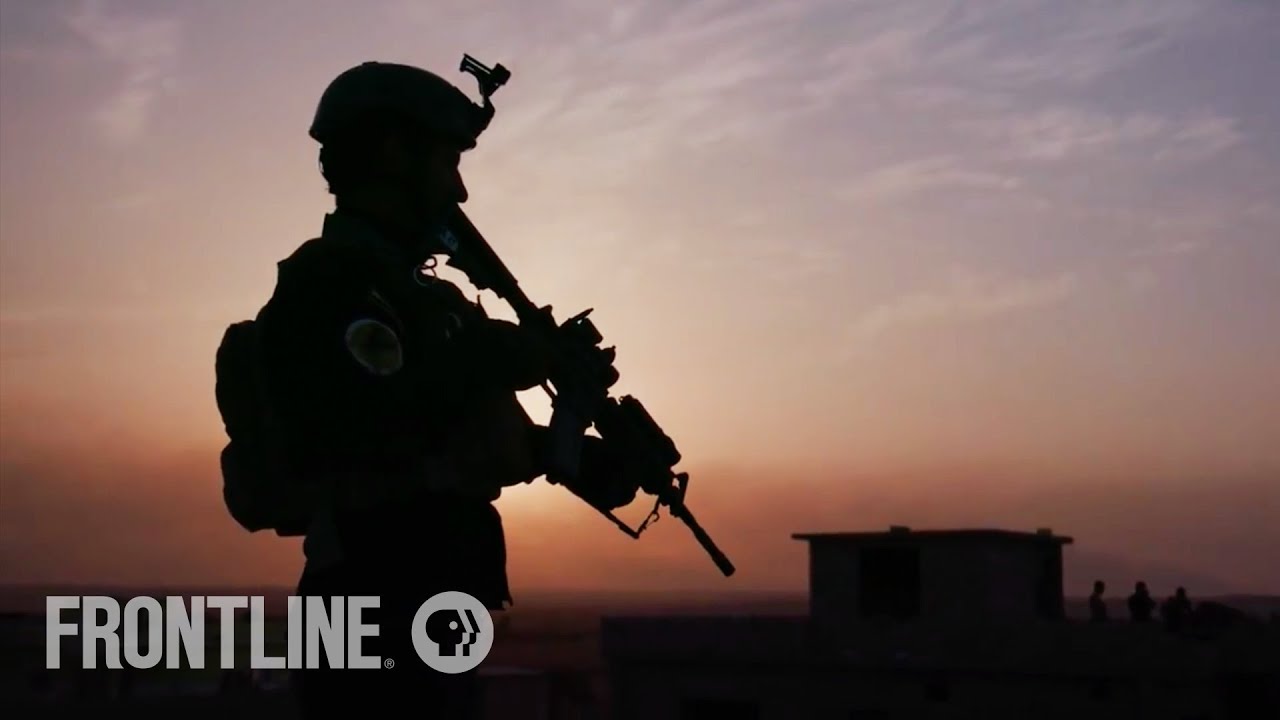
- Portraits of American military operations that humanized abstract geopolitical conflicts
- Explorations of institutional racism and criminal justice that fed into broader social movements
- Stories about technology’s social impact that grew increasingly prescient as tech dominance accelerated
These weren’t just stories—they became reference points in how Americans understood their own world.
> Frontline proved that television could be both intellectually rigorous and genuinely gripping. It showed that journalism didn’t have to choose between accessibility and complexity.
Part of what sustained Frontline through changing media landscapes was its commitment to unflinching investigation. The show never shied away from stories that were uncomfortable or inconvenient to powerful institutions. Whether investigating corruption, questioning foreign policy decisions, or examining how systems fail vulnerable populations, the program consistently prioritized truth-seeking over comfort. That integrity built an audience that trusted the work—and in an era increasingly defined by media skepticism, that trust became invaluable.
The ratings, hovering around a respectable 7.0/10, might initially seem modest. But consider what that actually means: a documentary news program that’s been continuously produced for over 40 years, maintaining quality across 847 episodes, still commands a dedicated viewership. In an attention economy that favors novelty and disposability, that’s not a modest achievement—it’s remarkable. Frontline never chased viral moments or dumbed down its storytelling for broader appeal. It simply made great journalism accessible, and audiences rewarded that consistency.
What’s particularly striking about Frontline‘s longevity is how it adapted without losing its core identity. Early seasons had a certain aesthetic and pacing that reflected 1980s television. But the show evolved—incorporating new filming technologies, finding subjects in emerging spaces (Silicon Valley, cryptocurrency, international conflicts most networks barely covered), and bringing in younger journalists who pushed the format in fresh directions. It’s remained contemporary precisely because it stayed true to what made it matter in the first place.
The 55-minute runtime also deserves credit as an underrated structural choice. It’s long enough to tell a real story but short enough to maintain narrative momentum. Documentary filmmakers often struggle with pacing—how long can an audience stay engaged?—and Frontline cracked that code. The format became almost cinematic in how tightly episodes were constructed, with investigative threads building toward revelations, character development earning emotional stakes, and conclusions that left viewers with genuine insight rather than false closure.
Fanning’s vision from the beginning seemed to be: what if we treated television journalism with the same rigor and narrative sophistication as the best print reporting and documentary filmmaking? That ambitious premise required patience from audiences but also genuine courage from the network. PBS deserves credit for nurturing something so deliberately paced and ideologically uncompromising during an era when commercial networks were moving in almost exactly the opposite direction.
Perhaps most importantly, Frontline created a template that other journalists and filmmakers could aspire to. The show demonstrated that accountability journalism, international reporting, and complex investigative work could find an audience on television. It trained generations of documentary filmmakers and journalists. Its influence ripples through prestige documentary films, long-form journalism, and streaming series that followed—many of which owe a debt to the storytelling DNA Frontline established.
As the series returns for new episodes, there’s something genuinely valuable about a program that’s spent four and a half decades simply trying to understand the world better and share that understanding honestly. In an era of sensationalism and partisan narratives, Frontline remains what it was in 1983: essential television for anyone who wants to understand what’s actually happening beneath the surface.